The short answer
Nello Super Calm is a stress-reduction powder, not a weight-loss product. It contains ashwagandha, L-theanine, and magnesium, which can lower cortisol and improve sleep in stressed people. If chronic stress drives your eating, it may indirectly reduce weight by reducing cravings. It will not produce meaningful fat loss on its own.
Table of contents
- The 30-second answer
- What Nello Super Calm actually contains
- The cortisol-weight connection: real but limited
- Ingredient-by-ingredient: what the research says
- Who might actually benefit
- Who is likely wasting their money
- How Nello compares to medical weight-loss options
- What to track if you decide to try it
- Safety, interactions, and side effects
- FAQ
- Footer disclaimers
What Nello Super Calm actually contains
Nello Super Calm is a flavored powdered drink mix sold direct-to-consumer as a stress-management product. The label position is "calm," not "weight loss," though the brand's marketing often gestures at the cortisol-weight link.
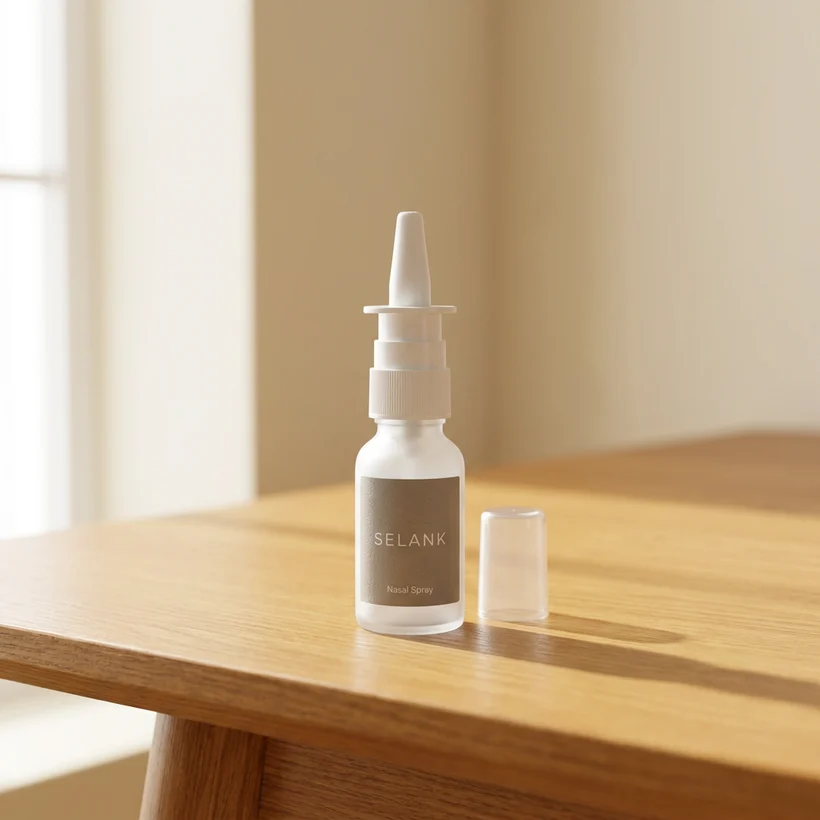
From the FormBlends catalog
Selank Nasal Spray
Anxiolytic peptide spray for stress relief without sedation or dependence · From $169/mo · compounded by a licensed 503A pharmacy, dispensed only after provider review.
View Selank Nasal Spray →The active ingredient panel typically includes:
- Ashwagandha (KSM-66 or Sensoril extract): 300 to 600 mg
- L-theanine: 200 mg
- Magnesium glycinate: roughly 75 to 150 mg
- GABA or GABA precursors: variable amounts
- Electrolytes and natural flavoring
Some product variants add chamomile, lemon balm, or vitamin B6. The exact formula has changed across batches, so check the label on the bottle you have.
Nello is a dietary supplement, which means the FDA does not review it for efficacy or potency before sale. Manufacturers are required to follow Good Manufacturing Practice rules and avoid false claims, but third-party testing of specific potency is not mandatory.
The cortisol-weight connection: real but limited
The marketing pitch for any "calming" supplement that hints at weight loss runs through cortisol. The story goes: chronic stress raises cortisol, cortisol drives belly fat storage and sugar cravings, lowering cortisol therefore reduces weight.
The underlying biology is real. The strength of the effect is overstated.
What the research shows:
Cortisol does correlate with abdominal fat. A review by Cuomo et al. in Endocrine Reviews (2018) found that people with elevated cortisol patterns (Cushing's syndrome being the extreme example) develop visceral fat at higher rates. In non-Cushing populations, the correlation is weaker but still present.
Cortisol increases food cravings, especially for sugar and fat. Studies from the University of California San Francisco (Epel et al.) show that women with high cortisol reactivity eat more comfort food after a stressor than low-reactivity women.
Lowering cortisol doesn't automatically lower weight. This is the part most supplement marketing skips. In the published intervention trials where stress-reduction practices (meditation, yoga, ashwagandha supplementation) lowered cortisol, weight changes were typically 1 to 3 pounds over 8 to 12 weeks. Real, but small.
For comparison, GLP-1 medications produce 15 to 22% body weight reduction over 68 to 72 weeks in clinical trials. The two interventions are not in the same category.
The honest read: if your weight problem is mostly stress eating in response to chronically elevated cortisol, a stress supplement might help at the margin. If your weight problem is hunger, satiety, or metabolic, a stress supplement is the wrong tool.
Ingredient-by-ingredient: what the research says
Ashwagandha (Withania somnifera)
The most-studied active in Nello. Ashwagandha is an adaptogenic herb with several decent randomized trials.
A 2019 study by Salve et al. in Cureus gave 240 mg of standardized ashwagandha extract or placebo to 60 stressed adults for 60 days. The ashwagandha group had a 23% reduction in serum cortisol compared with 6% in placebo, plus improved Hamilton Anxiety Scale scores.
A 2017 study by Choudhary et al. in the Journal of Evidence-Based Complementary & Alternative Medicine gave 300 mg twice daily for 8 weeks. Stress-reduction was modest but real, and body weight in the treatment group dropped by an average of 1.7 kg vs 0.4 kg in placebo.
The weight-loss signal exists but is small. Ashwagandha is best understood as a stress-and-sleep supplement that produces incidental small weight changes when stress eating reduces.
L-theanine
An amino acid found naturally in tea. L-theanine has reasonable evidence for promoting calm without sedation by raising alpha brain wave activity and modulating GABA.
There is no published evidence that L-theanine produces weight loss directly. The indirect path is sleep quality. A 2019 trial by Hidese et al. gave 200 mg L-theanine vs placebo for 4 weeks and found improvements in sleep latency and sleep quality scores, plus reduced anxiety.
Better sleep correlates with better weight outcomes in observational data, but L-theanine itself is not a weight-loss compound.
Magnesium glycinate
Magnesium is involved in over 300 enzymatic reactions, including those regulating glucose and insulin. Mild magnesium deficiency is common in U.S. adults.
A meta-analysis by Veronese et al. in European Journal of Clinical Nutrition (2016) reviewed 12 trials of magnesium supplementation in adults and found small improvements in fasting glucose and insulin sensitivity. No meaningful direct effect on body weight in non-diabetic populations.
Magnesium glycinate at 75 to 150 mg per serving is a sensible daily dose for someone whose diet is light on greens and nuts. It will not produce weight loss.
GABA and GABA precursors
GABA itself doesn't cross the blood-brain barrier well, so oral GABA has limited direct effect on brain receptors. Some research suggests indirect effects via the enteric nervous system, but the evidence is thin.
No weight-loss claims here are supported by trial data.
Who might actually benefit
Nello Super Calm is reasonable for someone who:
- Has clear, identifiable stress-eating patterns (eats more when anxious or after a hard day)
- Has poor sleep contributing to next-day overeating
- Doesn't currently take prescription anxiolytics or sleep medications
- Has tried behavioral approaches (CBT, meditation) and wants a supplement adjunct
- Understands they are buying a stress supplement, not a fat-loss product
For this person, the realistic outcome is:
- Modest reduction in evening cravings if those are stress-driven
- Better sleep, which can reduce next-day appetite dysregulation
- Possibly 1 to 3 pounds of weight loss over 2 to 3 months from reduced overeating
- Subjective improvement in stress and mood
That is a real benefit. It's not the same as 15% body weight reduction.
Who is likely wasting their money
Nello is the wrong tool for someone whose weight challenge is primarily:
- Hunger and satiety dysregulation. If you eat past fullness because your hunger signals are loud, the issue is hunger not stress. GLP-1 medications target that mechanism.
- Metabolic dysfunction or insulin resistance. A magnesium supplement helps glucose handling marginally. It does not reverse metabolic syndrome.
- Genetic obesity. Polygenic obesity is not a stress problem.
- PCOS, hypothyroidism, or other endocrine drivers. These need medical treatment, not a calming powder.
- Significant excess weight (BMI >30). A supplement-only approach for clinical obesity is unlikely to produce meaningful results in any reasonable timeframe.
For these patterns, money spent on Nello is money not spent on the intervention that would actually move the needle.
How Nello compares to medical weight-loss options
| Approach | Mechanism | Realistic 6-month outcome | Monthly cost (US, 2026) |
|---|---|---|---|
| Nello Super Calm alone | Lower cortisol, improve sleep | 1 to 4 lb weight change | $50 to $80 |
| Diet and exercise alone | Caloric deficit, lifestyle change | 4 to 12 lb (5 to 10% adherence-dependent) | Variable |
| Compounded semaglutide | GLP-1 receptor agonism, reduced hunger | 8 to 14% body weight | $200 to $400 |
| Compounded tirzepatide | Dual GLP-1/GIP agonism | 12 to 18% body weight | $300 to $500 |
| Branded Wegovy or Zepbound | Same as above, FDA-approved | 12 to 22% body weight | $1,000 to $1,400 (without insurance) |
The categories aren't competing for the same job. A stress supplement and a GLP-1 medication address different problems. Some patients use both, on the theory that the GLP-1 handles hunger and the supplement handles stress eating that survives the GLP-1.
What to track if you decide to try it
Buying any supplement on faith and continuing past the point where it works is the most common money-waster in the wellness space. If you try Nello, set up a 60-day decision point.
Before starting, baseline these:
- Sleep quality (use a 1 to 10 scale, or a tracker if you wear one)
- Stress level on most days (1 to 10)
- Frequency of stress-eating episodes per week
- Body weight (weekly average, not single readings)
- Any anxiety or mood markers if relevant
After 60 days of consistent daily use:
- Compare baselines
- If sleep improved, stress dropped, and stress-eating reduced, the product is doing what it claims
- If weight specifically dropped 2+ pounds, treat that as a bonus
- If nothing changed, stop spending money on it
Most supplements don't deliver enough effect to be worth continuing past 60 days if you're paying attention. The discipline is honesty with yourself.
Safety, interactions, and side effects
Nello Super Calm is generally well-tolerated. Reported side effects are uncommon and mild.
The ingredients with the most relevant interaction profiles:
Ashwagandha:
- Avoid if pregnant or nursing
- May interact with thyroid medication (can increase T3/T4 levels)
- Avoid before surgery (anticoagulant effects)
- Caution with sedatives, benzodiazepines, alcohol (additive sedation)
- Possible immune-stimulating effects, so caution with autoimmune conditions and immunosuppressants
L-theanine:
- Very low side effect profile
- Mild additive effect with blood pressure medication
- Can amplify drowsiness from other sedatives
Magnesium:
- Most common side effect is loose stools at higher doses
- Can interact with antibiotics (tetracyclines, quinolones) by reducing absorption; separate doses by 2 hours
- Reduces absorption of bisphosphonates (osteoporosis drugs)
If you're on prescription medication, particularly for thyroid, mood, or sleep, talk with the prescribing provider before starting any adaptogen.
FAQ
Does Nello Super Calm cause weight loss?
Not directly. Nello can lower cortisol and improve sleep, which may reduce stress eating. Published trials of ashwagandha (the main active) show 1 to 3 pounds of weight change over 8 to 12 weeks, mostly attributed to reduced overeating in stressed adults.
How long until Nello starts working?
Anxiolytic effects from L-theanine can be felt within 30 to 60 minutes of a single dose. Cortisol-lowering effects from ashwagandha typically require 30 to 60 days of daily use to show measurable change.
Is Nello FDA-approved?
No. Nello is a dietary supplement, which means it doesn't require FDA approval before sale. The FDA regulates supplement manufacturing practices and false claims but doesn't review individual products for efficacy.
What's the right dose of ashwagandha for stress?
Most published trials use 300 to 600 mg per day of a standardized extract (typically KSM-66 or Sensoril). One serving of Nello provides this range. Doubling up doesn't appear to add benefit and increases the chance of side effects.
Can I take Nello with Ozempic, Wegovy, or Zepbound?
Generally yes. There are no documented direct interactions between ashwagandha, L-theanine, magnesium, and GLP-1 medications. Magnesium can cause loose stools, which on top of GLP-1-induced GI changes might be unpleasant. Take Nello in the morning if you're taking magnesium, and your weekly GLP-1 injection separately.
Does cortisol cause weight gain?
Chronic high cortisol is associated with abdominal fat storage and sugar cravings. The effect size is modest in non-Cushing populations. Lowering cortisol can reduce stress-related overeating but does not directly cause fat loss.
Will Nello help with belly fat?
Indirectly, if your belly fat is partly cortisol-driven and you reduce stress-eating because of better-managed stress. Direct fat-loss effects are not supported by evidence.
Is ashwagandha safe long-term?
Studies up to 12 months show good safety in healthy adults. Beyond that, long-term data is limited. People with thyroid conditions, autoimmune disease, or pregnancy should avoid it without medical supervision.
Can I take Nello if I'm on antidepressants?
Talk with your prescriber. Ashwagandha can have mild GABAergic and serotonergic effects, which could either complement or interact with antidepressants. L-theanine is generally compatible. Don't combine without provider input.
Does Nello replace the need for therapy or medication?
No. If you have a clinical anxiety disorder, depression, or PTSD, Nello is not a treatment. It's a low-grade adjunct for everyday stress and sleep.
Is there a generic version that's cheaper?
Yes. The active ingredients in Nello are commodity supplements. You can buy ashwagandha (KSM-66), L-theanine, and magnesium glycinate from any reputable supplement brand for less than half the price of Nello. The trade-off is convenience and flavor.
Can I take Nello if I'm trying to lose weight on a GLP-1?
Generally yes. Some patients report it helps with the residual stress eating that GLP-1s don't fully address. Talk with your provider before starting, especially if you're on dose escalation.
Does Nello help with sleep?
The L-theanine and magnesium components can support sleep onset and quality, especially in people whose sleep is disrupted by anxiety or evening cortisol. Effects are modest. People with diagnosed insomnia should pursue CBT-I or medical treatment.
Should I take Nello before or after meals?
Most people take it in the late afternoon or early evening for stress and sleep support. Magnesium can cause GI looseness on an empty stomach, so with a small snack is reasonable. The exact timing doesn't significantly change effects.
Author / review note
Reviewed by the FormBlends Medical Team. References include Cuomo et al., Endocrine Reviews (2018) on cortisol and weight, Salve et al., Cureus (2019) on ashwagandha and stress markers, Choudhary et al., Journal of Evidence-Based Complementary & Alternative Medicine (2017) on ashwagandha and body weight, Hidese et al., Nutrients (2019) on L-theanine and sleep, Veronese et al., European Journal of Clinical Nutrition (2016) on magnesium and metabolic markers, and Epel et al., Psychoneuroendocrinology (2001) on cortisol reactivity and food intake.
Footer disclaimers
Platform Disclaimer. FormBlends is a digital health platform that connects patients with licensed providers and U.S.-based pharmacies. We do not manufacture, prescribe, or dispense medication directly. All clinical decisions are made by independent licensed providers.
Compounded Medication Notice. Compounded semaglutide and tirzepatide are not FDA-approved. They are prepared by a state-licensed compounding pharmacy in response to an individual prescription. Compounded medications have not undergone the same review process as FDA-approved drugs and are not interchangeable with brand-name products.
Results Disclaimer. Individual results vary. Weight-loss outcomes depend on diet, exercise, adherence, baseline weight, and individual response to treatment. Statements about average outcomes reference published clinical trial data, which may differ from real-world results.
Trademark Notice. Nello and Nello Super Calm are trademarks of their respective owners. Ozempic, Wegovy, Mounjaro, and Zepbound are registered trademarks of Novo Nordisk and Eli Lilly and Company. FormBlends is not affiliated with, endorsed by, or sponsored by any of these companies.
JSON-LD FAQ schema
Related guides
- Pinalim Tea Side Effects: A Detailed Look at Ingredients, Safety, and Weight Loss Claims
- Does Dr. Biocare Help With Weight Loss? An Honest Review of the Program
- Does Eating a Lot of Protein Help With Weight Loss? The Science of How Much, and From Where
- Is Yogalates Good for Weight Loss? An Honest Look at What the Research Actually Shows
- Are Grits Healthy for Weight Loss? Here's What the Nutrition Label Actually Says
- The Best Time to Eat Grapefruit for Weight Loss: What the Research Actually Says
Ready when you are
Selank Nasal Spray
Anxiolytic peptide spray for stress relief without sedation or dependence · From $169/mo · compounded by a licensed 503A pharmacy, dispensed only after provider review.
View Selank Nasal Spray →