Key Takeaway
A complete guide to anti-inflammatory protocols covering diet, supplements, lifestyle changes, and physician-supervised therapies that reduce chronic inflammation.
Anti-inflammatory protocols are structured plans that combine dietary changes, targeted supplementation, stress management, and lifestyle modifications to reduce chronic inflammation throughout the body. This guide covers everything you need to know, from understanding what drives inflammation to building a personalized protocol that works. Our team at FormBlends uses these strategies daily with patients seeking better metabolic health and weight management.
The Science Behind Chronic Inflammation
Acute inflammation is your body's healthy response to injury or infection. It's short-lived, targeted, and important for healing. Chronic inflammation is different. It's a low-grade, persistent immune activation that damages tissues over time and drives nearly every major disease, including heart disease, type 2 diabetes, Alzheimer's, and obesity.
The key players in chronic inflammation are pro-inflammatory cytokines like TNF-alpha, IL-6, and IL-1 beta. These signaling molecules keep your immune system in a constant state of alert, leading to oxidative stress, insulin resistance, and accelerated aging . Several factors trigger and sustain this cycle:
- Excess visceral fat: Adipose tissue isn't just storage. It's an active endocrine organ that produces inflammatory cytokines. The more visceral fat you carry, the higher your baseline inflammation.
- Ultra-processed foods: Refined seed oils, added sugars, and artificial additives activate inflammatory pathways in the gut and throughout the body.
- Poor sleep: Even one night of sleep deprivation increases circulating IL-6 and CRP levels.
- Chronic stress: improved cortisol dysregulates immune function and promotes a pro-inflammatory state.
- Gut dysbiosis: An imbalanced microbiome allows endotoxins to cross the intestinal barrier, triggering systemic immune responses.
How Anti-Inflammatory Protocols Work
An effective protocol works on multiple fronts simultaneously. Think of it as turning down the volume on inflammation from several directions at once.
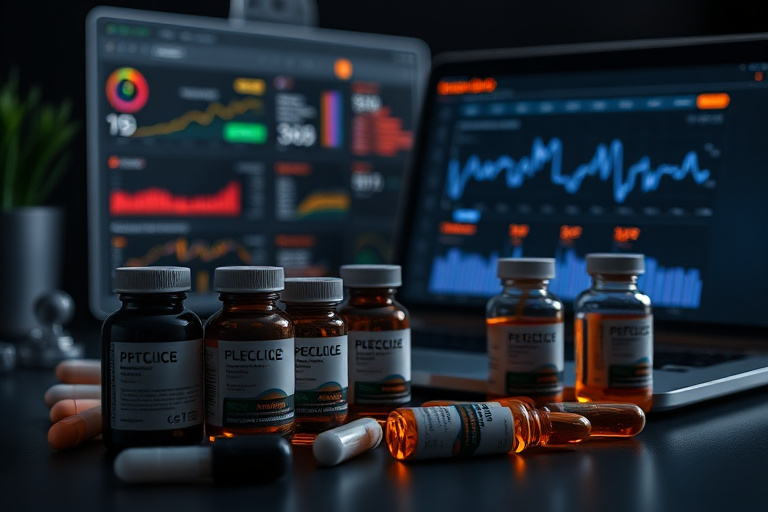
View data table
| Category | Evidence and Efficacy Score | Detail |
|---|---|---|
| Cold Exposure | 72 | Metabolic activation |
| Red Light | 65 | Mitochondrial support |
| CGM Tracking | 82 | Glucose optimization |
| Peptide Stacks | 70 | Targeted protocols |
| Nootropics | 55 | Cognitive enhancement |
Dietary Foundation
Food is the single most powerful lever you have. An anti-inflammatory diet emphasizes whole foods, healthy fats, and plant diversity while eliminating common triggers.
Foods to prioritize: Wild-caught fatty fish (salmon, sardines, mackerel), leafy greens, berries, cruciferous vegetables, extra virgin olive oil, nuts and seeds, turmeric, ginger, and green tea. These foods provide omega-3 fatty acids, polyphenols, and fiber that actively reduce inflammatory signaling.
Foods to eliminate or minimize: Refined sugar, seed oils (soybean, corn, canola, sunflower), processed meats, trans fats, excessive alcohol, and refined grains. These foods increase omega-6 to omega-3 ratios and activate NF-kB, a master inflammatory switch inside your cells.
Targeted Supplementation
Supplements fill gaps that even the best diet may leave. The most evidence-backed anti-inflammatory supplements include:
- Omega-3 fatty acids: 2 to 4 grams of combined EPA and DHA daily. EPA is particularly potent for reducing inflammatory markers.
- Curcumin: 500 to 1,000 mg daily of a bioavailable form (look for piperine or liposomal delivery). Curcumin inhibits NF-kB and COX-2, two major inflammatory pathways.
- Vitamin D3: 5,000 IU daily (adjust based on blood levels). Vitamin D modulates immune function and deficiency is strongly associated with improved inflammation.
- Magnesium: 400 mg daily. Low magnesium is linked to higher CRP and IL-6 levels.
- SPMs (Specialized Pro-resolving Mediators): These omega-3 metabolites actively resolve inflammation rather than just blocking it. They represent a newer frontier in anti-inflammatory supplementation.
Lifestyle Interventions
Movement, sleep, and stress management are non-negotiable components of any serious anti-inflammatory protocol.
Exercise: Regular moderate exercise reduces circulating inflammatory markers. Aim for 150 minutes of moderate activity or 75 minutes of vigorous activity per week, plus two resistance training sessions. Overtraining, however, can increase inflammation, so recovery matters.
Sleep: Seven to nine hours of quality sleep per night. Poor sleep independently drives inflammation. Prioritize consistent sleep and wake times, cool bedroom temperature, and minimal screen exposure before bed.
Stress management: Chronic psychological stress improves cortisol and inflammatory cytokines. Evidence-based strategies include meditation, breathwork (especially slow-paced breathing at 5 to 6 breaths per minute), time in nature, and social connection.
Getting Started: Your 30-Day Anti-Inflammatory Reset
Here is a practical framework to begin reducing chronic inflammation within the first month:
From the FormBlends catalog
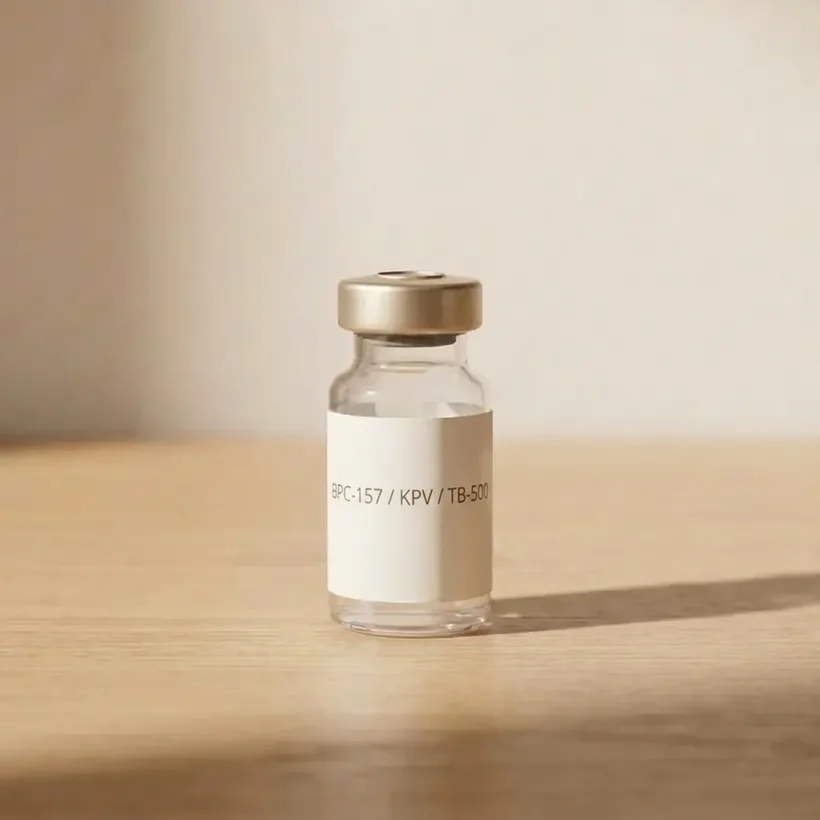
BPC-157 / KPV / TB-500 Blend
Three-pathway recovery support in one peptide blend · From $279/mo · compounded by a licensed 503A pharmacy, dispensed only after provider review.
View BPC-157 / KPV / TB-500 Blend →Week 1: Eliminate the top three inflammatory triggers from your diet: added sugar, seed oils, and alcohol. Replace cooking oils with extra virgin olive oil, avocado oil, or ghee. Start taking omega-3 supplements (2 grams daily) and magnesium (400 mg before bed).
Week 2: Add anti-inflammatory foods at every meal. Include at least two servings of fatty fish per week, a daily serving of berries, and cruciferous vegetables three to four times per week. Begin a simple walking routine of 30 minutes daily.
Week 3: Introduce curcumin supplementation and improve your sleep routine. Set a consistent bedtime, reduce screen time after 8 PM, and keep your bedroom below 68 degrees Fahrenheit.
Week 4: Add a stress management practice. Start with 10 minutes of guided meditation or breathwork daily. Get blood work done to establish post-protocol baseline markers. telehealth consultation
Expected Benefits and Timeline
Most patients experience noticeable changes within the first two to four weeks of following an anti-inflammatory protocol:
- Week 1 to 2: Reduced bloating, improved digestion, more stable energy throughout the day.
- Week 2 to 4: Better sleep quality, less joint stiffness, improved mental clarity.
- Month 1 to 3: Measurable reduction in inflammatory markers (hs-CRP, IL-6) on blood work. Improved fasting glucose and insulin sensitivity. Many patients notice clearer skin and reduced allergy symptoms.
- Month 3 to 6: Sustained improvements in body composition, particularly reduction in visceral fat. Lower blood pressure and improved lipid profiles. Greater resilience to stress.
Patients using GLP-1 medications for weight loss often see enhanced results when combining their treatment with anti-inflammatory protocols, as reducing inflammation improves insulin sensitivity and metabolic function GLP-1 weight loss.
Safety Considerations
Anti-inflammatory protocols are generally very safe, but a few points are worth noting:
- Curcumin and blood thinners: Curcumin has mild anticoagulant properties. If you take warfarin, aspirin, or other blood-thinning medications, consult your doctor before adding curcumin.
- High-dose omega-3s: Doses above 3 grams daily may increase bleeding risk in susceptible individuals. Work with a physician to find your optimal dose.
- Elimination diets: Removing entire food groups for extended periods can lead to nutrient deficiencies. Our protocols are designed to be nutritionally complete, not restrictive.
- Underlying conditions: Autoimmune diseases, active infections, and certain cancers involve complex inflammatory dynamics. These require physician-supervised approaches rather than self-directed protocols.
Frequently Asked Questions
How do I know if I have chronic inflammation?
The most reliable method is blood testing. Key markers include high-sensitivity C-reactive protein (hs-CRP), erythrocyte sedimentation rate (ESR), fasting insulin, and homocysteine. Common symptoms of chronic inflammation include persistent fatigue, brain fog, joint pain, digestive issues, and stubborn weight gain, especially around the midsection.
Can anti-inflammatory protocols help with weight loss?
Yes. Chronic inflammation directly contributes to insulin resistance and leptin resistance, both of which make it harder to lose weight and easier to gain it. Reducing inflammation improves your body's ability to regulate blood sugar and appetite, which supports sustainable fat loss weight loss programs.
How long do I need to follow an anti-inflammatory protocol?
The initial reset takes about 30 days. After that, the goal is to maintain anti-inflammatory habits as a permanent lifestyle rather than a temporary diet. Most of our patients find that once they feel the difference, they don't want to go back to their previous habits.
Do I need a doctor to start an anti-inflammatory protocol?
Basic dietary and lifestyle changes are safe for most people to start on their own. But if you're on medications, have an autoimmune condition, or want to incorporate advanced therapies like peptides or GLP-1 medications, physician supervision is recommended. Our telehealth platform makes this accessible from home. get started
Take Control of Inflammation Today
Chronic inflammation doesn't have to be your default state. With the right combination of nutrition, supplementation, and lifestyle changes, you can measurably reduce inflammation and improve your health trajectory. At FormBlends, our physician-supervised programs integrate anti-inflammatory strategies with proven weight loss and wellness therapies. Let us help you build a protocol that fits your life. get started
Ready when you are
BPC-157 / KPV / TB-500 Blend
Three-pathway recovery support in one peptide blend · From $279/mo · compounded by a licensed 503A pharmacy, dispensed only after provider review.
View BPC-157 / KPV / TB-500 Blend →