Key Takeaway
The science behind anti-inflammatory protocols explained clearly. Learn about NF-kB signaling, cytokine cascades, resolution pathways, and how evidence-based interventions target each mechanism.
The science behind anti-inflammatory protocols rests on understanding how your immune system shifts from protective acute inflammation into destructive chronic inflammation, and then using targeted interventions to reverse that shift. At the molecular level, this involves regulating NF-kB signaling, balancing pro-inflammatory and anti-inflammatory cytokines, supporting resolution pathways, and repairing the gut barrier. Here is how our team at FormBlends translates this research into practical protocols.
The Science Behind Inflammation: Two Distinct Systems
Your body runs two very different inflammatory programs, and understanding the distinction is important to designing an effective protocol.
Acute Inflammation: The Fire Department
When you cut your finger or catch a cold, your innate immune system launches an immediate response. White blood cells flood the affected area. Blood vessels dilate to increase flow. Inflammatory mediators like prostaglandins and histamine create the classic signs: redness, swelling, heat, and pain. This process is tightly regulated and self-limiting. Within hours to days, the threat is neutralized, debris is cleared, and repair begins.
The resolution phase is just as active as the initiation phase. Your body produces specialized pro-resolving mediators (SPMs), including resolvins, protectins, and maresins, that actively signal immune cells to stop fighting and start cleaning up . This isn't passive. It requires energy, specific nutrients, and intact signaling pathways.
Chronic Inflammation: The Smoldering Fire
Chronic inflammation occurs when this resolution phase fails. Instead of shutting down after the threat is handled, the immune system stays activated at a low level indefinitely. The usual culprits are persistent triggers that never go away: excess visceral fat releasing adipokines, a leaky gut allowing bacterial endotoxins into the bloodstream, ongoing psychological stress driving cortisol dysregulation, and a diet that continuously activates inflammatory pathways.
The damage from chronic inflammation is cumulative and often invisible until it manifests as disease. It accelerates atherosclerosis, drives insulin resistance, promotes neurodegeneration, and creates a tissue environment favorable to cancer development.
How It Works: Key Molecular Pathways
The NF-kB Pathway
Nuclear factor kappa-B (NF-kB) is often called the master switch of inflammation. When activated, it moves into the cell nucleus and turns on genes that produce inflammatory cytokines, adhesion molecules, and enzymes like COX-2 and iNOS . In a healthy system, NF-kB activates briefly and then returns to its resting state. In chronic inflammation, it remains persistently active.
View data table
| Category | Evidence and Efficacy Score | Detail |
|---|---|---|
| Cold Exposure | 72 | Metabolic activation |
| Red Light | 65 | Mitochondrial support |
| CGM Tracking | 82 | Glucose optimization |
| Peptide Stacks | 70 | Targeted protocols |
| Nootropics | 55 | Cognitive enhancement |

Several anti-inflammatory interventions target NF-kB directly. Curcumin inhibits NF-kB activation by blocking IkB kinase, the enzyme that frees NF-kB to enter the nucleus . Omega-3 fatty acids reduce NF-kB activity through GPR120 receptor signaling. Even exercise modulates NF-kB through the release of anti-inflammatory myokines from contracting muscles.
The Cytokine Network
Cytokines are the signaling molecules of the immune system. Pro-inflammatory cytokines like TNF-alpha, IL-1 beta, and IL-6 amplify the inflammatory response. Anti-inflammatory cytokines like IL-10 and TGF-beta dampen it. In chronic inflammation, this balance tips heavily toward the pro-inflammatory side.
Interventions that restore cytokine balance include omega-3 fatty acids (which reduce TNF-alpha and IL-6 production), adequate sleep (which normalizes IL-6 circadian rhythm), and regular exercise (which stimulates IL-10 release) . Visceral fat loss is particularly powerful because adipose tissue is one of the largest sources of pro-inflammatory cytokines in obese individuals.
The Gut-Inflammation Axis
Your gut lining is a single cell layer thick in places. When this barrier is compromised, a condition informally known as "leaky gut," bacterial components like lipopolysaccharides (LPS) cross into the bloodstream. Your immune system recognizes LPS as a sign of infection and mounts an inflammatory response. This is called metabolic endotoxemia, and it's a major driver of chronic systemic inflammation.
Restoring gut barrier integrity involves removing irritants (alcohol, NSAIDs, emulsifiers in processed food), feeding beneficial bacteria with prebiotic fiber, and supporting the mucosal lining with nutrients like L-glutamine, zinc carnosine, and butyrate (from fermented foods or supplements).
The Omega-6 to Omega-3 Ratio
Both omega-6 and omega-3 fatty acids are important, meaning your body can't make them. The problem is ratio. Ancestral diets provided a ratio of roughly 1:1 to 4:1 omega-6 to omega-3. The modern Western diet delivers ratios of 15:1 to 25:1, heavily skewed toward omega-6 . This matters because omega-6 fatty acids (particularly arachidonic acid) are precursors to pro-inflammatory eicosanoids, while omega-3s are precursors to anti-inflammatory and pro-resolving mediators.
Correcting this ratio through diet (reducing seed oil consumption, increasing fatty fish intake) and supplementation (EPA-dominant omega-3s) is one of the most impactful changes in any anti-inflammatory protocol.
Getting Started: Applying the Science
Understanding these pathways transforms an anti-inflammatory protocol from a list of "eat this, not that" into a targeted strategy. Here is how to apply the science:
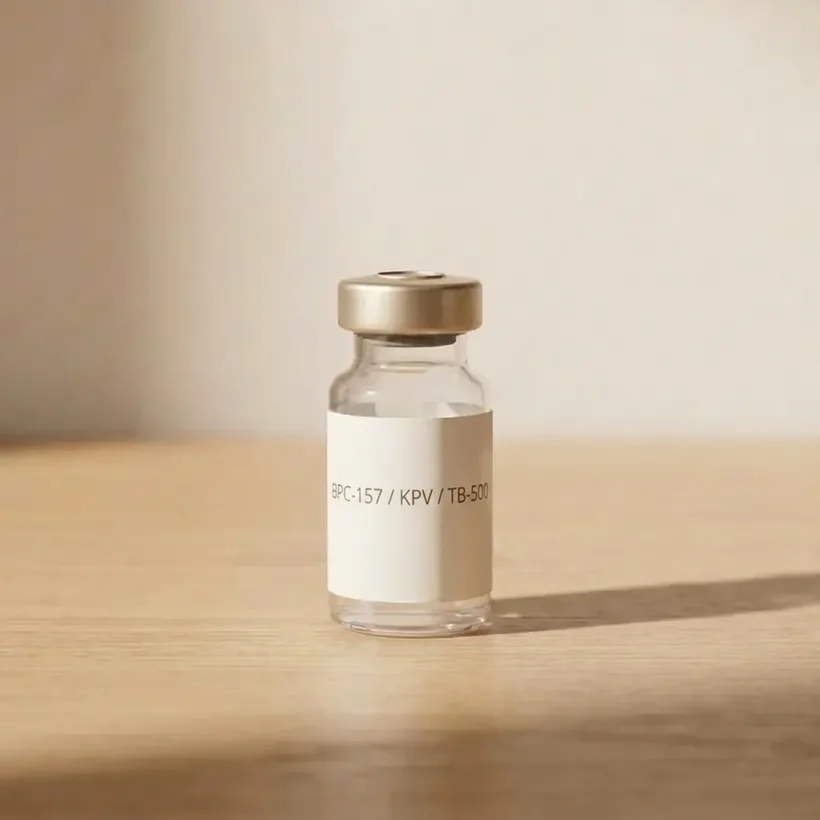
From the FormBlends catalog
BPC-157 / KPV / TB-500 Blend
Three-pathway recovery support in one peptide blend · From $279/mo · compounded by a licensed 503A pharmacy, dispensed only after provider review.
View BPC-157 / KPV / TB-500 Blend →- Block NF-kB activation: Take curcumin (500 to 1,000 mg liposomal form daily) and omega-3s (2 to 3 grams EPA/DHA daily). Reduce intake of NF-kB activators like refined sugar, trans fats, and excess alcohol.
- Rebalance your cytokine profile: Prioritize sleep (7 to 9 hours), moderate exercise (150 minutes weekly), and stress reduction. Lose visceral fat through a combination of dietary changes and, when appropriate, physician-supervised treatments like GLP-1 medications GLP-1 weight loss.
- Heal your gut barrier: Remove processed food emulsifiers and excess alcohol. Eat 30 or more different plant foods per week to diversify your microbiome. Consider L-glutamine (5 grams daily) and zinc carnosine (75 mg twice daily) for gut repair.
- Fix your fatty acid ratio: Eliminate seed oils from cooking and packaged foods. Eat fatty fish two to three times per week. Supplement with high-EPA omega-3s.
- Support resolution pathways: Ensure adequate omega-3 intake to provide raw materials for SPM production. Consider direct SPM supplementation for faster resolution of existing inflammation.
Baseline blood testing helps you understand which pathways are most affected in your body. Key markers: hs-CRP (general inflammation), fasting insulin (metabolic inflammation), homocysteine (methylation and cardiovascular inflammation), and omega-3 index (fatty acid balance). telehealth consultation
Expected Benefits and Timeline
When you target these pathways systematically, results follow a predictable pattern:
- Weeks 1 to 2: Reduced NF-kB activation from dietary changes leads to decreased bloating, improved digestion, and more stable energy as glucose-driven inflammatory spikes decrease.
- Weeks 3 to 6: Cytokine rebalancing produces improved sleep, reduced joint pain, clearer thinking, and better recovery from exercise.
- Months 2 to 3: Gut barrier repair reduces systemic endotoxin load. Blood markers show measurable improvement, typically a 30 to 60 percent reduction in hs-CRP.
- Months 3 to 6: Fatty acid ratio normalization and ongoing resolution pathway support lead to sustained improvements in cardiovascular markers, metabolic health, and body composition.
Safety Considerations
- Anti-inflammatory supplements aren't anti-immune. These interventions modulate inflammation, they don't suppress your immune system. You retain full immune function against infections and injuries.
- Autoimmune conditions require specialized guidance. If you have an autoimmune disease, your inflammatory pathways involve additional complexity. Work with a physician who can tailor the protocol to your specific condition.
- Some inflammation is necessary. Post-exercise inflammation drives adaptation and muscle growth. Avoid taking high-dose anti-inflammatory supplements immediately before or after intense training, as this may blunt the adaptive response.
- Monitor your markers. Objective data prevents both under-treating and over-treating inflammation. Regular blood work is the gold standard for tracking progress.
Frequently Asked Questions
Is chronic inflammation the same as an autoimmune disease?
No. Chronic low-grade inflammation is a general state of immune overactivation that can affect anyone. Autoimmune diseases involve the immune system specifically attacking the body's own tissues. Chronic inflammation can increase autoimmune risk, and autoimmune conditions involve inflammation, but they're distinct processes requiring different management strategies.
Can you measure inflammation at home?
Not precisely. Blood tests (hs-CRP, ESR, fasting insulin) are the most reliable measures and require a lab. But symptoms like persistent fatigue, brain fog, joint stiffness, digestive issues, and stubborn belly fat are strong indicators of chronic inflammation. Wearable devices that track heart rate variability (HRV) can also provide indirect clues, as low HRV correlates with higher systemic inflammation.
Why do some anti-inflammatory diets contradict each other?
Because individual responses vary. Some people thrive on a Mediterranean diet with moderate grains and legumes, while others do better on a lower-carb approach. The underlying science is consistent: reduce omega-6 excess, increase omega-3 intake, minimize processed food, and eat a diversity of plants. The specific implementation can and should be personalized based on your biology and preferences.
How does GLP-1 medication relate to inflammation?
GLP-1 receptor agonists have direct anti-inflammatory effects beyond their weight loss benefits. They reduce NF-kB signaling in multiple tissue types and lower circulating levels of TNF-alpha and IL-6 . This is one reason patients on GLP-1 therapy often experience improvements in conditions beyond obesity, including cardiovascular markers and joint pain. GLP-1 weight loss
Put the Science to Work
About the science is the first step. Applying it consistently is what creates change. At FormBlends, our physician-supervised protocols translate this research into personalized, actionable plans that fit your life. If you're starting from scratch or improving an existing regimen, we can help you target inflammation at its source. get started
Ready when you are
BPC-157 / KPV / TB-500 Blend
Three-pathway recovery support in one peptide blend · From $279/mo · compounded by a licensed 503A pharmacy, dispensed only after provider review.
View BPC-157 / KPV / TB-500 Blend →