Key Takeaway
The updated 2026 anti-inflammatory protocol featuring the latest research on inflammation reduction, including new supplement strategies, CGM-guided nutrition, and peptide therapies.
The 2026 anti-inflammatory protocol builds on established science while incorporating the newest research breakthroughs in inflammation management. This year's protocol integrates continuous glucose monitoring for personalized nutrition, specialized pro-resolving mediators (SPMs), targeted peptide therapies, and time-restricted eating patterns calibrated to individual inflammatory rhythms. At FormBlends, we have refined this protocol based on real patient outcomes and the latest clinical data.
The Science Behind the 2026 Protocol Updates
Research published in the last 18 months has shifted how we think about inflammation management. Three major developments inform our updated approach:.
1. Personalized glycemic response: We now know that blood sugar spikes are a major driver of acute and chronic inflammation. But the foods that spike your glucose aren't the same as someone else's. Studies using continuous glucose monitors (CGMs) have confirmed that individual glycemic responses to identical foods vary dramatically based on gut microbiome composition, sleep, stress, and genetics . The 2026 protocol uses CGM data to build a truly personalized anti-inflammatory nutrition plan.
2. Resolution pharmacology: Traditional anti-inflammatory approaches focused on blocking inflammation. The newer science focuses on actively resolving it. Specialized pro-resolving mediators, which are metabolites of omega-3 fatty acids, actively signal the immune system to stand down after an inflammatory event . This represents a fundamental shift in strategy.
3. Peptide therapies: Certain peptides like BPC-157 and thymosin alpha-1 have demonstrated powerful anti-inflammatory and tissue-healing properties in clinical settings . These are now available through physician-supervised protocols and represent a significant upgrade over supplement-only approaches.
How the 2026 Protocol Works
Phase 1: Assessment and Baseline (Week 1)
Before changing anything, we establish your personal inflammation profile:
View data table
| Category | Evidence and Efficacy Score | Detail |
|---|---|---|
| Cold Exposure | 72 | Metabolic activation |
| Red Light | 65 | Mitochondrial support |
| CGM Tracking | 82 | Glucose optimization |
| Peptide Stacks | 70 | Targeted protocols |
| Nootropics | 55 | Cognitive enhancement |
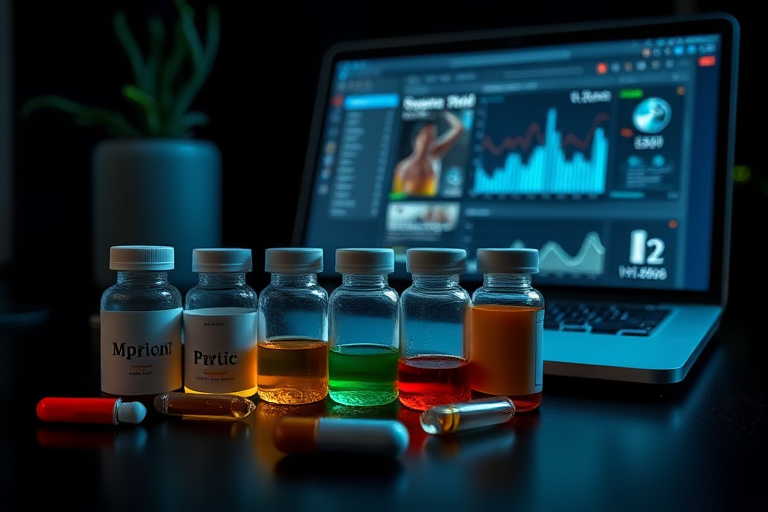
- thorough blood panel including hs-CRP, IL-6, TNF-alpha, fasting insulin, HbA1c, and a complete metabolic panel
- CGM placement to capture 14 days of glucose data
- Gut microbiome analysis via stool testing
- Body composition scan (DEXA or bioimpedance) to assess visceral fat
- Sleep quality assessment using wearable data
This data-first approach allows us to target interventions precisely rather than using a one-size-fits-all plan. telehealth consultation
Phase 2: Elimination and Foundation (Weeks 2 to 4)
Using your CGM data and blood work, we identify and remove your personal inflammatory triggers. For most patients, this includes:
- Foods that cause glucose spikes above 140 mg/dL (identified via CGM)
- Refined seed oils, added sugars, and ultra-processed foods
- Any identified food sensitivities from gut testing
Simultaneously, we introduce foundational anti-inflammatory support:
- High-potency omega-3s: 3 grams combined EPA/DHA with emphasis on EPA (minimum 2 grams EPA)
- SPMs: 1 to 2 grams daily to actively resolve existing inflammation
- Curcumin (liposomal): 1,000 mg daily
- Magnesium bisglycinate: 400 mg nightly
- Vitamin D3: dosed to achieve blood levels of 60 to 80 ng/mL
Phase 3: Improvement (Weeks 5 to 8)
Based on your response to Phase 2, we layer in advanced interventions:
Time-restricted eating: We dial in your eating window based on CGM patterns. Most patients do best with a 10-hour eating window that starts within two hours of waking. This aligns food intake with your circadian rhythm and reduces overnight inflammatory signaling.
Peptide therapy: For patients with improved inflammatory markers or specific tissue concerns, we may introduce BPC-157, thymosin alpha-1, or other physician-prescribed peptides. These are administered under direct medical supervision and monitored through regular check-ins . peptide therapy.
Cold exposure: Structured cold exposure (cold showers or cold plunge) at 50 to 59 degrees Fahrenheit for 2 to 5 minutes, three to four times per week. Cold exposure activates brown adipose tissue and triggers an anti-inflammatory norepinephrine response.
Phase 4: Maintenance and Monitoring (Ongoing)
After eight weeks, we retest all baseline markers and adjust the protocol based on results. Maintenance involves continuing effective interventions, periodic CGM check-ins, and quarterly blood work. The goal is sustainable habits that keep inflammation low long-term.
Getting Started with the 2026 Protocol
The fastest way to begin is through our telehealth platform. Here is the process:
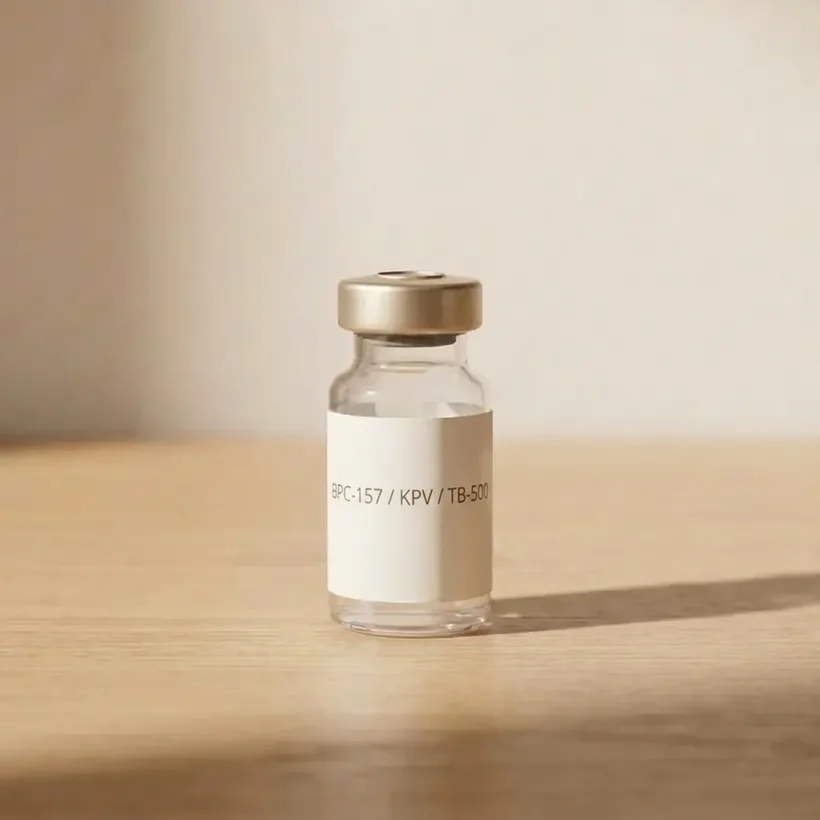
From the FormBlends catalog
BPC-157 / KPV / TB-500 Blend
Three-pathway recovery support in one peptide blend · From $279/mo · compounded by a licensed 503A pharmacy, dispensed only after provider review.
View BPC-157 / KPV / TB-500 Blend →- Schedule an initial consultation with one of our physicians
- Complete your baseline assessment (blood work, CGM, and health history)
- Receive your personalized 2026 anti-inflammatory protocol within 48 hours
- Follow the phased implementation with ongoing physician support
- Retest at 8 weeks and adjust based on data
If you're already following a basic anti-inflammatory diet, the 2026 protocol adds the precision and advanced interventions that take results further. get started
Expected Benefits and Timeline
Patients following the full 2026 protocol typically see the following progression:
- Week 1 to 2: Reduced bloating and improved digestion as trigger foods are removed. More stable energy as glucose spikes are eliminated.
- Week 3 to 4: Improved sleep quality and morning alertness. Reduced joint stiffness and muscle soreness. Initial weight loss from reduced water retention and improved metabolic signaling.
- Month 2: Measurable drops in hs-CRP (average 40 to 60 percent reduction in our patient population). Improved fasting insulin levels. Better mood and cognitive function.
- Month 3 to 6: Continued improvements in body composition with preferential visceral fat loss. Normalized inflammatory markers. Many patients report feeling five to ten years younger for energy and recovery capacity.
Safety Considerations
The 2026 protocol is designed with safety as a priority:
- Physician oversight: All peptide therapies and advanced interventions are prescribed and monitored by licensed physicians through our telehealth platform.
- Gradual implementation: The phased approach prevents overwhelming your system and allows early detection of any adverse reactions.
- Medication interactions: Our physicians review all current medications before designing your protocol. Curcumin, omega-3s, and peptides can interact with certain drugs including blood thinners and immunosuppressants.
- Cold exposure precautions: Patients with cardiovascular conditions, uncontrolled hypertension, or Raynaud's disease shouldn't begin cold exposure without medical clearance.
- CGM considerations: Adhesive sensitivities are possible. We offer guidance on hypoallergenic options for sensitive skin.
Frequently Asked Questions
What makes the 2026 protocol different from standard anti-inflammatory diets?
Precision and personalization. Standard protocols use generic food lists. The 2026 protocol uses your CGM data, blood work, and gut analysis to build a plan specific to your biology. It also incorporates advanced interventions like peptide therapies and SPMs that were not widely available in previous years.
Do I need all the testing, or can I just follow the diet?
You can absolutely start with the dietary changes and basic supplements on your own. The testing amplifies results by removing guesswork. Patients who complete the full assessment typically see faster and more significant improvements in their inflammatory markers.
Can I combine this protocol with GLP-1 medications?
Yes. In fact, we often recommend it. GLP-1 medications already have anti-inflammatory properties, and combining them with a structured anti-inflammatory protocol creates a compounding effect. Patients on GLP-1s who follow this protocol tend to see better metabolic outcomes and fewer side effects GLP-1 weight loss.
How much does the full 2026 protocol cost?
Costs vary depending on which interventions you include. Basic supplementation runs $100 to $200 per month. Adding CGM monitoring and peptide therapy increases the investment. Our team can outline a plan that fits your budget during your initial consultation Contact provider for current pricing.
Start Your 2026 Anti-Inflammatory Protocol
Chronic inflammation is measurable, manageable, and reversible. The 2026 protocol gives you the most advanced tools available, guided by a physician who understands your unique biology. At FormBlends, we're ready to help you build a plan that delivers real, trackable results. get started
Ready when you are
BPC-157 / KPV / TB-500 Blend
Three-pathway recovery support in one peptide blend · From $279/mo · compounded by a licensed 503A pharmacy, dispensed only after provider review.
View BPC-157 / KPV / TB-500 Blend →