Key Takeaway
Complete guide to anti-aging peptide protocols. Evidence-based review of BPC-157, GHK-Cu, CJC-1295/Ipamorelin, thymosin alpha-1, and other peptides used in longevity medicine.
Quick Answer: Anti-aging peptide protocols use targeted signaling molecules to address specific mechanisms of biological aging: declining growth hormone output, impaired tissue repair, increased inflammation, immune senescence, and collagen degradation. The most evidence-backed anti-aging peptides include CJC-1295/ipamorelin (growth hormone improvement), BPC-157 (tissue repair and gut health), GHK-Cu (skin and tissue regeneration), thymosin alpha-1 (immune function), and epithalon (telomere support). All require physician supervision for safe, effective use.
The Science of Peptides and Aging
What Peptides Are
Peptides are short chains of amino acids, typically between 2 and 50 amino acids in length. They're smaller than proteins and function as signaling molecules in the body, binding to specific receptors and triggering targeted biological responses. Your body produces thousands of endogenous peptides that regulate everything from growth hormone release to immune function to wound healing.
The decline of many endogenous peptides with age isn't coincidental. It's mechanistically linked to the hallmarks of aging identified by Lopez-Otin et al. in their landmark 2013 Cell paper (updated in 2023): genomic instability, telomere attrition, epigenetic alterations, loss of proteostasis, deregulated nutrient sensing, mitochondrial dysfunction, cellular senescence, stem cell exhaustion, and altered intercellular communication. Anti-aging peptide protocols aim to restore signaling that declines with age, addressing specific hallmarks through targeted intervention.
Why Peptides Are Different From Hormones
Peptide therapy isn't hormone replacement. Hormones like testosterone or thyroid hormone provide direct replacement of a deficient substance. Peptides, in most cases, stimulate your body's own production or repair pathways. For example, CJC-1295/ipamorelin doesn't inject growth hormone into your body. It signals your pituitary gland to produce and release growth hormone in a more youthful, pulsatile pattern. This distinction matters because it means peptides generally work with your existing biology rather than overriding it.
The Hallmarks of Aging That Peptides Address
Growth hormone decline. GH secretion decreases approximately 14% per decade after age 30, a process called somatopause. This contributes to loss of lean mass, increased adiposity, reduced bone density, impaired sleep quality, and slower recovery. GH secretagogue peptides restore more youthful GH output without the risks of exogenous GH administration.
Chronic inflammation (inflammaging). Aging is associated with a progressive increase in baseline inflammation driven by senescent cells, gut permeability, and immune dysregulation. Peptides like BPC-157 and thymosin alpha-1 modulate inflammatory pathways and support immune homeostasis.
Collagen degradation. Collagen production declines approximately 1% per year after age 20. This affects skin elasticity, joint integrity, vascular health, and connective tissue resilience. GHK-Cu stimulates collagen synthesis and remodeling.
Telomere attrition. Telomeres shorten with each cell division, eventually triggering cellular senescence. Epithalon (epitalon) is a synthetic tetrapeptide that activates telomerase, the enzyme responsible for telomere maintenance. Evidence is primarily from animal studies and limited human data, so this remains experimental.
Immune senescence. The thymus gland, responsible for T-cell maturation, involutes with age. This reduces immune surveillance, increases susceptibility to infections, and impairs the clearance of senescent cells. Thymosin alpha-1 supports thymic function and T-cell activity.
Protocol: The Core Anti-Aging Peptide Stack
Tier 1: Established Evidence
CJC-1295 / Ipamorelin (GH Improvement)
View data table
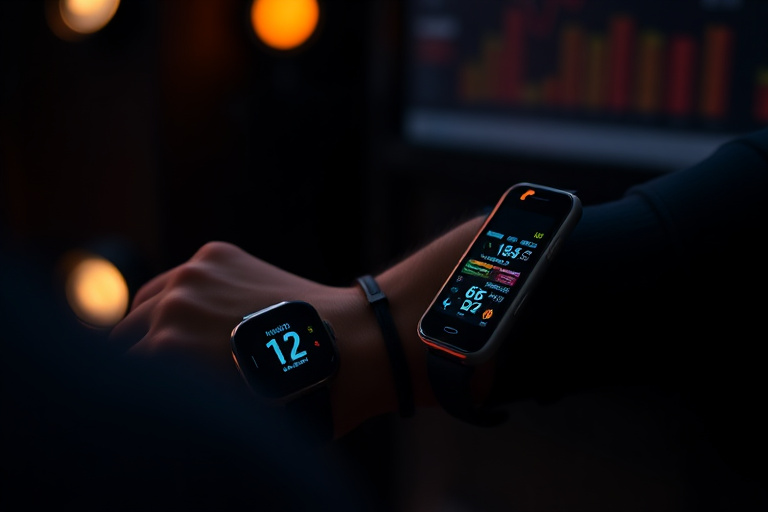
| Category | Evidence and Efficacy Score | Detail |
|---|---|---|
| Cold Exposure | 72 | Metabolic activation |
| Red Light | 65 | Mitochondrial support |
| CGM Tracking | 82 | Glucose optimization |
| Peptide Stacks | 70 | Targeted protocols |
| Nootropics | 55 | Cognitive enhancement |
- Mechanism: CJC-1295 is a growth hormone-releasing hormone (GHRH) analog that stimulates GH release from the pituitary. Ipamorelin is a ghrelin mimetic that acts on growth hormone secretagogue receptors (GHS-R). Together, they produce combined, pulsatile GH release that mimics youthful patterns.
- Evidence: Clinical studies show CJC-1295 increases IGF-1 levels by 65-100% with sustained effects over 7-10 days per injection. Ipamorelin selectively stimulates GH without significantly affecting cortisol or prolactin, unlike older GH secretagogues.
- Benefits for aging: Improved body composition (reduced fat, preserved lean mass), enhanced sleep quality (particularly deep sleep), faster recovery from exercise, improved skin thickness and elasticity
- Typical protocol: Subcutaneous injection, typically at bedtime to align with natural GH pulsatility. Specific dosing is determined by your physician based on IGF-1 levels and clinical response.
- Evidence level: Strong. Human clinical trial data available.
BPC-157 (Tissue Repair and Gut Health)
- Mechanism: Body Protection Compound-157 is a pentadecapeptide derived from human gastric juice. It promotes angiogenesis (new blood vessel formation), upregulates growth factor receptors, modulates nitric oxide pathways, and supports gut mucosal integrity.
- Evidence: Extensive preclinical data (over 100 published studies) demonstrating accelerated healing of tendons, ligaments, muscle, gut, and bone in animal models. Human clinical data is limited but expanding.
- Benefits for aging: Gut barrier support (addressing the leaky gut that drives inflammaging), accelerated injury recovery, reduced systemic inflammation, neuroprotective effects demonstrated in animal models
- Typical protocol: Subcutaneous or oral administration. Cycling protocols (typically 4-8 weeks on, 2-4 weeks off) are common.
- Evidence level: Strong preclinical. Emerging human data. Widely used in clinical practice.
Thymosin Alpha-1 (Immune Improvement)
- Mechanism: A 28-amino-acid peptide naturally produced by the thymus gland. Enhances dendritic cell maturation, T-cell differentiation (both CD4+ and CD8+), and natural killer cell activity. Modulates rather than simply stimulates the immune system.
- Evidence: FDA-orphan drug status. Approved in over 35 countries for hepatitis B and C treatment. Human clinical trials demonstrate improved immune response in immunocompromised patients and enhanced vaccine efficacy.
- Benefits for aging: Addresses thymic involution and immune senescence, supports clearance of senescent cells, improves response to vaccines (which declines with age), balances Th1/Th2 immune response
- Typical protocol: Subcutaneous injection, typically 2-3 times per week.
- Evidence level: Strong. Approved pharmaceutical in multiple countries with extensive human data.
Tier 2: Promising Evidence
GHK-Cu (Skin and Tissue Regeneration)
- Mechanism: A naturally occurring tripeptide that binds copper ions. GHK-Cu activates collagen and elastin synthesis, promotes glycosaminoglycan production, stimulates wound healing, and has demonstrated the ability to reset gene expression of over 4,000 genes toward a more youthful pattern in gene array studies.
- Evidence: Topical application studies show improved skin thickness, elasticity, and wrinkle reduction. Systemic effects studied in vitro and animal models demonstrate anti-inflammatory, antioxidant, and tissue remodeling properties.
- Benefits for aging: Collagen restoration, improved skin quality, wound healing support, potential systemic anti-aging effects through gene expression modulation
- Typical use: Both topical (for skin) and subcutaneous injection (for systemic effects). Topical GHK-Cu has the strongest human evidence.
- Evidence level: Moderate. Strong in vitro data, good topical human data, limited systemic human data.
MOTS-c (Mitochondrial and Metabolic Support)
- Mechanism: A mitochondrial-derived peptide that activates AMPK, improves insulin sensitivity, and enhances mitochondrial function. MOTS-c levels decline significantly with age.
- Evidence: Published research in Cell Metabolism demonstrates improved exercise capacity, insulin sensitivity, and metabolic function in animal models. Human studies are ongoing.
- Benefits for aging: Addresses mitochondrial dysfunction (a core hallmark of aging), improves metabolic flexibility, supports cellular energy production
- Evidence level: Moderate. Strong mechanistic rationale and animal data. Limited human data.
Tier 3: Experimental
Epithalon (Telomere Support)
- Mechanism: A synthetic version of epithalamin, a peptide produced by the pineal gland. Activates telomerase, the enzyme that maintains telomere length. Also supports melatonin production and circadian rhythm regulation.
- Evidence: Animal studies by Vladimir Khavinson's group showed increased lifespan in mice and rats. Limited human studies suggest improved telomerase activity and some biomarker improvements. The evidence base is thinner than other peptides listed here.
- Benefits for aging: Potential telomere maintenance, circadian rhythm support, melatonin production
- Evidence level: Experimental. Interesting animal data but insufficient human evidence to make strong claims.
What to Monitor
- Before starting: Baseline IGF-1, thorough metabolic panel, CBC with differential, inflammatory markers (hsCRP, IL-6 if available), thyroid panel, sex hormones, fasting insulin and glucose
- Every 8-12 weeks on protocol: IGF-1 (primary marker for GH secretagogue response, target the upper third of the age-adjusted reference range, not supraphysiological), fasting glucose and insulin (to ensure GH improvement isn't worsening insulin sensitivity), hsCRP
- Every 6 months: Full blood panel, body composition via DEXA, subjective assessments (sleep quality, recovery, skin quality, energy)
- Symptom tracking: Sleep quality and architecture (if using a wearable), joint comfort and recovery time, skin changes, cognitive clarity, exercise performance and recovery
Safety Considerations
- Physician supervision is required. Peptides are biologically active molecules that interact with complex signaling networks. Self-administering peptides purchased from unregulated sources carries risks including contamination, misdosing, and adverse interactions with existing medications or conditions.
- IGF-1 monitoring with GH secretagogues. Chronically improved IGF-1 (supraphysiological levels) is associated with increased cancer risk in epidemiological studies. The goal is improvement within the healthy range, not maximization. Regular monitoring is important.
- GH and glucose metabolism. Growth hormone is a counter-regulatory hormone that can worsen insulin sensitivity at high levels. If you have insulin resistance or prediabetes, GH improvement must be carefully balanced with metabolic monitoring.
- Source quality. Peptide purity varies dramatically between suppliers. Compounding pharmacies regulated by state boards of pharmacy or FDA-registered facilities provide a level of quality assurance that research chemical suppliers don't. Your physician should prescribe from reputable sources.
- Peptides aren't a substitute for foundations. No peptide compensates for poor sleep, sedentary behavior, chronic stress, or inadequate nutrition. Peptide protocols produce the best results when layered onto a solid foundation of lifestyle improvement.
- Cancer history. Patients with active cancer or a recent history of cancer should exercise extreme caution with GH secretagogues and any peptide that promotes cellular proliferation. Discuss your full history with your prescribing physician.
Frequently Asked Questions
Are anti-aging peptides the same as HGH?
No. Exogenous human growth hormone (HGH) replaces your body's own production, which can suppress natural pulsatile release through negative feedback. GH secretagogue peptides like CJC-1295/ipamorelin stimulate your pituitary to produce and release GH in its natural pulsatile pattern. This approach maintains feedback regulation and is associated with a better safety profile than exogenous HGH.
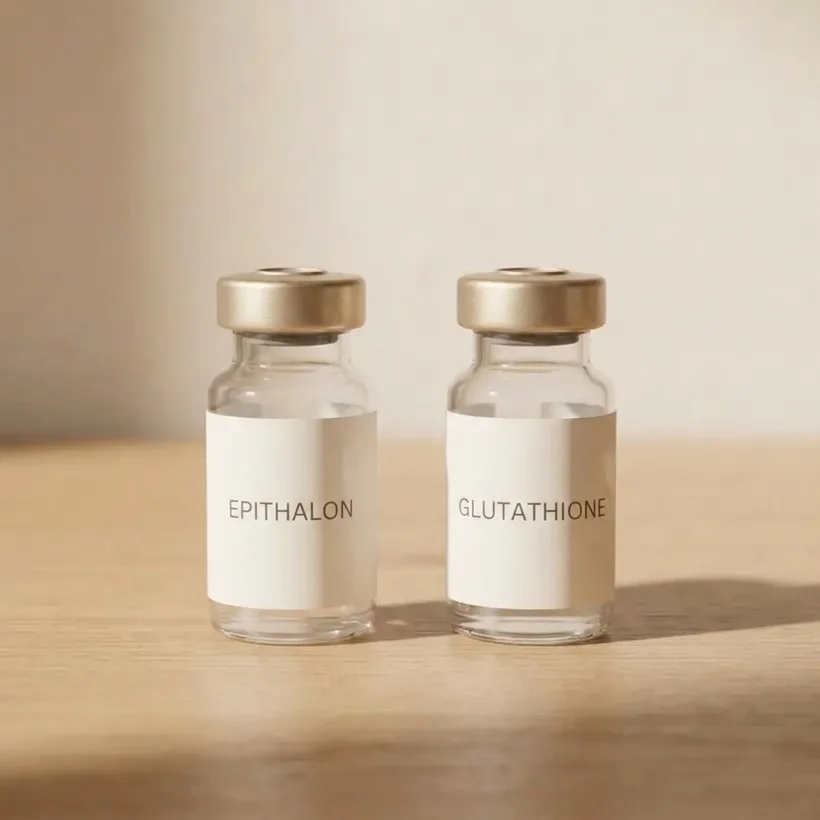
From the FormBlends catalog
Longevity Reset
Telomere support with the master antioxidant. · Bundle from $270 · provider-reviewed peptide bundle.
View Longevity Reset →How long before I see results from an anti-aging peptide protocol?
Timeline varies by peptide and endpoint. Sleep quality improvements from GH secretagogues are often reported within 1-2 weeks. Body composition changes typically require 8-12 weeks. Skin improvements from GHK-Cu (topical) appear within 4-8 weeks. Immune markers from thymosin alpha-1 shift within 4-6 weeks. Meaningful anti-aging outcomes are measured in months and years, not days.
Can I take multiple peptides at the same time?
Yes, and most anti-aging protocols involve stacking complementary peptides that address different aging mechanisms. For example, CJC-1295/ipamorelin for GH improvement, BPC-157 for tissue repair, and thymosin alpha-1 for immune support target non-overlapping pathways. But stacking should be designed by a physician who can monitor for interactions and adjust based on your lab results.
Are anti-aging peptides FDA-approved?
Most peptides used in longevity medicine aren't FDA-approved for anti-aging indications. Thymosin alpha-1 has FDA orphan drug status and is approved in over 35 countries. Other peptides are used off-label or prescribed through compounding pharmacies. This doesn't mean they lack evidence, but it does mean you should work with a physician who understands the evidence base and can provide proper oversight.
What is the difference between anti-aging peptides and supplements?
Peptides are signaling molecules that bind to specific receptors and trigger defined biological responses. Supplements (vitamins, minerals, botanical extracts) generally provide substrates or cofactors for existing metabolic processes. Peptides are more targeted and potent, which is why they require physician supervision. A supplement might provide the raw materials for collagen production. GHK-Cu directly activates the genes responsible for collagen synthesis. The mechanisms and magnitude of effect are fundamentally different.
Start Your Anti-Aging Peptide Protocol
Aging is a biological process driven by identifiable mechanisms. Peptide therapy gives you tools to address those mechanisms directly. At FormBlends, our physician-supervised telehealth platform designs anti-aging peptide protocols based on your labs, your health history, and your goals. Every protocol includes ongoing monitoring to ensure safety and efficacy.
Begin your consultation at FormBlends.com and take a science-first approach to longevity.
See your options in about 2 minutes
Take the free quiz and see what fits you. Quick, private, and no commitment to continue.
See my options →