Key Takeaway
Step-by-step guide to starting gut health peptides. Learn what to expect from your first consultation, how to prepare, and how to begin a physician-supervised peptide protocol.
If you want to know how to start gut health peptides, the first step is a consultation with a qualified physician who can evaluate your symptoms, review your medical history, and design a personalized protocol. At FormBlends, we make this process simple through our telehealth platform, where you can connect with a physician from home and have your peptides shipped directly to you.
Starting a new therapy can feel overwhelming, especially when it involves peptides you may not have heard of before. This guide walks you through exactly what to expect, how to prepare, and what the first weeks look like.
The Science Behind Gut Health Peptides
Before jumping into how to start, it helps to understand what you're starting and why it works. Gut health peptides are short amino acid chains that your body can use to repair and protect the digestive tract. They aren't random supplements. They're bioactive molecules with specific mechanisms of action.
The two most commonly used gut health peptides are BPC-157 and KPV. BPC-157 was originally discovered in human gastric juice and has been shown in research to accelerate healing of the gut lining, promote blood vessel growth in damaged tissue, and modulate the inflammatory response.
KPV is a small anti-inflammatory peptide that targets immune cells in the gut. It suppresses the inflammatory pathway (specifically NF-kB) that drives much of the damage in conditions like irritable bowel syndrome and inflammatory bowel disease.
Understanding these basics helps you have a more productive conversation with your physician and set realistic expectations for your protocol.
How It Works: Your Step-by-Step Start
Step 1[1]: Gather Your Health Information
Before your consultation, pull together the following:
View data table
| Category | Evidence and Efficacy Score | Detail |
|---|---|---|
| Cold Exposure | 72 | Metabolic activation |
| Red Light | 65 | Mitochondrial support |
| CGM Tracking | 82 | Glucose optimization |
| Peptide Stacks | 70 | Targeted protocols |
| Nootropics | 55 | Cognitive enhancement |
- A list of your current symptoms and how long you have had them
- All medications and supplements you're taking
- Any previous diagnoses related to your gut (IBS, SIBO, IBD, celiac, etc.)
- Recent lab results if you have them (not required, but helpful)
- A brief food diary or notes on which foods seem to cause issues
Step 2: Schedule Your Telehealth Consultation
Book a consultation with a FormBlends physician. The appointment typically takes 20 to 30 minutes. Your physician will review your health information, ask targeted questions about your digestive history, and discuss whether peptide therapy is appropriate for you.
Step 3: Receive Your Personalized Protocol
If peptides are right for you, your physician will design a protocol specifying:
- Which peptides to use (BPC-157, KPV, or both)
- The administration route (oral capsules, subcutaneous injection, or a combination)
- Dosing schedule and duration
- Any supportive measures (dietary adjustments, additional supplements)
Step 4: Your Peptides Arrive
All peptides are sourced from licensed, inspected compounding pharmacies and shipped to your door. If your protocol includes subcutaneous injections, we provide clear instructions and our team is available to walk you through the process. Most patients find injections much easier than they expected. Starting at $199/mo
Step 5: Begin Your Protocol
Start your peptides as directed. Most protocols begin with an anti-inflammatory phase (typically KPV) followed by the introduction of repair peptides (BPC-157) after a week or two. Your physician will outline the exact timing.
Getting Started: Practical Tips
Here are some things that make the first few weeks smoother based on what our patients have told us:
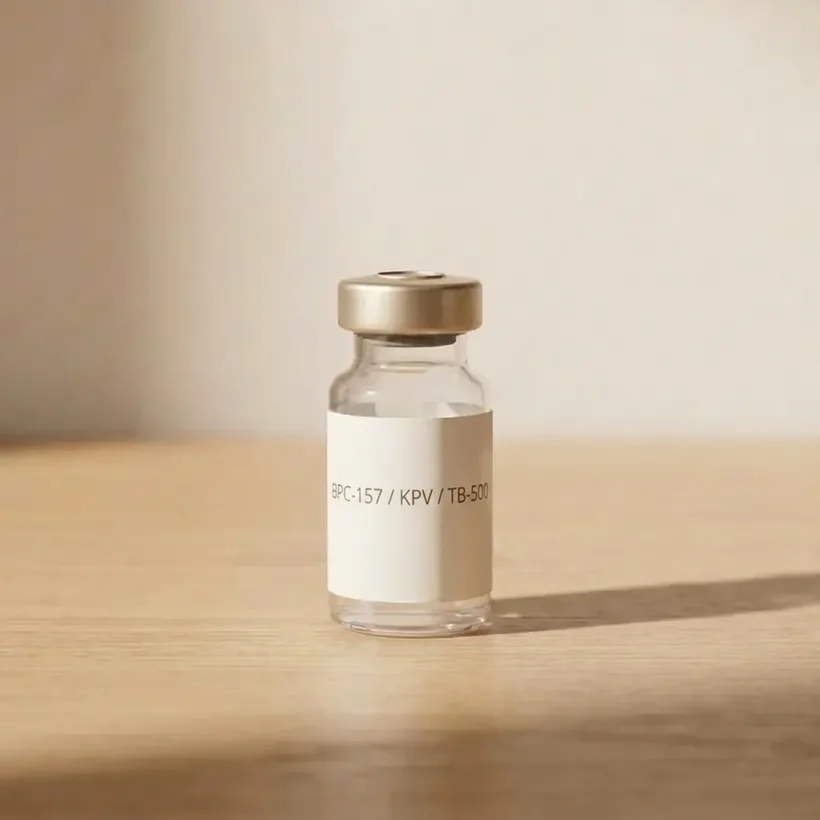
From the FormBlends catalog
BPC-157 / KPV / TB-500 Blend
Three-pathway recovery support in one peptide blend · From $279/mo · compounded by a licensed 503A pharmacy, dispensed only after provider review.
View BPC-157 / KPV / TB-500 Blend →- Set a daily reminder. Consistency matters with peptides. Take them at the same time each day. A phone alarm works well.
- Keep a symptom log. Track your bloating, energy, bowel habits, and any new sensations for the first four weeks. This gives your physician concrete data to work with at your check-in.
- Don't overhaul your diet at the same time. It's tempting to change everything at once, but doing so makes it hard to know what is actually helping. Make the dietary changes your physician recommends and hold off on additional changes until your first check-in.
- Stay hydrated. Adequate water intake supports every aspect of gut function and helps peptides circulate effectively.
- Be patient. Some people feel better within days. Others take three to four weeks. Both are normal. The gut lining turns over every three to five days, but deeper healing takes time.
Expected Benefits and Timeline
Here is a realistic look at what new patients typically experience:
- Week 1: Subtle changes at most. Some patients notice slightly less bloating. Others feel no different yet, and that's perfectly fine.
- Weeks 2-3: This is when most people start to notice meaningful changes. Reduced bloating, less gas, more regular bowel movements, and sometimes improved energy as systemic inflammation decreases.
- Weeks 4-6: Food tolerance often improves noticeably. Many patients find they can eat foods that previously caused discomfort. This is a sign that the gut lining is healing.
- Weeks 8-12: For most patients, the gut is functioning at a significantly better level. Your physician will discuss next steps, which may include a maintenance protocol or periodic cycling.
Benefits often extend beyond the gut. Better digestion frequently leads to better sleep, clearer skin, improved mood, and more stable energy throughout the day.
Safety Considerations
Starting any new therapy comes with questions about safety. Here is what you should know:
- Physician supervision isn't optional. Peptides are powerful molecules. The right dose for one person may be wrong for another. Working with a physician ensures you get the right peptide, at the right dose, for the right duration.
- Side effects are uncommon and mild. The most common reports are slight nausea in the first few days and minor irritation at injection sites. These typically resolve on their own within 48 hours.
- Tell your physician everything. Don't leave medications, supplements, or health conditions off your intake form. Some medications can interact with peptides, and your physician needs the full picture to keep you safe.
- Avoid buying peptides online without a prescription. Unregulated peptides may be contaminated, mislabeled, or degraded. The risk is real and not worth saving a few dollars.
Frequently Asked Questions
Do I need a referral from my primary care doctor?
No. You can schedule directly with FormBlends. But we're happy to coordinate with your primary care physician if you would like them involved in your care.
What if I am afraid of needles?
Many gut health peptide protocols can be done entirely with oral capsules. If your physician recommends subcutaneous injection, the needles used are very small (insulin-type syringes) and most patients find the injections virtually painless after the first one.
Can I start peptides if I am already taking a probiotic?
Yes. Probiotics and peptides work through different mechanisms and generally complement each other well. Your physician may suggest adjusting the timing of when you take each one. probiotic and peptide protocols
How soon can I start after my consultation?
Most patients receive their peptides within 5 to 7 business days after their consultation. In some cases it may be faster depending on your location and the compounding pharmacy's current processing times.
Medical References
- Wilding JPH, Batterham RL, Calanna S, et al. Once-Weekly Semaglutide in Adults with Overweight or Obesity. N Engl J Med. 2021;384(11):989-1002. [PubMed | ClinicalTrials.gov | DOI]
- Davies M, Færch L, Jeppesen OK, et al. Semaglutide 2.4 mg once a week in adults with overweight or obesity, and type 2 diabetes (STEP 2). Lancet. 2021;397(10278):971-984. [PubMed | ClinicalTrials.gov | DOI]
- Wadden TA, Bailey TS, Billings LK, et al. Effect of Subcutaneous Semaglutide vs Placebo as an Adjunct to Intensive Behavioral Therapy on Body Weight in Adults With Overweight or Obesity (STEP 3). JAMA. 2021;325(14):1403-1413. [PubMed | ClinicalTrials.gov | DOI]
- Rubino D, Abrahamsson N, Davies M, et al. Effect of Continued Weekly Subcutaneous Semaglutide vs Placebo on Weight Loss Maintenance in Adults With Overweight or Obesity (STEP 4). JAMA. 2021;325(14):1414-1425. [PubMed | ClinicalTrials.gov | DOI]
- Garvey WT, Batterham RL, Bhatt DL, et al. Two-year effects of semaglutide in adults with overweight or obesity (STEP 5). Nat Med. 2022;28(10):2083-2091. [PubMed | ClinicalTrials.gov | DOI]
Ready to Begin?
Starting gut health peptides doesn't have to be complicated. With physician supervision and a clear protocol, you can begin addressing digestive issues at the cellular level. Schedule your consultation with FormBlends today and take the first step toward better gut health.
Ready when you are
BPC-157 / KPV / TB-500 Blend
Three-pathway recovery support in one peptide blend · From $279/mo · compounded by a licensed 503A pharmacy, dispensed only after provider review.
View BPC-157 / KPV / TB-500 Blend →