Key Takeaway
The latest 2026 protocol for gut health peptides including BPC-157, KPV, and larazotide. Physician-supervised dosing schedules, cycling strategies, and improvement tips.
The gut health peptides protocol for 2026 reflects significant advances in how we dose, cycle, and combine peptides for digestive repair. Current best practices call for a phased approach using BPC-157, KPV, and supportive peptides over an 8-to-12-week window, supervised by a physician who adjusts the protocol based on your response. At FormBlends, we have refined this protocol based on clinical outcomes from hundreds of patients.
If you have tried older approaches or generic supplement stacks without lasting results, this updated protocol addresses the gaps. Here is what has changed and why it matters.
The Science Behind the 2026 Protocol
Earlier peptide protocols for gut health were often one-dimensional. A patient would take BPC-157 alone and hope for the best. The 2026 protocol is built on a better understanding of how multiple peptides work together to address different layers of gut dysfunction simultaneously.
Three key research developments shaped this year's approach:
Oral BPC-157 bioavailability improvements. New formulation strategies, including enteric-coated capsules and stability-enhancing excipients, have made oral BPC-157 more reliable. This matters because oral delivery targets the GI tract directly, which is exactly where you want the peptide to act.
KPV dosing improvement. Research published in late 2025 identified a dose-response curve for KPV's anti-inflammatory effects in the colon, allowing physicians to fine-tune dosing rather than using a one-size-fits-all approach.
Microbiome-peptide interactions. We now know that certain peptides influence the gut microbiome composition in addition to their direct tissue effects. BPC-157, for instance, appears to promote the growth of beneficial bacterial strains while reducing pathogenic populations.
How It Works
The 2026 protocol is divided into three distinct phases. Each phase builds on the previous one, and your physician will confirm readiness before moving forward.
View data table
| Category | Evidence and Efficacy Score | Detail |
|---|---|---|
| Cold Exposure | 72 | Metabolic activation |
| Red Light | 65 | Mitochondrial support |
| CGM Tracking | 82 | Glucose optimization |
| Peptide Stacks | 70 | Targeted protocols |
| Nootropics | 55 | Cognitive enhancement |
Phase 1: Anti-Inflammatory Foundation (Weeks 1-3)
- KPV: Oral capsules taken twice daily with meals. The goal is to reduce active inflammation in the gut lining before introducing repair peptides.
- Supportive measures: Elimination of common inflammatory triggers (processed foods, excess alcohol, known food sensitivities). Your physician may also recommend a short course of digestive enzymes to reduce digestive burden.
- Monitoring: Symptom tracking via daily logs. If baseline labs were drawn, calprotectin and zonulin levels serve as objective markers.
Phase 2: Active Repair (Weeks 4-8)
- BPC-157: Added to the protocol, either orally (enteric-coated capsules) or via subcutaneous injection, depending on the severity of your condition and your comfort level. Dosing is individualized by your physician.
- KPV: Continued at the same or adjusted dose based on Phase 1 response.
- Optional additions: For patients with significant permeability issues, your physician may add larazotide acetate or glutamine peptides to directly support tight junction integrity.
Phase 3: Consolidation and Maintenance (Weeks 9-12+)
- Dose tapering: Peptide doses are gradually reduced rather than stopped abruptly. This allows the gut to maintain improvements without ongoing high-dose support.
- Microbiome rebuilding: Introduction of targeted probiotic protocols to repopulate the gut with beneficial bacteria now that the environment is restored.
- Long-term strategy: Your physician will design a maintenance plan, which may include periodic peptide cycles (for example, a 2-week course every 3 to 4 months) and ongoing dietary and lifestyle recommendations.
Getting Started
To begin the 2026 gut health peptide protocol with FormBlends:
From the FormBlends catalog
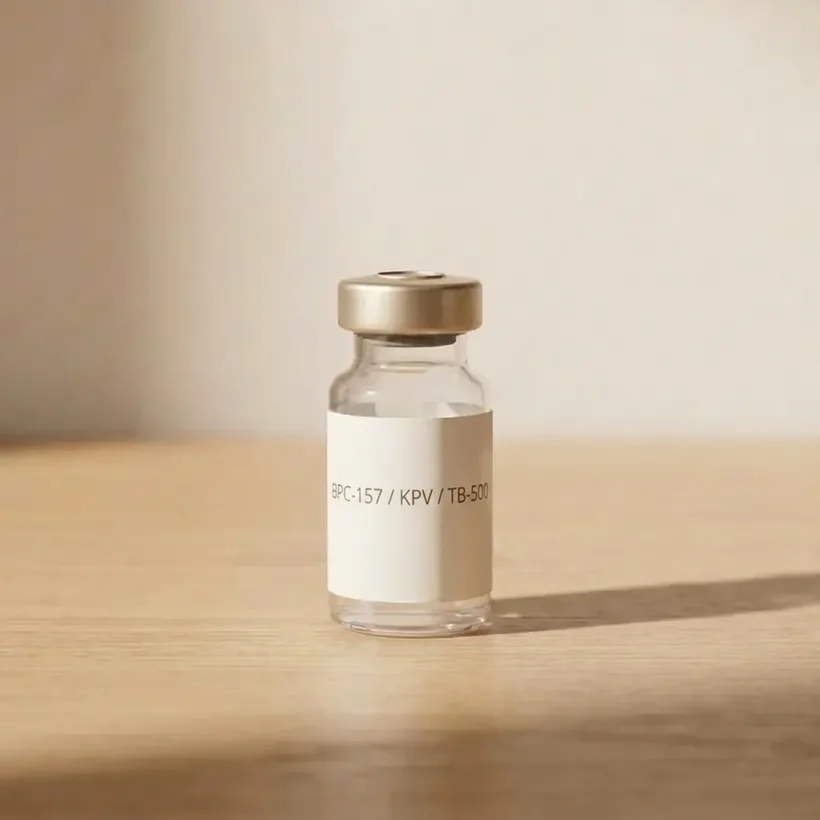
BPC-157 / KPV / TB-500 Blend
Three-pathway recovery support in one peptide blend · From $279/mo · compounded by a licensed 503A pharmacy, dispensed only after provider review.
View BPC-157 / KPV / TB-500 Blend →- Book a telehealth consultation. Our physicians will evaluate your symptoms, medical history, and goals. We will determine if the protocol is appropriate for you and customize it to your needs.
- Complete any recommended labs. Not everyone needs labs, but they can be valuable for tracking progress, especially if you have chronic or severe symptoms.
- Receive your peptides. All peptides are sourced from licensed compounding pharmacies and shipped directly to you with clear instructions. Starting at $199/mo
- Follow the phased protocol. You'll have scheduled check-ins with your physician throughout, typically at weeks 2, 4, 8, and 12.
The protocol is designed to be manageable alongside your normal routine. Most patients spend less than five minutes a day on the peptide administration itself.
Expected Benefits and Timeline
Based on clinical experience with the 2026 protocol, here is what patients typically report:
- Days 5-10: Early reduction in bloating and abdominal discomfort as KPV begins to lower gut inflammation.
- Weeks 2-3: Improved stool consistency and regularity. Many patients notice less post-meal heaviness.
- Weeks 4-6: Meaningful improvement in food tolerance. Foods that previously caused reactions often become manageable. Energy and mood frequently improve as well.
- Weeks 8-12: Gut barrier function is substantially restored. Patients report feeling like they have a "new baseline" for digestive health.
Some patients see faster results, particularly if their gut issues are relatively recent. Chronic, long-standing gut problems may require a full 12-week course or a second cycle.
Safety Considerations
The 2026 protocol uses peptides with established safety profiles. But medical supervision is critical for several reasons:
- Individual dosing matters. The correct dose depends on your body weight, symptom severity, and other medications. Too little may be ineffective. too much is wasteful and could cause unnecessary side effects.
- Quality assurance. Peptides must come from regulated compounding pharmacies. Products sold on gray-market websites may be contaminated, underdosed, or degraded. We handle sourcing so you don't have to worry about this.
- Contraindications. Peptide therapy may not be appropriate for individuals with active cancer, those on immunosuppressive therapy, or pregnant and nursing women. Your physician will screen for these and other contraindications.
- Side effects. When they occur, side effects are typically mild: slight nausea in the first few days, minor injection site reactions (if using subcutaneous delivery), or temporary shifts in bowel habits. These usually resolve within a few days.
Frequently Asked Questions
What makes the 2026 protocol different from older approaches?
The main differences are the phased structure (inflammation first, then repair, then maintenance), improved oral formulations that increase bioavailability, and the integration of microbiome support alongside peptide therapy. Older protocols tended to use a single peptide without a structured timeline.
Can I combine this with a GLP-1 weight loss program?
Yes. Many of our patients are on GLP-1 medications for weight management. The gut health protocol can actually complement GLP-1 therapy by addressing GI side effects that some patients experience with semaglutide or tirzepatide. Your physician will coordinate both protocols.
How much does the protocol cost?
Cost depends on which peptides are included, the duration of your protocol, and whether labs are needed. Starting at $199/mo We offer transparent pricing and will provide a complete cost breakdown before you begin.
Do I need to follow a specific diet during the protocol?
We recommend reducing inflammatory foods during the first phase, but we don't prescribe rigid elimination diets. Your physician will provide practical dietary guidance that supports the protocol without making your life overly complicated.
Start Your 2026 Protocol
The science of gut health peptides has advanced significantly, and the 2026 protocol represents the most refined approach we have used to date. If you're dealing with chronic digestive issues, food sensitivities, or just want to improve your gut health, our team is ready to help. Schedule your consultation to get started with a personalized plan.
Ready when you are
BPC-157 / KPV / TB-500 Blend
Three-pathway recovery support in one peptide blend · From $279/mo · compounded by a licensed 503A pharmacy, dispensed only after provider review.
View BPC-157 / KPV / TB-500 Blend →