Key Takeaway
The 2026 peptide stacking protocol for longevity. Updated dosing schedules, newer peptides entering clinical use, and the latest evidence on anti-aging peptide combinations.
Quick Answer: The 2026 longevity peptide protocol reflects updated research on mitochondrial-derived peptides, refined GH secretagogue cycling, and tighter integration with metabolic biomarkers. Key shifts include greater emphasis on MOTS-c, adjusted epithalon cycling, and mandatory biological age tracking as a primary outcome measure.
The Science: What Changed for 2026
Peptide therapy for longevity isn't static. Each year brings new clinical data, regulatory shifts, and refinements in how practitioners approach stacking. The 2026 protocol reflects several important developments.
Mitochondrial-Derived Peptides Take Center Stage
MOTS-c, a 16-amino-acid peptide encoded within the mitochondrial genome, has moved from experimental curiosity to a pillar of longevity protocols. Published work from the Cohen lab at USC demonstrated that MOTS-c activates AMPK, improves glucose homeostasis, and enhances exercise capacity in aged mice. Human observational data shows that circulating MOTS-c levels decline with age and are inversely correlated with metabolic dysfunction.
What makes MOTS-c particularly relevant in 2026 is the convergence of metabolic health and longevity research. We now understand that metabolic flexibility, the ability to switch efficiently between glucose and fatty acid oxidation, is one of the strongest predictors of healthspan. MOTS-c directly supports this capacity.
Humanin, another mitochondrial-derived peptide, continues to show promise in neuroprotection. Preclinical studies demonstrate its ability to inhibit amyloid-beta toxicity and reduce oxidative stress in neuronal tissue. While dosing protocols for humanin remain less standardized than MOTS-c, its inclusion in advanced stacks is increasingly common among longevity-focused practitioners.
Refined Understanding of GH Secretagogue Cycling
Earlier protocols often ran CJC-1295/ipamorelin continuously for 12-16 weeks. Updated data suggests that shorter cycles with more frequent breaks preserve pituitary sensitivity more effectively. The 2026 consensus among experienced peptide clinicians favors a 6-week-on, 3-week-off cycle, with IGF-1 testing at the midpoint and end of each active phase.
There's also greater recognition that not every patient needs GH secretagogues. Patients with IGF-1 levels already in the upper half of the reference range may benefit more from repair and metabolic peptides than from further GH stimulation. The protocol starts with lab work, not with a prescription.
Epithalon: Telomerase Activation Revisited
Epithalon (also written as epitalon), the synthetic version of the pineal gland peptide epithalamin, continues to be used in short, intensive cycles for telomerase activation. The Khavinson research group has published data showing telomere elongation in human cell cultures and improved survival in animal models. The 2026 protocol maintains the established 10-day intensive cycle but spaces these cycles 4-6 months apart rather than the older 3-month interval, based on updated understanding of telomere dynamics.
the Regulatory space
The FDA's ongoing review of bulk compounding substances has affected peptide availability. Some peptides that were widely available in 2024 now face restrictions. The 2026 protocol prioritizes peptides with clear legal pathways through licensed compounding pharmacies and physician prescriptions. Working with a provider who monitors regulatory changes is no longer optional. it's important.
The 2026 Protocol: Phase by Phase
Phase 0: Baseline Assessment (Weeks 1-2)
Before any peptide is prescribed, the following labs are required:
View data table
| Category | Evidence and Efficacy Score | Detail |
|---|---|---|
| Cold Exposure | 72 | Metabolic activation |
| Red Light | 65 | Mitochondrial support |
| CGM Tracking | 82 | Glucose optimization |
| Peptide Stacks | 70 | Targeted protocols |
| Nootropics | 55 | Cognitive enhancement |
- Complete metabolic panel (CMP)
- IGF-1
- Fasting insulin and glucose
- HbA1c
- hsCRP, IL-6
- Full hormone panel (testosterone, estradiol, DHEA-S, cortisol, thyroid panel)
- CBC with differential
- Lipid panel with ApoB
- Biological age test (GrimAge or DunedinPACE preferred)
Body composition via DEXA scan is strongly recommended. These baselines determine which peptides are appropriate and at what doses.
Phase 1: Foundation (Weeks 3-8)
- CJC-1295 (no DAC) + Ipamorelin: 150 mcg each, subcutaneously, before bed on an empty stomach, 5 days on / 2 days off
- BPC-157: 300 mcg subcutaneously, once daily in the morning
Focus during this phase is on establishing tolerance, improving sleep architecture (GH secretagogues often improve deep sleep within the first two weeks), and beginning to track subjective markers like energy, recovery speed, and sleep quality.
Phase 2: Metabolic Layer (Weeks 9-14)
- Continue BPC-157 at the same dose
- MOTS-c: 10 mg subcutaneously, 3 times per week (Monday, Wednesday, Friday)
- GH secretagogue break: Weeks 9-11 are off. Resume CJC-1295/ipamorelin at week 12 if IGF-1 midpoint labs are within target range.
MOTS-c is introduced here to capitalize on the metabolic improvements that GH secretagogues initiate. The combination of improved body composition from Phase 1 and enhanced metabolic flexibility from MOTS-c creates a compounding effect.
Phase 3: Repair and Immune (Weeks 15-20)
- TB-500: 750 mcg subcutaneously, twice weekly for 4 weeks (loading), then once weekly
- BPC-157: Continue or cycle off for 2 weeks if you have been running continuously
- CJC-1295/Ipamorelin: Resume at 150 mcg each, 5/2 schedule
- Thymulin (if indicated by labs): Dosed per physician guidance based on immune markers
Phase 4: Telomere Maintenance (Standalone 10-Day Block)
- Epithalon: 5 mg subcutaneously, daily for 10 consecutive days
- This block is run 2 times per year, typically at the 6-month and 12-month marks
- All other peptides may continue during epithalon cycles
Ongoing Maintenance
After completing the initial 20-week build, the protocol enters a maintenance phase. GH secretagogues cycle 6 weeks on / 3 weeks off. MOTS-c runs in 8-week blocks with 4-week breaks. BPC-157 is used as needed for injury recovery or inflammation management. Labs are repeated every 12 weeks.
What to Monitor
- IGF-1: Check at week 6, week 14, and every 12 weeks thereafter. Target: upper quartile of age-adjusted range without exceeding it.
- Fasting glucose and insulin: Every 8 weeks. Watch for insulin resistance developing, especially when GH secretagogues are active.
- Inflammatory markers (hsCRP, IL-6): These should decrease over the first 12-20 weeks. If they rise, investigate root causes before continuing.
- Biological age: Retest at 6 months and 12 months. DunedinPACE measures pace of aging (rate), while GrimAge measures cumulative biological age (state). Both are informative.
- Body composition: DEXA every 6 months. Look for lean mass preservation or gain alongside fat mass reduction.
- Subjective tracking: Sleep quality (ideally via wearable), recovery metrics, cognitive function, and energy levels. These early indicators often predict what labs will show weeks later.
Safety Considerations
- Don't self-prescribe. This protocol requires physician oversight. Peptide dosing, cycling, and monitoring are individualized based on your labs, health history, and response.
- Start conservative. The doses listed here are midrange. Many patients begin at lower doses and titrate up based on tolerance and lab response.
- Watch for GH-related side effects: Water retention, joint stiffness, numbness or tingling in extremities. These are dose-dependent and usually resolve with reduction.
- Source matters. Only use peptides from licensed compounding pharmacies prescribed by a physician. The risk from unregulated sources is real and includes contamination, incorrect potency, and endotoxin exposure.
- Contraindications remain firm: Active cancer, uncontrolled diabetes, pregnancy, lactation. patients on anticoagulants should use caution with BPC-157 due to its angiogenic properties.
Frequently Asked Questions
What is different about the 2026 protocol compared to earlier versions?
Three main changes: shorter GH secretagogue cycles (6 on / 3 off instead of 12 continuous), addition of MOTS-c as a core metabolic peptide rather than an optional add-on, and mandatory biological age testing as a primary outcome measure rather than relying solely on traditional blood markers.
From the FormBlends catalog
Longevity Reset
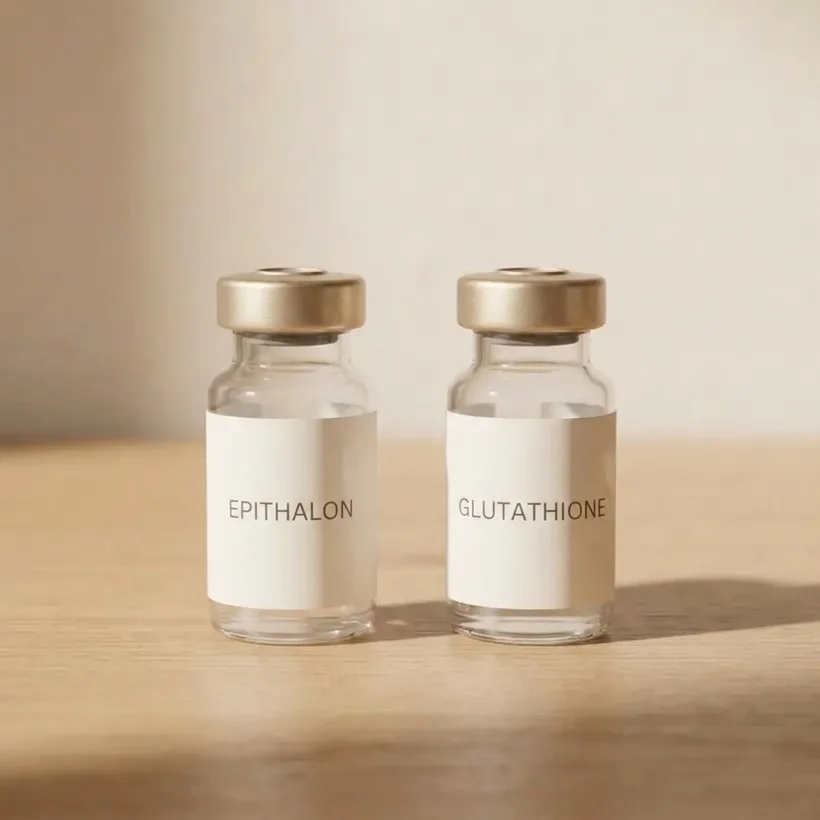
Telomere support with the master antioxidant. · Bundle from $270 · provider-reviewed peptide bundle.
View Longevity Reset →How much does a longevity peptide protocol cost?
Costs vary by provider and peptide selection. A foundation stack (CJC-1295/ipamorelin plus BPC-157) typically runs $200-400 per month through a compounding pharmacy. Adding MOTS-c, epithalon, and TB-500 increases costs. Lab work and physician consultations are additional. Biological age testing ranges from $200-500 per test.
Can women follow the same protocol?
Yes, with adjustments. Women may use lower GH secretagogue doses due to naturally higher GH pulsatility. Menstrual cycle phase can influence peptide timing and response. Peptide protocols should be integrated with hormonal status, particularly for perimenopausal and postmenopausal women where HRT guide considerations overlap.
Is there an age minimum or maximum for starting?
Most longevity peptide protocols are designed for adults over 30, when age-related hormonal and metabolic decline begins to accelerate. There's no strict upper age limit, but older patients (70+) may require lower starting doses and more frequent monitoring. Patients under 30 rarely have clinical indications for GH secretagogues.
Get Started with the 2026 Protocol
A longevity peptide protocol is only as good as the physician guiding it. At FormBlends, our telehealth platform pairs you with clinicians who specialize in peptide therapy, order the right labs, and adjust your protocol as your data evolves.
Book your consultation at FormBlends.com and start building your 2026 longevity stack with proper medical oversight.
See your options in about 2 minutes
Take the free quiz and see what fits you. Quick, private, and no commitment to continue.
See my options →