Sleep biohacking gets flashy attention, but the highest-impact moves are well-established fundamentals. Here is an evidence-based protocol for 2026 that separates what works from what is hype.
Quick answer
The most effective sleep optimization comes from fundamentals: keep consistent sleep and wake times, get bright light in the morning, dim screens and lights in the evening, keep the bedroom cool (around 65 to 68 degrees Fahrenheit), and limit caffeine and alcohol before bed. Supplements like magnesium and glycine are popular but have modest, mixed evidence and do not replace good habits. Wearables can track trends but are not diagnostic. In 2026, the smartest "biohacking" is still disciplined consistency on the basics, with optional add-ons layered on top.
The foundation: circadian consistency
Your body runs on a circadian clock, and the single most impactful sleep move is keeping it steady.
- Fixed wake time. Wake at the same time every day, including weekends. A consistent wake time anchors the whole rhythm.
- Morning light. Get bright natural light within an hour of waking. Morning light is one of the strongest signals that sets your clock and improves nighttime sleep drive.
- Evening dimming. Reduce bright and blue light in the hours before bed. Bright evening light pushes your clock later and suppresses the natural melatonin rise.
Nail these three and most people see more improvement than from any gadget or supplement.
Optimize the sleep environment
The bedroom itself is a lever you control.
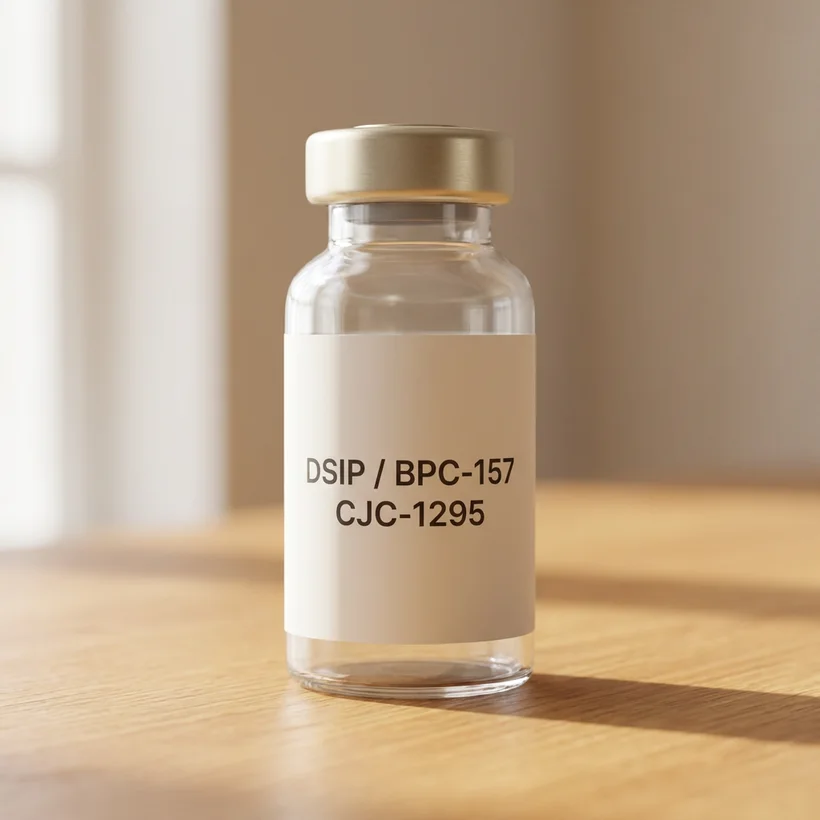
From the FormBlends catalog
Sleep + Recovery Stack
Sleep and repair support with DSIP, BPC-157, and CJC · From $299/mo · compounded by a licensed 503A pharmacy, dispensed only after provider review.
View Sleep + Recovery Stack →- Cool the room. A bedroom around 65 to 68 degrees Fahrenheit supports the natural drop in core body temperature that helps you fall and stay asleep.
- Dark and quiet. Block light with blackout curtains or an eye mask, and reduce noise or use steady background sound.
- Screen-free wind-down. Move screens out of the last 30 to 60 minutes before bed where you can.
Behavior and timing
When and what you consume shapes sleep quality.
- Caffeine timing. Caffeine has a long half-life, so cut it off in the early afternoon if you are sensitive.
- Alcohol caution. Alcohol may help you fall asleep but fragments sleep later in the night, reducing quality.
- Meal timing. Large late meals can disrupt sleep; aim to finish eating a couple of hours before bed.
- Movement. Regular daytime activity improves sleep, though intense exercise very close to bedtime can be stimulating for some.
Supplements: what the evidence says
This is where biohacking enthusiasm outpaces the data.
- Magnesium is widely used for sleep and relaxation, but evidence is modest and mixed. It may help some people, especially if intake is low.
- Glycine has some small studies suggesting it may improve sleep quality, but the evidence is limited.
- Melatonin can help shift timing (such as for jet lag) but is not a sedative and is often overused.
Treat supplements as optional add-ons, not the foundation. They do not compensate for poor sleep habits.
Comparison: high-impact vs low-impact moves
| Move | Evidence | Impact |
|---|---|---|
| Consistent wake time | Strong | High |
| Morning light | Strong | High |
| Cool, dark, quiet room | Strong | High |
| Caffeine/alcohol limits | Strong | High |
| Magnesium / glycine | Modest, mixed | Modest |
| Sleep wearables | Tracking, not diagnostic | Insight, not treatment |
What about sleep trackers?
Wearable sleep trackers can show useful trends, like how consistent your schedule is or how alcohol affects your night. They are motivating and informative, but they are not diagnostic medical devices, and their stage-tracking is approximate. Use them to spot patterns, not to diagnose disorders. If you have persistent insomnia, loud snoring, or daytime sleepiness, see a clinician, since conditions like sleep apnea need real evaluation.
Where FormBlends fits
Good sleep supports metabolic health and weight management, which is core to FormBlends. If you are working on overall health, FormBlends keeps plain-language guides on weight management, including compounded semaglutide and a provider comparison tool.
Frequently asked questions
What is the most effective sleep biohack?
Consistency: a fixed wake time plus morning light and evening dimming. These circadian fundamentals beat any gadget or supplement.
What temperature should my bedroom be?
Around 65 to 68 degrees Fahrenheit supports the natural body-temperature drop that aids sleep.
Does magnesium help with sleep?
Possibly, but the evidence is modest and mixed. It may help some people, particularly if their intake is low, but it is not a foundation.
Is glycine good for sleep?
Some small studies suggest it may improve sleep quality, but evidence is limited. Treat it as an optional add-on.
Are sleep trackers accurate?
They are good for trends but not diagnostic. Their sleep-stage estimates are approximate, so use them for patterns, not diagnosis.
Does blue light really hurt sleep?
Bright evening light, including blue light, can push your clock later and suppress melatonin. Dimming lights and screens before bed helps.
When should I stop drinking caffeine?
Early afternoon for many people, since caffeine has a long half-life. Sensitive individuals may need to cut off earlier.
Does alcohol help you sleep?
It may help you fall asleep but fragments sleep later in the night, lowering quality, so it is not a good sleep aid.
Related guides
- Sleep Optimization with DSIP: Biohacking Deep Sleep
- Sleep Optimization Biohacking Dsip Protocol
- Cold Plunge and BPC-157: Recovery Biohacking Protocol
- Sleep Optimization Biohacking: Complete Guide
- Sleep Optimization Biohacking: How To Start
- Sleep Optimization Biohacking: Science Explained
Sources
- CDC, tips for better sleep: https://www.cdc.gov/sleep/about/index.html
- American Academy of Sleep Medicine, healthy sleep habits: https://sleepeducation.org/healthy-sleep/healthy-sleep-habits/
Ready when you are
Sleep + Recovery Stack
Sleep and repair support with DSIP, BPC-157, and CJC · From $299/mo · compounded by a licensed 503A pharmacy, dispensed only after provider review.
View Sleep + Recovery Stack →