Key Takeaway
Finding the cheapest GLP-1 options in 2026 means comparing every legal access path available to you. This cheapest GLP-1 2026 resource covers the important information you need to make informed decisions.
Finding the cheapest GLP-1 options in 2026 means comparing every legal access path available to you. This cheapest GLP-1 2026 resource covers the important information you need to make informed decisions. Brand-name medications, compounded alternatives, manufacturer savings programs, insurance coverage, and government assistance all have different price points. This guide ranks them all by monthly cost so you can find the best option for your budget.
Key Takeaways: - GLP-1 Pricing Overview: Every Option Ranked - Compounded GLP-1 Medications Explained - Learn how to get insurance coverage for glp-1 - Government Programs and Assistance
The GLP-1 market has changed dramatically. New pricing programs, compounding options, and competitive pressures have created more affordable access than ever before. But the market is confusing. Let this guide be your roadmap.
GLP-1 Pricing Overview: Every Option Ranked
Here is a complete ranking of GLP-1 access options from least to most expensive. Prices reflect typical 2026 market rates and may vary by location and provider.
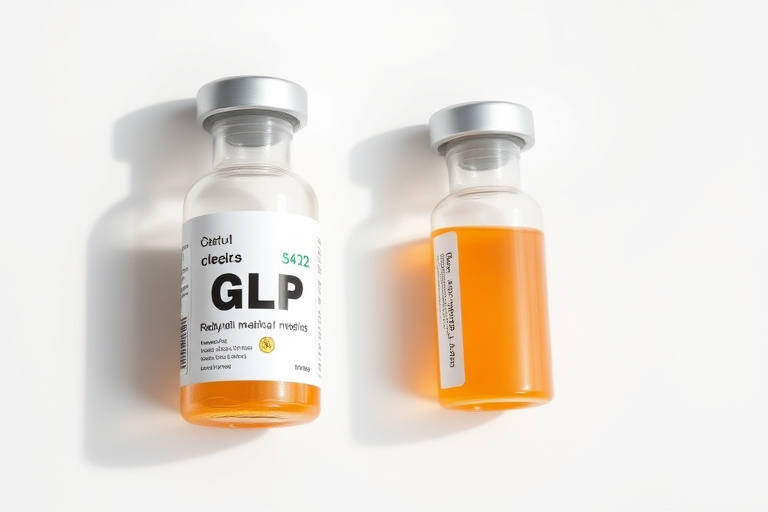
Compounded semaglutide or tirzepatide from licensed 503A pharmacies typically costs $150 to $400 per month. This is the most affordable option for most people without insurance coverage. The medication is prescribed by a licensed provider based on your individual needs and prepared by a licensed US-based compounding pharmacy.
Manufacturer savings programs can bring brand-name costs down to $0 to $500 per month for eligible commercial insurance patients. Novo Nordisk and Eli Lilly both offer savings cards. Eligibility depends on insurance type and other factors. These programs can't be used with Medicare or Medicaid.
Insurance-covered brand medications range from $25 to $500 per month depending on your plan. Commercial insurance with good formulary coverage offers the best pricing. Prior authorization is almost always required. Many plans require documentation of BMI, comorbidities, and failed prior treatments.
Brand-name cash price without any savings programs runs $800 to $1,500+ per month. This is the sticker price at retail pharmacies. Very few people pay this amount, but it's the starting point if you have no insurance or savings card.
Single-dose vials from brand manufacturers offer a newer, potentially lower-cost entry point. Pricing varies but may be lower than multi-dose pen options for some patients.
"What makes tirzepatide particularly interesting is the dual GIP/GLP-1 mechanism. We're seeing that GIP receptor activation appears to amplify the metabolic effects in ways we didn't fully anticipate from the preclinical data.") Dr. Ania Jastreboff, MD, PhD, Yale School of Medicine, lead author of SURMOUNT-1[1]
Complete Price Comparison Table
Here is a side-by-side breakdown of every major GLP-1 access pathway with estimated monthly costs as of early 2026:
| Access Pathway | Monthly Cost | Prescription Required | Notes |
|---|---|---|---|
| Compounded semaglutide (503A pharmacy) | $150-$400 | Yes | Most affordable for uninsured patients |
| Compounded tirzepatide (503A pharmacy) | $200-$450 | Yes | Dual GIP/GLP-1 formulation |
| Brand Wegovy with savings card | $0-$500 | Yes | Commercial insurance only, not Medicare |
| Brand Zepbound with savings card | $0-$550 | Yes | Lilly savings card, commercial only |
| Brand Ozempic with insurance | $25-$300 | Yes | Diabetes indication, varies by formulary |
| Brand Mounjaro with insurance | $25-$350 | Yes | Diabetes or weight, plan-dependent |
| Brand Wegovy cash price | $1,300-$1,500 | Yes | Retail without savings program |
| Brand Zepbound cash price | $1,000-$1,200 | Yes | Retail without savings program |
| Single-dose vials (brand) | $500-$900 | Yes | Newer option, limited availability |
Prices fluctuate based on dose strength, pharmacy location, and available promotions. Always verify current pricing with your specific provider and pharmacy.
For a side-by-side comparison of telehealth provider pricing, check our .
Manufacturer Savings Programs: Detailed Breakdown
Both major GLP-1 manufacturers operate savings programs, but the eligibility rules and benefits differ. Understanding the specifics can save you hundreds per month.
View data table
| Category | Overall Value Score | Detail |
|---|---|---|
| FormBlends | 92 | First month $99 (semaglutide) or $149 (tirzepatide), then $190 or $239 per month, physician-led |
| Hims/Hers | 78 | Consumer brand, varies |
| Ro | 75 | Telehealth platform |
| Calibrate | 70 | Metabolic health focus |
Novo Nordisk Savings Programs
Novo Nordisk, the maker of Wegovy and Ozempic, offers several patient support options:
Wegovy Savings Card. For patients with commercial insurance that covers Wegovy, this card can reduce out-of-pocket costs to as low as $0 per month for up to 13 fills. Patients with commercial insurance that doesn't cover Wegovy may pay a fixed rate through the savings offer. Check the current terms at the NovoCare website, as program specifics change periodically.
Ozempic Savings Card. Commercially insured patients may pay as little as $25 per month for up to 24 months. This applies to Ozempic prescribed for type 2 diabetes. The card can't be used with government insurance programs including Medicare, Medicaid, and Tricare.
Novo Nordisk Patient Assistance Program (PAP). For uninsured patients who meet income requirements (typically at or below 400 percent of the federal poverty level), Novo Nordisk may provide medication at no cost. The application requires documentation of income and insurance status.
Eli Lilly Savings Programs
Eli Lilly manufactures Mounjaro and Zepbound:
Zepbound Savings Card. Commercially insured patients whose plans cover Zepbound may pay as little as $25 per month. For patients whose commercial insurance doesn't cover Zepbound, Lilly has periodically offered a cash-pay savings program at reduced rates. Terms and availability change, so check the Lilly website for current offers.
Mounjaro Savings Card. Similar structure to Zepbound. Commercially insured patients may pay $25 or less per fill. Can't be used with government-funded insurance.
Lilly Cares Patient Assistance Program. Uninsured or underinsured patients meeting income criteria may receive medication at no cost. The application process takes 2 to 4 weeks and requires provider involvement.
503A vs. 503B Compounding: Price and Quality Differences
If you're considering compounded GLP-1 medications, understanding the difference between 503A and 503B pharmacies helps you evaluate both cost and quality.
Not sure which GLP-1 is right for you?
Take a 2-minute assessment and get a personalized recommendation after licensed provider review.
Take the Assessment →503A Compounding Pharmacies
Section 503A pharmacies prepare medications based on individual patient prescriptions. They're regulated by state boards of pharmacy and must comply with USP standards. Most telehealth GLP-1 providers, including FormBlends, use 503A pharmacies. Pricing typically ranges from $150 to $400 per month depending on the medication and dose.
503A pharmacies prepare each prescription individually, which means your medication is made specifically for you. They can customize dose strengths and formulations based on your provider's orders. The tradeoff is that they generally produce smaller batches and may have slightly longer lead times.
503B Outsourcing Facilities
Section 503B facilities can produce larger batches of compounded medications without individual prescriptions. They're registered with the FDA and subject to current good manufacturing practice (cGMP) requirements. 503B facilities often supply medications to hospitals, clinics, and other healthcare facilities.
503B-sourced compounded GLP-1 medications may cost slightly more than 503A due to the additional regulatory compliance overhead, but the pricing gap has narrowed. Some patients and providers prefer 503B facilities for the additional layer of FDA oversight.
Which Should You Choose?
Both 503A and 503B pharmacies can produce safe, effective compounded medications when properly regulated. The key is verifying that your provider uses a licensed pharmacy with appropriate accreditation. Ask about third-party potency testing, sterility testing, and whether the pharmacy holds PCAB accreditation. FormBlends uses verified 503A pharmacies that meet rigorous quality standards.
Using HSA, FSA, and Tax-Advantaged Accounts
One of the most overlooked ways to reduce your effective GLP-1 cost is paying with pre-tax dollars through a health savings account (HSA) or flexible spending account (FSA).
HSA Benefits for GLP-1
If you have a high-deductible health plan (HDHP), your HSA can be used to pay for prescribed GLP-1 medications, including compounded formulations. Because HSA contributions are tax-deductible, grow tax-free, and can be withdrawn tax-free for qualified medical expenses, the effective savings range from 20 to 37 percent depending on your marginal tax rate.
For example, if your monthly GLP-1 cost is $300 and your combined federal and state tax rate is 30 percent, paying with HSA dollars effectively reduces your cost to $210 per month. Over a year, that adds up to more than $1,000 in savings.
FSA Considerations
FSA funds work similarly but must typically be used within the plan year (with some employer-specific rollover provisions). If you have an FSA, allocate enough during open enrollment to cover your anticipated GLP-1 costs for the year. GLP-1 medications prescribed by a licensed provider qualify as eligible medical expenses under most FSA plans.
Documentation Tips
Keep all receipts and prescription documentation. If your HSA or FSA administrator questions a compounded medication charge, having a copy of your prescription and a letter of medical necessity from your provider resolves most issues. Your FormBlends provider can supply documentation upon request.
GoodRx, Coupons, and Other Discount Strategies
For patients paying out of pocket for brand-name GLP-1 medications, third-party discount tools can sometimes provide meaningful savings.
GoodRx and similar platforms aggregate pharmacy pricing and offer discount codes. For brand-name GLP-1 medications, GoodRx pricing typically ranges from $800 to $1,200 per month, which is below retail but still significantly more expensive than compounded alternatives. These platforms work best as a short-term solution or backup option.
Manufacturer copay cards should always be checked first, as they typically offer better discounts than third-party platforms for eligible patients. You can't combine manufacturer cards with GoodRx coupons at the same fill.
Pharmacy shopping matters. Prices for the same medication can vary by $100 or more between pharmacies in the same city. Independent pharmacies sometimes offer lower prices than national chains. Call multiple pharmacies before filling your prescription.
Mail-order pharmacies through your insurance plan may offer a 90-day supply at a lower per-month cost than retail fills. Check whether your plan offers this option and compare the math.
State Medicaid Coverage: What to Know
Medicaid coverage for GLP-1 weight management medications varies significantly by state. Here are the key points.
States with coverage. A growing number of state Medicaid programs now cover GLP-1 medications for obesity, though most require prior authorization, documented BMI thresholds (typically 30+ or 27+ with comorbidities), and evidence of failed lifestyle interventions. Coverage policies change frequently as states update their formularies.
States with restrictions. Some states cover GLP-1 medications only for the diabetes indication, not for weight management. In these states, patients with a type 2 diabetes diagnosis may have access while those prescribed for obesity alone may not.
Medicare Part D update. The Inflation Reduction Act and subsequent policy changes have expanded the discussion around Medicare coverage for anti-obesity medications. As of early 2026, coverage varies by Part D plan, and not all plans include GLP-1 weight management medications on their formularies. Contact your specific plan for current coverage details.
What you can do. If your state Medicaid program denies coverage, ask your provider about the appeals process. Some states have overturned initial denials on appeal, particularly when the provider documents medical necessity with supporting lab work and comorbidity data. Compounded alternatives through providers like FormBlends remain available regardless of Medicaid coverage decisions.
Free Download: Cost Comparison Spreadsheet A downloadable spreadsheet comparing every GLP-1 access option with monthly and annual cost projections. Fill in your specifics and see your savings. Get yours free (we'll email it to you instantly.
[Download Now]
Compounded GLP-1 Medications Explained
Compounded medications deserve a deeper look since they represent the most accessible option for many people. Knowing what they're (and what they aren't) helps you make an informed decision.
Compounded GLP-1 medications contain the specified active pharmaceutical ingredient. Compounded medications are not FDA-approved as finished products. They're prescribed by licensed healthcare providers and prepared by licensed US-based 503A compounding pharmacies. These pharmacies operate under FDA and state board of pharmacy oversight.
Patient Perspective: "My insurance denied Wegovy twice. My provider helped me file a peer-to-peer review appeal with supporting documentation from my labs and BMI history. Third time was approved. Don't give up after the first denial.") Brian C., 45, FormBlends patient (name changed for privacy)
The lower cost comes from the business model, not from cutting corners. Compounding pharmacies don't carry the same R&D recovery costs, marketing budgets, or distribution overhead as major pharmaceutical companies. They purchase pharmaceutical-grade active ingredients and prepare medications per individual prescription.
What compounded medications aren't: they aren't "generics" in the traditional sense. They aren't FDA-approved products (compounded medications by definition aren't). They're personalized preparations made for individual patients based on provider prescriptions.
FormBlends connects you with licensed providers who evaluate your health profile and prescribe personalized compounded medications when appropriate. Your medication ships directly from the pharmacy to your door. for current rates.
The key is sourcing from a reputable provider who uses verified 503A pharmacies. Avoid any source that doesn't require a prescription, doesn't use a licensed pharmacy, or sells "research-grade" peptides for human use. These are red flags.
How to Get Insurance Coverage for GLP-1
If you have commercial insurance, getting GLP-1 coverage is possible but often requires persistence. Here is the step-by-step process.
Check your formulary first. Call your insurance company or check their website to see if semaglutide or tirzepatide is covered on your plan. Look for the specific indication (weight management vs. Diabetes) since coverage may differ.
Get your documentation ready. Most plans require prior authorization. Your provider will need to submit documentation including your BMI, weight-related comorbidities, history of previous weight loss attempts, and sometimes lab work. Having this information ready speeds up the process.
Expect a prior authorization. This is a formal request from your provider to your insurance company justifying the prescription. Approval can take 1 to 3 weeks. Some plans use electronic prior authorization that processes faster.
Be prepared for a denial. Initial denials are common. This doesn't mean you won't get coverage. Many denials are overturned on appeal. Ask your provider for help with the appeal process. We cover this in detail in our .
Understand your cost-sharing. Even with coverage, you'll likely have cost-sharing. This could be a flat copay ($25 to $100), coinsurance (20 to 40 percent of the drug cost), or deductible charges. Ask your plan for your specific out-of-pocket amount.
Layer savings programs. If you have commercial insurance, you may be able to apply a manufacturer savings card on top of your insurance benefit. This can reduce your copay further. Check eligibility for your specific plan type.
If insurance coverage proves too difficult or expensive, compounded options through providers like FormBlends offer a straightforward alternative. to get started.
Government Programs and Assistance
Several government and non-profit programs may help reduce GLP-1 costs for qualifying individuals.
Medicare Part D coverage for GLP-1 weight management medications has been evolving. As of 2026, coverage policies vary by plan. Medicare Advantage plans may offer different coverage than Original Medicare. Check with your specific plan. Note that manufacturer savings cards can't be used with Medicare.
Medicaid coverage varies by state. Some state Medicaid programs cover GLP-1 medications for obesity or diabetes. Others have restrictions. Contact your state Medicaid office for current coverage policies.
Patient assistance programs (PAPs) from manufacturers help uninsured or underinsured patients access medications at reduced or no cost. Novo Nordisk and Eli Lilly both operate PAPs. Income requirements and application processes apply. These programs are worth exploring if you meet the criteria.
Non-profit foundations occasionally offer grants for obesity treatment medications. Organizations focused on obesity, diabetes, and chronic disease management may have programs available. Your provider can help identify relevant resources.
HSA and FSA accounts allow you to pay for prescribed GLP-1 medications with pre-tax dollars. This effectively saves you 20 to 35 percent on your medication costs depending on your tax bracket. Most HSA and FSA plans accept GLP-1 prescriptions for qualifying medical conditions.
For a complete approach to managing GLP-1 costs, understanding all your options is the first step. Compare providers, explore every program you may qualify for, and remember that the cheapest option isn't always the one with the lowest sticker price. Consider total cost including consultations, shipping, and support.
Frequently Asked Questions
What is the cheapest way to get semaglutide in 2026?
Compounded semaglutide from a licensed 503A pharmacy through a telehealth provider like FormBlends is typically the most affordable option at $150 to $400 per month. Insurance coverage with a manufacturer savings card may be cheaper for some patients with eligible plans.
Is compounded semaglutide safe?
When prescribed by a licensed provider and prepared by a licensed US-based 503A compounding pharmacy, compounded semaglutide contains compounded formulations of the active ingredient and is prepared under regulatory oversight. Always verify that your provider uses a legitimate compounding pharmacy.
Why are brand-name GLP-1 medications so expensive?
Brand-name pricing reflects R&D investment, clinical trial costs, regulatory approval expenses, marketing budgets, and manufacturer profit margins. The high cost of bringing a new drug to market gets recovered through pricing over the patent period.
Can I switch from brand-name to compounded GLP-1 to save money?
Yes, many patients transition from brand-name to compounded medications with their provider's guidance. Your provider can adjust your prescription and ensure a smooth transition. The active ingredient is the same, so the transition is typically straightforward.
Will GLP-1 prices drop in the future?
Market pressures, increased competition, and potential regulatory changes suggest that GLP-1 costs may decrease over time. Generic versions and new competitors are on the horizon. But timing is uncertain. For current pricing and options, focus on what is available today.
What's Your Next Move?
You have the information. Now let a licensed provider help you put it into action. FormBlends makes it simple (answer a few questions and get a personalized recommendation.
Medical References
- Jastreboff AM, Aronne LJ, Ahmad NN, et al. Tirzepatide Once Weekly for the Treatment of Obesity. N Engl J Med. 2022;387(3):205-216. [PubMed | ClinicalTrials.gov | DOI]
- Davies M, Færch L, Jeppesen OK, et al. Semaglutide 2.4 mg once a week in adults with overweight or obesity, and type 2 diabetes (STEP 2). Lancet. 2021;397(10278):971-984. [PubMed | ClinicalTrials.gov | DOI]
- Wadden TA, Bailey TS, Billings LK, et al. Effect of Subcutaneous Semaglutide vs Placebo as an Adjunct to Intensive Behavioral Therapy on Body Weight in Adults With Overweight or Obesity (STEP 3). JAMA. 2021;325(14):1403-1413. [PubMed | ClinicalTrials.gov | DOI]
- Garvey WT, Batterham RL, Bhatt DL, et al. Two-year effects of semaglutide in adults with overweight or obesity (STEP 5). Nat Med. 2022;28(10):2083-2091. [PubMed | ClinicalTrials.gov | DOI]
- Garvey WT, Frias JP, Jastreboff AM, et al. Tirzepatide once weekly for the treatment of obesity in people with type 2 diabetes (SURMOUNT-2). Lancet. 2023;402(10402):613-626. [PubMed | ClinicalTrials.gov | DOI]
- Wadden TA, Chao AM, Engel S, et al. Tirzepatide with intensive lifestyle intervention in adults with overweight or obesity (SURMOUNT-3). Nat Med. 2024. [PubMed | ClinicalTrials.gov | DOI]
- Aronne LJ, Sattar N, Horn DB, et al. Continued Treatment With Tirzepatide for Maintenance of Weight Reduction in Adults With Obesity (SURMOUNT-4). JAMA. 2024;331(1):38-48. [PubMed | ClinicalTrials.gov | DOI]
Sources &. References
- Wilding JPH, Batterham RL, Calanna S, et al. Once-Weekly Semaglutide in Adults with Overweight or Obesity. N Engl J Med. 2021;384(11):989-1002. Doi:10.1056/NEJMoa2032183
- Davies M, Færch L, Jeppesen OK, et al. Semaglutide 2.4 mg once a week in adults with overweight or obesity, and type 2 diabetes (STEP 2 (Davies et al., Lancet, 2021)). Lancet. 2021;397(10278):971-984. Doi:10.1016/S0140-6736(21)00213-0
- Wadden TA, Bailey TS, Billings LK, et al. Effect of Subcutaneous Semaglutide vs Placebo as an Adjunct to Intensive Behavioral Therapy on Body Weight in Adults With Overweight or Obesity (STEP 3 (Wadden et al., JAMA, 2021)). JAMA. 2021;325(14):1403-1413. Doi:10.1001/jama.2021.1831
- Garvey WT, Batterham RL, Bhatt DL, et al. Two-Year Effects of Semaglutide in Adults with Overweight or Obesity (STEP 5 (Garvey et al., Nat Med, 2022)). Nat Med. 2022;28:2083-2091. Doi:10.1038/s41591-022-02026-4
- Lincoff AM, Brown-Frandsen K, Colhoun HM, et al. Semaglutide and Cardiovascular Outcomes in Obesity without Diabetes. N Engl J Med. 2023;389(24):2221-2232. Doi:10.1056/NEJMoa2307563
- Jastreboff AM, Aronne LJ, Ahmad NN, et al. Tirzepatide Once Weekly for the Treatment of Obesity. N Engl J Med. 2022;387(3):205-216. Doi:10.1056/NEJMoa2206038
- Garvey WT, Frias JP, Jastreboff AM, et al. Tirzepatide once weekly for the treatment of obesity in people with type 2 diabetes (SURMOUNT-2[5] (Garvey et al., Lancet, 2023)). Lancet. 2023;402(10402):613-626. Doi:10.1016/S0140-6736(23)01200-X
- Wadden TA, Chao AM, Engel S, et al. Tirzepatide after intensive lifestyle intervention in adults with overweight or obesity (SURMOUNT-3[6] (Wadden et al., Nat Med, 2023)). Nat Med. 2023. Doi:10.1038/s41591-023-02597-w
- Aronne LJ, Sattar N, Horn DB, et al. Continued Treatment With Tirzepatide for Maintenance of Weight Reduction in Adults With Obesity (SURMOUNT-4[7] (Aronne et al., JAMA, 2024)). JAMA. 2024;331(1):38-48. Doi:10.1001/jama.2023.24945
- Malhotra A, Grunstein RR, Fietze I, et al. Tirzepatide for the Treatment of Obstructive Sleep Apnea and Obesity. N Engl J Med. 2024;391:1193-1205. Doi:10.1056/NEJMoa2404881
- Centers for Disease Control and Prevention. Multistate Outbreak of Fungal Meningitis and Other Infections) United States, 2012. MMWR. 2012;61(41):839-842.
- U.S. Food and Drug Administration. Drug Quality and Security Act (DQSA). Public Law 113-54. November 27, 2013.
This article is for educational purposes only and doesn't constitute medical advice. Always consult with a licensed healthcare provider before starting, changing, or stopping any medication or supplement. FormBlends connects you with licensed providers who can evaluate your individual health needs.
Last updated: 2026-03-24
See your options in about 2 minutes
Take the free quiz and see what fits you. Quick, private, and no commitment to continue.
See my options →