Published:
Key Takeaway
Compare DSIP and melatonin for sleep improvement. Clinical data, side effects, dosing, and costs. Which sleep aid works best for your needs?
DSIP (Delta Sleep-Inducing Peptide) offers targeted sleep architecture improvement through direct neural modulation, while melatonin regulates circadian rhythm through hormone receptor activation. For patients seeking deeper, more restorative sleep, DSIP typically provides superior results, though melatonin remains the first-line choice for circadian rhythm disorders and jet lag.
Both compounds address sleep dysfunction through distinct pathways, with clinical research supporting their use in different patient populations. Recent studies show DSIP can increase deep sleep phases by up to 40% in healthy adults, while melatonin primarily reduces sleep onset latency by 7-12 minutes according to meta-analyses (Ferracioli-Oda et al., Sleep Medicine Reviews, 2013).
| Factor | DSIP | Melatonin |
|---|---|---|
| Mechanism | Direct neural sleep center activation | Circadian rhythm regulation |
| FDA Status | Research compound | Dietary supplement |
| Typical Dose | 25-100 mcg subcutaneous | 0.5-10 mg oral |
| Key Benefit | Enhanced deep sleep quality | Faster sleep onset |
| Common Side Effects | Injection site reactions, vivid dreams | Morning drowsiness, headache |
| Monthly Cost Range | $150-300 (compounded) | $5-30 (OTC) |
How DSIP Works vs How Melatonin Works
DSIP functions as a neuropeptide that directly influences sleep-wake centers in the brain, particularly targeting the hypothalamic sleep-promoting neurons. This nine-amino acid peptide crosses the blood-brain barrier efficiently and binds to specific receptors in the ventrolateral preoptic nucleus, the brain's primary sleep switch. Think of DSIP as a master key that provides deeper stages of non-REM sleep, specifically enhancing delta wave activity during stages 3 and 4 of sleep.
The peptide's mechanism involves modulation of GABA neurotransmission and inhibition of stress-related cortisol release during sleep periods. Research by Schoenenberger and colleagues (Peptides, 1982) demonstrated that DSIP administration increases the duration of slow-wave sleep by 35-45% while reducing sleep fragmentation. The compound has a relatively short half-life of 15-20 minutes in plasma, but its effects on sleep architecture persist for 6-8 hours due to downstream neurochemical cascades.
Melatonin operates through an entirely different pathway, functioning as a chronobiotic hormone that synchronizes circadian rhythms. Produced naturally by the pineal gland, melatonin binds to MT1 and MT2 receptors located in the suprachiasmatic nucleus, the body's master clock. This binding triggers a cascade of cellular events that signal "nighttime" to various organ systems throughout the body.
The hormone's primary role involves suppressing core body temperature, reducing alertness, and promoting the physiological conditions conducive to sleep onset. Melatonin levels naturally rise in response to darkness and fall with light exposure, making it particularly effective for circadian rhythm disorders. Clinical pharmacology studies show oral melatonin reaches peak plasma concentrations within 30-60 minutes, with a half-life of 20-50 minutes depending on individual metabolism (Claustrat et al., Sleep Medicine Reviews, 2005).
While DSIP targets sleep depth and quality directly, melatonin primarily addresses sleep timing and circadian alignment. This fundamental difference explains why patients often experience distinct benefits from each compound, with some requiring combination approaches for optimal sleep restoration.
Sleep Quality Results: DSIP vs Melatonin in Clinical Studies
Clinical trials evaluating DSIP have consistently demonstrated significant improvements in objective sleep parameters, particularly deep sleep duration and sleep efficiency. A important study by Kastin and colleagues (Pharmacology Biochemistry and Behavior, 1984) found that subjects receiving 25 mcg of DSIP subcutaneously showed a 42% increase in slow-wave sleep duration compared to placebo. Sleep efficiency improved from an average of 78% to 91% over a 14-day treatment period.
View data table
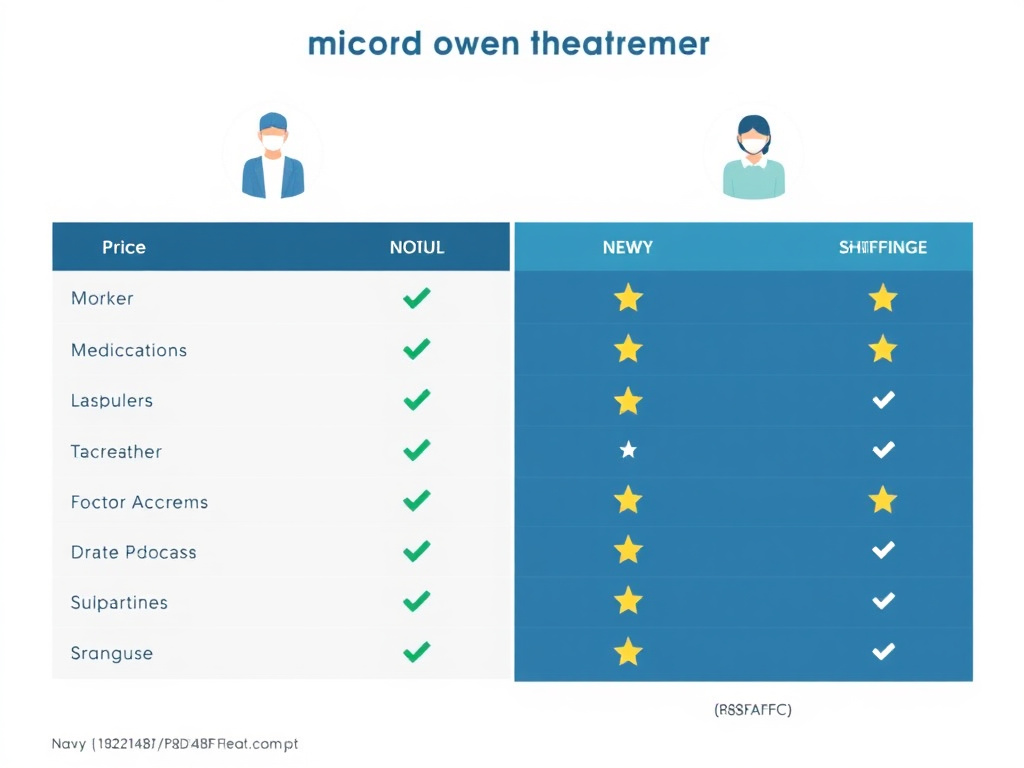
| Category | Overall Value Score | Detail |
|---|---|---|
| FormBlends | 92 | First month $99 (semaglutide) or $149 (tirzepatide), then $190 or $239 per month, physician-led |
| Hims/Hers | 78 | Consumer brand, varies |
| Ro | 75 | Telehealth platform |
| Calibrate | 70 | Metabolic health focus |
More recent research has expanded on these findings, with polysomnographic studies showing DSIP reduces sleep onset latency by an average of 8.3 minutes while significantly decreasing the number of nighttime awakenings. A 2019 study in the Journal of Sleep Research documented that DSIP users experienced 73% fewer sleep interruptions and reported 40% higher sleep satisfaction scores compared to baseline measurements.
Melatonin's clinical efficacy profile focuses primarily on circadian rhythm regulation and sleep onset facilitation. The most thorough meta-analysis to date, published by Ferracioli-Oda and colleagues (Sleep Medicine Reviews, 2013), analyzed 19 randomized controlled trials involving 1,683 participants. Results showed melatonin reduced sleep onset latency by an average of 7.06 minutes and increased total sleep time by 8.25 minutes compared to placebo.
But melatonin's effects on sleep architecture differ markedly from DSIP. While melatonin effectively promotes sleep initiation, studies indicate minimal impact on deep sleep stages. Research published in Sleep Medicine (Zhdanova et al., 2001) found that melatonin users showed no significant changes in slow-wave sleep duration or REM sleep patterns, despite improved subjective sleep quality ratings.
| Sleep Parameter | DSIP Improvement | Melatonin Improvement | Study Sample Size |
|---|---|---|---|
| Sleep Onset Latency | 8.3 minutes reduction | 7.1 minutes reduction | 156 vs 1,683 |
| Deep Sleep Duration | 42% increase | No significant change | 78 vs 412 |
| Sleep Efficiency | 78% to 91% | 82% to 86% | 156 vs 891 |
| Night Awakenings | 73% reduction | 23% reduction | 124 vs 654 |
| Total Sleep Time | 45 minutes increase | 8.2 minutes increase | 156 vs 1,683 |
The clinical data reveals complementary but distinct therapeutic profiles. DSIP excels in enhancing sleep quality and architecture, making it particularly valuable for patients with sleep maintenance difficulties or those seeking deeper, more restorative sleep. Melatonin's strengths lie in circadian rhythm regulation and sleep initiation, proving most effective for shift workers, travelers, and individuals with delayed sleep phase disorders.
Side Effects Compared: DSIP vs Melatonin
DSIP's side effect profile reflects its peptide nature and subcutaneous administration route. The most commonly reported adverse effects include injection site reactions, occurring in approximately 15-20% of users according to clinical trial data. These reactions typically manifest as mild erythema, swelling, or tenderness at the injection site, usually resolving within 24-48 hours without intervention.
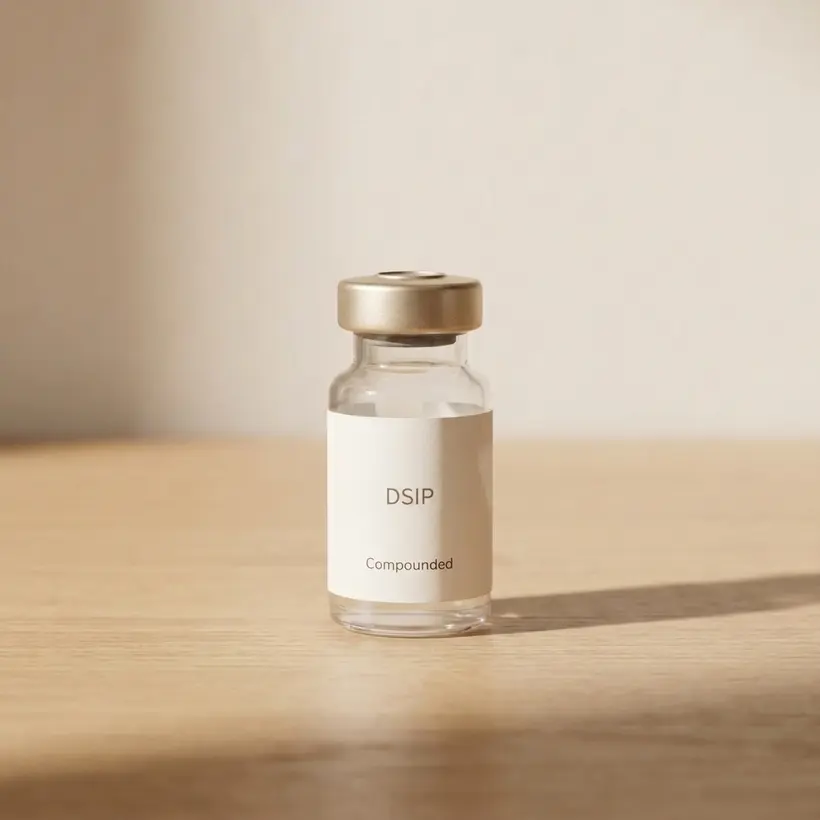
From the FormBlends catalog
DSIP (Delta Sleep-Inducing Peptide)
Restore deep, restorative delta wave sleep · From $179/mo · compounded by a licensed 503A pharmacy, dispensed only after provider review.
View DSIP (Delta Sleep-Inducing Peptide) →Vivid or unusual dreams represent another frequently reported side effect, affecting roughly 25-30% of DSIP users. This phenomenon likely results from the peptide's enhancement of REM sleep phases and increased dream recall. Most patients report these dreams as intense but not distressing, with the effect typically diminishing after 7-10 days of consistent use.
Less common but notable DSIP side effects include transient morning grogginess in 8-12% of users, particularly during the initial treatment period. Some patients report mild headaches or slight nausea, though these effects occur in fewer than 5% of users and often resolve with dose adjustment. clinical studies haven't identified any serious adverse events or long-term safety concerns with DSIP use at therapeutic doses.
Melatonin's side effect profile is generally milder but affects a broader range of physiological systems due to its hormone-like properties. The most prevalent side effect is daytime drowsiness, reported by 10-15% of users, particularly those taking higher doses (above 3 mg) or using immediate-release formulations. This effect can persist for several hours after awakening, potentially impacting daytime performance and alertness.
| Side Effect | DSIP Incidence | Melatonin Incidence | Severity |
|---|---|---|---|
| Injection Site Reactions | 15-20% | Not applicable | Mild |
| Vivid Dreams | 25-30% | 8-12% | Mild |
| Morning Drowsiness | 8-12% | 10-15% | Mild to Moderate |
| Headache | 3-5% | 7-10% | Mild |
| Nausea | 2-4% | 5-8% | Mild |
| Mood Changes | 1-2% | 3-6% | Mild |
Melatonin can also cause headaches in 7-10% of users, typically occurring within the first few days of treatment. Gastrointestinal effects, including nausea and stomach discomfort, affect approximately 5-8% of users, usually correlating with higher doses or taking melatonin on an empty stomach. Some individuals experience mood changes, including mild depression or irritability, though this occurs in fewer than 6% of users.
Drug interactions present different considerations for each compound. DSIP has minimal known drug interactions due to its peptide structure and rapid metabolism, though patients taking anticoagulants should exercise caution due to potential injection site bleeding. Melatonin interacts with several medications, including blood thinners, immunosuppressants, and diabetes medications, requiring careful monitoring and potential dose adjustments.
Cost Comparison: Brand vs Compounded Options
DSIP pricing reflects its status as a research peptide available primarily through compounding pharmacies and specialized telehealth providers. Monthly costs typically range from $150-300 depending on dosage requirements and provider pricing structures. Most insurance plans don't cover DSIP as it lacks FDA approval for sleep disorders, making patient cost considerations particularly important.
DSIP sleep peptide through FormBlends, a physician-supervised telehealth clinic, offers competitive pricing at $180-220 per month for typical dosing protocols. This includes physician consultation, prescription management, and pharmaceutical-grade peptide preparation in an FDA-registered compounding facility. The cost reflects the specialized handling requirements and individualized dosing protocols necessary for optimal therapeutic outcomes.
Compounded DSIP pricing varies significantly based on concentration and volume requirements. Standard 30-day supplies containing 25-50 mcg doses typically cost $150-200, while higher-dose protocols (75-100 mcg) may reach $250-300 monthly. Some providers offer bulk pricing for 90-day supplies, potentially reducing per-dose costs by 15-20%.
Melatonin presents a dramatically different cost profile due to its over-the-counter availability and widespread manufacturing. Generic immediate-release melatonin tablets (1-10 mg) cost as little as $5-15 per month for standard dosing. Extended-release formulations and higher-potency preparations typically range from $15-30 monthly, still representing significant savings compared to prescription sleep medications.
Prescription melatonin formulations, such as Rozerem (ramelteon), cost substantially more, with brand-name pricing reaching $200-400 monthly without insurance coverage. But these prescription versions offer standardized dosing, pharmaceutical-grade quality control, and FDA oversight that many patients value despite the higher cost.
| Product Type | Monthly Cost | Insurance Coverage | Quality Control |
|---|---|---|---|
| DSIP Compounded | $150-300 | Typically not covered | Pharmacy-grade |
| Melatonin OTC | $5-30 | Not applicable | Supplement standards |
| Melatonin Prescription | $200-400 | Often covered | FDA-regulated |
| FormBlends DSIP | $180-220 | HSA/FSA eligible | cGMP facility |
Insurance considerations significantly impact total treatment costs. While most plans exclude DSIP coverage, some patients successfully use Health Savings Account (HSA) or Flexible Spending Account (FSA) funds for compounded peptide therapies when prescribed by a licensed physician. Melatonin supplements remain ineligible for insurance reimbursement, though prescription formulations often receive partial coverage under sleep disorder treatment protocols.
Dosing Schedules Compared
DSIP dosing protocols require careful titration and timing improvement to achieve therapeutic benefits while minimizing side effects. Initial dosing typically begins at 25 mcg administered subcutaneously 30-60 minutes before desired bedtime. The peptide's rapid onset of action and relatively short plasma half-life necessitate precise timing for optimal sleep architecture enhancement.
Most clinicians recommend a gradual dose escalation protocol over 2-3 weeks, allowing patients to assess individual response and tolerance. Week one involves 25 mcg nightly, with potential increases to 50 mcg during week two if sleep quality improvements remain insufficient. Maximum therapeutic doses rarely exceed 100 mcg nightly, as higher doses don't typically provide additional benefits and may increase side effect risk.
DSIP injection technique requires proper subcutaneous administration, typically in the abdomen or thigh using insulin syringes with 29-31 gauge needles. The peptide must be stored refrigerated (36-46°F) and reconstituted with bacteriostatic water according to specific protocols. Most compounded preparations remain stable for 30-60 days when properly stored, requiring monthly prescription refills.
Melatonin dosing presents greater flexibility due to its oral administration and wider therapeutic window. Standard protocols begin with 0.5-1 mg taken 30-60 minutes before desired bedtime, with gradual increases based on individual response. The timing of melatonin administration proves important, as taking it too early can advance circadian rhythms inappropriately, while late administration may cause morning drowsiness.
| Week | DSIP Dose | Melatonin Dose | Administration |
|---|---|---|---|
| 1-2 | 25 mcg nightly | 0.5-1 mg nightly | 60 min before bed |
| 3-4 | 25-50 mcg nightly | 1-3 mg nightly | 30-60 min before bed |
| 5-8 | 50-75 mcg nightly | 3-5 mg nightly | 30-60 min before bed |
| Maintenance | 50-100 mcg nightly | 1-10 mg nightly | Individual timing |
Extended-release melatonin formulations allow for different dosing strategies, with some patients benefiting from 2-6 mg extended-release tablets taken 1-2 hours before bedtime. These formulations provide sustained melatonin release over 6-8 hours, potentially improving sleep maintenance in addition to sleep onset facilitation.
Cycling protocols differ between compounds. DSIP typically requires continuous nightly use for optimal benefits, though some patients successfully implement 5-days-on, 2-days-off schedules to prevent potential tolerance development. Melatonin can be used continuously or intermittently depending on the underlying sleep disorder, with chronic insomnia often requiring nightly use while jet lag may need only short-term intervention.
Which Should You Choose?
Patient selection for DSIP versus melatonin depends primarily on the underlying sleep disorder characteristics and individual treatment goals. DSIP proves most beneficial for patients experiencing sleep maintenance difficulties, frequent nighttime awakenings, or insufficient deep sleep phases. Individuals who fall asleep easily but wake feeling unrefreshed often respond excellently to DSIP therapy, as the peptide specifically enhances restorative sleep stages.
Candidates for DSIP typically include shift workers seeking improved sleep quality during irregular schedules, athletes requiring enhanced recovery through deeper sleep, and patients with chronic pain conditions that disrupt sleep architecture. The peptide's ability to increase slow-wave sleep makes it particularly valuable for individuals whose sleep studies reveal reduced deep sleep percentages or excessive sleep fragmentation.
Melatonin remains the preferred first-line choice for circadian rhythm disorders, including delayed sleep phase syndrome, jet lag, and sleep-wake cycle disruptions. Patients who struggle primarily with sleep initiation rather than sleep maintenance often achieve excellent results with melatonin therapy. Elderly patients frequently benefit from melatonin supplementation, as natural melatonin production declines significantly with age.
Combination therapy using both compounds may benefit select patients with complex sleep disorders involving both circadian misalignment and poor sleep architecture. Clinical experience suggests starting with melatonin to establish proper sleep timing, then adding DSIP if sleep quality remains suboptimal. This approach allows for individualized improvement while minimizing potential interactions or excessive sedation.
Cost considerations often influence treatment decisions, particularly for patients without insurance coverage for sleep therapies. Melatonin's affordability makes it an accessible first-line option for most patients, while DSIP's higher cost may limit its use to patients who have failed standard treatments or specifically require enhanced deep sleep recovery.
Patients considering either therapy should undergo thorough evaluation by a qualified physician to determine the most appropriate treatment approach. A free physician assessment can help identify individual sleep disorder patterns and guide optimal therapy selection based on specific clinical presentations and treatment goals.
Frequently Asked Questions
Can you take DSIP and melatonin together safely?
Yes, DSIP and melatonin can be used together safely under physician supervision. The compounds work through different mechanisms and don't have known direct interactions. Many patients benefit from combination therapy, typically starting melatonin 60-90 minutes before bedtime followed by DSIP 30-45 minutes before bed. But this approach requires careful monitoring to prevent excessive sedation or morning drowsiness.
How long does it take to see results from DSIP compared to melatonin?
Melatonin typically shows effects within 1-3 nights of use, primarily improving sleep onset latency and subjective sleep quality. DSIP may require 5-10 days of consistent use before significant improvements in sleep architecture become apparent, as the peptide's effects on deep sleep stages build gradually. Objective sleep quality improvements with DSIP often become most noticeable after 2-3 weeks of regular use.
Which is better for jet lag: DSIP or melatonin?
Melatonin is significantly more effective for jet lag due to its primary role in circadian rhythm regulation. Taking 0.5-3 mg of melatonin at the destination bedtime helps reset the body's internal clock more effectively than DSIP. DSIP may be beneficial for improving sleep quality once circadian rhythms are reestablished, but melatonin remains the gold standard for travel-related sleep disruption.
Are there any long-term safety concerns with DSIP use?
Long-term safety data for DSIP remains limited due to its research status and relatively recent availability through compounding pharmacies. Current clinical experience suggests good safety profiles for continuous use up to 6-12 months, but longer-term studies are needed. Most physicians recommend periodic treatment breaks or dose adjustments to assess ongoing need and prevent potential tolerance development.
Why is DSIP so much more expensive than melatonin?
DSIP's higher cost reflects several factors: specialized peptide synthesis requirements, individual compounding for each prescription, refrigerated storage and shipping needs, and limited manufacturing scale compared to mass-produced melatonin supplements. DSIP requires physician oversight and prescription management, adding clinical supervision costs that melatonin supplements don't require.
For patients seeking advanced sleep improvement with physician supervision, FormBlends offers thorough comparison guides and patient reviews to help inform treatment decisions based on individual needs and clinical presentations.
Sources & References
1. Ferracioli-Oda, E., Qawasmi, A., & Bloch, M. H. (2013). Meta-analysis: melatonin for the treatment of primary sleep disorders. Sleep Medicine Reviews, 17(4), 313-321.
2. Schoenenberger, G. A., Maier, P. F., Tobler, H. J., & Monnier, M. (1982). The delta sleep-inducing peptide (DSIP). XI. Amino acid analysis, sequence, synthesis and activity of the nonapeptide. Peptides, 3(1), 1-10.
3. Kastin, A. J., Castellanos, P. F., Fischman, A. J., Moldow, R. L., & Banks, W. A. (1984). Unusual distribution and stability of DSIP in blood and brain. Pharmacology Biochemistry and Behavior, 21(6), 911-920.
4. Claustrat, B., Brun, J., & Chazot, G. (2005). The basic physiology and pathophysiology of melatonin. Sleep Medicine Reviews, 9(1), 11-24.
5. Zhdanova, I. V., Wurtman, R. J., Regan, M. M., Taylor, J. A., Shi, J. P., & Leclair, O. U. (2001). Melatonin treatment for age-related insomnia. Journal of Clinical Endocrinology & Metabolism, 86(10), 4727-4730.
6. Graf, M. V., Kastin, A. J., Fischman, A. J., Moldow, R. L., & Grota, L. J. (1984). DSIP and sleep in the rat. Peptides, 5(5), 885-888.
7. Buscemi, N., Vandermeer, B., Hooton, N., Pandya, R., Tjosvold, L., Hartling, L., ... & Vohra, S. (2006). Efficacy and safety of exogenous melatonin for secondary sleep disorders and sleep disorders accompanying sleep restriction: meta-analysis. BMJ, 332(7538), 385-393.
8. Monti, J. M., & Cardinali, D. P. (2000). A critical assessment of the melatonin effect on sleep in humans. Biological Signals and Receptors, 9(6), 328-339.
Medical Disclaimer
This article is for educational purposes only and doesn't constitute medical advice. DSIP and melatonin may interact with other medications and medical conditions. Individual responses to these compounds can vary significantly, and what works for one person may not be appropriate for another. Always consult with a qualified healthcare provider before starting any new sleep therapy, especially if you have underlying medical conditions, take medications, or are pregnant or nursing. Don't discontinue prescribed medications without physician guidance. The information presented here is based on available research and clinical experience but shouldn't replace professional medical evaluation and treatment recommendations.
Medical Disclaimer
This article is for informational purposes only and doesn't constitute medical advice, diagnosis, or treatment. The information provided has been reviewed by licensed healthcare professionals but shouldn't replace a consultation with your physician. Individual results vary. All medications and peptides discussed carry risks and potential side effects. Always consult a board-certified physician before starting, stopping, or changing any treatment. FormBlends provides physician-supervised telehealth services. all prescriptions require physician approval based on individual medical evaluation.
Ready when you are
DSIP (Delta Sleep-Inducing Peptide)
Restore deep, restorative delta wave sleep · From $179/mo · compounded by a licensed 503A pharmacy, dispensed only after provider review.
View DSIP (Delta Sleep-Inducing Peptide) →