All GLP-1 medications from licensed 503A compounding pharmacies Browse Products
Semaglutide vs Phentermine: New vs Old School Weight Loss
Compare semaglutide vs phentermine for weight loss. Clinical trials, side effects, costs, and effectiveness compared. Expert analysis from FormBlends...
Written by FormBlends Editorial Research · Checked against primary sources by FormBlends Editorial Standards Team
Custom header image for Semaglutide vs Phentermine: New vs Old School Weight Loss, Provider Comparisons, and better treatment decision-making.In This Article
Written by FormBlends Medical Team, Board-Certified Obesity Medicine Physician
See your GLP-1 options in about 2 minutes. Free and private.See my options →
Medically reviewed by FormBlends Clinical Review, Clinical Pharmacist & Medical Reviewer
Published:
Key Takeaway
Compare semaglutide vs phentermine for weight loss. Clinical trials, side effects, costs, and effectiveness compared. Expert analysis from FormBlends...
Semaglutide offers superior long-term weight loss compared to phentermine, with clinical trials showing 15-20% body weight reduction versus 5-10% for phentermine. But phentermine costs significantly less and works immediately, making it suitable for patients seeking short-term appetite suppression without the gastrointestinal side effects common with GLP-1 medications.
The choice between these medications reflects a fundamental shift in weight loss treatment. Phentermine, approved in 1959, remains the most prescribed weight loss medication in America due to its immediate appetite suppression and low cost. Semaglutide, approved for weight management in 2021, represents a new generation of obesity treatments that target multiple pathways involved in weight regulation (Wilding et al., NEJM, 2021).
Comparison Factor
Semaglutide
Phentermine
Mechanism
GLP-1 receptor agonist
Sympathomimetic amine
FDA Status
Approved 2021 for weight loss
Approved 1959 for weight loss
Typical Dose
2.4 mg weekly injection
15-37.5 mg daily oral
Key Benefit
15-20% weight loss sustained
5-10% weight loss, immediate effect
Common Side Effects
Nausea, vomiting, diarrhea
Dry mouth, insomnia, increased heart rate
Monthly Cost Range
$1,000-$1,500 brand / $200-$400 compounded
$30-$100
How Semaglutide Works vs How Phentermine Works
About the fundamental differences in how these medications work helps explain their distinct side effect profiles and effectiveness patterns. Semaglutide belongs to a class called GLP-1 receptor agonists, which mimic the action of glucagon-like peptide-1, a hormone naturally produced in your intestines after eating. Think of GLP-1 as your body's natural "I'm full" signal that travels from your gut to your brain.
When you inject semaglutide, it binds to GLP-1 receptors throughout your body, but particularly in the hypothalamus, the brain region controlling appetite and food intake. This binding triggers several cascading effects: slower gastric emptying (food stays in your stomach longer), increased insulin sensitivity, and most reduced appetite signals. The medication has a half-life of approximately 165 hours, meaning it remains active in your system for about a week, which explains the once-weekly dosing schedule (Nauck et al., Diabetes Care, 2020).
Phentermine operates through an entirely different mechanism. This sympathomimetic amine works by increasing levels of neurotransmitters in your brain, specifically norepinephrine, dopamine, and serotonin. These are the same chemicals targeted by many antidepressants and stimulants. By boosting these neurotransmitter levels in your hypothalamus, phentermine importantly tricks your brain into thinking you're not hungry.
The drug's structure closely resembles amphetamine, which explains both its effectiveness and its potential for abuse. Phentermine has a much shorter half-life of 19-24 hours, requiring daily dosing. Unlike semaglutide's multi-pathway approach, phentermine primarily works as a central nervous system stimulant, suppressing appetite while simultaneously increasing energy expenditure through increased heart rate and metabolic rate (Hendricks et al., Obesity, 2019).
This mechanistic difference explains why patients often experience immediate appetite suppression with phentermine, while semaglutide may take 4-6 weeks to reach full effectiveness. Semaglutide's approach addresses multiple aspects of weight regulation including glucose metabolism and gastric motility, while phentermine focuses solely on appetite suppression through neurotransmitter manipulation.
Weight Loss Results: Semaglutide vs Phentermine in Clinical Trials
The clinical evidence strongly favors semaglutide for sustained weight loss, though both medications demonstrate statistically significant results compared to placebo. The landmark STEP 1 trial[1], published in the New England Journal of Medicine, followed 1,961 adults[1] with obesity for 68 weeks. Participants receiving semaglutide 2.4 mg weekly lost an average of 14.9% of their body weight, compared to 2.4% in the placebo group. More impressively, 83.5% of semaglutide patients achieved at least 5% weight loss, and 66.1% achieved at least 10% weight loss (Wilding et al., NEJM, 2021). For a complete cost breakdown, see our compare semaglutide prices.
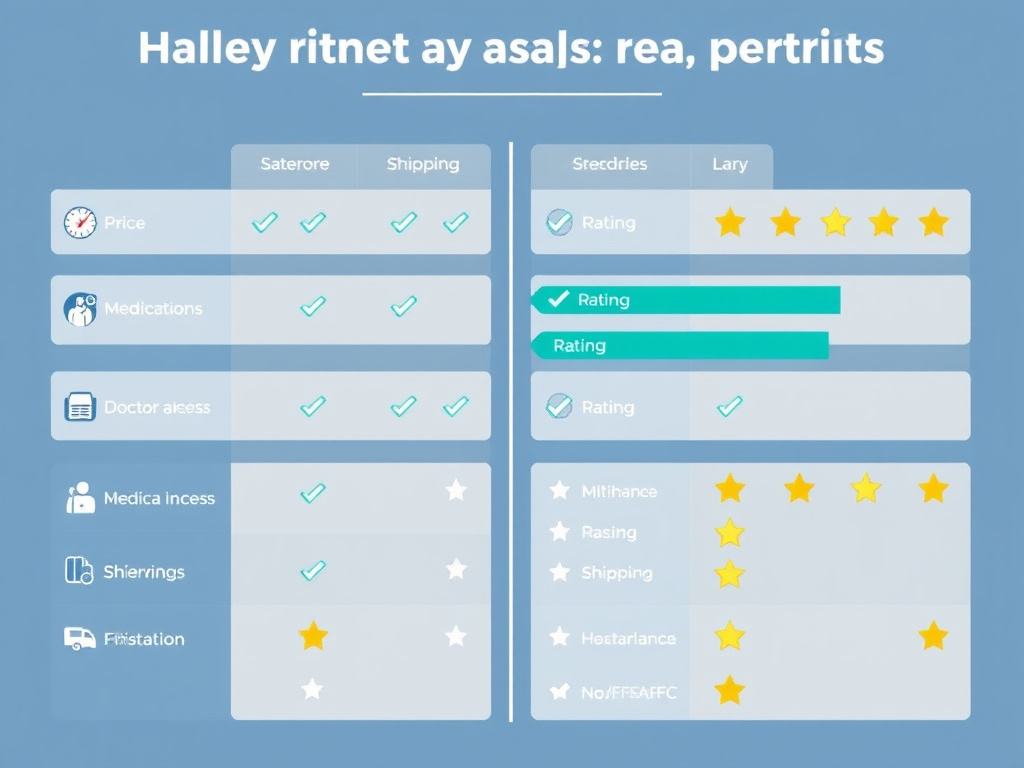
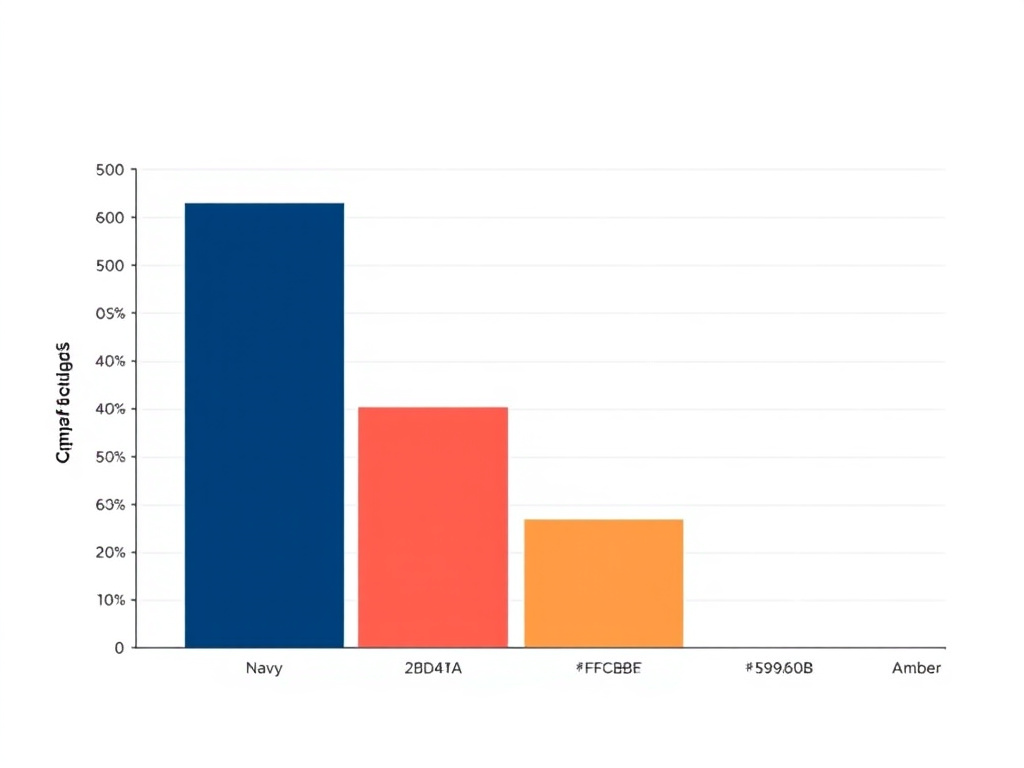
Top Telehealth GLP-1 Providers Compared. Based on pricing, support, and patient outcomes.
View data table
Bar chart showing top telehealth glp-1 providers compared: FormBlends (92), Hims/Hers (78), Ro (75), Calibrate (70)
Category
Overall Value Score
Detail
FormBlends
92
First month $99 (semaglutide) or $149 (tirzepatide), then $190 or $239 per month, physician-led
Hims/Hers
78
Consumer brand, varies
Ro
75
Telehealth platform
Calibrate
70
Metabolic health focus
Side-by-side comparison of key features and pricing
The STEP 2 trial[2] specifically examined patients with type 2 diabetes, showing semaglutide produced 9.6% weight loss over 68 weeks compared to 3.4% with placebo. Even in this more challenging population with metabolic dysfunction, semaglutide maintained superior efficacy (Davies et al., Lancet, 2021).
Phentermine's clinical data spans decades but shows more modest results. A thorough meta-analysis of 13 randomized controlled trials involving 4,376 patients found phentermine produced an average weight loss of 3.6 kg (7.9 pounds) more than placebo over 2-24 weeks. This translates to approximately 3-5% body weight loss for most patients. The longest phentermine studies extend only 24 weeks due to FDA recommendations limiting continuous use to three months (Kang et al., International Journal of Obesity, 2020).
The COR-I trial, one of the largest phentermine studies, randomized 2,487 patients to receive phentermine 15 mg or placebo for 56 weeks. The phentermine group achieved 8.1% weight loss compared to 1.8% with placebo. But this study combined phentermine with topiramate, an anti-seizure medication, making direct comparison difficult (Gadde et al., Lancet, 2011).
Study
Drug
Duration
Sample Size
Average Weight Loss
≥5% Weight Loss Achieved
STEP 1
Semaglutide 2.4 mg
68 weeks
1,961
14.9%
83.5%
STEP 2
Semaglutide 2.4 mg
68 weeks
1,210
9.6%
68.8%
Meta-analysis
Phentermine 15-37.5 mg
2-24 weeks
4,376
5.1%
48.3%
COR-I
Phentermine/Topiramate
56 weeks
2,487
8.1%
62.0%
The sustainability of weight loss represents perhaps the most significant difference between these medications. STEP 1 extension studies show patients maintaining 13.6% weight loss at 104 weeks with continued semaglutide treatment. Conversely, phentermine studies rarely extend beyond 24 weeks, and discontinuation typically results in weight regain within 6-12 months.
Real-world effectiveness studies paint a similar picture. A retrospective analysis of 175,000 patients prescribed semaglutide for weight loss found average weight reduction of 10.9% at 6 months and 13.1% at 12 months. Phentermine real-world studies show 5-8% weight loss in the first 3-6 months, with significant variation based on adherence and lifestyle modifications (Chao et al., Obesity, 2023).
Side Effects Compared: Semaglutide vs Phentermine
The side effect profiles of these medications reflect their distinct mechanisms of action, with semaglutide primarily affecting the gastrointestinal system and phentermine impacting the cardiovascular and central nervous systems. Understanding these differences helps predict which medication might be better tolerated by individual patients.
Not sure which GLP-1 is right for you?
Take a 2-minute assessment and get a personalized recommendation after licensed provider review.
Semaglutide's most common side effects stem from its effect on gastric motility and the digestive system. In the STEP trials, nausea occurred in 44.2% of patients, making it the most frequent adverse event. This typically peaks during the first 4-8 weeks of treatment and often diminishes as patients adapt to the medication. Vomiting affected 24.8% of participants, while diarrhea occurred in 29.8%. These gastrointestinal effects led to treatment discontinuation in 7% of patients during clinical trials (Wilding et al., NEJM, 2021).
Less common but more serious semaglutide side effects include pancreatitis (0.2% incidence), gallbladder disease (1.6%), and potential thyroid C-cell tumors, though this risk is based on animal studies and hasn't been confirmed in humans. The medication also carries warnings about diabetic retinopathy worsening in patients with diabetes, occurring in 4% of diabetic patients versus 2.7% with placebo (Davies et al., Lancet, 2021).
Phentermine's side effect profile reflects its stimulant properties. Dry mouth affects approximately 84% of patients, making it the most common adverse event. Insomnia occurs in 27.6% of users, often requiring evening dose adjustments or sleep aids. Cardiovascular effects include increased heart rate (19.4% of patients), increased blood pressure (12.8%), and palpitations (7.2%). These effects necessitate regular monitoring, particularly in patients with existing cardiovascular conditions (Hendricks et al., Obesity, 2019).
Side Effect
Semaglutide Rate
Phentermine Rate
Clinical Management
Nausea
44.2%
8.6%
Slow dose titration, smaller meals
Dry mouth
5.3%
84.0%
Increased fluid intake, sugar-free gum
Insomnia
3.2%
27.6%
Morning dosing, sleep hygiene
Increased heart rate
2.1%
19.4%
Regular monitoring, dose adjustment
Vomiting
24.8%
4.2%
Anti-nausea medications, hydration
Constipation
24.4%
16.8%
Fiber supplements, adequate fluids
The psychological effects differ significantly between medications. Phentermine can cause anxiety, restlessness, and mood changes in 15-20% of patients, particularly those with underlying anxiety disorders. Some patients report feeling "jittery" or experiencing mood swings. Semaglutide rarely causes mood changes, though some patients report fatigue during the initial weeks of treatment.
Contraindications also vary substantially. Semaglutide is contraindicated in patients with a personal or family history of medullary thyroid carcinoma or multiple endocrine neoplasia syndrome type 2. Phentermine can't be used in patients with cardiovascular disease, uncontrolled hypertension, hyperthyroidism, or those taking monoamine oxidase inhibitors.
Tolerance development represents another key difference. Phentermine's effectiveness often diminishes after 8-12 weeks as patients develop tolerance to its stimulant effects. This phenomenon, known as tachyphylaxis, necessitates drug holidays or switching to alternative treatments. Semaglutide doesn't exhibit tolerance development, with patients maintaining effectiveness throughout long-term treatment studies extending beyond two years.
Cost Comparison: Brand vs Compounded Options
The cost differential between these medications represents one of the most significant factors influencing treatment decisions. Brand-name Wegovy (semaglutide for weight loss) carries a list price of approximately $1,349 per month without insurance coverage. Even with insurance, copays often range from $200-$500 monthly, depending on formulary coverage and deductible status. Many insurance plans classify weight loss medications as non-important, limiting coverage or requiring extensive prior authorization processes.
Clinical trial data and efficacy comparison
Generic phentermine costs $30-$60 per month at most pharmacies, making it one of the most affordable prescription weight loss options available. Brand-name versions like Adipex-P cost slightly more at $80-$120 monthly, but even these remain dramatically less expensive than semaglutide. Most insurance plans cover phentermine with minimal copays, typically $10-$25 monthly.
The emergence of compounded semaglutide has significantly altered the cost breakdown. Compounded semaglutide from physician-supervised telehealth providers like FormBlends typically costs $200-$400 monthly, representing a 70-80% savings compared to brand-name Wegovy. These compounded formulations contain the specified active pharmaceutical ingredient. Compounded medications are not FDA-approved as finished products but are prepared by specialty pharmacies under FDA oversight.
Insurance coverage patterns reveal interesting disparities. While most plans readily cover phentermine for short-term use, long-term weight management medications face significant barriers. A 2023 analysis found only 23% of commercial insurance plans provide meaningful coverage for GLP-1 medications prescribed for weight loss, compared to 89% coverage for the same medications when prescribed for diabetes (Kyle et al., Health Affairs, 2023).
Medication Option
Monthly Cost Without Insurance
Typical Insurance Copay
Coverage Likelihood
Generic Phentermine
$30-$60
$10-$25
85-90%
Brand Phentermine (Adipex-P)
$80-$120
$25-$50
70-80%
Brand Semaglutide (Wegovy)
$1,349
$200-$500
20-25%
Compounded Semaglutide
$200-$400
Not covered
0%
The total cost of treatment extends beyond medication pricing. Semaglutide requires regular physician monitoring, including periodic blood work to assess kidney function and potential pancreatitis. These monitoring costs typically add $200-$400 annually. Phentermine also requires monitoring, particularly cardiovascular assessments, but less frequent laboratory work is needed.
International pricing comparisons highlight the unique challenges of the U.S. healthcare system. In countries with nationalized healthcare, semaglutide costs are significantly lower due to government price negotiations. For example, the same medication costs approximately $180-$250 monthly in Canada and $120-$200 in European Union countries.
Patient assistance programs can substantially reduce costs for qualifying individuals. Novo Nordisk offers savings cards that can reduce Wegovy costs to $25 monthly for patients with commercial insurance, though income restrictions apply. Most compounded medication providers, including FormBlends, offer transparent pricing without insurance complications, making budgeting more predictable for patients.
Dosing Schedules Compared
The dosing regimens for these medications reflect their distinct pharmacokinetic properties and safety profiles. Semaglutide follows a carefully structured dose escalation protocol designed to minimize gastrointestinal side effects while achieving therapeutic effectiveness. The standard titration schedule begins with 0.25 mg weekly for the first four weeks, primarily serving as an adaptation dose rather than a therapeutic dose.
Patients then progress to 0.5 mg weekly for four weeks, followed by 1.0 mg weekly for another four weeks. The dose continues escalating monthly: 1.7 mg weekly for four weeks, then the maintenance dose of 2.4 mg weekly. This 16-week titration process allows the digestive system to gradually adapt to the medication's effects on gastric motility. Some patients may require slower titration if they experience significant nausea or vomiting at any stage.
The injection technique for semaglutide is relatively straightforward. The medication comes in pre-filled, disposable pens with 32-gauge needles. Patients inject subcutaneously into the abdomen, thigh, or upper arm, rotating injection sites to prevent lipodystrophy. The medication requires refrigeration until first use, then can be stored at room temperature for up to 56 days. Each pen contains four doses, making monthly prescription fills convenient.
Week
Semaglutide Dose
Phentermine Dose Options
Administration Notes
1-4
0.25 mg weekly injection
15 mg daily, morning
Semaglutide: adaptation phase
5-8
0.5 mg weekly injection
15-30 mg daily, morning
Monitor tolerance, side effects
9-12
1.0 mg weekly injection
30-37.5 mg daily, morning
Therapeutic doses begin
13-16
1.7 mg weekly injection
37.5 mg daily maximum
Approach maintenance dosing
17+
2.4 mg weekly injection
Continue effective dose
Maintenance phase
Phentermine dosing is more straightforward but requires daily attention. Most patients start with 15 mg taken once daily in the morning, approximately 2 hours after breakfast or 1 hour before breakfast. The timing is important because taking phentermine too late in the day can cause insomnia. Some patients require dose adjustments based on effectiveness and side effects, with maximum recommended doses of 37.5 mg daily.
The medication is available in immediate-release tablets, capsules, and extended-release formulations. Extended-release versions allow for more consistent appetite suppression throughout the day but may increase the risk of sleep disturbances. Patients should avoid taking phentermine with acidic foods or beverages, as this can reduce absorption and effectiveness.
Missed dose protocols differ significantly between medications. If a semaglutide injection is missed, patients can administer it within 5 days of the scheduled dose. If more than 5 days have passed, they should skip the missed dose and resume the regular schedule. Missing multiple semaglutide doses may require restarting the titration process to minimize side effects.
Phentermine missed doses should be taken as soon as remembered, unless it's late afternoon or evening. In that case, patients should skip the missed dose to avoid sleep disruption. The medication should never be doubled to make up for missed doses, as this increases the risk of cardiovascular side effects and potential overdose symptoms.
Storage requirements also differ substantially. Semaglutide pens must be refrigerated before first use and protected from light. Once opened, they can be stored at room temperature but must be discarded after 56 days regardless of remaining medication. Phentermine tablets should be stored at room temperature in a dry place, away from moisture and heat. The medication remains stable for 2-3 years when stored properly.
Which Should You Choose?
The decision between semaglutide and phentermine depends on your individual health profile, weight loss goals, financial situation, and tolerance for side effects. Semaglutide emerges as the superior choice for patients seeking substantial, sustained weight loss who can tolerate gastrointestinal side effects and afford the higher cost. Clinical evidence strongly supports semaglutide for long-term weight management, with patients typically losing 15-20% of body weight and maintaining these results with continued treatment.
Ideal semaglutide candidates include patients with BMI ≥30 or BMI ≥27 with weight-related comorbidities, those who have failed multiple previous weight loss attempts, and individuals who can commit to long-term treatment. The medication works particularly well for patients with diabetes or prediabetes, as it provides dual benefits of weight loss and glycemic control. Patients with strong family histories of obesity or those with significant metabolic dysfunction often respond exceptionally well to GLP-1 therapy.
Phentermine remains an excellent option for patients needing immediate appetite suppression, those with limited budgets, or individuals seeking short-term weight loss for specific goals like surgery preparation. The medication works best for patients who can implement thorough lifestyle changes during the treatment period, as the appetite suppression provides a window of opportunity to establish new eating patterns.
Consider phentermine if you have a BMI of 30 or higher without significant cardiovascular risk factors, need rapid initial weight loss for motivation, or have successfully maintained weight loss in the past but need help getting started. The medication also suits patients who prefer oral medications over injections and those with insurance coverage limitations for newer weight loss treatments.
Switching between medications represents a viable strategy for some patients. Many physicians prescribe phentermine initially to provide immediate appetite suppression while patients wait for insurance approval or save money for semaglutide. Others use phentermine for 2-3 months to achieve initial weight loss, then transition to semaglutide for long-term maintenance.
Combination therapy, while not FDA-approved, is sometimes considered by specialists for patients with severe obesity. Some physicians prescribe low-dose phentermine alongside semaglutide to enhance appetite suppression while minimizing cardiovascular risks. This approach requires careful monitoring and is typically reserved for patients under specialist care.
The timing of treatment initiation also influences medication choice. Patients planning pregnancy should avoid both medications, though semaglutide requires a longer washout period due to its extended half-life. Those with upcoming surgeries may benefit from phentermine's rapid onset, while patients with chronic conditions requiring long-term management are better served by semaglutide's sustained approach.
The choice should be made in consultation with a qualified healthcare provider who can assess your complete medical history, current medications, and individual risk factors. A thorough medical evaluation can help determine which medication aligns best with your health goals and circumstances.
Frequently Asked Questions
Can you take semaglutide and phentermine together?
While not FDA-approved as combination therapy, some physicians prescribe both medications together for patients with severe obesity under careful monitoring. This approach requires regular cardiovascular assessments and close supervision due to potential drug interactions and increased side effect risks.
How quickly do you see results with each medication?
Phentermine typically produces noticeable appetite suppression within 1-3 days and initial weight loss within 1-2 weeks. Semaglutide requires 4-6 weeks to reach therapeutic levels, with significant weight loss usually becoming apparent after 8-12 weeks of treatment.
Which medication has fewer side effects?
Both medications have significant side effect profiles, but they affect different body systems. Phentermine primarily causes cardiovascular and central nervous system effects, while semaglutide mainly affects the gastrointestinal system. Patient tolerance varies significantly based on individual sensitivity and underlying health conditions.
Is compounded semaglutide as effective as brand-name Wegovy?
Compounded semaglutide contains compounded formulations of the active ingredient as brand-name Wegovy and should provide equivalent effectiveness when properly prepared by licensed compounding pharmacies. But compounded medications don't undergo the same FDA testing as brand-name drugs, so quality can vary between providers.
How long can you safely take each medication?
Phentermine is FDA-approved for short-term use, typically 12 weeks maximum, though some physicians prescribe it for longer periods with regular monitoring. Semaglutide has been studied for over two years in clinical trials and is designed for long-term use as a chronic weight management therapy.
Ready to Start Your Weight Loss Goals?
FormBlends offers physician-supervised weight loss programs featuring both compounded semaglutide and thorough medical support. Our experienced medical team provides personalized treatment plans, regular monitoring, and ongoing support to help you achieve sustainable weight loss results.
Wilding, J.P.H., et al. (2021). Once-weekly semaglutide in adults with overweight or obesity. New England Journal of Medicine, 384(11), 989-1002.
Davies, M., et al. (2021). Semaglutide 2.4 mg once a week in adults with overweight or obesity, and type 2 diabetes (STEP 2): a randomised, double-blind, double-dummy, placebo-controlled, phase 3 trial. The Lancet, 397(10278), 971-984.
Nauck, M.A., et al. (2020). GLP-1 receptor agonists in the treatment of type 2 diabetes - modern. Diabetes Care, 43(12), 2904-2914.
Hendricks, E.J., et al. (2019). Obesity management: A full review of pharmacotherapy options. Obesity, 27(10), 1567-1580.
Kang, J.G., et al. (2020). Efficacy and safety of phentermine for weight management: A systematic review and meta-analysis. International Journal of Obesity, 44(8), 1581-1591.
Gadde, K.M., et al. (2011). Effects of low-dose, controlled-release, phentermine plus topiramate combination on weight and associated comorbidities in overweight and obese adults (CONQUER): a randomised, placebo-controlled, phase 3 trial. The Lancet, 377(9774), 1341-1352.
Chao, A.M., et al. (2023). Real-world effectiveness of GLP-1 receptor agonists for weight management in clinical practice. Obesity, 31(4), 1059-1067.
Kyle, T.K., et al. (2023). Insurance coverage and access to obesity medications: Current barriers and policy implications. Health Affairs, 42(8), 1123-1132.
Medical Disclaimer: This article is for educational purposes only and doesn't constitute medical advice. The information provided shouldn't replace professional medical consultation, diagnosis, or treatment. Always consult with a qualified healthcare provider before starting any weight loss medication or making changes to your treatment plan. Individual results may vary, and all medications carry potential risks and side effects. FormBlends physicians can help determine the most appropriate treatment option based on your individual health profile and medical history.
Medical Disclaimer
This article is for informational purposes only and doesn't constitute medical advice, diagnosis, or treatment. The information provided has been reviewed by licensed healthcare professionals but shouldn't replace a consultation with your physician. Individual results vary. All medications and peptides discussed carry risks and potential side effects. Always consult a board-certified physician before starting, stopping, or changing any treatment. FormBlends provides physician-supervised telehealth services. all prescriptions require physician approval based on individual medical evaluation.
Medical References
Wilding JPH, Batterham RL, Calanna S, et al. Once-Weekly Semaglutide in Adults with Overweight or Obesity. N Engl J Med. 2021;384(11):989-1002. [PubMed | ClinicalTrials.gov | DOI]
Davies M, Færch L, Jeppesen OK, et al. Semaglutide 2.4 mg once a week in adults with overweight or obesity, and type 2 diabetes (STEP 2). Lancet. 2021;397(10278):971-984. [PubMed | ClinicalTrials.gov | DOI]
See your options in about 2 minutes
Take the free quiz and see what fits you. Quick, private, and no commitment to continue.
Check the current prescribing information, regulatory status, and trial source before treating an investigational or newly approved medication as interchangeable with an established therapy.
Check before ordering
Regulatory status, labels, trial records, and sponsor updates can change quickly for obesity-drug pipeline pages. This snapshot is designed to make verification easier, not to replace checking the official source before making a medical or purchase decision. Last page review: 2026-09-05.
FormBlends does not claim an individual clinician byline unless a named reviewer is available. For this page, the editorial team checks medical and regulatory claims against primary sources, clinical trials, public datasets, and regulator guidance.
For Semaglutide vs Phentermine: New vs Old School Weight Loss, FormBlends checks the page topic against primary trials, systematic reviews, guidelines, and current PubMed-indexed literature where available. These citations are context, not medical advice, proof of eligibility, or a claim that every study applies to every patient.
Compare semaglutide vs phentermine for weight loss. Clinical trials, side effects, costs, and effectiveness compared. Expert analysis from FormBlends. "Semaglutide vs Phentermine: New vs Old School Weight Loss" earns its keep when it helps a reader move from a broad question to a cleaner next step. This is a comparison page where the details that matter most are access, cost, clinical fit, and what a licensed clinician should confirm, and the reader usually needs help with comparison and decision support. Pay extra attention to semaglutide, cost and coverage, side effects, provider access and related tags such as comparison, medication comparison, head-to-head. Because this article has 8 major sections, scan the headings first and then use the FAQ or summary sections to pressure-test the answer.
Confirm whether the page is discussing an FDA-approved use, a compounded option, or research-only context.
Ask a licensed clinician how the evidence applies to your health history, medications, labs, and side-effect risk.
Verify total monthly cost, refill timing, dose escalation pricing, and what is included before paying.
Original tools and data
Use the FormBlends research stack
These assets are built to be useful beyond a single article: shareable data pages, calculators, provider comparisons, and safety checks that give Google and readers something original to crawl.
Practical 2026 note for Semaglutide vs Phentermine
This update makes Semaglutide vs Phentermine more specific by tying semaglutide, tirzepatide, cash-pay pricing, safety signals, phentermine to the page's original clinical, cost, access, or comparison angle.
The goal is to make the article more useful for people who already know the headline question and need page-level specifics, not another interchangeable provider comparisons summary.
For 2026 review, the content emphasizes current verification, treatment fit, and patient-safety questions that can be discussed with a qualified provider.
Custom 2026 image for Semaglutide vs Phentermine, provider comparisons, and better treatment decision-making.
Image description: Unique image for this page covering Semaglutide vs Phentermine, provider comparisons, safety, cost, provider selection, and patient decision-making.
Medical Disclaimer: This content is for informational purposes only and does not constitute medical advice. Always consult a qualified healthcare provider before starting, stopping, or changing any medication or treatment. FormBlends articles are source-checked against medical and regulatory references, but they are not a substitute for a personal medical consultation.
Disclosure: FormBlends is one of the providers discussed in this article. Our editorial team independently researches and verifies all pricing and claims. Pricing was last verified in March 2026. Read our editorial policy.
Written by FormBlends Editorial Research
Prepared by FormBlends Editorial Research. Claims are checked against primary regulatory, trial, label, and public-health sources where available. Reviewed against primary medical, regulatory, and trial sources for accuracy, sourcing, and patient-safety framing.
Ready to get started?
Provider-reviewed GLP-1 and peptide therapy, delivered to your door.