All GLP-1 medications from licensed 503A compounding pharmacies Browse Products
Telehealth vs In-Person Doctor for GLP-1: Cost, Wait & Convenience
Compare telehealth vs traditional doctors for GLP-1 medications. Detailed analysis of costs, wait times, convenience, and medical oversight for Ozempic,...
Written by FormBlends Editorial Research · Checked against primary sources by FormBlends Editorial Standards Team
Custom header image for Telehealth vs In-Person Doctor for GLP-1: Cost, Wait & Convenience, Provider Comparisons, and better treatment decision-making.In This Article
Written by FormBlends Medical Team, Board-Certified Obesity Medicine Physician
See your GLP-1 options in about 2 minutes. Free and private.See my options →
Medically reviewed by FormBlends Clinical Review, Clinical Pharmacist & Medical Reviewer
Published:
Key Takeaway
Compare telehealth vs traditional doctors for GLP-1 medications. Detailed analysis of costs, wait times, convenience, and medical oversight for Ozempic,...
Choosing between telehealth and traditional in-person care for GLP-1 medications like semaglutide and tirzepatide can save you hundreds of dollars and weeks of waiting. The decision comes down to three key factors: cost, convenience, and the level of medical oversight you prefer.
This comparison examines both approaches across pricing, medication access, doctor quality, and patient experience. If you're considering Ozempic, Wegovy, Mounjaro, or compounded alternatives, understanding these differences helps you make the right choice for your weight loss process.
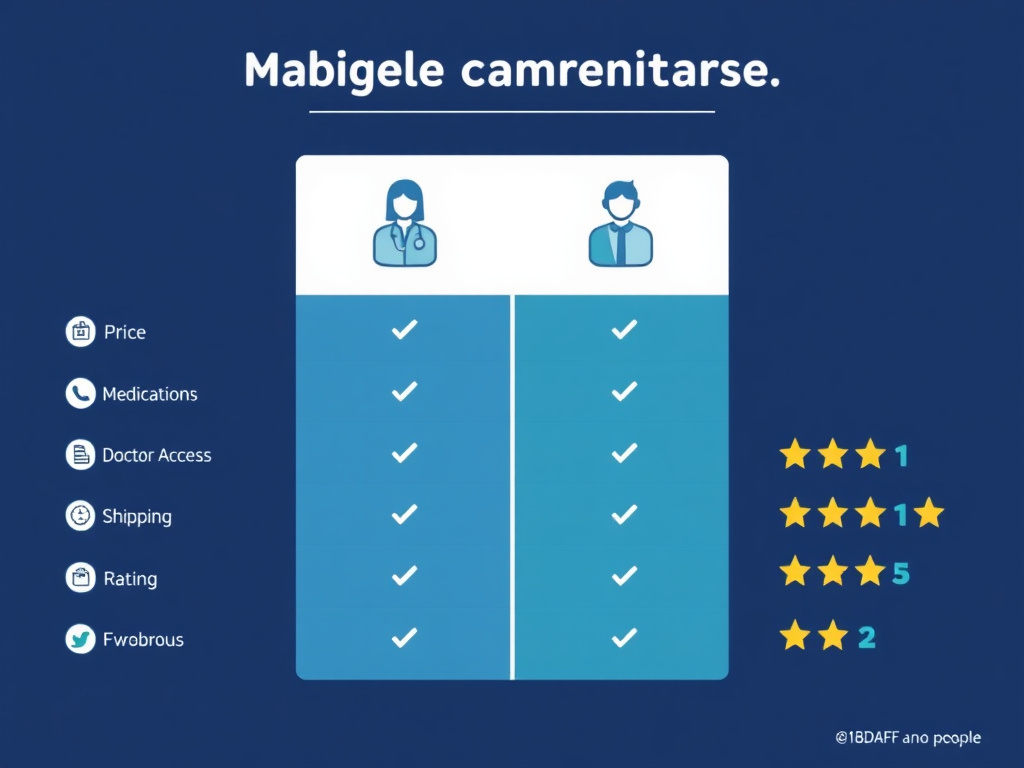
At a Glance: Key Differences
Factor
Telehealth
In-Person Doctor
Average Cost
$149-399/month
$800-1,200/month
Wait Time
24-48 hours
2-8 weeks
Medication Options
Brand + Compounded
Primarily Brand Name
Insurance Coverage
Limited
Often Covered
Telehealth GLP-1 Services: What You Get
Telehealth platforms have changed access to GLP-1 medications by eliminating traditional healthcare barriers. These services connect patients with licensed physicians through digital consultations, offering both convenience and cost savings that traditional medical offices struggle to match.
The typical telehealth experience begins with an online assessment covering your medical history, current medications, and weight loss goals. Within 24-48 hours, a licensed physician reviews your information and determines if GLP-1 therapy is appropriate. If approved, your medication ships directly to your door, often within 3-5 business days.
Pricing Structure and Costs
Telehealth GLP-1 services typically operate on subscription models with transparent pricing. Most platforms charge between $149-399 per month, which includes the physician consultation, medication, and ongoing support. FormBlends, a physician-supervised telehealth clinic, offers compounded semaglutide starting at $149 monthly with no hidden fees or insurance requirements.
The cost advantage becomes significant when compared to traditional healthcare. Brand-name medications like Ozempic can cost $800-1,000 monthly without insurance, plus additional fees for doctor visits, lab work, and pharmacy dispensing. Telehealth platforms often include these services in their monthly fee, providing predictable costs without surprise bills.
Many telehealth services also offer flexible payment options, including quarterly and annual plans with discounts. Some platforms provide medication guarantees, ensuring you receive your prescribed dose even if shipping delays occur.
Available Medications and Formulations
Telehealth platforms typically offer both brand-name and compounded GLP-1 medications. Brand options include semaglutide (Ozempic, Wegovy) and tirzepatide (Mounjaro, Zepbound), while compounded versions provide identical active ingredients at lower costs.
Compounded medications undergo rigorous quality testing at FDA-registered pharmacies, ensuring safety and efficacy comparable to brand-name drugs. These formulations allow for customized dosing and can include additional ingredients like B vitamins to support weight loss and reduce side effects.
The medication selection process involves physician evaluation of your medical history, weight loss goals, and any previous GLP-1 experience. Doctors can adjust formulations based on your response and side effect profile, providing personalized treatment not always available through traditional prescribing.
Consultation Process and Doctor Access
Telehealth consultations occur through secure video calls, phone conversations, or detailed online questionnaires reviewed by licensed physicians. The initial assessment typically takes 15-30 minutes and covers thorough medical screening, including contraindications and drug interactions.
Ongoing support varies by platform but generally includes monthly check-ins, side effect monitoring, and dose adjustments as needed. Many services provide 24/7 customer support and direct physician access through secure messaging systems.
The quality of medical oversight depends on the platform's physician network and protocols. Reputable services employ board-certified doctors specializing in obesity medicine or endocrinology, ensuring appropriate clinical supervision throughout your treatment.
Pros and Cons of Telehealth GLP-1 Services
Advantages:
Significantly lower costs compared to traditional healthcare
Rapid access to treatment without lengthy wait times
Convenient home delivery of medications
Access to both brand-name and compounded options
Transparent pricing without insurance complications
Flexible scheduling for consultations and follow-ups
Disadvantages:
Limited physical examination capabilities
Potential for less thorough medical evaluation
Insurance typically doesn't cover telehealth GLP-1 services
Varying quality standards across different platforms
May not be suitable for complex medical conditions
In-Person Doctor Visits: Traditional Healthcare Approach
Traditional in-person medical care for GLP-1 therapy involves working with your primary care physician, endocrinologist, or obesity medicine specialist. This approach provides thorough medical evaluation, physical examination, and integration with your existing healthcare team.
Top Telehealth GLP-1 Providers Compared. Based on pricing, support, and patient outcomes.
View data table
Bar chart showing top telehealth glp-1 providers compared: FormBlends (92), Hims/Hers (78), Ro (75), Calibrate (70)
Category
Overall Value Score
Detail
FormBlends
92
First month $99 (semaglutide) or $149 (tirzepatide), then $190 or $239 per month, physician-led
Hims/Hers
78
Consumer brand, varies
Ro
75
Telehealth platform
Calibrate
70
Metabolic health focus
Side-by-side comparison of key features and pricing
The process typically begins with scheduling an appointment, which can take 2-8 weeks depending on specialist availability and location. During your visit, the doctor conducts a physical examination, reviews medical history, and may order laboratory tests to assess your suitability for GLP-1 therapy.
If approved for treatment, your doctor prescribes brand-name medications like Ozempic, Wegovy, Mounjaro, or Zepbound. You'll need to fill prescriptions at a pharmacy and return for regular follow-up appointments to monitor progress and adjust treatment as needed.
Cost Structure and Insurance Considerations
In-person GLP-1 treatment costs vary significantly based on insurance coverage, location, and specific medications prescribed. Without insurance, brand-name medications can cost $800-1,200 monthly, plus additional expenses for doctor visits, laboratory tests, and pharmacy fees.
Insurance coverage for GLP-1 medications depends on your specific plan and the indication for treatment. Many insurance companies cover these medications for Type 2 diabetes but require prior authorization for weight management. Even with coverage, copays can range from $25-200 monthly.
Additional costs include specialist consultation fees ($200-400 per visit), laboratory monitoring ($100-300 per test), and potential nutritionist or dietitian consultations recommended as part of thorough weight management.
Medication Access and Options
Traditional healthcare primarily focuses on FDA-approved brand-name medications. Doctors typically prescribe Ozempic or Wegovy for semaglutide therapy, and Mounjaro or Zepbound for tirzepatide treatment. These medications undergo extensive clinical testing and have established safety profiles.
Compounded medications are less commonly prescribed in traditional settings, partly due to insurance coverage limitations and physician familiarity with brand-name options. But some doctors may consider compounded alternatives for patients who can't afford brand-name medications or experience specific side effects.
The prescription process involves careful evaluation of your medical history, current medications, and potential drug interactions. Doctors can provide detailed counseling about side effects, proper injection techniques, and lifestyle modifications to enhance treatment effectiveness.
Doctor Quality and Medical Oversight
In-person care provides thorough medical evaluation including physical examination, important sign monitoring, and hands-on assessment of injection sites. Doctors can identify potential complications early and provide immediate intervention if needed.
Specialists like endocrinologists and obesity medicine physicians bring extensive expertise in metabolic disorders and weight management. They can address complex medical conditions, drug interactions, and coordinate care with other specialists as needed.
Regular follow-up appointments allow for detailed progress monitoring, side effect management, and treatment improvement. Doctors can perform physical examinations to assess weight loss progress, monitor for gallbladder issues, and evaluate overall health status.
Pros and Cons of In-Person GLP-1 Care
Advantages:
thorough physical examination and medical evaluation
Access to specialist expertise and complex case management
Immediate medical intervention for complications
Established doctor-patient relationships
Disadvantages:
Significantly higher costs without insurance coverage
Long wait times for appointments and treatment initiation
Limited availability of specialists in rural areas
Time-consuming office visits and travel requirements
Potential for insurance denials and prior authorization delays
Less flexibility in medication options and formulations
Price Comparison: Telehealth vs In-Person Care
The cost difference between telehealth and traditional in-person care for GLP-1 therapy can be substantial, often exceeding $500-800 monthly. Understanding these financial implications helps you make an informed decision based on your budget and insurance coverage.
Not sure which GLP-1 is right for you?
Take a 2-minute assessment and get a personalized recommendation after licensed provider review.
Telehealth services provide predictable monthly costs without surprise bills or insurance complications. Most platforms include physician consultations, medication, shipping, and ongoing support in their subscription fee. This transparency allows for better budgeting and eliminates the uncertainty of insurance coverage decisions.
Traditional healthcare costs vary dramatically based on insurance coverage. Patients with thorough insurance may pay significantly less than telehealth options, while those without coverage face substantially higher expenses. The challenge lies in insurance approval processes, which can delay treatment and create financial uncertainty.
Annual cost comparisons reveal even starker differences. Telehealth patients typically spend $1,800-4,800 yearly, while uninsured traditional patients may face $10,800-18,000 in annual expenses. These calculations assume regular follow-up visits, laboratory monitoring, and consistent medication access.
Medication Options: Brand Name vs Compounded
The choice between brand-name and compounded GLP-1 medications significantly impacts both cost and treatment options. Understanding these differences helps you evaluate which approach better suits your medical needs and financial situation.
Traditional in-person care primarily focuses on FDA-approved brand-name medications like Ozempic, Wegovy, Mounjaro, and Zepbound. These drugs undergo extensive clinical trials and have established safety profiles supported by years of research data. Insurance companies typically prefer covering brand-name medications, especially when prescribed for FDA-approved indications.
Telehealth platforms often offer both brand-name and compounded alternatives. Compounded medications contain compounded formulations of the active ingredient as brand-name drugs but are prepared by specialized pharmacies according to individual prescriptions. These formulations can include customized dosing, different delivery methods, or additional supportive ingredients.
Quality and Safety Considerations
Brand-name medications undergo rigorous FDA oversight, including manufacturing inspections, batch testing, and adverse event monitoring. This regulatory framework provides confidence in product quality and consistency across different lots and manufacturing facilities.
Compounded medications are prepared at FDA-registered pharmacies following strict quality standards. Reputable compounding pharmacies conduct potency testing, sterility verification, and stability analysis to ensure product safety. But the oversight level differs from brand-name drug manufacturing.
Clinical outcomes between brand-name and properly compounded GLP-1 medications appear comparable based on available data. Both formulations contain identical active ingredients and work through the same mechanisms to regulate blood sugar and promote weight loss.
Dosing Flexibility and Customization
Brand-name medications come in predetermined dosing options with specific titration schedules. While this standardization ensures consistent treatment protocols, it may not accommodate individual patient needs or preferences.
Compounded medications offer greater dosing flexibility, allowing physicians to customize treatment based on patient response and side effect profiles. This personalization can be particularly beneficial for patients who experience side effects at standard doses or require unique titration schedules.
Some compounded formulations include additional ingredients like vitamin B12 or other supportive compounds designed to enhance weight loss or reduce gastrointestinal side effects. These combinations aren't available in brand-name medications.
Doctor Quality and Oversight Comparison
The quality of medical supervision varies significantly between telehealth and traditional in-person care, with each approach offering distinct advantages and limitations. Understanding these differences helps you choose the level of oversight appropriate for your medical complexity and comfort level.
Traditional in-person care provides thorough medical evaluation including physical examination, important sign monitoring, and hands-on assessment. Doctors can identify subtle signs of complications, evaluate injection sites, and perform detailed cardiovascular assessments that may be difficult to accomplish remotely.
Telehealth platforms employ licensed physicians who conduct thorough medical screenings through detailed questionnaires, video consultations, and review of medical records. While physical examination capabilities are limited, experienced telehealth physicians can effectively evaluate most patients' suitability for GLP-1 therapy through remote assessment techniques.
Physician Credentials and Specialization
In-person specialists like endocrinologists and obesity medicine physicians bring extensive training in metabolic disorders and weight management. These doctors typically have years of experience managing complex cases, drug interactions, and coordinating care with other specialists.
Telehealth platforms vary in their physician recruitment and credentialing standards. Reputable services employ board-certified doctors with relevant experience in obesity medicine, family practice, or internal medicine. The key is choosing platforms that maintain high standards for physician qualifications and ongoing education.
Some telehealth services, including FormBlends, emphasize physician oversight by requiring all patients to work with licensed doctors throughout their treatment. This approach ensures appropriate medical supervision while maintaining the convenience and cost advantages of remote care.
Monitoring and Follow-up Protocols
Traditional healthcare typically involves regular in-person appointments every 1-3 months, allowing for thorough progress evaluation and side effect monitoring. Doctors can perform physical examinations, review laboratory results, and adjust treatment based on detailed clinical assessment.
Telehealth monitoring relies on patient-reported outcomes, remote important sign monitoring, and periodic laboratory testing. Many platforms provide structured follow-up protocols with regular check-ins, side effect assessments, and dose adjustments based on patient response.
The effectiveness of remote monitoring depends on patient engagement and the platform's communication systems. Well-designed telehealth services include multiple touchpoints, educational resources, and clear protocols for identifying and addressing potential complications.
Patient Experience and Convenience Factors
The patient experience differs dramatically between telehealth and traditional in-person care, with convenience, accessibility, and time commitment serving as key differentiating factors. These practical considerations often influence treatment adherence and long-term success.
Telehealth services excel in convenience and accessibility, eliminating travel time, waiting rooms, and scheduling conflicts that can interfere with regular healthcare. Patients can complete consultations from home, receive medications through mail delivery, and access support through digital platforms available 24/7.
The onboarding process for telehealth typically takes 24-48 hours from initial assessment to medication shipment. This rapid access can be important for patients motivated to start treatment immediately or those who have struggled with long wait times in traditional healthcare settings.
Geographic Accessibility
Rural and underserved areas often lack access to obesity medicine specialists or endocrinologists, creating barriers to GLP-1 therapy through traditional healthcare channels. Telehealth platforms eliminate geographic limitations, providing equal access regardless of location.
Urban patients may have more in-person options but still face challenges with appointment availability, traffic, parking, and time away from work. Telehealth eliminates these logistical barriers while maintaining quality medical care.
International patients or those who travel frequently may find telehealth more accommodating for maintaining consistent treatment and follow-up care. Many platforms can ship medications to different addresses and conduct consultations across time zones.
Privacy and Discretion
Weight management can be a sensitive topic, and some patients prefer the privacy of telehealth consultations over in-person visits. Remote care eliminates concerns about encountering acquaintances in medical offices or feeling judged in clinical settings.
Telehealth platforms typically use secure, HIPAA-compliant communication systems that protect patient privacy. Medications arrive in discreet packaging without identifying labels that might compromise confidentiality.
But some patients prefer face-to-face interactions and may feel more comfortable discussing sensitive health topics with doctors they can meet in person. The choice often depends on individual preferences and comfort levels with remote communication.
Which Approach Is Right for You?
Choosing between telehealth and in-person care for GLP-1 therapy depends on your specific medical situation, financial resources, insurance coverage, and personal preferences. Understanding your priorities helps guide this important decision.
Choose telehealth if you:
Want rapid access to treatment without lengthy wait times
Prefer transparent, predictable monthly costs
Have limited access to obesity medicine specialists in your area
Value convenience and flexible scheduling
Are comfortable with remote medical consultations
Want access to both brand-name and compounded medication options
Have straightforward medical history without complex conditions
Choose in-person care if you:
Have thorough insurance coverage for GLP-1 medications
Prefer face-to-face interactions with healthcare providers
Have complex medical conditions requiring specialist oversight
Want physical examinations and hands-on medical evaluation
Already have established relationships with qualified specialists
Need coordination with other medical specialists
Prefer brand-name medications with extensive clinical data
For patients seeking a middle ground, FormBlends combines physician oversight with telehealth convenience, offering personalized treatment plans and ongoing medical supervision at competitive pricing. This approach provides professional medical care while maintaining the accessibility and cost advantages of remote healthcare.
Frequently Asked Questions
Is telehealth GLP-1 treatment as safe as in-person care?
When provided by licensed physicians through reputable platforms, telehealth GLP-1 treatment maintains comparable safety standards to in-person care. The key is choosing services that conduct thorough medical screenings, provide ongoing monitoring, and maintain clear protocols for identifying and addressing potential complications.
Will insurance cover telehealth GLP-1 services?
Most insurance plans don't cover telehealth GLP-1 services, as these platforms typically operate outside traditional insurance networks. But the cash-pay pricing often remains competitive with or lower than insurance copays for brand-name medications, especially when considering the total cost of care including doctor visits and monitoring.
How quickly can I start GLP-1 treatment through telehealth?
Most telehealth platforms can initiate treatment within 24-48 hours of completing your medical assessment. Once approved by a physician, medications typically ship within 3-5 business days, allowing you to start treatment within a week of your initial inquiry.
What happens if I experience side effects with telehealth treatment?
Reputable telehealth platforms provide ongoing support for side effect management through secure messaging, phone consultations, or video calls with healthcare providers. Most services include 24/7 customer support and clear protocols for addressing common GLP-1 side effects like nausea, vomiting, or gastrointestinal issues.
Can I switch from in-person to telehealth care or vice versa?
Yes, patients can transition between care models, though coordination between providers is important for continuity of care. When switching, ensure your new provider has access to your medical history, current dosing information, and any relevant laboratory results to maintain safe and effective treatment.
Ready to Start Your Weight Loss Goals?
Whether you choose telehealth or traditional in-person care, the most important step is beginning your GLP-1 therapy under proper medical supervision. Both approaches can provide effective weight loss results when combined with appropriate lifestyle modifications and ongoing medical oversight.
If you're interested in exploring telehealth options, FormBlends offers a free physician assessment to determine if GLP-1 therapy is right for you. Our physician-supervised approach combines the convenience of telehealth with personalized medical care and competitive pricing.
For additional guidance on choosing the right GLP-1 treatment approach, explore our thorough comparison guides covering different medications, providers, and treatment options.
Sources
1. American Medical Association. (2024). Telehealth Implementation and Barriers Report. Retrieved from ama-assn.org
2. FDA Center for Drug Evaluation and Research. (2024). GLP-1 Receptor Agonists: Clinical Review and Safety Data. Retrieved from fda.gov
3. Healthcare Financial Management Association. (2024). Cost Analysis of Telehealth vs Traditional Care Models. Retrieved from hfma.org
4. National Association of Boards of Pharmacy. (2024). Compounding Pharmacy Quality Standards and Oversight. Retrieved from nabp.pharmacy
5. American Telemedicine Association. (2024). Clinical Guidelines for Remote Patient Monitoring. Retrieved from americantelemed.org
6. Centers for Medicare & Medicaid Services. (2024). Coverage Guidelines for GLP-1 Medications. Retrieved from cms.gov
Medical Disclaimer
This article is for informational purposes only and doesn't constitute medical advice. GLP-1 medications may cause side effects and aren't suitable for everyone. Consult with a qualified healthcare provider before starting any weight loss medication or treatment program. Individual results may vary, and no outcomes are guaranteed. Always discuss your medical history, current medications, and health goals with a licensed physician before beginning GLP-1 therapy.
Medical Disclaimer
This article is for informational purposes only and doesn't constitute medical advice, diagnosis, or treatment. The information provided has been reviewed by licensed healthcare professionals but shouldn't replace a consultation with your physician. Individual results vary. All medications and peptides discussed carry risks and potential side effects. Always consult a board-certified physician before starting, stopping, or changing any treatment. FormBlends provides physician-supervised telehealth services. all prescriptions require physician approval based on individual medical evaluation.
See your options in about 2 minutes
Take the free quiz and see what fits you. Quick, private, and no commitment to continue.
Check the current prescribing information, regulatory status, and trial source before treating an investigational or newly approved medication as interchangeable with an established therapy.
Check before ordering
Regulatory status, labels, trial records, and sponsor updates can change quickly for obesity-drug pipeline pages. This snapshot is designed to make verification easier, not to replace checking the official source before making a medical or purchase decision. Last page review: 2026-09-05.
FormBlends does not claim an individual clinician byline unless a named reviewer is available. For this page, the editorial team checks medical and regulatory claims against primary sources, clinical trials, public datasets, and regulator guidance.
For Telehealth vs In-Person Doctor for GLP-1: Cost, Wait & Convenience, FormBlends checks the page topic against primary trials, systematic reviews, guidelines, and current PubMed-indexed literature where available. These citations are context, not medical advice, proof of eligibility, or a claim that every study applies to every patient.
Use this comparison to narrow the provider review question
Direct answer
Telehealth vs In-Person Doctor for GLP-1: Cost, Wait & Convenience should help you decide which option deserves a clinical review, not force a one-size answer.
Compare telehealth vs traditional doctors for GLP-1 medications. Detailed analysis of costs, wait times, convenience, and medical oversight for Ozempic,. "Telehealth vs In-Person Doctor for GLP-1: Cost, Wait & Convenience" is most useful when you treat it as decision prep, not a shortcut. The page is built around comparison and decision support, with the highest-value checks sitting around semaglutide, cost and coverage, provider access. Because this article has 10 major sections, scan the headings first and then use the FAQ or summary sections to pressure-test the answer. If the answer affects treatment, cost, pharmacy choice, or dosing, bring the specifics to a licensed clinician before acting.
Confirm whether the page is discussing an FDA-approved use, a compounded option, or research-only context.
Ask a licensed clinician how the evidence applies to your health history, medications, labs, and side-effect risk.
Verify total monthly cost, refill timing, dose escalation pricing, and what is included before paying.
Original tools and data
Use the FormBlends research stack
These assets are built to be useful beyond a single article: shareable data pages, calculators, provider comparisons, and safety checks that give Google and readers something original to crawl.
Telehealth vs In now carries extra 2026 context around semaglutide, tirzepatide, cash-pay pricing, safety signals, telehealth, person, because those are the subtopics readers tend to compare before they trust a medical or wellness recommendation.
Instead of adding filler, this page keeps the named treatment terms, practical verification points, and next-step questions close to telehealth vs in person glp1.
Readers should use the section to check current eligibility, pharmacy or provider policies, and safety questions with a licensed professional before acting.
Custom 2026 image for Telehealth vs In, provider comparisons, and better treatment decision-making.
Image description: Unique image for this page covering Telehealth vs In, provider comparisons, safety, cost, provider selection, and patient decision-making.
Medical Disclaimer: This content is for informational purposes only and does not constitute medical advice. Always consult a qualified healthcare provider before starting, stopping, or changing any medication or treatment. FormBlends articles are source-checked against medical and regulatory references, but they are not a substitute for a personal medical consultation.
Disclosure: FormBlends is one of the providers discussed in this article. Our editorial team independently researches and verifies all pricing and claims. Pricing was last verified in March 2026. Read our editorial policy.
Written by FormBlends Editorial Research
Prepared by FormBlends Editorial Research. Claims are checked against primary regulatory, trial, label, and public-health sources where available. Reviewed against primary medical, regulatory, and trial sources for accuracy, sourcing, and patient-safety framing.
Ready to get started?
Provider-reviewed GLP-1 and peptide therapy, delivered to your door.