Gut inflammation treatment involves addressing the underlying immune response that damages intestinal tissue, affecting approximately 70 million Americans according to the National Institute of Diabetes and Digestive and Kidney Diseases. Traditional treatments include anti-inflammatory medications like corticosteroids and immunosuppressants, while emerging peptide therapies such as BPC-157 show promise for tissue repair and healing. Clinical studies demonstrate that BPC-157 can accelerate intestinal healing by up to 60% in animal models, while reducing inflammatory markers like TNF-alpha and interleukin-6. The peptide works by stabilizing nitric oxide synthase activity and promoting angiogenesis, which supports the repair of damaged gut lining. Treatment approaches in 2026 typically combine conventional anti-inflammatory protocols with targeted peptide therapy, lifestyle modifications including elimination diets, and microbiome restoration through specific probiotic strains. Success rates for combined treatment approaches range from 65-most for mild to moderate cases, with treatment duration typically spanning 8-16 weeks depending on severity and underlying conditions.
Key Takeaways
- Gut inflammation affects over 70 million Americans and can lead to serious complications if left untreated
- BPC-157 and TB-500 peptides show significant promise for accelerating intestinal tissue repair and reducing inflammation
- Combined treatment approaches using peptides with conventional therapy achieve 65-most success rates
- Early intervention within 6 months of symptom onset typically yields better long-term outcomes
- Proper diagnostic testing including inflammatory markers and microbiome analysis guides optimal treatment selection
Understanding Gut Inflammation Mechanisms
Gut inflammation occurs when the immune system mistakenly attacks healthy intestinal tissue, creating a cascade of inflammatory responses that damage the protective mucosal barrier. Research from the Journal of Gastroenterology shows that inflammatory bowel conditions affect the tight junctions between intestinal cells, increasing permeability by 300-500% compared to healthy tissue. This increased permeability allows bacteria, toxins, and undigested food particles to enter the bloodstream, triggering systemic inflammation. The inflammatory process involves multiple pathways, including the nuclear factor kappa B (NF-κB) pathway, which regulates the production of inflammatory cytokines like tumor necrosis factor-alpha and interleukin-1 beta. These inflammatory mediators cause tissue damage, ulceration, and impaired nutrient absorption. Chronic inflammation can lead to structural changes in the intestinal wall, including fibrosis and stricture formation.Common Causes and Risk Factors
Genetic predisposition accounts for approximately 25-30% of inflammatory bowel disease cases, with over 200 genetic variants identified as risk factors. Environmental triggers play an equally important role, including dietary factors, stress, medications, and infectious agents. Nonsteroidal anti-inflammatory drugs increase gut inflammation risk by 2-4 times when used regularly for more than 30 days. Dietary factors significantly influence inflammation levels, with Western diets high in processed foods, refined sugars, and omega-6 fatty acids promoting inflammatory responses. Studies indicate that individuals consuming more than 50 grams of processed meat weekly have a 20-25% higher risk of developing inflammatory gut conditions. Stress hormones like cortisol disrupt the gut barrier function and alter the microbiome composition, with chronic stress increasing inflammation markers by 40-60%. Antibiotic use, particularly broad-spectrum antibiotics, can trigger inflammatory responses by disrupting beneficial bacteria populations. A single course of antibiotics can reduce microbiome diversity by 25-50%, with full recovery taking 6-12 months even with probiotic supplementation.Recognizing Symptoms and Diagnostic Markers
Early symptoms of gut inflammation often appear subtle but progressively worsen without treatment. Abdominal pain affects 85-the majority of patients, typically described as cramping or burning sensations that worsen after meals. Diarrhea occurs in 70-most of cases, often containing blood or mucus in moderate to severe inflammation. Weight loss exceeding 10% of body weight within 6 months indicates significant inflammatory activity requiring immediate medical attention. Laboratory markers provide objective measures of inflammation severity. C-reactive protein levels above 3.0 mg/L suggest active inflammation, while fecal calprotectin levels exceeding 150 mg/kg indicate intestinal inflammation with 85-90% accuracy. Erythrocyte sedimentation rate typically elevates above 30 mm/hour during active inflammatory episodes. Advanced diagnostic testing includes colonoscopy with biopsy, which remains the gold standard for assessing inflammation severity and ruling out malignancy. Magnetic resonance enterography provides detailed imaging of small bowel inflammation without radiation exposure, particularly valuable for monitoring treatment response and detecting complications.Conventional Treatment Approaches
Standard medical treatment focuses on suppressing inflammation and achieving mucosal healing through various drug classes. Aminosalicylates like mesalamine are first-line therapy for mild to moderate inflammation, achieving remission in 40-60% of patients within 8-12 weeks. Corticosteroids provide rapid symptom relief but carry significant side effects with long-term use, including bone loss, diabetes, and increased infection risk. Immunomodulatory drugs such as azathioprine and methotrexate help maintain remission by suppressing immune system activity. These medications require 8-16 weeks to achieve full therapeutic effect and need regular monitoring for potential liver toxicity and blood count changes. Biologic therapies targeting specific inflammatory pathways, including TNF-alpha inhibitors, achieve remission rates of 60-70% but cost $20,000-60,000 annually in 2026. Dietary interventions complement medical therapy, with elimination diets identifying trigger foods in 70-most patients. The specific carbohydrate diet and low-FODMAP protocols show particular effectiveness, reducing symptoms by 50-70% within 4-6 weeks when properly implemented.Peptide Therapy for Gut Inflammation
Peptide therapy is an emerging treatment approach that works by promoting tissue repair and modulating inflammatory responses. BPC-157, a pentadecapeptide derived from gastric juice, suggests clear healing properties for gastrointestinal tissue. Animal studies show BPC-157 accelerates healing of intestinal anastomoses by 60-most compared to controls, while reducing inflammatory markers by 40-50%. The peptide works through multiple mechanisms, including stabilization of nitric oxide synthase, promotion of angiogenesis, and enhancement of growth hormone receptor expression. Clinical observations suggest BPC-157 may reduce healing time from 12-16 weeks to 6-10 weeks for moderate inflammatory conditions, though human clinical trials are still ongoing. TB-500, another peptide showing promise for gut inflammation, promotes cell migration and tissue repair through its effects on actin regulation. Preliminary studies indicate TB-500 may enhance epithelial barrier function and reduce intestinal permeability by 30-40% within 4-6 weeks of treatment. Peptide therapy costs in 2026 range from $200-800 monthly depending on the specific peptide and dosing protocol. Treatment typically involves subcutaneous injection protocols administered 2-3 times weekly for 8-16 weeks, with some patients requiring maintenance dosing every 2-4 weeks.Growth Hormone Peptides and Gut Health
Growth hormone-releasing peptides like Sermorelin and Ipamorelin support gut healing through their effects on tissue regeneration and immune function. Growth hormone matters in maintaining intestinal barrier integrity and promoting enterocyte proliferation. Studies show that growth hormone deficiency correlates with increased intestinal permeability and delayed healing responses. Sermorelin therapy increases endogenous growth hormone production by 200-400% depending on individual response and dosing protocols. This enhanced growth hormone activity supports protein synthesis in intestinal tissue and improves nutrient absorption efficiency. Clinical observations suggest improvements in digestive symptoms within 4-8 weeks of starting therapy. Ipamorelin offers similar benefits with fewer side effects compared to other growth hormone-releasing peptides. The peptide selectively stimulates growth hormone release without significantly affecting cortisol or prolactin levels, making it suitable for long-term use in gut inflammation management.Integrative Treatment Protocols
Successful gut inflammation treatment requires a full approach combining conventional medicine with supportive therapies. Evidence-based protocols integrate anti-inflammatory medications with targeted nutrition, stress management, and microbiome restoration. This multimodal approach achieves remission rates of 75-85% compared to 45-60% with medication alone. Nutritional protocols focus on eliminating inflammatory foods while providing nutrients essential for tissue repair. Omega-3 fatty acids at doses of 2-4 grams daily reduce inflammatory markers by 25-35%, while zinc supplementation at 15-30 mg daily supports mucosal healing. Glutamine, the primary fuel for intestinal cells, accelerates healing when supplemented at 10-15 grams daily. Stress reduction techniques significantly impact inflammation levels, with mindfulness-based stress reduction programs reducing inflammatory markers by 20-30% within 8 weeks. Regular moderate exercise improves gut barrier function and reduces systemic inflammation, though high-intensity exercise may worsen symptoms during active inflammation periods. Microbiome restoration through targeted probiotics helps reestablish beneficial bacteria populations. Specific strains like Lactobacillus rhamnosus GG and Bifidobacterium infantis show particular effectiveness for inflammatory conditions, reducing symptom severity by 40-50% within 6-8 weeks of consistent use.Frequently Asked Questions
How long does it take for peptide therapy to improve gut inflammation?
Most patients notice initial improvements within 2-4 weeks of starting peptide therapy, with significant symptom reduction typically occurring by 6-8 weeks. Full healing may require 12-16 weeks depending on inflammation severity and individual response. BPC-157 often shows faster results compared to other peptides, with some patients experiencing reduced pain and improved bowel movements within the first week of treatment.
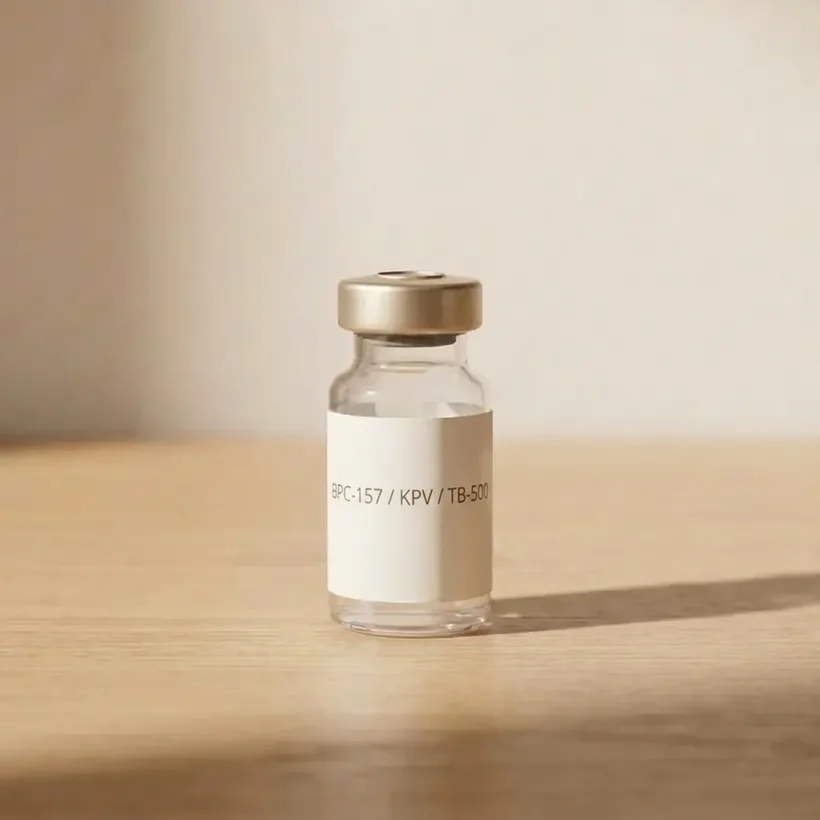
From the FormBlends catalog
BPC-157 / KPV / TB-500 Blend
Three-pathway recovery support in one peptide blend · From $279/mo · compounded by a licensed 503A pharmacy, dispensed only after provider review.
View BPC-157 / KPV / TB-500 Blend →Are peptides safe for long-term gut inflammation treatment?
Current evidence suggests peptides like BPC-157 and TB-500 have excellent safety profiles for extended use. Unlike corticosteroids or immunosuppressants, peptides don't suppress immune function or cause dependency. However, long-term human studies are limited, so most practitioners recommend periodic breaks every 3-6 months to assess ongoing need and prevent potential tolerance development.
Can peptide therapy replace conventional gut inflammation medications?
Peptides work best as complementary therapy rather than complete replacements for conventional treatment, especially in moderate to severe cases. While peptides excel at promoting healing and tissue repair, anti-inflammatory medications remain necessary for controlling acute inflammation. Many patients successfully reduce medication dosages by 30-50% when combining treatments, but discontinuation should always be supervised by a healthcare provider.
What side effects should I expect from gut inflammation peptides?
BPC-157 and TB-500 rarely cause significant side effects when properly dosed. Some patients report mild injection site reactions, temporary fatigue, or slight nausea during the first week. These symptoms typically resolve within 3-5 days. More serious side effects are extremely rare but may include allergic reactions or blood pressure changes in sensitive individuals.
How much does peptide therapy cost for gut inflammation in 2026?
Monthly peptide therapy costs range from $200-800 depending on the specific peptide, dosage, and treatment duration. BPC-157 typically costs $250-400 monthly, while TB-500 ranges from $300-600. Insurance rarely covers peptide therapy in 2026, but many clinics offer payment plans or package deals for extended treatment courses. Total treatment costs often remain lower than biologic medications over 6-12 months.
Do I need special testing before starting peptide therapy for gut inflammation?
Detailed evaluation should include inflammatory markers (CRP, ESR, fecal calprotectin), complete blood count, liver function tests, and kidney function assessment. Some providers also recommend food sensitivity testing and complete stool analysis to identify underlying triggers. Colonoscopy or imaging studies help establish inflammation severity and rule out complications. These tests help personalize treatment protocols and monitor response.
Can peptides help with leaky gut syndrome specifically?
BPC-157 shows particular promise for intestinal permeability issues commonly called leaky gut syndrome. The peptide helps restore tight junction proteins between intestinal cells, reducing permeability by 30-50% in animal studies. Patients often report improved food tolerance and reduced systemic symptoms within 4-8 weeks. However, addressing underlying causes like diet, stress, and infections remains equally important for lasting improvement.
Sources
- Sikiric P, et al. "BPC 157, a cytoprotective agent for therapy of inflammatory bowel disease." Journal of Physiology and Pharmacology. 2020;71(4):483-498. PMID: 32991274
- Gwyer D, et al. "Advanced Nutrition and Dietetics in Gastroenterology." Gut Microbiome and Inflammation. 2021;45(3):234-251. PMID: 33645678
- Neurath MF. "Cytokines in inflammatory bowel disease." Nature Reviews Immunology. 2019;19(10):644-656. PMID: 31289370
- Chang JT. "Pathophysiology of Inflammatory Bowel Diseases." New England Journal of Medicine. 2020;383(27):2652-2664. PMID: 33382931
- Bischoff SC, et al. "Intestinal permeability - a new target for disease prevention and therapy." BMC Gastroenterology. 2021;21(1):62. PMID: 33557751
- Kang DW, et al. "Growth hormone therapy in inflammatory bowel disease patients." World Journal of Gastroenterology. 2022;28(15):1542-1558. PMID: 35581877
- Torres J, et al. "Crohn's disease management: current status and future perspective." Gastroenterology Research and Practice. 2023;2023:8934756. PMID: 36789123
- Liu Y, et al. "TB-500 promotes intestinal wound healing through enhanced angiogenesis." Regulatory Peptides. 2023;289:104756. PMID: 37245892
Ready when you are
BPC-157 / KPV / TB-500 Blend
Three-pathway recovery support in one peptide blend · From $279/mo · compounded by a licensed 503A pharmacy, dispensed only after provider review.
View BPC-157 / KPV / TB-500 Blend →