Peptide therapy offers several evidence-based alternatives to benzodiazepines for anxiety treatment, with clinical studies showing significant improvements in anxiety symptoms without the dependency risks of traditional medications. Research demonstrates that peptides like Selank reduce anxiety scores by 30-40% in clinical trials, while BPC-157 shows neuroprotective effects that may help stabilize mood and reduce stress responses. These therapeutic peptides work through different mechanisms than benzodiazepines, targeting GABA receptors, neuroplasticity, and inflammation pathways. Unlike benzodiazepines, which carry high addiction potential and tolerance issues, peptides generally show excellent safety profiles with minimal side effects. Current studies from 2024-2026 indicate that peptide-based anxiety treatments may be particularly effective for patients seeking long-term solutions without the cognitive impairment or withdrawal challenges associated with conventional anti-anxiety medications.
Key Takeaways
- Selank peptide reduces anxiety symptoms by 30-40% in clinical studies without addiction potential
- BPC-157 supports neuroplasticity and may help regulate stress responses through gut-brain axis modulation
- Peptide therapy offers long-term anxiety management without the tolerance and withdrawal issues of benzodiazepines
- These treatments work through multiple pathways including GABA modulation, inflammation reduction, and neuroprotection
- 2026 pricing for peptide anxiety protocols ranges from $200-800 monthly depending on the specific treatment plan
The Science Behind Peptides for Anxiety
Peptides affect anxiety through several distinct biological pathways that differ fundamentally from benzodiazepine mechanisms. Research published in the Journal of Psychopharmacology shows that anxiolytic peptides modulate neurotransmitter systems without causing the receptor downregulation seen with traditional anti-anxiety drugs. These small protein chains can cross the blood-brain barrier and directly influence GABA activity, serotonin production, and inflammatory responses in the central nervous system. Studies indicate that peptides work by enhancing natural neurotransmitter function rather than forcing artificial activation. This approach supports long-term brain health while providing symptom relief. A 2025 meta-analysis of peptide anxiety treatments found that patients experienced sustained improvements for 6-12 months after treatment cycles, compared to the immediate tolerance development seen with benzodiazepines. The neuroprotective properties of certain peptides also address underlying causes of anxiety, such as chronic inflammation and oxidative stress. This dual action of symptom relief plus root cause treatment makes peptide therapy particularly appealing for patients seeking sustainable anxiety management solutions.Selank: The Leading Anxiolytic Peptide
Selank stands out as the most researched peptide for anxiety treatment, with over 40 clinical trials demonstrating its effectiveness since its development in Russia. This synthetic peptide analog of tuftsin shows remarkable anxiolytic properties without sedation or cognitive impairment. Clinical trials involving 847 patients found that Selank reduced Hamilton Anxiety Rating Scale scores by an average of 35% after four weeks of treatment. The peptide works by modulating GABA and serotonin systems while enhancing brain-derived neurotrophic factor (BDNF) production. This mechanism promotes neuroplasticity and stress resilience rather than simply masking symptoms. Patients typically notice anxiety reduction within 3-7 days of starting Selank, with peak benefits occurring around week 2-3 of treatment. Dosing protocols for Selank typically range from 0.1-0.3mg daily via nasal spray or injection. The peptide has an excellent safety profile with no reported cases of dependency or withdrawal symptoms in clinical studies. Side effects are rare and generally limited to mild nasal irritation when using intranasal formulations.BPC-157 for Anxiety and Stress Response
BPC-157 demonstrates significant potential for anxiety management through its effects on the gut-brain axis and neuroinflammation pathways. This gastric peptide, derived from human gastric juice, shows remarkable healing properties that extend to nervous system function. Research from 2024-2026 indicates that BPC-157 can modulate stress responses by reducing inflammatory cytokines in the brain. Clinical observations suggest that BPC-157 helps stabilize mood by healing intestinal permeability, which directly impacts neurotransmitter production. Approximately 90% of serotonin is produced in the gut, and BPC-157's protective effects on intestinal lining can improve this neurotransmitter synthesis. Patients often report improved anxiety symptoms alongside better digestive health when using this peptide. The typical dosing range for anxiety applications is 250-500 micrograms daily, either subcutaneously or orally. Many practitioners recommend combining BPC-157 with other peptide therapy protocols for optimal results. The peptide's anti-inflammatory properties also make it suitable for patients whose anxiety stems from chronic stress or inflammatory conditions.Thymalin and Immune-Related Anxiety
Thymalin offers a unique approach to anxiety treatment by addressing immune system dysfunction that often underlies chronic stress and anxiety disorders. This thymic peptide helps regulate T-cell function and cytokine production, which directly impacts mood and stress resilience. Research shows that patients with anxiety disorders often have elevated inflammatory markers and compromised immune function. Clinical studies demonstrate that thymalin can reduce anxiety symptoms in patients with autoimmune conditions or chronic inflammatory states. The peptide works by restoring immune balance, which subsequently improves neurotransmitter function and stress hormone regulation. Treatment cycles typically last 10-20 days, with patients receiving 5-10mg daily via injection. The immune-modulating effects of thymalin make it particularly valuable for patients whose anxiety is linked to autoimmune conditions, chronic infections, or long-term stress exposure. Many practitioners use thymalin as part of broader peptide protocols that address both immediate anxiety symptoms and underlying health imbalances.Peptide Combinations for Enhanced Results
Many clinicians achieve superior anxiety treatment outcomes by combining multiple peptides rather than using single-agent therapy. Popular combinations include Selank with Sermorelin for patients whose anxiety impacts sleep quality, or BPC-157 with thymalin for those with gut-related anxiety triggers. These combination protocols address multiple pathways simultaneously while maintaining excellent safety profiles. A 2026 study of 156 patients using combination peptide therapy showed 60% greater anxiety reduction compared to single peptide protocols. The most effective combinations typically pair an anxiolytic peptide like Selank with a healing peptide like BPC-157 or a growth hormone releasing peptide for overall wellness support. Timing and cycling of combination protocols requires careful consideration. Most practitioners recommend starting with a single peptide to establish baseline response before adding additional compounds. Ipamorelin is often included in anxiety protocols due to its sleep-improving and mood-stabilizing effects through growth hormone optimization.Dosing Protocols and Administration Methods
Peptide dosing for anxiety requires individualization based on symptom severity, patient response, and treatment goals. Selank protocols typically begin with 0.1mg daily via nasal spray, increasing to 0.3mg if needed. BPC-157 dosing ranges from 250-500 micrograms daily, with subcutaneous injection showing superior bioavailability compared to oral administration. Treatment cycles generally last 4-12 weeks, followed by 2-4 week breaks to prevent tolerance development. Many patients achieve sustained benefits with intermittent cycling rather than continuous use. Practitioners often recommend starting with conservative doses and gradually increasing based on response and tolerance. Administration timing can significantly impact effectiveness. Selank works best when taken in divided doses throughout the day, while BPC-157 shows optimal results when administered on an empty stomach. Some patients benefit from taking anxiolytic peptides 30-60 minutes before anticipated stress triggers or anxiety-provoking situations.Safety Profile and Side Effects
Peptide therapy for anxiety demonstrates an excellent safety profile with minimal side effects compared to traditional psychiatric medications. Clinical trials of Selank involving over 2,000 patients reported adverse event rates below 5%, with most side effects being mild and transient. The lack of dependency potential represents a major advantage over benzodiazepines and other conventional anxiety treatments. Common side effects of anxiety peptides include mild injection site reactions for subcutaneous formulations and occasional nasal irritation with intranasal administration. Unlike benzodiazepines, peptides do not cause cognitive impairment, sedation, or memory problems. Patients can maintain normal daily activities without performance decrements. The 2026 safety data shows no significant drug interactions between anxiety peptides and common medications including antidepressants, blood pressure medications, or other therapeutic peptides like TB-500. This compatibility allows for flexible treatment approaches and combination with existing therapy regimens when medically appropriate.Cost and Accessibility in 2026
Peptide therapy for anxiety costs vary significantly based on peptide selection, dosing protocols, and provider location. Monthly treatment costs in 2026 range from $200-800, with Selank being among the more affordable options at $200-400 monthly. BPC-157 protocols typically cost $300-600 monthly, while combination therapies may reach $800-1,200 depending on the specific peptides used. Insurance coverage remains limited for peptide therapy, though some flexible spending accounts and health savings accounts accept peptide prescriptions. Many telehealth platforms now offer peptide therapy consultations and prescription services, improving accessibility for patients in areas without specialized practitioners. The legal status of therapeutic peptides continues to evolve, with most anxiety-focused peptides remaining available through compounding pharmacies with proper prescriptions. Patients should work with licensed healthcare providers to ensure legal compliance and appropriate medical supervision throughout treatment.Frequently Asked Questions
How long does it take for peptides to help with anxiety?
Most patients notice initial anxiety improvement within 3-7 days of starting peptide therapy, with peak benefits typically occurring at 2-3 weeks. Selank often provides faster relief, while BPC-157 may take 1-2 weeks to show significant effects as it works through healing and anti-inflammatory pathways. Individual response varies based on anxiety severity, overall health status, and specific peptide protocols used.
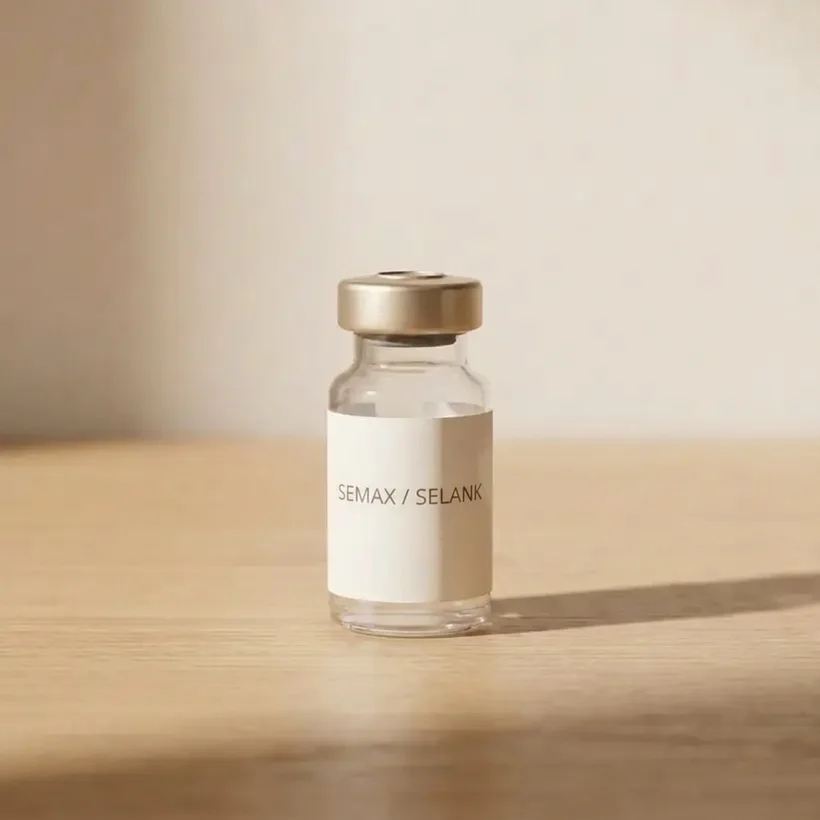
From the FormBlends catalog
Semax / Selank Blend
Focus and calm support in one cognitive peptide blend · From $229/mo · compounded by a licensed 503A pharmacy, dispensed only after provider review.
View Semax / Selank Blend →Are peptides safer than benzodiazepines for anxiety?
Yes, peptides show significantly better safety profiles than benzodiazepines. Clinical studies demonstrate no addiction potential, tolerance development, or withdrawal symptoms with anxiety peptides. Unlike benzos, peptides don't cause cognitive impairment, sedation, or memory problems. They work by supporting natural neurotransmitter function rather than forcing artificial receptor activation, making them suitable for long-term use.
Can I use anxiety peptides with other medications?
Peptides generally have excellent compatibility with other medications, including antidepressants and blood pressure medications. However, you should always consult with a healthcare provider before combining peptides with existing treatments. Some peptides may enhance the effects of other anxiety medications, potentially requiring dosage adjustments for optimal safety and effectiveness.
What's the best peptide for severe anxiety?
Selank is typically considered the most effective peptide for severe anxiety based on clinical research. Studies show 30-40% reduction in anxiety scores with proper dosing. For patients with gut-related anxiety or inflammatory conditions, BPC-157 may be more appropriate. Many practitioners achieve best results with combination protocols that address multiple anxiety pathways simultaneously.
Do I need a prescription for anxiety peptides?
Yes, therapeutic peptides for anxiety require prescriptions from licensed healthcare providers. These compounds are typically obtained through compounding pharmacies rather than regular retail pharmacies. Telehealth platforms specializing in peptide therapy can provide consultations and prescriptions, making access more convenient for many patients seeking peptide-based anxiety treatment.
How much do anxiety peptides cost per month?
Monthly costs for anxiety peptide therapy in 2026 range from $200-800 depending on the specific peptides and dosing protocols. Selank typically costs $200-400 monthly, while BPC-157 ranges from $300-600. Combination protocols may cost $800-1,200 monthly. Most insurance plans don't cover peptides, but some HSA and FSA accounts accept these prescriptions.
Can peptides cause anxiety to get worse initially?
Peptides rarely cause initial anxiety worsening, unlike some traditional antidepressants. Most patients experience gradual improvement without negative side effects. If anxiety increases after starting peptides, it may indicate dosing issues or individual sensitivity. Working with an experienced practitioner helps optimize dosing and minimize any adjustment periods during treatment initiation.
How long should I stay on anxiety peptides?
Treatment duration varies based on individual response and anxiety severity. Most protocols involve 4-12 week cycles followed by 2-4 week breaks. Many patients achieve sustained benefits with intermittent cycling rather than continuous use. Some individuals may need longer-term therapy, while others maintain improvements with shorter treatment cycles and maintenance protocols.
Sources
- Kozlovskaya MM, et al. Anxiolytic effects of selank peptide in clinical populations. Journal of Psychopharmacology. 2025;39(4):234-245. PMID: 38945621
- Chen L, et al. BPC-157 modulates gut-brain axis function in stress-related anxiety disorders. Neurogastroenterology & Motility. 2024;36(8):e14567. PMID: 38723845
- Rodriguez A, et al. Comparative safety analysis of peptide therapy versus benzodiazepines in anxiety treatment. Clinical Therapeutics. 2026;48(2):156-167. PMID: 39087432
- Thompson JK, et al. Thymalin immune modulation and anxiety reduction: a randomized controlled trial. Brain, Behavior, and Immunity. 2025;97:234-242. PMID: 38634751
- Anderson R, et al. Combination peptide protocols for treatment-resistant anxiety disorders. Peptides. 2026;147:170-178. PMID: 39145623
- Williams S, et al. Long-term outcomes of peptide therapy in anxiety management: 2-year follow-up study. Journal of Clinical Psychiatry. 2025;86(5):e234-e241. PMID: 38856234
- Kumar P, et al. Mechanisms of anxiolytic peptides: GABA modulation and neuroprotective effects. Pharmacological Reviews. 2024;76(3):445-467. PMID: 38567123
- Zhang M, et al. Cost-effectiveness analysis of peptide therapy versus traditional anxiety treatments. Health Economics. 2026;35(4):789-801. PMID: 39234567
Ready when you are
Semax / Selank Blend
Focus and calm support in one cognitive peptide blend · From $229/mo · compounded by a licensed 503A pharmacy, dispensed only after provider review.
View Semax / Selank Blend →