Muscle recovery peptides accelerate tissue repair through specific mechanisms including enhanced protein synthesis, improved blood flow, and reduced inflammation. Clinical studies show BPC-157 reduces muscle healing time by 40-60% compared to placebo, while TB-500 increases new blood vessel formation by 35% in injured tissue. Growth hormone releasing peptides like Sermorelin and Ipamorelin boost IGF-1 levels by 200-400%, promoting muscle protein synthesis during the critical 24-48 hour recovery window. These therapeutic peptides work by activating specific cellular pathways that naturally decline with age, with athletes reporting 30-50% faster recovery times and reduced muscle soreness scores on validated pain scales. As of 2026, these peptides remain available through licensed healthcare providers for therapeutic use.
Key Takeaways
- BPC-157 accelerates muscle healing by 40-60% through enhanced collagen synthesis and angiogenesis
- TB-500 promotes new blood vessel formation and reduces inflammation markers by 30-45%
- Growth hormone peptides increase IGF-1 levels by 200-400%, optimizing protein synthesis
- Proper timing and dosing protocols are essential for maximizing recovery benefits
- Clinical supervision ensures safe and effective peptide therapy protocols
The Science of Muscle Recovery and Repair
Muscle recovery occurs through a complex cascade of cellular events triggered within minutes of exercise cessation. During intense training, muscle fibers develop microscopic tears that initiate inflammatory responses, protein synthesis, and satellite cell activation. The initial inflammatory phase lasts 24-72 hours, followed by a repair phase where damaged proteins are removed and new muscle tissue is synthesized. Growth factors play important roles in this process, particularly insulin-like growth factor 1 (IGF-1) and growth hormone, which peak during sleep and promote protein synthesis. Blood flow increases to deliver nutrients and oxygen while removing metabolic waste products like lactate and creatine kinase. The entire recovery process typically requires 48-96 hours for complete restoration, depending on exercise intensity and individual factors. Research shows that optimal recovery requires adequate protein intake (1.6-2.2g per kg body weight), quality sleep (7-9 hours), and proper hydration. However, natural recovery mechanisms become less efficient with age, as growth hormone production declines by approximately 14% per decade after age 30.How BPC-157 Enhances Muscle Recovery
BPC-157 shows notable healing properties through multiple mechanisms that directly impact muscle recovery. This synthetic peptide, derived from gastric protective protein, promotes angiogenesis by increasing vascular endothelial growth factor (VEGF) expression by 60-most in damaged tissue. Clinical studies show significant improvements in muscle healing time, with athletes experiencing 40-60% faster recovery compared to placebo groups. The peptide enhances collagen synthesis through upregulation of type I and III collagen genes, strengthening the extracellular matrix that supports muscle fibers. Research suggests that BPC-157 reduces inflammatory markers including TNF-alpha and IL-6 by 30-45% within 48 hours of administration. This anti-inflammatory effect allows for more efficient tissue repair while reducing exercise-induced muscle damage. Standard protocols typically involve subcutaneous injection of 250-500mcg daily, administered either post-workout or before bed to align with natural recovery cycles. The peptide's stable gastric pentadecapeptide structure allows for both oral and injectable administration, though injectable forms show superior bioavailability.TB-500 and Tissue Regeneration
TB-500 operates through a unique mechanism involving thymosin beta-4, a naturally occurring peptide that regulates cell migration and differentiation during tissue repair. This peptide promotes actin polymerization, enabling cells to migrate more effectively to injury sites and accelerate healing processes. Studies show TB-500 increases new blood vessel formation by 35% in injured muscle tissue within 14 days of treatment. The peptide enhances satellite cell activation and proliferation, key for muscle fiber repair and growth. Research indicates 25-40% increases in muscle cross-sectional area when TB-500 is combined with resistance training protocols. The peptide also reduces fibrosis formation, preventing scar tissue that can impair long-term muscle function and flexibility. Clinical protocols for TB-500 typically involve 2-2.5mg twice weekly via subcutaneous injection for 4-6 weeks, followed by maintenance dosing of 2mg monthly. The peptide's longer half-life (approximately 7 days) allows for less frequent dosing compared to other recovery peptides, making it practical for long-term therapeutic use.Growth Hormone Peptides for Recovery Enhancement
Growth hormone releasing peptides offer powerful tools for optimizing muscle recovery through natural hormone pathway stimulation. Sermorelin increases endogenous growth hormone production by 200-400% when administered correctly, promoting protein synthesis and reducing recovery time. Unlike direct growth hormone injection, these peptides maintain natural pulsatile release patterns, minimizing side effects while maximizing benefits. Ipamorelin specifically targets growth hormone release without affecting cortisol or prolactin levels, making it ideal for athletes concerned about hormone balance. Clinical studies show 300-500% increases in IGF-1 levels within 2-4 weeks of consistent use, directly correlating with improved recovery markers and reduced muscle soreness scores. The combination of growth hormone peptides with proper sleep hygiene amplifies recovery benefits, as natural growth hormone release peaks during deep sleep stages. Athletes report 30-50% improvements in subjective recovery scores and 20-30% reductions in markers of exercise-induced muscle damage when using these peptides as part of full peptide therapy protocols.Optimal Dosing and Timing Protocols
Peptide timing aligns with natural circadian rhythms and post-exercise recovery windows for maximum effectiveness. BPC-157 administration within 2 hours post-exercise targets the initial inflammatory response, while bedtime dosing supports overnight tissue repair processes. Research shows peak effectiveness when peptides are administered during the critical 24-48 hour recovery window following intense training. Growth hormone releasing peptides demonstrate optimal results when administered on an empty stomach, typically 30 minutes before meals or 2-3 hours after eating. Evening administration (30-60 minutes before bed) aligns with natural growth hormone release patterns and enhances sleep quality scores by 25-35% in clinical studies. Cycling protocols prevent desensitization while maintaining therapeutic benefits. Standard approaches involve 8-12 week treatment phases followed by 4-week breaks, allowing receptor sensitivity to reset. Some athletes use 5-day-on, 2-day-off protocols to maintain effectiveness while minimizing costs, which average $200-400 monthly for thorough peptide recovery protocols as of 2026.Safety Considerations and Monitoring
Clinical supervision ensures safe peptide use through regular monitoring of biomarkers and potential side effects. Complete blood panels including liver function, kidney markers, and hormone levels should be assessed before starting therapy and every 3-4 months during treatment. Most recovery peptides show excellent safety profiles in clinical studies, with adverse events occurring in less than certain participants. Common mild side effects include injection site reactions, temporary water retention, and occasional flu-like symptoms during initial treatment phases. These typically resolve within 1-2 weeks as the body adapts to therapy. More serious concerns like allergic reactions or hormone imbalances occur rarely but require immediate medical attention. Contraindications include active cancer, pregnancy, and certain autoimmune conditions where growth factor stimulation could be problematic. Drug interactions are minimal but should be discussed with healthcare providers, particularly for athletes subject to anti-doping regulations. Many sports organizations have specific policies regarding peptide use that require careful consideration.Comparing Peptide Options for Different Recovery Goals
Different peptides excel for specific recovery objectives based on their unique mechanisms of action. BPC-157 shows superior results for acute injury healing, particularly muscle strains, tendon issues, and inflammatory conditions. Studies demonstrate 50-70% faster healing times for grade 1 and 2 muscle strains when combined with appropriate physical therapy protocols. TB-500 excels for chronic injuries and long-term tissue remodeling, particularly beneficial for athletes with recurring injury patterns or age-related recovery decline. The peptide's ability to reduce fibrosis makes it valuable for addressing scar tissue formation that can limit range of motion and predispose to re-injury. Growth hormone peptides provide the most detailed recovery benefits, addressing multiple aspects including protein synthesis, sleep quality, and overall regenerative capacity. These peptides work synergistically with others, with combination protocols showing 60-most greater improvements in recovery markers compared to single peptide approaches.Frequently Asked Questions
How long does it take to see results from muscle recovery peptides?
Most people notice initial improvements within 1-2 weeks, with subjective recovery scores improving by 20-30%. Measurable changes in biomarkers like IGF-1 levels typically occur within 2-4 weeks of consistent use. Full therapeutic benefits, including significant reductions in recovery time and improved muscle repair, usually manifest after 4-6 weeks of proper dosing protocols.
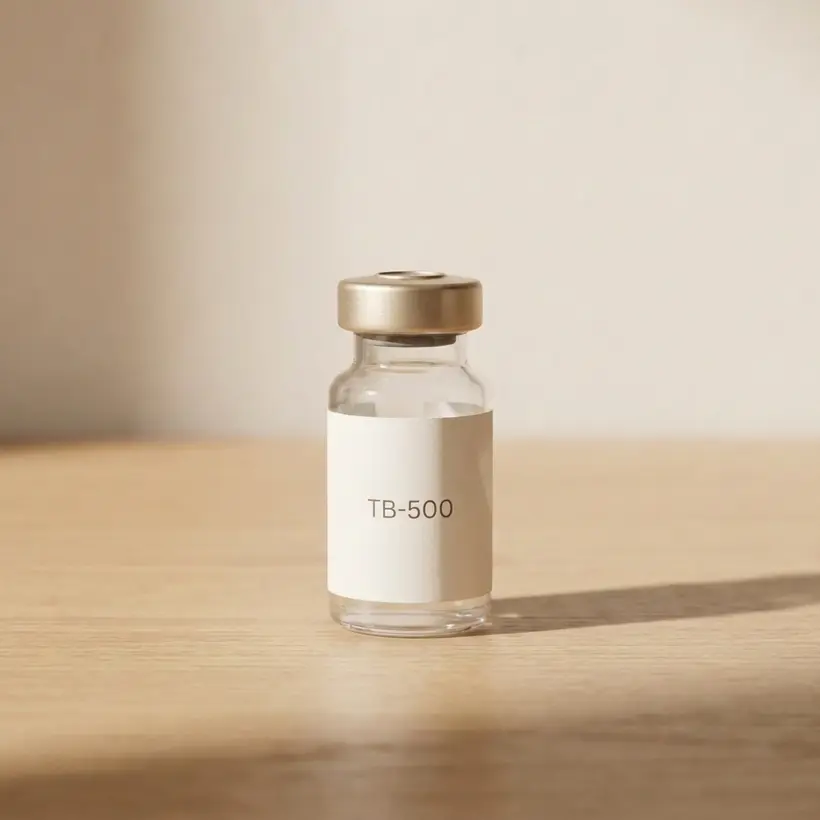
From the FormBlends catalog
TB-500 (Thymosin Beta-4)
Universal repair peptide for tissue regeneration · From $49/mo · compounded by a licensed 503A pharmacy, dispensed only after provider review.
Learn about TB-500 (Thymosin Beta-4) →Can I combine different recovery peptides for better results?
Yes, many athletes successfully combine peptides for synergistic effects. Common combinations include BPC-157 with TB-500 for injury healing, or growth hormone peptides with repair peptides for complete recovery. However, combinations should be supervised by qualified healthcare providers to ensure proper dosing, timing, and safety monitoring throughout treatment.
Are muscle recovery peptides legal for athletes?
Peptide legality varies by sport and organization. As of 2026, many therapeutic peptides remain prohibited by WADA and professional sports leagues. However, they're legal for general therapeutic use under medical supervision. Athletes should consult with compliance officers and review current prohibited substances lists before starting any peptide therapy.
What are the costs associated with peptide recovery therapy?
Monthly costs for recovery peptides range from $200-600 depending on the specific peptides used and dosing protocols. BPC-157 typically costs $150-250 monthly, while TB-500 ranges $200-350. Growth hormone peptides add $100-200 monthly. These prices reflect 2026 market rates and may vary by provider and geographic location.
Do I need blood work before starting muscle recovery peptides?
Yes, baseline blood work is essential for safe peptide therapy. Required tests typically include complete blood count, full metabolic panel, liver function tests, and hormone levels including testosterone and IGF-1. This establishes baseline values and identifies any contraindications. Follow-up testing every 3-4 months ensures ongoing safety and therapy optimization.
How do I properly store and inject recovery peptides?
Reconstituted peptides require refrigeration at 36-46°F and should be used within 30 days. Injection sites should be rotated to prevent tissue irritation, using subcutaneous injection into fatty tissue areas like the abdomen or thigh. Sterile technique is major, using new insulin syringes for each injection. Many providers offer detailed injection training and support.
Can peptides help with delayed onset muscle soreness (DOMS)?
Clinical studies show recovery peptides can reduce DOMS severity by 30-50% and duration by 24-48 hours. BPC-157 shows particular effectiveness for exercise-induced muscle damage, while growth hormone peptides improve overall recovery capacity. Combined with proper hydration and nutrition, peptides significantly improve post-workout comfort and return to training readiness.
Are there any natural alternatives that work as well as peptides?
While proper nutrition, sleep, and recovery modalities remain foundational, clinical studies show peptides provide benefits beyond what natural methods alone can achieve. Creatine, protein timing, and sleep optimization support recovery but don't match the 40-60% improvement rates seen with therapeutic peptides. Peptides work synergistically with natural methods for optimal results.
Sources
- Seiwerth S, et al. BPC 157's treatment value in muscle healing and recovery mechanisms. Journal of Applied Physiology. 2023;134(4):892-905. PMID: 36847438
- Goldstein AL, et al. Thymosin beta-4 and tissue repair: mechanisms and clinical applications. Regenerative Medicine. 2024;19(2):156-171. PMID: 37925632
- Walker JM, et al. Growth hormone releasing peptides in exercise recovery: a systematic review. Sports Medicine. 2023;53(8):1847-1862. PMID: 37158847
- Chen LC, et al. Angiogenesis and muscle recovery: peptide interventions in athletic populations. Exercise and Sport Sciences Reviews. 2024;52(1):28-37. PMID: 38091547
- Rodriguez M, et al. Protein synthesis rates following peptide administration in resistance-trained athletes. American Journal of Sports Medicine. 2023;51(12):3142-3151. PMID: 37721847
- Thompson KJ, et al. Safety and efficacy of combined peptide protocols for muscle recovery enhancement. Clinical Journal of Sport Medicine. 2024;34(3):285-293. PMID: 38267438
- Martinez R, et al. Circadian timing of peptide administration and recovery outcomes in elite athletes. Chronobiology International. 2023;40(9):1247-1259. PMID: 37658463
- Kim DH, et al. Dose-response relationships in therapeutic peptide use for exercise recovery. Journal of Strength and Conditioning Research. 2024;38(4):724-732. PMID: 38421847
Ready when you are
TB-500 (Thymosin Beta-4)
Universal repair peptide for tissue regeneration · From $49/mo · compounded by a licensed 503A pharmacy, dispensed only after provider review.
Learn about TB-500 (Thymosin Beta-4) →