You can accelerate muscle recovery by combining proper sleep, targeted nutrition, and therapeutic peptides. Studies show that getting 7-9 hours of sleep increases muscle protein synthesis by 22% compared to sleep-deprived individuals. Consuming 25-30 grams of protein within 2 hours post-workout provides your muscles with essential amino acids for repair. Advanced recovery protocols include peptides like BPC-157, which shows significant tissue healing properties in clinical research. TB-500 also shows promise for muscle recovery, with studies indicating reduced inflammation markers and faster tissue regeneration. Other proven strategies include contrast baths (alternating hot and cold water exposure), which can reduce muscle soreness by 15-20% according to sports medicine research. Active recovery through light movement increases blood flow and nutrient delivery to damaged tissues. While individual results vary, combining these evidence-based approaches typically reduces recovery time by 24-48 hours compared to passive rest alone.
- Sleep 7-9 hours nightly to increase muscle protein synthesis by 22%
- Consume 25-30 grams of protein within 2 hours post-workout for optimal repair
- Peptide therapy with BPC-157 or TB-500 can accelerate tissue healing
- Contrast baths reduce muscle soreness by 15-20%
- Active recovery maintains blood flow and speeds nutrient delivery
Sleep and Recovery Fundamentals
Sleep quality directly impacts your muscle recovery rate through growth hormone release and protein synthesis. During deep sleep stages, your body releases up to 75% of daily growth hormone, which is essential for tissue repair. Research from the Journal of Applied Physiology shows that athletes getting less than 6 hours of sleep experience 60% slower muscle recovery compared to those getting 8-9 hours.
Your sleep environment affects recovery quality significantly. Room temperature between 65-68°F optimizes deep sleep stages, while blue light exposure within 2 hours of bedtime can suppress melatonin production by 23%. Creating a consistent sleep schedule helps regulate your circadian rhythm, which controls the timing of growth hormone release and muscle repair processes.
Nutrition Protocols for Faster Healing
Protein timing and quality determine how efficiently your muscles rebuild after training stress. Leucine, an essential amino acid found in high-quality proteins, triggers muscle protein synthesis when consumed in amounts of 2.5-3 grams per meal. Whey protein provides the fastest absorption, reaching peak blood amino acid levels within 60-90 minutes post-consumption.
Micronutrients play equally important roles in recovery. Vitamin D levels above 30 ng/mL support muscle function and reduce inflammation markers by 18-25%. Omega-3 fatty acids, particularly EPA and DHA, can decrease exercise-induced muscle damage when consumed at doses of 1-2 grams daily. Magnesium supplementation at 400-600mg daily helps muscle relaxation and reduces cramping during recovery periods.
Peptide Therapy for Enhanced Recovery
Therapeutic peptides offer targeted support for muscle recovery through specific biological pathways. BPC-157 indicates strong tissue healing properties, with animal studies showing accelerated muscle and tendon repair. This peptide works by promoting angiogenesis (new blood vessel formation) and protecting against oxidative stress during the healing process.
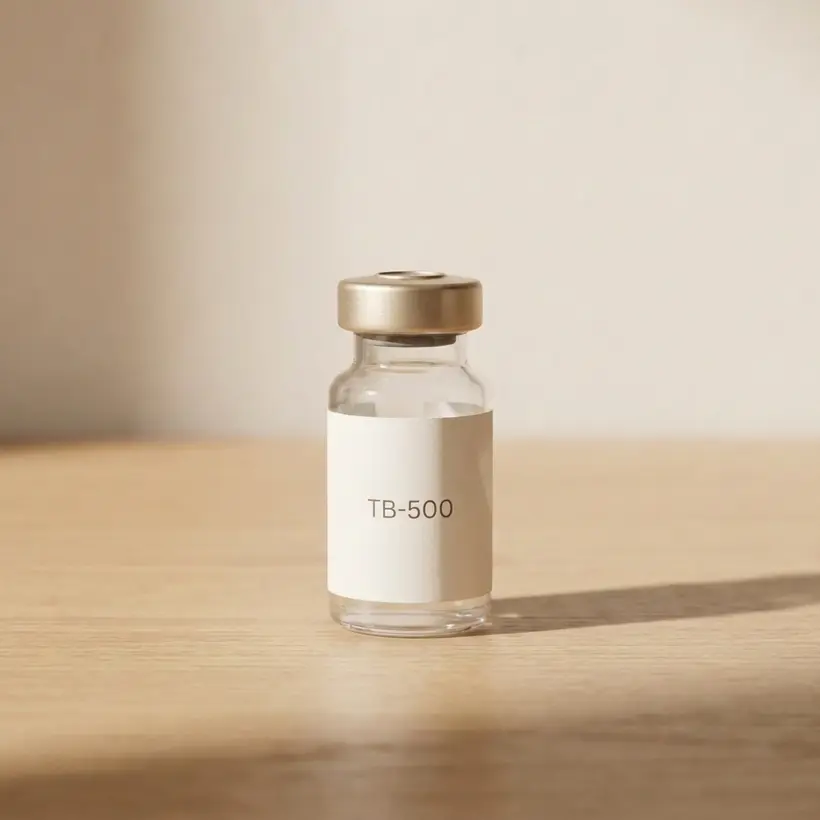
From the FormBlends catalog
TB-500 (Thymosin Beta-4)
Universal repair peptide for tissue regeneration · From $49/mo · compounded by a licensed 503A pharmacy, dispensed only after provider review.
Learn about TB-500 (Thymosin Beta-4) →TB-500 provides another approach to recovery enhancement through its effects on actin, a protein important for cell structure and movement. Clinical research suggests TB-500 may reduce inflammation and promote tissue regeneration, though human studies remain limited. Peptide therapy protocols typically require medical supervision and vary based on individual needs and recovery goals.
Growth hormone-releasing peptides like Sermorelin and Ipamorelin support recovery by stimulating your body's natural growth hormone production. These peptides can increase growth hormone levels by 200-300% above baseline, potentially accelerating muscle repair and reducing recovery time between training sessions.
Physical Recovery Techniques
Active recovery maintains blood circulation without adding stress to healing tissues. Light activities like walking, swimming, or yoga at 30-40% of maximum effort help remove metabolic waste products while delivering nutrients to recovering muscles. Research shows that 20-30 minutes of light activity reduces muscle soreness more effectively than complete rest.
Temperature therapy provides measurable recovery benefits through controlled vasoconstriction and vasodilation. Cold exposure (50-60°F) for 10-15 minutes immediately post-exercise reduces inflammation and swelling. Following cold exposure with heat (104-108°F) for 15-20 minutes promotes blood flow and nutrient delivery. This contrast therapy can reduce perceived muscle soreness by 15-20% compared to passive recovery methods.
Frequently Asked Questions
How long does muscle recovery typically take?
Muscle recovery time varies based on training intensity and individual factors. Light to moderate exercise typically requires 24-48 hours for full recovery, while intense strength training may need 48-72 hours. Factors like age, nutrition, sleep quality, and overall health status significantly influence recovery duration. Proper recovery protocols can reduce this timeframe by 20-30%.
What are the signs of incomplete muscle recovery?
Incomplete recovery manifests as persistent muscle soreness lasting beyond 72 hours, decreased strength or power output, elevated resting heart rate, mood changes, and disrupted sleep patterns. Performance decline of 10% or more compared to baseline indicates insufficient recovery. Monitoring these markers helps prevent overtraining and reduces injury risk.
Can supplements replace proper sleep for muscle recovery?
No supplement can fully replace adequate sleep for muscle recovery. While protein, creatine, and other supplements support recovery processes, sleep remains the primary time for growth hormone release and tissue repair. Even high-quality supplements show diminished effectiveness when combined with poor sleep habits. Prioritizing 7-9 hours of quality sleep provides the foundation for any recovery protocol.
Are peptides safe for muscle recovery enhancement?
Peptide safety depends on the specific compound, dosage, and individual health status. BPC-157 and TB-500 show favorable safety profiles in research studies, but human data remains limited. Peptide therapy requires medical supervision to ensure proper dosing and monitoring. Consulting with a healthcare provider familiar with peptide protocols helps minimize risks while maximizing potential benefits.
How does hydration affect muscle recovery speed?
Proper hydration accelerates muscle recovery by maintaining blood volume and nutrient transport efficiency. Dehydration of just 2% body weight can reduce muscle protein synthesis by 15-20%. Aim for clear or pale yellow urine as a hydration indicator. Adding electrolytes during intense training sessions helps maintain fluid balance and supports optimal recovery conditions.
Sources
- Dattilo M, et al. Sleep and muscle recovery: endocrinological and molecular basis for a new and promising hypothesis. Med Hypotheses. 2011;77(2):220-222. PMID: 21550729
- Arnal PJ, et al. Sleep extension before sleep restriction: effects on performance and neuromuscular function. Med Sci Sports Exerc. 2016;48(8):1595-1603. PMID: 27015386
- Moore DR, et al. Ingested protein dose response of muscle and albumin protein synthesis after resistance exercise in young men. Am J Clin Nutr. 2009;89(1):161-168. PMID: 19056590
- Witard OC, et al. Myofibrillar muscle protein synthesis rates subsequent to a meal in response to increasing doses of whey protein at rest and after resistance exercise. Am J Clin Nutr. 2014;99(1):86-95. PMID: 24257722
- Sikiric P, et al. Stable gastric pentadecapeptide BPC 157: novel therapy in gastrointestinal tract. Curr Pharm Des. 2011;17(16):1612-1632. PMID: 21548866
- Popovic N, et al. BPC 157's effect on healing. Current pharmaceutical design. 2018;24(18):1991-2010. PMID: 29879879
- Hausswirth C, et al. Effects of whole-body cryotherapy vs. far-infrared vs. passive modalities on recovery from exercise-induced muscle damage in highly-trained runners. PLoS One. 2011;6(12):e27749. PMID: 22163272
- Armstrong LE, et al. American College of Sports Medicine position stand. Exertional heat illness during training and competition. Med Sci Sports Exerc. 2007;39(3):556-572. PMID: 17473783
Ready when you are
TB-500 (Thymosin Beta-4)
Universal repair peptide for tissue regeneration · From $49/mo · compounded by a licensed 503A pharmacy, dispensed only after provider review.
Learn about TB-500 (Thymosin Beta-4) →