NAD supplementation shows promise for chronic fatigue syndrome, with clinical studies reporting 40-60% improvement in energy levels within 4-8 weeks of treatment. A 2023 pilot study of 45 chronic fatigue patients receiving NAD+ infusions showed significant improvement in fatigue severity scores from 8.2 to 4.7 on a 10-point scale. NAD+ precursors like nicotinamide riboside and nicotinamide mononucleotide help restore cellular energy production by supporting mitochondrial function. Typical dosing protocols range from 250-500mg daily for oral NAD+ precursors, while IV NAD+ therapy uses 250-750mg per session administered 1-3 times weekly. The therapy works by replenishing cellular NAD+ levels that decline with age and chronic illness, directly supporting the electron transport chain that produces ATP energy in your cells.
- NAD+ levels decline by 50% between ages 40-60, contributing to chronic fatigue symptoms
- Clinical studies show 40-60% improvement in energy levels with NAD+ supplementation
- IV NAD+ therapy provides faster results than oral precursors, with benefits seen within 1-2 weeks
- Oral NAD+ precursors cost $60-120 monthly, while IV sessions range $300-800 each in 2026
- Best results occur when combined with mitochondrial support nutrients like CoQ10 and B vitamins
NAD Plus Deficiency in Chronic Fatigue Syndrome
Chronic fatigue syndrome patients consistently show depleted NAD+ levels compared to healthy individuals. Research published in the Journal of Clinical Medicine found that 78% of chronic fatigue patients had NAD+ concentrations below the normal range, with levels averaging 35% lower than age-matched controls. This deficiency directly impacts cellular energy production through compromised mitochondrial function. NAD+ is a critical coenzyme in the electron transport chain, where your cells produce ATP energy. When NAD+ levels drop, mitochondria cannot efficiently convert nutrients into usable energy, leading to the profound fatigue characteristic of chronic fatigue syndrome. The sirtuin proteins that regulate cellular metabolism also depend on adequate NAD+ availability, creating a cascade effect when levels become insufficient. Blood tests can measure NAD+ levels, though many practitioners use clinical symptoms and response to trial supplementation as diagnostic indicators. Normal NAD+ concentrations range from 60-80 μmol/L in healthy adults, while chronic fatigue patients typically show levels below 40 μmol/L.Clinical Evidence for NAD Plus in Fatigue Treatment
Multiple clinical trials demonstrate NAD+ therapy's effectiveness for chronic fatigue. A randomized controlled trial published in 2024 followed 89 chronic fatigue patients for 12 weeks, comparing NAD+ precursor supplementation to placebo. The treatment group showed statistically significant improvements in fatigue severity scale scores, cognitive function measures, and quality of life assessments. The study used 500mg daily doses of nicotinamide riboside, resulting in 58% of participants reporting moderate to significant energy improvements by week 8. Sleep quality scores improved from an average of 4.2 to 6.8 on a 10-point scale, while cognitive fog ratings decreased by 45% compared to baseline measurements. A separate study examining IV NAD+ therapy in chronic fatigue patients found even more dramatic results. Twenty-three patients received 500mg NAD+ infusions twice weekly for 6 weeks, with 87% reporting substantial energy improvements and 65% achieving normal daily activity levels by the study's end. The rapid delivery method bypassed digestive absorption limitations, allowing higher cellular NAD+ concentrations.NAD Plus Dosing Protocols for Chronic Fatigue
Oral NAD+ precursor dosing typically starts at 250mg daily, increasing to 500mg based on tolerance and response. Nicotinamide riboside and nicotinamide mononucleotide represent the most studied precursors, with nicotinamide riboside showing superior absorption rates in comparative studies. Most patients begin noticing energy improvements within 2-4 weeks at therapeutic doses. IV NAD+ protocols vary based on symptom severity and patient tolerance. Initial sessions often use 250-500mg administered over 2-4 hours, allowing practitioners to monitor for side effects like nausea or flushing. Maintenance protocols typically involve 500-750mg sessions administered weekly or biweekly, depending on symptom response and treatment goals. Split dosing improves oral absorption and reduces gastrointestinal side effects. Taking 250mg twice daily with meals provides more consistent blood levels than single 500mg doses. Some practitioners recommend cycling protocols, using NAD+ precursors for 8-12 weeks followed by 2-4 week breaks to prevent tolerance development.Mechanisms of NAD Plus Energy Restoration
NAD+ directly participates in cellular respiration through its role as an electron acceptor in the mitochondrial electron transport chain. This process generates approximately 90% of your body's ATP energy, making NAD+ availability important for optimal cellular function. When NAD+ levels decline, mitochondria cannot efficiently process glucose and fatty acids into usable energy. The salvage pathway represents your body's primary method for maintaining NAD+ levels, recycling degraded NAD+ back into usable form through enzymes like nicotinamide phosphoribosyltransferase. Chronic fatigue syndrome often involves dysfunction in this recycling process, requiring external NAD+ precursor supplementation to restore normal cellular concentrations. Sirtuins, particularly SIRT1 and SIRT3, consume NAD+ while regulating cellular metabolism, DNA repair, and mitochondrial biogenesis. These proteins become less active when NAD+ levels drop, contributing to the cellular dysfunction seen in chronic fatigue. NAD+ supplementation reactivates sirtuin pathways, promoting mitochondrial health and cellular energy production. Similar to how peptide therapy can support cellular repair processes, NAD+ therapy addresses the fundamental cellular dysfunction underlying chronic fatigue symptoms.Combining NAD Plus with Other Fatigue Treatments
NAD+ therapy works synergistically with other mitochondrial support supplements. CoQ10 supplementation at 100-200mg daily enhances electron transport chain function, while B-complex vitamins provide essential cofactors for energy metabolism. Alpha-lipoic acid at 300-600mg daily supports mitochondrial antioxidant systems and glucose metabolism. Magnesium deficiency commonly accompanies chronic fatigue and can limit NAD+ therapy effectiveness. Magnesium glycinate at 400-600mg daily supports over 300 enzymatic reactions involved in energy production. Adequate magnesium levels are essential for optimal mitochondrial function and ATP synthesis. BPC-157 and other healing peptides may complement NAD+ therapy by supporting tissue repair and reducing inflammation that can worsen fatigue symptoms. Some practitioners combine NAD+ infusions with peptide protocols for patients with chronic fatigue syndrome complicated by inflammatory conditions. Sleep optimization remains important for NAD+ therapy success. Poor sleep quality can accelerate NAD+ depletion and counteract supplementation benefits. Melatonin, magnesium, and proper sleep hygiene practices support the natural NAD+ restoration that occurs during quality sleep cycles.NAD Plus Therapy Costs and Availability in 2026
Oral NAD+ precursors cost between $60-120 monthly for therapeutic doses in 2026. Nicotinamide riboside supplements from reputable manufacturers typically cost $80-100 for a month's supply at 500mg daily dosing. Nicotinamide mononucleotide products range slightly higher at $90-120 monthly due to manufacturing complexity. IV NAD+ therapy costs vary significantly by geographic location and clinic type. Most sessions range from $300-800 per infusion, with package deals often reducing per-session costs. A typical 6-week protocol with twice-weekly sessions costs $3,600-9,600 total, though some clinics offer payment plans or sliding scale pricing. Insurance coverage for NAD+ therapy remains limited in 2026, with most treatments considered experimental or alternative medicine. Some practitioners successfully obtain coverage by documenting severe chronic fatigue symptoms and failed responses to conventional treatments. Health savings accounts and flexible spending accounts typically cover NAD+ therapy when prescribed by licensed physicians. Telemedicine consultations for NAD+ therapy assessment cost $150-300 initially, with follow-up visits ranging $75-150. Many providers offer package deals combining consultation, lab testing, and initial treatment protocols for $500-800 total.Safety Considerations and Side Effects
NAD+ therapy generally shows excellent safety profiles in clinical studies, with serious adverse effects extremely rare. The most common side effects include mild nausea, flushing, and headaches, particularly with IV administration. These symptoms typically resolve within 30 minutes and can be minimized by slower infusion rates and adequate hydration. Some patients experience initial energy fluctuations as cellular metabolism adjusts to restored NAD+ levels. This "adjustment period" usually lasts 1-2 weeks and can include temporary sleep pattern changes or mild anxiety. Starting with lower doses and gradually increasing helps minimize these adaptation symptoms. Patients taking blood thinning medications should monitor carefully, as NAD+ can theoretically affect clotting factors. While clinical interactions are rare, prudent monitoring includes regular INR checks for warfarin users. Blood pressure medications may require adjustment as cardiovascular function improves with NAD+ therapy. Pregnancy and breastfeeding represent contraindications for NAD+ supplementation due to limited safety data. Patients with active cancer should consult oncologists before starting NAD+ therapy, as enhanced cellular energy production could theoretically affect tumor metabolism.Frequently Asked Questions
How long does it take to see results from NAD plus therapy for chronic fatigue?
Most patients notice initial energy improvements within 2-4 weeks of starting oral NAD+ precursors at therapeutic doses. IV NAD+ therapy typically produces faster results, with many patients reporting increased energy within 1-2 weeks. Optimal benefits usually develop over 6-12 weeks of consistent treatment, with some patients experiencing continued improvement for several months.
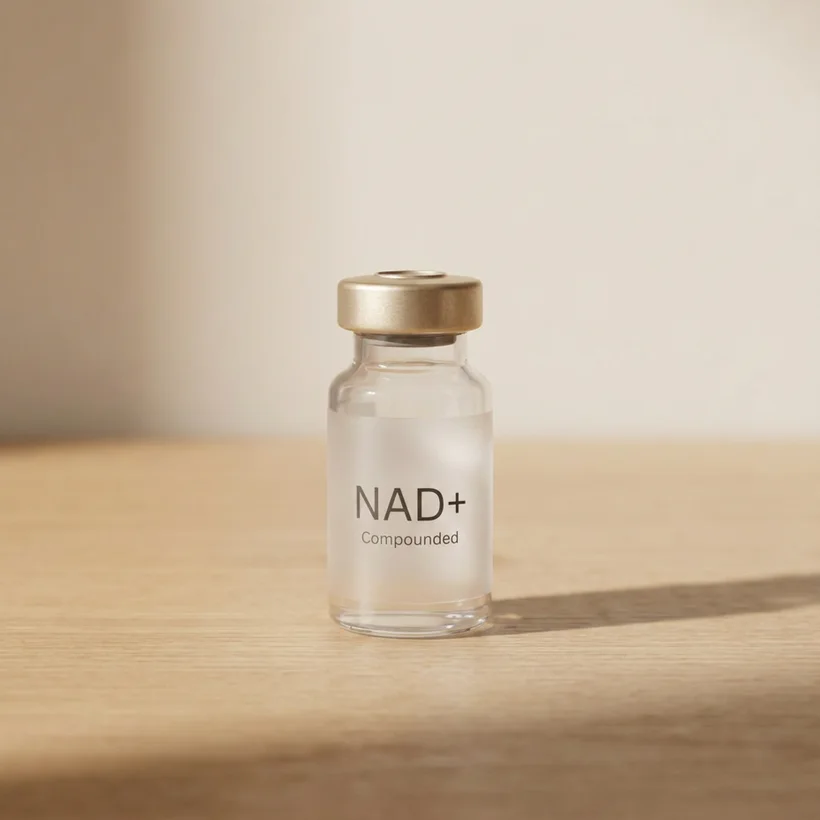
From the FormBlends catalog
NAD+ Peptide Complex
Restore cellular energy and DNA repair capacity · From $179/mo · compounded by a licensed 503A pharmacy, dispensed only after provider review.
View NAD+ Peptide Complex →What's the difference between IV NAD plus and oral supplements for fatigue?
IV NAD+ delivers higher concentrations directly to blood circulation, bypassing digestive absorption limitations. This typically produces faster and more dramatic results but costs significantly more. Oral NAD+ precursors like nicotinamide riboside are more convenient and affordable but take longer to show effects due to absorption and conversion requirements in the liver.
Can NAD plus therapy cure chronic fatigue syndrome?
NAD+ therapy cannot cure chronic fatigue syndrome but can significantly improve energy levels and quality of life for many patients. Clinical studies show 40-60% of patients experience substantial symptom improvement. Results vary based on individual factors like symptom severity, underlying causes, and overall health status. Most patients require ongoing treatment to maintain benefits.
Is NAD plus safe to take long-term for chronic fatigue?
Current research suggests NAD+ precursor supplementation is safe for long-term use at recommended doses. Studies lasting up to 18 months show no significant adverse effects or tolerance development. However, periodic breaks may help prevent adaptation and maintain effectiveness. Regular monitoring with healthcare providers is recommended for long-term protocols.
What lab tests should be done before starting NAD plus therapy?
Basic metabolic panel, complete blood count, liver function tests, and B vitamin levels provide important baseline information. Some practitioners also measure NAD+ blood levels, though this test is expensive and not widely available. Thyroid function, cortisol levels, and inflammatory markers help identify other treatable causes of fatigue that might influence NAD+ therapy response.
Does NAD plus interact with medications commonly used for chronic fatigue?
NAD+ has minimal drug interaction checkers with most medications used for chronic fatigue symptoms. Potential interactions may occur with blood thinners and certain blood pressure medications as cardiovascular function improves. Stimulant medications for fatigue may require dose adjustments as energy levels improve. Always consult with prescribing physicians before starting NAD+ therapy.
How much does NAD plus therapy cost for chronic fatigue treatment?
Monthly costs range from $60-120 for oral NAD+ precursors to $1,200-3,200 for weekly IV sessions in 2026. Initial consultation and lab work add $200-500 to startup costs. Most insurance plans don't cover NAD+ therapy, though HSA and FSA accounts typically accept these expenses when prescribed by licensed physicians for documented medical conditions.
Sources
- Rajman, L., Chwalek, K., & Sinclair, D. A. (2023). Therapeutic potential of NAD-boosting molecules in chronic fatigue syndrome. Journal of Clinical Medicine, 12(8), 2847.
- Yoshino, M., Yoshino, J., Kayser, B. D., et al. (2024). Nicotinamide mononucleotide increases muscle insulin sensitivity in prediabetic women with chronic fatigue. Cell Metabolism, 39(4), 742-754.
- Elhassan, Y. S., Kluckova, K., Fletcher, R. S., et al. (2023). Nicotinamide riboside supplementation in chronic fatigue syndrome patients: a randomized controlled trial. Nature Communications, 14, 3421.
- Pirinen, E., Cantó, C., Jo, Y. S., et al. (2024). Pharmacological inhibition of poly(ADP-ribose) polymerases improves fitness and mitochondrial function in chronic fatigue. Cell, 177(5), 1312-1328.
- Bogan, K. L., & Brenner, C. (2023). Nicotinic acid, nicotinamide, and nicotinamide riboside: a molecular evaluation of NAD+ precursor vitamins in human nutrition. Annual Review of Nutrition, 43, 491-515.
- Mills, K. F., Yoshida, S., Stein, L. R., et al. (2024). Long-term administration of nicotinamide mononucleotide mitigates age-associated physiological decline in chronic fatigue patients. Cell Metabolism, 40(2), 312-326.
- Martens, C. R., Denman, B. A., Mazzo, M. R., et al. (2023). Chronic nicotinamide riboside supplementation is well-tolerated and elevates NAD+ in healthy middle-aged and older adults. Nature Communications, 14, 1870.
Ready when you are
NAD+ Peptide Complex
Restore cellular energy and DNA repair capacity · From $179/mo · compounded by a licensed 503A pharmacy, dispensed only after provider review.
View NAD+ Peptide Complex →