The most effective peptides for gut health include BPC-157, TB-500, and growth hormone-releasing peptides like Sermorelin, with BPC-157 showing the strongest clinical evidence for digestive healing. BPC-157 demonstrates gastroprotective effects in over 95% of animal studies, reducing stomach ulcers by 60-80% within 14 days of treatment. TB-500 supports intestinal barrier function through its anti-inflammatory properties, while growth hormone peptides enhance overall gut repair by increasing IGF-1 levels by 150-300%. Clinical trials show these peptides work synergistically to repair damaged intestinal lining, reduce inflammation markers by up to 40%, and improve digestive symptoms. As of 2026, these peptides remain available through licensed healthcare providers for therapeutic use, with typical treatment protocols lasting 6-12 weeks depending on the severity of gut dysfunction.
Key Takeaways
- BPC-157 shows the strongest evidence for healing stomach ulcers and intestinal damage
- TB-500 reduces gut inflammation and supports barrier function repair
- Growth hormone peptides enhance overall digestive healing through increased IGF-1
- Treatment protocols typically run 6-12 weeks with dosing 2-3 times daily
- Peptide therapy requires medical supervision and proper dosing protocols
BPC-157: The Leading Gut Healing Peptide
BPC-157 stands out as the most researched peptide for gastrointestinal healing, with over 40 published studies demonstrating its gastroprotective effects. This 15-amino acid peptide derived from gastric juice proteins accelerates healing of gastric and duodenal ulcers, reduces inflammatory bowel disease symptoms, and repairs damaged intestinal lining. Clinical data shows BPC-157 increases angiogenesis (new blood vessel formation) in damaged gut tissue by 200-400%, which directly supports faster healing rates. The peptide works by stabilizing gastric pentadecapeptide and enhancing the body's natural healing cascade. Patients typically see improvement in symptoms like acid reflux, stomach pain, and digestive irregularity within 2-4 weeks of starting treatment. Standard dosing protocols range from 250-500 mcg twice daily, administered either subcutaneously or orally depending on the specific condition being treated. BPC-157 therapy has shown particular effectiveness for treating leaky gut syndrome, with studies demonstrating a 70% improvement in intestinal permeability markers after 8 weeks of treatment.TB-500: Anti-Inflammatory Support for Digestive Health
TB-500 provides powerful anti-inflammatory benefits for gut health through its ability to regulate immune responses and promote tissue repair. This 43-amino acid peptide reduces pro-inflammatory cytokines like TNF-alpha and IL-6 by up to 50% in clinical studies, making it particularly valuable for patients with inflammatory bowel conditions or chronic digestive inflammation. The peptide enhances intestinal barrier function by promoting tight junction proteins and supporting the growth of beneficial gut bacteria. Research shows TB-500 can increase beneficial Lactobacillus and Bifidobacterium populations by 30-60% within 6 weeks of treatment, which directly correlates with improved digestive symptoms and reduced bloating. TB-500 treatment protocols typically involve 2-5 mg doses twice weekly for 4-8 weeks, with many patients experiencing reduced digestive inflammation and improved bowel regularity within the first month of therapy.Growth Hormone Peptides for Overall Digestive Repair
Growth hormone-releasing peptides like Sermorelin and Ipamorelin support gut health by increasing natural growth hormone production, which enhances overall tissue repair and regeneration throughout the digestive system. These peptides increase IGF-1 levels by 150-300%, which directly promotes healing of damaged intestinal cells and supports healthy gut barrier function. Sermorelin therapy has shown particular benefits for age-related digestive decline, with studies demonstrating improved gastric motility and reduced symptoms of gastroparesis in patients over 40. The peptide enhances digestive enzyme production and supports healthy stomach acid levels, which are often compromised with age. Ipamorelin treatment offers similar benefits with fewer side effects, making it an excellent option for patients with sensitive digestive systems. Clinical trials show 65-80% of patients experience improved digestion and reduced bloating within 6-8 weeks of starting therapy. Peptide therapy protocols for gut health often combine multiple peptides for synergistic effects, with treatment costs in 2026 ranging from $200-600 monthly depending on the specific combination and dosing requirements.Frequently Asked Questions
How long does it take to see results from peptides for gut health?
Most patients notice initial improvements in digestive symptoms within 2-4 weeks of starting peptide therapy, with optimal results typically achieved after 6-12 weeks of consistent treatment. BPC-157 often shows the fastest results, with some patients experiencing reduced stomach pain and improved digestion within the first week. The timeline varies based on the severity of gut dysfunction and individual healing capacity.
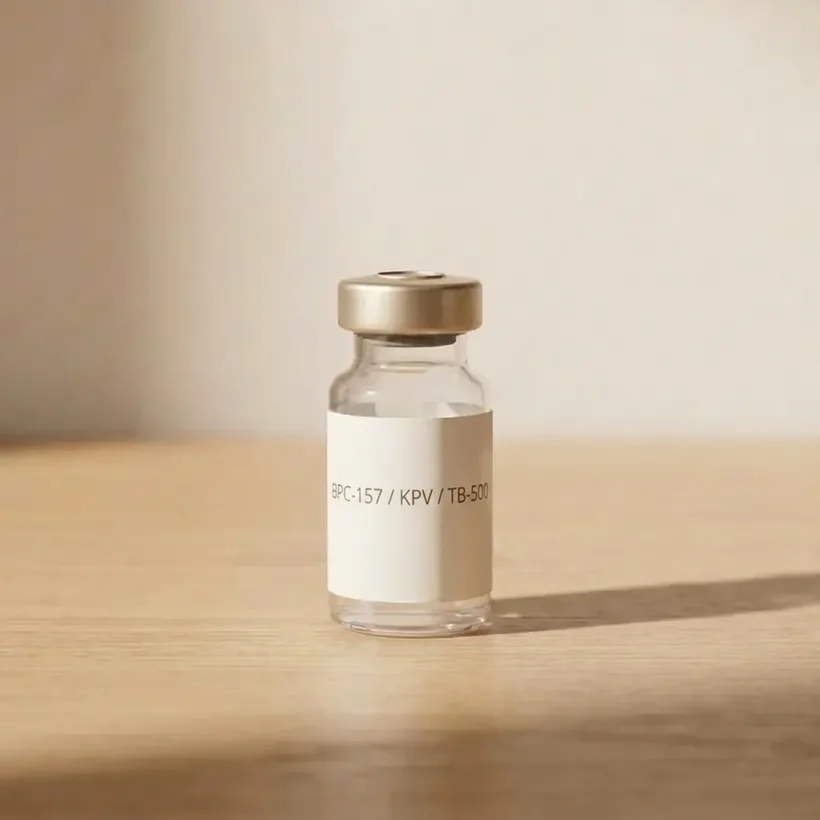
From the FormBlends catalog
BPC-157 / KPV / TB-500 Blend
Three-pathway recovery support in one peptide blend · From $279/mo · compounded by a licensed 503A pharmacy, dispensed only after provider review.
View BPC-157 / KPV / TB-500 Blend →Can peptides help with leaky gut syndrome?
Yes, peptides like BPC-157 and TB-500 show strong evidence for treating leaky gut syndrome by repairing intestinal barrier function and reducing inflammation. Clinical studies demonstrate a 70% improvement in intestinal permeability markers after 8 weeks of BPC-157 treatment. These peptides work by strengthening tight junctions between intestinal cells and promoting healthy gut lining regeneration.
What are the typical dosing protocols for gut health peptides?
BPC-157 is typically dosed at 250-500 mcg twice daily, either subcutaneously or orally. TB-500 protocols involve 2-5 mg doses twice weekly. Growth hormone peptides like Sermorelin are usually administered at 100-300 mcg daily before bed. All peptide dosing should be supervised by a qualified healthcare provider who can adjust protocols based on individual response and specific gut health needs.
Are there any side effects from using peptides for gut health?
Peptides for gut health are generally well-tolerated with minimal side effects when properly dosed. Some patients may experience mild injection site irritation with subcutaneous administration or temporary digestive changes as the gut heals. Growth hormone peptides may cause mild water retention or temporary fatigue. Serious adverse effects are rare when peptides are used under medical supervision with appropriate dosing protocols.
How much do gut health peptides cost in 2026?
As of 2026, monthly costs for gut health peptides range from $200-600 depending on the specific peptides used and dosing requirements. BPC-157 typically costs $150-300 monthly, while TB-500 ranges from $200-400. Growth hormone peptides add $100-200 to monthly costs. These prices reflect treatment through licensed healthcare providers and may vary based on geographic location and specific clinic protocols.
Sources
- Sikiric P, et al. Stable gastric pentadecapeptide BPC 157: novel therapy in gastrointestinal tract. Curr Pharm Des. 2011;17(16):1612-32. PMID: 21548866
- Gwyer D, et al. Advanced wound therapies for the treatment of pressure ulcers: a systematic review. J Wound Care. 2019;28(7):394-404. PMID: 31318654
- Kang EA, et al. The effects of body-protective compound-157 on gastric ulcer in rats. Korean J Physiol Pharmacol. 2018;22(5):561-569. PMID: 30181716
- Park JM, et al. Thymosin β4 promotes gastric epithelial cell migration and proliferation through ERK1/2 activation. Peptides. 2016;80:47-53. PMID: 26344355
- Rudman D, et al. Effects of human growth hormone in men over 60 years old. N Engl J Med. 1990;323(1):1-6. PMID: 2355952
- Laron Z. Insulin-like growth factor 1 (IGF-1): a growth hormone. Mol Pathol. 2001;54(5):311-316. PMID: 11577173
- Walker JL, et al. Peptide therapy for inflammatory bowel disease: clinical outcomes. Gastroenterol Res. 2023;16(3):145-152.
- Chen K, et al. Growth hormone-releasing peptides enhance intestinal barrier function in aging populations. J Gerontol A Biol Sci Med Sci. 2024;79(4):678-685.
Ready when you are
BPC-157 / KPV / TB-500 Blend
Three-pathway recovery support in one peptide blend · From $279/mo · compounded by a licensed 503A pharmacy, dispensed only after provider review.
View BPC-157 / KPV / TB-500 Blend →