Low testosterone results from multiple factors including natural aging, medical conditions, medications, and lifestyle choices. Testosterone levels naturally decline by 1-2% annually after age 30, with approximately a significant number of men over 45 experiencing clinically low levels below 300 ng/dL. Primary causes include testicular disorders, pituitary dysfunction, chronic diseases like diabetes and obesity, certain medications including opioids and corticosteroids, and lifestyle factors such as excessive alcohol consumption, poor sleep, and chronic stress. Secondary causes involve disruption of the hypothalamic-pituitary-gonadal axis due to head trauma, infections, or tumors. Obesity specifically contributes through increased aromatase activity, converting testosterone to estrogen. Sleep apnea affects nearly more than half of men with low testosterone, creating a cycle of hormonal disruption. Identifying the underlying cause is essential for determining appropriate treatment options, which may include testosterone replacement therapy or addressing modifiable risk factors.
Age-Related Testosterone Decline
Natural aging is the most common cause of declining testosterone levels in men. Research suggests that total testosterone decreases by approximately 1-2% annually beginning around age 30, while free testosterone declines even more rapidly due to increasing levels of sex hormone-binding globulin. By age 70, roughly many men have testosterone levels below the normal range of 300-1000 ng/dL. This gradual decline, sometimes called andropause or late-onset hypogonadism, affects energy levels, muscle mass, bone density, and sexual function. Unlike the noticeable hormonal changes women experience during menopause, male testosterone decline occurs gradually over decades, making symptoms less obvious initially.Medical Conditions That Suppress Testosterone
Several chronic medical conditions directly interfere with testosterone production through various mechanisms. Type 2 diabetes affects approximately many men with low testosterone, creating a bidirectional relationship where low testosterone increases diabetes risk and diabetes further suppresses hormone production. Obesity plays a particularly significant role, as adipose tissue contains aromatase enzymes that convert testosterone to estrogen, while inflammatory cytokines from excess fat tissue disrupt the hypothalamic-pituitary-gonadal axis. Sleep apnea, present in nearly many men with testosterone deficiency, fragments sleep patterns necessary for optimal hormone production. Other conditions include chronic kidney disease, liver cirrhosis, HIV infection, and autoimmune disorders that create systemic inflammation affecting testicular function.Medications and Environmental Factors
Prescription medications are a frequently overlooked cause of testosterone suppression that affects millions of men. Opioid medications, even when used as prescribed for chronic pain, can reduce testosterone levels by 50-most through direct suppression of luteinizing hormone release. Corticosteroids, beta-blockers, antidepressants, and certain cholesterol medications also interfere with hormone production. Environmental toxins including BPA, phthalates, and pesticides act as endocrine disruptors, while excessive alcohol consumption directly damages testosterone-producing Leydig cells in the testes. Chronic stress elevates cortisol levels, which inversely correlates with testosterone production. For patients considering treatment options, peptide therapy may offer complementary approaches to addressing underlying factors affecting hormone production.Treatment Approaches and Recovery Options
Addressing low testosterone requires identifying and treating underlying causes rather than simply replacing hormones. Lifestyle modifications including weight loss, regular exercise, stress management, and improved sleep quality can significantly improve testosterone levels in many men. For cases involving reversible causes like medication side effects or treatable medical conditions, addressing these factors may restore normal hormone production. Peptide therapies such as Sermorelin and Ipamorelin can stimulate natural hormone production by enhancing growth hormone release, which supports healthy testosterone levels. For men with irreversible testicular damage or persistent symptoms despite lifestyle changes, testosterone replacement therapy may be necessary. Some patients also explore regenerative options like BPC-157 or TB-500 for their potential tissue repair and anti-inflammatory properties.Frequently Asked Questions
What age do men typically start experiencing low testosterone?
Men typically begin experiencing testosterone decline around age 30, with levels decreasing 1-2% annually. However, clinically significant low testosterone (below 300 ng/dL) becomes more common after age 45, affecting approximately a notable portion of men in this age group. Some men may experience symptoms earlier due to medical conditions, medications, or lifestyle factors.
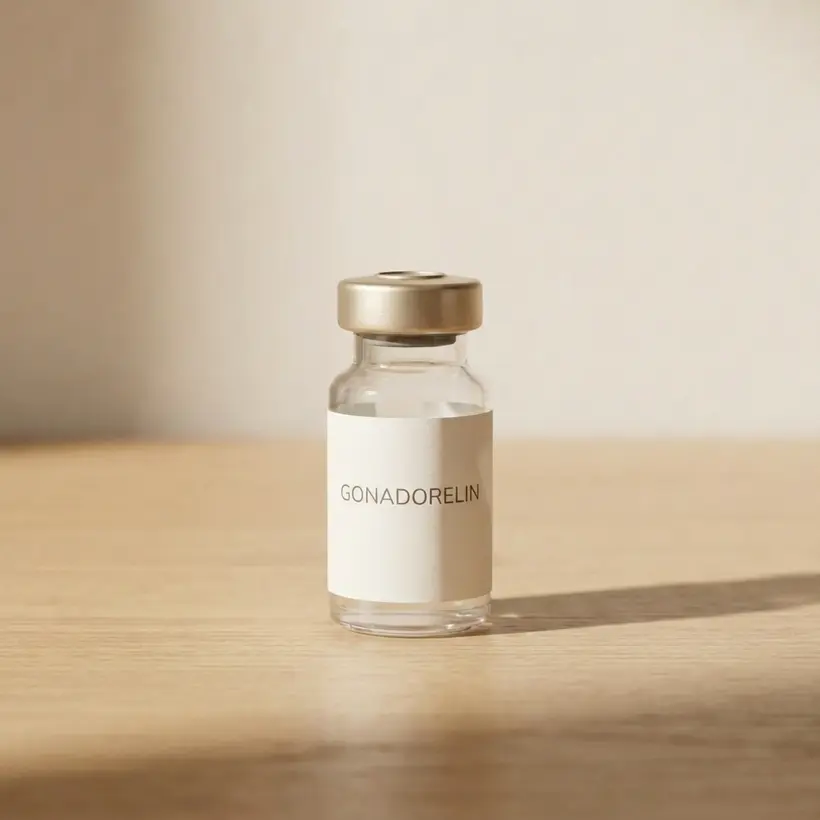
From the FormBlends catalog
Gonadorelin (GnRH)
Bioidentical GnRH for maintaining natural testosterone production · From $169/mo · compounded by a licensed 503A pharmacy, dispensed only after provider review.
View Gonadorelin (GnRH) →Can stress really cause low testosterone?
Yes, chronic stress significantly impacts testosterone production through elevated cortisol levels, which directly suppress the hypothalamic-pituitary-gonadal axis. Studies show that men with chronic stress have testosterone levels 15-25% lower than those with normal stress levels. Stress management techniques including meditation, exercise, and adequate sleep can help restore hormonal balance.
Is low testosterone from obesity reversible?
Low testosterone caused by obesity is often reversible with significant weight loss. Research suggests that men who lose 15-20% of their body weight can see testosterone levels increase by 200-300 ng/dL. Weight loss reduces aromatase activity in fat tissue, decreases inflammatory cytokines, and improves insulin sensitivity, all of which support healthy testosterone production.
Do all medications that cause low testosterone require stopping treatment?
Not necessarily. The decision to modify medications depends on the severity of symptoms, availability of alternatives, and overall health priorities. For essential medications like opioids for chronic pain, doctors may recommend testosterone replacement therapy rather than stopping the medication. Always consult your healthcare provider before making any medication changes.
How quickly can testosterone levels recover after addressing underlying causes?
Recovery timeframes vary depending on the underlying cause. Lifestyle changes like improved sleep and stress management may show effects within 4-8 weeks. Weight loss and exercise typically improve testosterone levels within 3-6 months. Recovery from medication-induced low testosterone can take several months after stopping the offending drug, while some causes may require ongoing management.
Sources
- Travison TG, et al. A population-level decline in serum testosterone levels in American men. J Clin Endocrinol Metab. 2007;92(1):196-202. PMID: 17062768
- Dhindsa S, et al. Frequent occurrence of hypogonadotropic hypogonadism in type 2 diabetes. J Clin Endocrinol Metab. 2004;89(11):5462-8. PMID: 15531498
- Luboshitzky R, et al. Altered luteinizing hormone and testosterone secretion in middle-aged obese men with obstructive sleep apnea. Obes Res. 2005;13(4):780-6. PMID: 15897489
- Katz N, et al. Opioid-induced endocrinopathy. Pain Med. 2005;6(1):2-9. PMID: 15669946
- Corona G, et al. Body weight loss reverts obesity-associated hypogonadotropic hypogonadism: a systematic review and meta-analysis. Eur J Endocrinol. 2013;168(6):829-43. PMID: 23482592
- Leproult R, Van Cauter E. Effect of 1 week of sleep restriction on testosterone levels in young healthy men. JAMA. 2011;305(21):2173-4. PMID: 21632481
- Grossmann M. Low testosterone in men with type 2 diabetes: significance and treatment. J Clin Endocrinol Metab. 2011;96(8):2341-53. PMID: 21646372
- Kapoor D, et al. Clinical and biochemical assessment of hypogonadism in men with type 2 diabetes. Diabetes Care. 2007;30(4):911-7. PMID: 17392552
Ready when you are
Gonadorelin (GnRH)
Bioidentical GnRH for maintaining natural testosterone production · From $169/mo · compounded by a licensed 503A pharmacy, dispensed only after provider review.
View Gonadorelin (GnRH) →