Key Takeaways
- "Eye rot" is a slang phrase, not a medical condition; it bundles together several unrelated complaints from semaglutide users
- The most common components are blurred vision, dry eye, fatigue, dark circles, and periorbital volume loss from weight reduction
- Most of these are reversible and benign; the only severe component is rare sudden one-eye vision loss (NAION), which is a separate clinical entity
- Cosmetic changes track total weight loss, not the medication itself; any 30-50 pound weight reduction produces similar periorbital changes
- Translating "eye rot" into specific symptoms is the first step toward appropriate care; the slang phrase is not actionable for a clinician
Direct answer
"Ozempic eye rot" is a social-media phrase rather than a medical condition. Patients use it to describe a basket of complaints that usually includes blurred vision, dry eye, eye fatigue, dark circles, and a sunken or hollow look around the eyes. Almost all of these are reversible and most are aesthetic rather than medical. The phrase obscures the difference between cosmetic weight-loss effects, transient refractive shifts, and rare serious events like NAION. Translating the slang into specific symptoms makes the conversation with a clinician productive.
Table of contents
- Where the phrase came from
- The five things "eye rot" usually means
- Cosmetic changes vs medical changes
- Dry eye on semaglutide and why it happens
- Dark circles, fatigue, and the dehydration angle
- The serious end of the spectrum: when "eye rot" describes something urgent
- Decision framework: from slang to symptoms to action
- FAQ
- Sources
Where the phrase came from
"Eye rot" entered the GLP-1 conversation through TikTok in 2024, alongside related phrases like "Ozempic face," "Ozempic butt," and "Ozempic mouth." All of these terms compress complex post-weight-loss appearance changes into shareable phrases. They get traction because they are vivid and quick to type.
Get provider-reviewed GLP-1 therapy
Side effects are manageable with the right support. A licensed provider can adjust your dose when you need it.
Start Free Assessment →Some of the original creators were dermatologists and aestheticians describing legitimate cosmetic changes. Patient adoption expanded the meaning to include vision symptoms, dry eye, fatigue, and general eye-area complaints that have nothing to do with the dermatology angle. The phrase now means different things in different communities.
The clinical literature does not use the term. Ophthalmologists do not diagnose eye rot. Pharmacovigilance databases do not track it. It is a vernacular phrase, and translating it into clinically meaningful categories is the work this article tries to do.
The five things "eye rot" usually means
1. Blurred vision during titration. The most common usage. Patients describe vision feeling soft, glasses feeling wrong, or reading requiring effort. This is almost always a glycemic refractive shift, covered in a separate FormBlends article. It resolves with stable blood sugar over 4-12 weeks.
2. Dry eye and grittiness. Many patients on semaglutide describe their eyes feeling dry, sandy, or irritated. Reduced fluid intake during nausea, changes in tear film composition during weight loss, and possibly direct effects on lacrimal function all contribute. Artificial tears, hydration, and reduced screen time help.
3. Dark circles and tiredness around the eyes. Often dehydration combined with periorbital fat loss and disrupted sleep during early titration. Patients see darker shadows under the eyes and report looking tired even when rested.
4. Sunken or hollow eye appearance. This is cosmetic and tracks total weight loss. The periorbital fat pads shrink during meaningful weight reduction, producing a more skeletal appearance around the eyes. Independent of medication.
5. Serious vision events. A minority of "eye rot" posts describe true vision loss in one eye, fixed dark patches, or other features that match NAION presentation. These are a separate clinical concern and need urgent evaluation regardless of what the social-media phrase suggests.
Cosmetic changes vs medical changes
The single most useful distinction in interpreting "eye rot" complaints is whether the change is cosmetic (how the eyes look) or medical (how the eyes work).
| Feature | Cosmetic | Medical |
|---|---|---|
| Periorbital volume loss | Yes | No, unless extreme |
| Dark circles | Yes, also from fatigue and dehydration | Rarely medical |
| Sunken appearance | Yes, tracks weight loss | No |
| Blurred vision | No | Yes, usually refractive shift |
| Dry eye discomfort | No | Yes, manageable |
| Fixed dark patches in vision | No | Yes, urgent |
| Sudden one-eye vision loss | No | Yes, emergency |
Patients often describe cosmetic and medical features in the same post, which is where the slang phrase obscures the clinical picture. Separating them sharpens the question.
Dry eye on semaglutide and why it happens
Dry eye is one of the most common components of "eye rot" complaints. Several mechanisms plausibly contribute.
- Reduced fluid intake during nausea and decreased appetite
- Changes in tear film lipid layer during rapid weight loss
- Possible direct effects on lacrimal gland function (mechanism not established)
- Increased screen time and reduced blinking, common in any modern adult population
- Underlying age-related dry eye in older patients who happen to start semaglutide
Management is straightforward in most cases: artificial tears 2-4 times daily, increased water intake, conscious blinking during screen work, and humidified environments where possible. Persistent dry eye that does not respond should be evaluated by an optometrist or ophthalmologist; meibomian gland dysfunction, blepharitis, and Sjögren-related dry eye are common in adults and need targeted treatment.
Dark circles, fatigue, and the dehydration angle
Dark circles under the eyes are partly anatomic (the skin is thin and shows the vascular network), partly fatigue-related, and partly fluid-related. Semaglutide users often experience increased prominence of dark circles in the first weeks of therapy. The contributors:
- Reduced fluid intake during nausea
- Disrupted sleep from new schedule, dose timing, or GI side effects
- Some weight loss in the eyelid skin and periorbital fat
- Vasoconstriction or vasodilation patterns associated with metabolic shifts
This is largely a temporary appearance issue, not a medical concern. Hydration, sleep, and stable diet routine often improve the look within weeks. Patients who experience persistent severe dark circles can consult dermatology for cosmetic options if they choose, recognizing that these are aesthetic rather than medical interventions.
The serious end of the spectrum: when "eye rot" describes something urgent
The portion of "eye rot" complaints that warrants urgent attention is small but important. Features that should not be filed under cosmetic:
- Sudden vision loss in one eye, especially on waking
- A fixed dark area in the visual field that does not change
- New floaters with flashes of light
- Severe distortion of straight lines
- Vision change with severe headache or neurological symptoms
These features can reflect NAION, retinal detachment, retinal vein occlusion, optic neuritis, stroke, or other emergencies. Same-day or urgent ophthalmology evaluation is appropriate. The slang phrase should never be used as a way to dismiss these symptoms. "It is just eye rot" is not a clinical conclusion.
Decision framework: from slang to symptoms to action
Step 1. Translate. Replace "eye rot" with the specific symptom you actually have: blurred vision, dry eye, dark circles, sunken appearance, vision loss, distortion, fatigue.
Step 2. Categorize. Is the issue how your eyes look (cosmetic) or how they work (medical)? If both, separate them.
Step 3. Triage. Sudden one-eye loss, fixed dark patches, new floaters and flashes: urgent eye doctor. Bilateral gradual blur in early titration: prescriber, expect resolution. Dry eye and fatigue: hydration, tears, sleep, follow up if persistent. Cosmetic changes: dermatology if bothered, otherwise routine care.
Step 4. Adjust expectations. Some changes are reversible (refractive blur, dry eye, fatigue). Some require ongoing care (NAION cannot be reversed). Some require accepting an aesthetic trade-off (periorbital volume loss from weight reduction).
Ozempic eye rot evidence scorecard
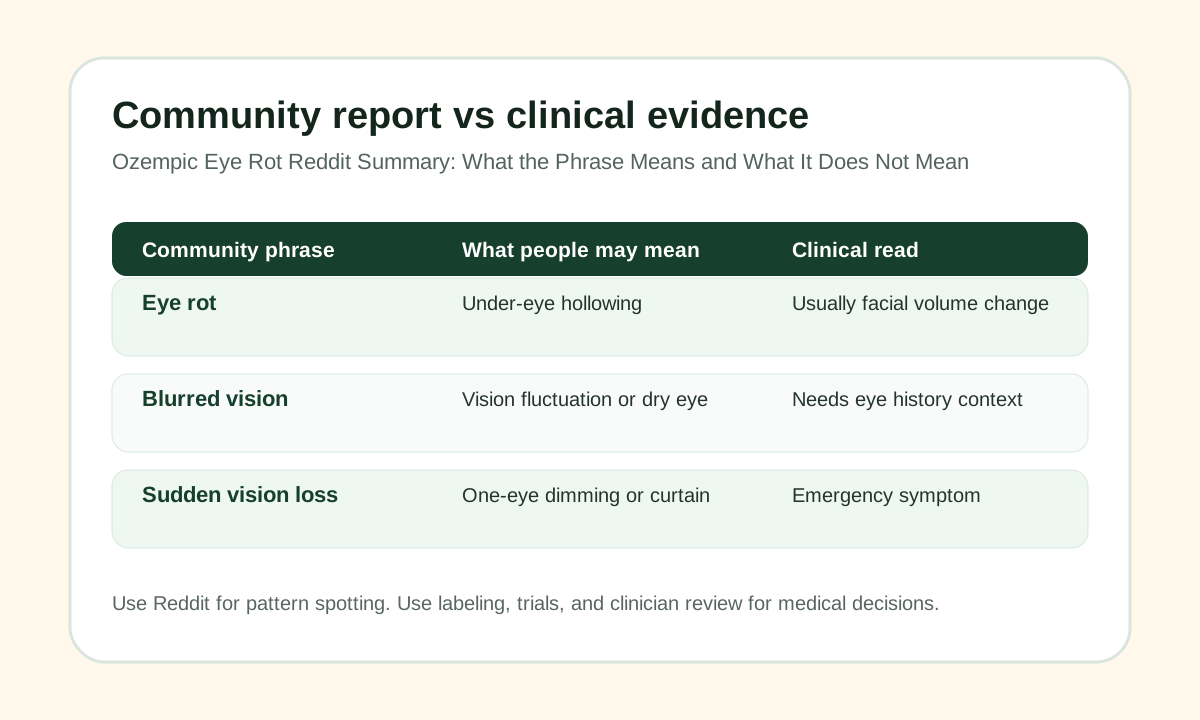
Ozempic eye rot is internet language, not a medical diagnosis. In Reddit and TikTok-style discussions, people may mean hollow under-eyes, dry eyes, blurred vision, facial fat loss, or fear after reading about NAION. The useful page has to translate the phrase into real symptom categories and tell readers which ones are cosmetic, which are routine medical questions, and which need urgent evaluation.
| Community phrase | What people may mean | Clinical read |
|---|---|---|
| Eye rot | Under-eye hollowing | Usually facial volume change |
| Blurred vision | Vision fluctuation or dry eye | Needs eye history context |
| Sudden vision loss | One-eye dimming or curtain | Emergency symptom |
Where to go next on FormBlends
Use this Reddit summary as a starting point, then compare it with clinical and practical pages before making a health decision.
FAQ
What is Ozempic eye rot?
Eye rot is not a medical term. It is a social-media phrase that bundles together unrelated complaints: blurred vision, dry eye, fatigue around the eyes, dark circles, periorbital volume loss, and occasionally more serious vision changes.
Is Ozempic eye rot dangerous?
Most of what gets called eye rot is harmless and reversible. The component that matters clinically is any sudden one-eye vision loss, which is rare and aligns with the NAION signal.
What symptoms get called eye rot on social media?
Most commonly: blurred vision, dry gritty eyes, eye fatigue, dark circles, sunken appearance, contact lens intolerance, and reduced contrast at night.
Does eye rot resolve when you stop Ozempic?
Most of the reversible components resolve over weeks regardless of whether you continue or stop the medication. Cosmetic changes from weight loss only reverse if weight is regained.
Should I worry if my Reddit feed is full of eye rot posts?
Social-media platforms surface content that drives engagement, and alarming health claims drive engagement. The post volume does not reflect actual prevalence.
How do I tell if my eye changes are cosmetic or medical?
Cosmetic changes affect how your eyes look. Medical changes affect how they work, feel, or function.
Is eye rot the same as Ozempic face?
Related but not identical. Both reflect weight loss rather than the medication itself.
What should I tell my doctor if I think I have eye rot?
Use specific descriptions rather than the slang. The clinical evaluation depends on the specifics.
Does Wegovy or Mounjaro cause eye rot too?
Patients on all GLP-1 and GIP-GLP-1 medications report similar baskets of complaints, partly driven by weight loss in general and partly by glycemic shifts.
Can eye rot be prevented?
Some of it: stay hydrated, maintain sleep, use artificial tears, slow titration if blur is bothersome. Cosmetic changes from weight loss are harder to prevent without limiting weight loss itself.
Sources
- Hathaway JT et al. Risk of Nonarteritic Anterior Ischemic Optic Neuropathy in Patients Prescribed Semaglutide. JAMA Ophthalmology. 2024.
- Wilding JPH et al. Once-Weekly Semaglutide in Adults with Overweight or Obesity (STEP 1). New England Journal of Medicine. 2021.
- Rohrich RJ et al. Facial Volume Loss After Weight Loss: A Three-Dimensional Analysis. Plastic and Reconstructive Surgery. 2022.
- American Academy of Ophthalmology. Preferred Practice Pattern: Dry Eye. 2023.
- American Optometric Association. Clinical Care Recommendations for Patients on GLP-1 Receptor Agonists. 2025.
- Garvey WT et al. Two-Year Effects of Semaglutide in Adults with Overweight or Obesity (STEP 5). Nature Medicine. 2022.
- Stapleton F et al. TFOS DEWS II Epidemiology Report. The Ocular Surface. 2017.
- FDA Adverse Event Reporting System (FAERS). Semaglutide Ophthalmic Events. Accessed 2026.
Footer disclaimers
Platform Disclaimer. FormBlends is a digital health platform connecting patients with independent licensed clinicians and U.S. pharmacies. We do not deliver medical care directly. Social-media slang summarized here is not a substitute for clinical evaluation.
Compounded Medication Notice. Compounded semaglutide and tirzepatide are not FDA-approved products. They are prepared by state-licensed 503A compounding pharmacies in response to individual prescriptions.
Results Disclaimer. Individual eye-related experiences vary widely. The phrase "eye rot" covers many different symptoms; not all map to the same prognosis. Always describe your symptoms specifically to your clinician.
Trademark Notice. Ozempic and Wegovy are registered trademarks of Novo Nordisk A/S. Mounjaro and Zepbound are registered trademarks of Eli Lilly and Company. TikTok and Reddit are registered trademarks of their respective owners. FormBlends has no affiliation with any of these entities.
See your options in about 2 minutes
Take the free quiz and see what fits you. Quick, private, and no commitment to continue.
See my options →