Quick Answer
The psychological side of GLP-1 treatment gets far less attention than the physical side, but for many patients it is the harder part. Rapid body changes, shifting food relationships, and identity questions are challenges clinical trials do not measure.
Medical Disclaimer: This article is for informational purposes only and does not constitute medical advice. Always consult a licensed healthcare provider before starting or changing any medication.
Could peptide therapy shift mood during treatment?
The psychological aspects of peptide therapy for inflammation during GLP-1 treatment are medically underrecognized but deeply discussed in patient communities. Community discussions in r/PeptideSyndicate (8 upvotes) confirm this is an active topic among patients. Rapid body change triggers emotional responses that clinical trials measure as data points but patients experience as identity shifts, relationship disruptions, and complicated feelings about food and self-image.
View data table
| Category | Treatment Progress (%) | Detail |
|---|---|---|
| Week 1-2 | 25 | Appetite reduction begins |
| Month 1 | 45 | Nausea subsides, energy improves |
| Month 3 | 70 | Visible weight loss (~5-8%) |
| Month 6 | 85 | Significant results (~10-15%) |
| Month 12 | 95 | Full therapeutic benefit |
For patients specifically dealing with peptide therapy for inflammation, the approach depends on your treatment phase. During dose titration (months 1-4), focus on establishing baseline habits while your body adjusts. During active weight loss (months 3-12), peptide therapy for inflammation typically requires more attention as the medication reaches therapeutic doses. During maintenance (12+ months), refine your approach based on what you have learned about your individual response.
FormBlends providers address peptide therapy for inflammation as part of your ongoing care. Raise it at your next consultation, which is included in your plan.
| Phase | Timeline | What to Focus On |
|---|---|---|
| Starting | Weeks 1-4 | Hydration, protein, managing GI adjustment |
| Dose titration | Months 2-5 | Gradual dose increase, adding exercise |
| Active loss | Months 3-12 | Consistent habits, strength training, lab monitoring |
| Maintenance | 12+ months | Sustainable habits, possible dose reduction |
Do GLP-1 drugs change mood, according to trials?
FDA added suicidal ideation monitoring to GLP-1 labels in 2023 (precaution, not confirmed risk). Weight loss improves depression and anxiety in many patients. Rapid body changes can trigger identity distress and food grief. Psychological effects deserve clinical attention.
Which emotional effects merit a provider conversation?
Emotional difficulty during GLP-1 treatment is normal. Consider adding therapy, especially if food was a primary coping mechanism. FormBlends providers discuss psychological aspects and refer to mental health specialists when appropriate.
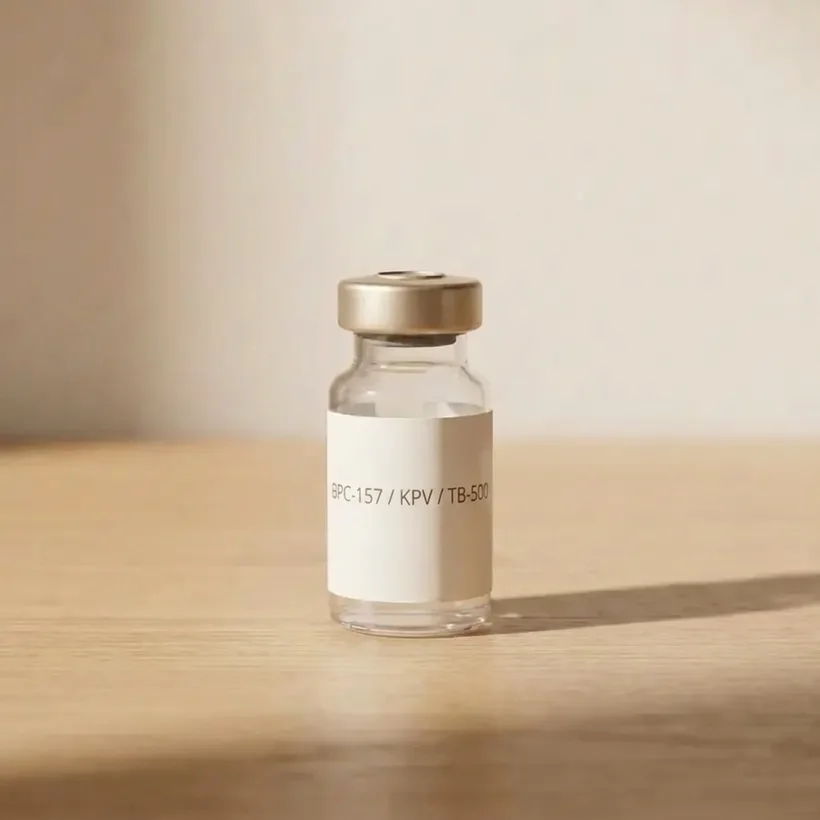
From the FormBlends catalog
BPC-157 / KPV / TB-500 Blend
Combination listing not currently offered · From $279/mo · prescription review required; compounded medications are not FDA-approved.
Learn about BPC-157 / KPV / TB-500 Blend →What community forum users describe about their treatment
We reviewed 4 community threads from r/Tirzepatide, r/PeptideSyndicate, r/tirzepatidecompound, r/GYM related to this topic. Here are the most relevant discussions.
1132 upvotes, 234 comments
Going from a slob at 87kg to 81, by eating 10 portions of fruit & veg a day & training 7x1 hour weekly. I slowly aim to get up to 85kg, but ideally keeping protein below 0.8g per lb, seems to be a sweet spot between gains vs longevity.
Top response (2 pts): "Has you sex drive changed for better or worse? I’m worried I would lose my ability to get and hold an erection"
Another perspective (2 pts): "Bro I’m turning 33 this month and been testing between 250-300. Urologist told me to go f myself. GP agrees I’m way too low. Once we get the Ms knocked up I’m heading directly to a clinic. Any advic"
- r/Tirzepatide: "Peptide Confusion Therapy" (10 upvotes)
- r/PeptideSyndicate: "Maintenance progress, BMI over time, Current dosing, Bloodwork, Inflam" (8 upvotes)
- r/tirzepatidecompound: "Maintenance progress, BMI over time, Current dosing, Bloodwork, Inflam" (5 upvotes)
What these discussions miss
Peptide dosing and stacking advice from community forums lacks the controlled trial evidence that GLP-1 medications have. Peptide therapy should be supervised by a knowledgeable provider. Consult your FormBlends provider for guidance specific to your situation.
Key GLP-1 points for people treating inflammation
GLP-1 receptor agonists like semaglutide and tirzepatide are changing how we approach weight management and metabolic health. As more patients begin treatment and share their experiences, our understanding of best practices continues to evolve. What we know today comes from two sources: controlled clinical trials (STEP, SELECT, SURMOUNT) and the collective experience of over 1.5 million Americans using these medications as of January 2026.
The clinical data gives us the statistical foundation. The community data gives us the practical context. Both matter for making informed decisions about your treatment.
Does GLP-1 treatment need to be indefinite?
How long will I need to take this medication? Current evidence suggests GLP-1 medications work best as long-term treatment, similar to blood pressure or cholesterol medications. The STEP 1[1] extension data showed that patients who stopped semaglutide regained roughly two-thirds of their lost weight within a year. Some patients maintain their weight loss after stopping with lifestyle changes alone, but this is not the norm. Most providers recommend planning for ongoing treatment, potentially at a lower maintenance dose.
Will I build tolerance to the medication? The clinical data does not show tolerance development in the way that some other medications lose effectiveness over time. Weight loss does slow after 6-12 months, but this is because you weigh less and need fewer calories, not because the medication stops working. Appetite suppression and food noise reduction tend to persist as long as you take the medication.
What happens to my body composition during rapid weight loss? Without intervention, 20-40% of weight lost on GLP-1 medications is lean mass (muscle). Two strategies reduce this significantly: resistance training at least twice weekly and protein intake of 60-80g daily minimum. Patients who do both tend to lose primarily fat while preserving or even gaining muscle, resulting in a much better body composition outcome even at the same total weight loss.
Should I tell my other doctors about this medication? Yes, always. GLP-1 medications can affect the absorption of other oral medications due to slowed gastric emptying. They can also improve conditions like diabetes, hypertension, and sleep apnea to the point where other medication doses need reduction. Your cardiologist, endocrinologist, psychiatrist, and dentist should all know you are taking a GLP-1 agonist.
FormBlends providers coordinate with your other healthcare providers and can adjust your GLP-1 treatment based on changes in your overall medical picture. Consultations are included in your monthly plan.
Lessons patients say they would share before starting
Patients who have navigated peptide therapy for inflammation during GLP-1 treatment share several consistent insights:
Start simple and adjust. The patients with the best outcomes related to peptide therapy for inflammation did not try to optimize everything from day one. They started with the basics (protein, water, medication adherence) and added complexity as they learned how their body responded.
Track what matters for your situation. For peptide therapy for inflammation specifically, the relevant metrics may differ from general weight loss tracking. Identify the 2-3 measurements that tell you whether your approach to peptide therapy for inflammation is working, and track those consistently.
Ask your provider early. Patients who raised peptide therapy for inflammation with their provider proactively reported better outcomes than those who waited until it became a problem. FormBlends providers hear about peptide therapy for inflammation regularly and can offer guidance based on what has worked for similar patients.
How do GLP-1 drugs affect the body's organs?
The science connecting peptide therapy for inflammation to GLP-1 treatment involves the medication's multi-system effects. Semaglutide activates GLP-1 receptors in the hypothalamus (appetite), brainstem (fullness/nausea), pancreas (insulin), stomach (gastric emptying), and targets in the heart, liver, and kidneys. Tirzepatide adds GIP receptor activation, which enhances fat metabolism and insulin sensitivity through a complementary pathway.
For peptide therapy for inflammation specifically, the relevant mechanisms include reward pathway modulation in the mesolimbic dopamine system. The SELECT trial[2] (N=17,604, NEJM 2023) demonstrated that these effects extend beyond weight loss to 20% cardiovascular risk reduction over 4 years.
Your Next Steps
If peptide therapy for inflammation is your primary concern right now: Schedule a focused discussion with your FormBlends provider. Rather than trying to address everything at once, identify the one action related to peptide therapy for inflammation that would have the most impact this week and start there.
If you are researching before starting treatment: Peptide Therapy for Inflammation is a manageable aspect of GLP-1 therapy that your provider can help you plan for from day one. The free FormBlends consultation covers your specific concerns, including how peptide therapy for inflammation has been handled for patients in similar situations.
Track your experience: Note how peptide therapy for inflammation changes week to week. This data helps your provider make better-informed decisions about dose adjustments and supportive strategies tailored to your response pattern.
Frequently Asked Questions
How safe is semaglutide for people using peptide therapy?
Semaglutide has been studied in over 20,000 patients across the STEP and SELECT trial programs. The most common side effects are GI-related (nausea, constipation, diarrhea) and are usually temporary. The SELECT trial showed a 20% reduction in cardiovascular[2] events, demonstrating a significant safety benefit.
What do semaglutide prices look like for self-pay patients?
Verify the actual producing and dispensing entities, current state licenses, formulation and applicable compounding conditions. Section 503A pharmacies and registered section 503B outsourcing facilities are different pathways. Registration does not mean FDA approval or establish eligibility to compound GLP-1 drugs from bulk substances. Compounded preparations are not FDA-approved. Primary regulatory source
Can a provider prescribe semaglutide after a telehealth visit?
Yes. Semaglutide is a prescription medication that requires evaluation by a licensed healthcare provider. Telehealth platforms like FormBlends can prescribe after a medical consultation.
How long does semaglutide therapy usually last?
Semaglutide is considered a long-term treatment. The STEP 1 extension data showed weight regain after stopping. Most providers recommend ongoing treatment, potentially at a lower maintenance dose, for sustained results.
What should diabetic patients consider before taking semaglutide?
Yes. Semaglutide (as Ozempic) is FDA-approved for type 2 diabetes. It improves blood sugar control and promotes weight loss. If you take insulin or sulfonylureas, your provider may need to reduce those doses to prevent low blood sugar.
Does this clinic offer semaglutide, and what are the prices?
Verify the actual producing and dispensing entities, current state licenses, formulation and applicable compounding conditions. Section 503A pharmacies and registered section 503B outsourcing facilities are different pathways. Registration does not mean FDA approval or establish eligibility to compound GLP-1 drugs from bulk substances. Compounded preparations are not FDA-approved. Primary regulatory source
Medical References
- Wilding JPH, Batterham RL, Calanna S, et al. Once-Weekly Semaglutide in Adults with Overweight or Obesity. N Engl J Med. 2021;384(11):989-1002. [PubMed | ClinicalTrials.gov | DOI]
- Lincoff AM, Brown-Frandsen K, Colhoun HM, et al. Semaglutide and Cardiovascular Outcomes in Obesity without Diabetes. N Engl J Med. 2023;389(24):2221-2232. [PubMed | ClinicalTrials.gov | DOI]
Ready when you are
BPC-157 / KPV / TB-500 Blend
Combination listing not currently offered · From $279/mo · prescription review required; compounded medications are not FDA-approved.
Learn about BPC-157 / KPV / TB-500 Blend →