Key Takeaway
Getting your semaglutide dose right is important for both safety and results. A semaglutide dose calculator helps you understand where you're on your titration schedule, what your next dose increase looks like, and how to measure it accurately on a syringe.
Getting your semaglutide dose right is important for both safety and results. A semaglutide dose calculator helps you understand where you're on your titration schedule, what your next dose increase looks like, and how to measure it accurately on a syringe. Your provider sets your dose) the calculator helps you follow it precisely.
Key Takeaways: - Learn how the semaglutide titration schedule works - Learn how to convert your dose to syringe units - Understand what to expect at each dose level - Tracking Your Dose Schedule With the FormBlends App
This guide covers the standard titration schedule, how to convert milligrams to syringe units, and what to expect at each dosing stage.
How the Semaglutide Titration Schedule Works
Semaglutide isn't a medication you start at the full dose. Instead, you follow a titration schedule. This means you start at a low dose and gradually increase over several weeks. This approach helps reduce side effects (especially nausea) and lets your body adjust.
The standard titration schedule for semaglutide used for weight management looks like this:
- Weeks 1-4: 0.25 mg once weekly
- Weeks 5-8: 0.5 mg once weekly
- Weeks 9-12: 1.0 mg once weekly
- Weeks 13-16: 1.7 mg once weekly
- Week 17 onward: 2.4 mg once weekly
"Compounding pharmacies serve a critical role in healthcare, but patients need to understand the difference between a properly regulated 503B facility and an unregulated operation. Ask about PCAB accreditation and third-party testing.", Dr. Scott Brunner, PharmD, Alliance for Pharmacy Compounding
Each step up doubles or nearly doubles the previous dose. That's why the gradual approach matters. Jumping straight to 2.4 mg would likely cause significant gastrointestinal side effects.
Your provider may adjust this timeline based on how you respond. Some people stay at a lower dose longer if they experience side effects. Others may not need the highest dose to reach their goals.
If you're using , your provider will create a personalized titration plan. The concentration of your medication and your injection volume will be specific to your prescription.
How to Convert Your Dose to Syringe Units
If you've been prescribed compounded semaglutide from a 503A pharmacy, your medication comes in a vial with a specific concentration. This is where a dose calculator becomes important. For a complete cost breakdown, see our compare semaglutide prices.
View data table
| Category | Mean Body Weight Loss (%) | Detail |
|---|---|---|
| Tirzepatide | 22 | ~22% body weight at 72 wks |
| Semaglutide | 15 | ~15% body weight at 68 wks |
| Liraglutide | 8 | ~8% body weight at 56 wks |
| Retatrutide | 24 | ~24% in Phase 2 trial |
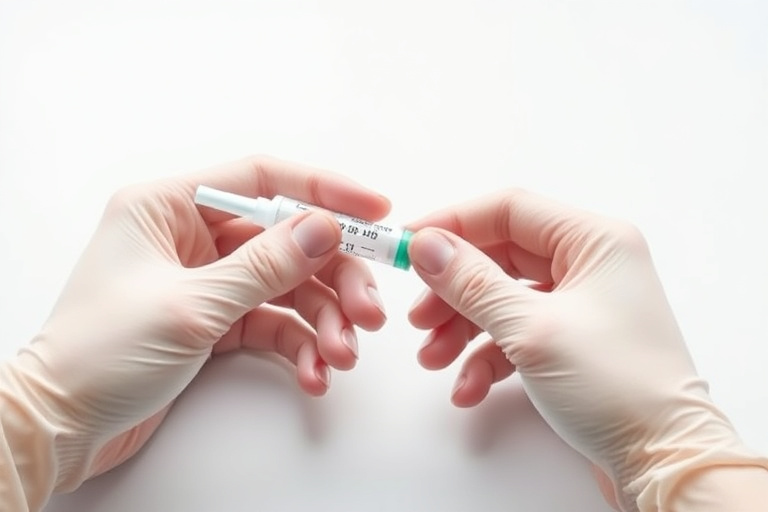
Here's the concept: your vial has a concentration listed in mg/mL. Your prescribed dose is in mg. To find your injection volume, you divide the dose by the concentration.
Example: Your vial concentration is 5 mg/mL. Your prescribed dose is 0.5 mg.
0.5 mg divided by 5 mg/mL = 0.1 mL = 10 units on a U-100 insulin syringe.
Free Download: Universal Peptide Dose Conversion Table Pre-calculated syringe measurements for common semaglutide concentrations and doses. Print it out and keep it with your supplies for quick reference. Get yours free (we'll email it to you instantly.
[Download CTA Button]
Different pharmacies may compound semaglutide at different concentrations. Common concentrations include:
- 1 mg/mL) lower concentration, larger injection volumes
- 2.5 mg/mL, mid-range concentration
- 5 mg/mL, higher concentration, smaller injection volumes
Always check your vial label and match it to your calculation. If the concentration on your vial doesn't match what you expected, contact your pharmacy or provider before injecting.
The works for these conversions too. Enter your concentration and dose, and it tells you exactly how many units to draw.
What to Expect at Each Dose Level
Knowing what each dose level typically feels like can help you prepare.
Check your GLP-1 eligibility
Use our free BMI Calculator to see if you may qualify for provider-reviewed GLP-1 therapy.
Try the BMI Calculator →0.25 mg (starting dose): Most people tolerate this well. You may notice mild appetite reduction. Some experience light nausea. This dose is primarily about letting your body adjust to the medication.
0.5 mg: Appetite suppression typically becomes more noticeable. Nausea may increase temporarily after the step-up but usually settles within a few days. Many people start seeing initial weight changes at this dose.
1.0 mg: This is where many people experience meaningful appetite changes. Food noise (that constant background chatter about food) often quiets significantly. Side effects that appeared at 0.5 mg usually improve by now.
1.7 mg and 2.4 mg: These higher doses may provide additional appetite suppression. Not everyone needs to reach 2.4 mg. Your provider will help you find the dose where you're getting good results with manageable side effects.
If side effects become difficult at any dose, talk to your provider. They may recommend staying at your current dose longer or adjusting your to ease symptoms.
Tracking Your Dose Schedule With the FormBlends App
Remembering your injection day, tracking dose changes, and logging side effects gets easier with the right tool.
The includes a dose logging feature built specifically for GLP-1 and peptide protocols. You can record each injection with the exact dose, timestamp, and injection site. The app reminds you on your injection day so you never miss a dose.
During titration, the app helps you track how you feel at each dose level. You can log side effects, energy levels, and appetite changes. This data becomes incredibly valuable during provider follow-ups.
You can also generate a progress report from the app to share with your provider. This report shows your dose history, weight trend, and any side effects you've logged. Having this information organized makes your appointments more productive.
Your provider set your dose for a reason. The tools just help you follow it precisely.
Frequently Asked Questions
Can I calculate my own semaglutide dose without a provider?
No. Your semaglutide dose must be prescribed by a licensed healthcare provider who evaluates your health history, current medications, and treatment goals. Calculators help you measure the prescribed dose accurately (they don't replace medical guidance.
What if I accidentally inject more than my prescribed dose?
Contact your healthcare provider immediately if you inject more than your prescribed dose. Common symptoms of over-dosing may include nausea, vomiting, and low blood sugar. Don't adjust your next dose without provider guidance.
Why do different pharmacies use different concentrations?
Compounding pharmacies prepare medications at various concentrations based on prescriber specifications and patient needs. A higher concentration means a smaller injection volume for the same dose. Your provider and pharmacy coordinate to determine the best concentration for your protocol.
How do I know when to increase my dose?
Your provider determines when to increase your dose based on your tolerance and response. Follow the titration schedule they prescribed. Never increase your dose on your own. If you feel ready for a dose increase, discuss it at your next appointment.
Is it normal to stay at a lower dose longer than the standard schedule?
Yes. The standard titration schedule is a guideline, not a rigid rule. Many providers recommend staying at a dose longer if you're experiencing side effects or if you're seeing good results without needing a higher dose.
What's Your Next Move?
You have the information. Now let a licensed provider help you put it into action. FormBlends makes it simple) answer a few questions and get a personalized recommendation.
Medical References
- Davies M, Færch L, Jeppesen OK, et al. Semaglutide 2.4 mg once a week in adults with overweight or obesity, and type 2 diabetes (STEP 2). Lancet. 2021;397(10278):971-984. [PubMed | ClinicalTrials.gov | DOI]
- Wadden TA, Bailey TS, Billings LK, et al. Effect of Subcutaneous Semaglutide vs Placebo as an Adjunct to Intensive Behavioral Therapy on Body Weight in Adults With Overweight or Obesity (STEP 3). JAMA. 2021;325(14):1403-1413. [PubMed | ClinicalTrials.gov | DOI]
- Garvey WT, Batterham RL, Bhatt DL, et al. Two-year effects of semaglutide in adults with overweight or obesity (STEP 5). Nat Med. 2022;28(10):2083-2091. [PubMed | ClinicalTrials.gov | DOI]
Sources &. References
- Stierman B, Afful J, Carroll MD, et al. National Health and Nutrition Examination Survey 2017-March 2020 Prepandemic Data Files. NCHS Data Brief. No. 492. CDC/NCHS. 2023.
- Sumithran P, Prendergast LA, Delbridge E, et al. Long-Term Persistence of Hormonal Adaptations to Weight Loss. N Engl J Med. 2011;365(17):1597-1604. Doi:10.1056/NEJMoa1105816
- Wilding JPH, Batterham RL, Calanna S, et al. Once-Weekly Semaglutide in Adults with Overweight or Obesity. N Engl J Med. 2021;384(11):989-1002. Doi:10.1056/NEJMoa2032183
- Davies M, Færch L, Jeppesen OK, et al. Semaglutide 2.4 mg once a week in adults with overweight or obesity, and type 2 diabetes (STEP 2 (Davies et al., Lancet, 2021)). Lancet. 2021;397(10278):971-984. Doi:10.1016/S0140-6736(21)00213-0
- Wadden TA, Bailey TS, Billings LK, et al. Effect of Subcutaneous Semaglutide vs Placebo as an Adjunct to Intensive Behavioral Therapy on Body Weight in Adults With Overweight or Obesity (STEP 3 (Wadden et al., JAMA, 2021)). JAMA. 2021;325(14):1403-1413. Doi:10.1001/jama.2021.1831
- Garvey WT, Batterham RL, Bhatt DL, et al. Two-Year Effects of Semaglutide in Adults with Overweight or Obesity (STEP 5 (Garvey et al., Nat Med, 2022)). Nat Med. 2022;28:2083-2091. Doi:10.1038/s41591-022-02026-4
- Lincoff AM, Brown-Frandsen K, Colhoun HM, et al. Semaglutide and Cardiovascular Outcomes in Obesity without Diabetes. N Engl J Med. 2023;389(24):2221-2232. Doi:10.1056/NEJMoa2307563
This content is provided for informational and educational purposes only. It isn't a substitute for professional medical advice, diagnosis, or treatment. Always seek the advice of a licensed healthcare provider with any questions about a medical condition or treatment plan.
Last updated: 2026-03-24
See your options in about 2 minutes
Take the free quiz and see what fits you. Quick, private, and no commitment to continue.
See my options →