Medically Reviewed by FormBlends Clinical Review - Clinical Pharmacist
Written by FormBlends Medical Team - Medical Director
Reading time: approximately 65 minutes
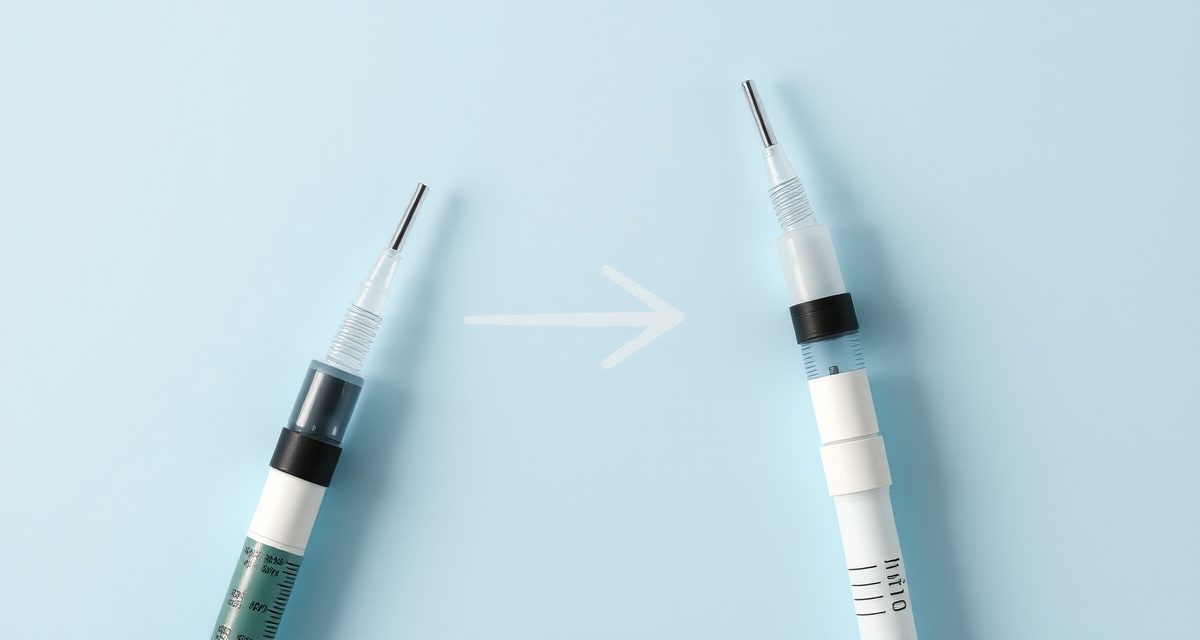
Switching between GLP-1 medications requires careful dose conversion to maintain therapeutic effect while minimizing side effects - the standard approach involves a 2-4 week overlap titration based on relative potency equivalencies. The most common switches are semaglutide to tirzepatide (for greater weight loss), tirzepatide to semaglutide (for cost or availability), and liraglutide to semaglutide (upgrading from daily to weekly injection).
Whether you're switching GLP-1 medications because of a weight loss plateau, insurance coverage changes, supply shortages, intolerable side effects, or a desire for improved efficacy, the transition process demands precision. An improperly managed switch can lead to a resurgence of appetite, gastrointestinal distress, temporary weight regain, and disrupted blood sugar control for patients with type 2 diabetes.
This guide provides the most thorough dose conversion reference available - covering every major GLP-1 receptor agonist transition with specific protocols, equivalency tables, week-by-week timelines, and clinical guidance for both patients and healthcare providers. Every recommendation in this guide should be discussed with your prescribing provider before making any medication changes.
1. Why Patients Switch GLP-1 Medications
The decision to switch GLP-1 medications is never taken lightly. These medications represent a significant investment of time, money, and physiological adaptation. Yet data from pharmacy benefit managers suggests that approximately 25-30% of GLP-1 users will switch medications at least once within the first 18 months of treatment. Understanding the most common reasons for switching helps contextualize the dose conversion process and informs the optimal transition strategy.
View data table
| Category | Reader Interest (%) | Detail |
|---|---|---|
| Dosing | 32 | Titration schedules |
| Side Effects | 28 | Management strategies |
| Injection | 22 | Technique guides |
| Diet/Exercise | 18 | Lifestyle optimization |
1.1 Weight Loss Plateau
The most clinically significant reason for switching GLP-1 medications is a sustained weight loss plateau. A true plateau is defined as less than 1% body weight loss over a 3-month period despite medication compliance, adequate dosing, and reasonable adherence to nutritional and activity recommendations.
Plateaus on GLP-1 medications occur due to metabolic adaptation - the body adjusts its energy expenditure downward as weight decreases, eventually reaching a new equilibrium point where caloric intake matches reduced metabolic output. This is a physiological response, not a medication failure.
When a plateau occurs on semaglutide, the most common switch is to tirzepatide. The rationale is pharmacologically sound: tirzepatide activates both GLP-1 and GIP (glucose-dependent insulinotropic polypeptide) receptors, providing a dual incretin mechanism that may overcome the single-pathway adaptation seen with GLP-1-only agonists. Clinical data from the SURMOUNT trials demonstrated that tirzepatide at maximum doses produced approximately 22.5% body weight[4] loss compared to approximately 16% for semaglutide at maximum doses in the STEP trials, though direct head-to-head data from the SURPASS and subsequent comparative trials provides more nuanced comparison.
Not every weight loss slowdown constitutes a true plateau warranting a medication switch. Before changing medications, providers should verify that the patient is on the maximum tolerated dose, assess dietary patterns for caloric creep, evaluate exercise consistency, check thyroid function and other metabolic markers, and consider whether the patient has reached a healthy maintenance weight.
1.2 Intolerable Side Effects
Gastrointestinal side effects are the most common reason patients discontinue or switch GLP-1 medications. While nausea, vomiting, diarrhea, and constipation are expected during dose titration and typically improve over 4-8 weeks, some patients experience persistent or severe GI symptoms that don't resolve even after extended time at a given dose.
The GI side effect profile differs somewhat between GLP-1 medications. Semaglutide tends to produce more nausea and vomiting at higher doses, while tirzepatide may cause more diarrhea but potentially less nausea in some patients. These differences are attributed to tirzepatide's dual GIP/GLP-1 mechanism - GIP receptor activation may modulate some of the GLP-1-mediated nausea pathways.
Patients who experience severe nausea on semaglutide that doesn't respond to antiemetic strategies, dietary modifications, and slower titration may benefit from switching to tirzepatide. Conversely, patients experiencing persistent diarrhea on tirzepatide may find semaglutide more tolerable. Individual response varies considerably, and a medication that's intolerable for one patient may be well-tolerated by another.
Other side effects that may prompt a switch include injection site reactions (more common with certain pen devices and formulations), headaches, fatigue, and less commonly, gallbladder-related symptoms. For rare but serious adverse effects such as pancreatitis, the decision to switch to a different GLP-1 versus discontinuing the class entirely should be made carefully with specialist input.
1.3 Cost and Insurance Coverage
Financial considerations are among the most practical and frequent drivers of GLP-1 medication switches. The space of GLP-1 pricing and coverage is complex and constantly evolving.
As of early 2026, the monthly retail cost of brand-name GLP-1 medications ranges from approximately $900 to $1,500 depending on the specific medication, dose, and pharmacy. Insurance coverage varies dramatically - some plans cover one GLP-1 but not another, some require prior authorization, and others impose step therapy requirements that dictate which medication must be tried first.
Common cost-driven switches include moving from a brand-name GLP-1 (Wegovy, Zepbound) to compounded semaglutide, which can cost $150-450 per month. Others switch between brand-name medications based on formulary preference - for example, a plan that covers Mounjaro but not Wegovy would motivate a switch from semaglutide to tirzepatide regardless of clinical preference.
The Inflation Reduction Act's provisions affecting Medicare Part D, combined with the TREAT Act's expansion of anti-obesity medication coverage, have changed the insurance space significantly. But coverage gaps remain, and many patients still face cost barriers that drive medication switching decisions.
1.4 Supply Shortages and Availability
GLP-1 medication shortages have been a persistent challenge since 2022, driven by unprecedented demand that has outpaced manufacturing capacity. Both semaglutide and tirzepatide have experienced intermittent supply disruptions, particularly at specific dose levels.
When a patient's current medication is unavailable, the options are to wait (risking treatment interruption), switch to a different dose of the same medication (which may compromise efficacy), or switch to a different GLP-1 medication that's currently available. Many of the dose conversion protocols in this guide were developed specifically to address shortage-driven switches.
Supply shortages disproportionately affect patients on specific doses. For example, the 1.0mg and 1.7mg semaglutide pens have experienced the most frequent shortages, while the 0.25mg and 0.5mg starter doses have remained more consistently available. Similarly, tirzepatide shortages have been most pronounced at the 10mg and 12.5mg doses.
1.5 Upgrading from Older to Newer Agents
The GLP-1 medication class has evolved rapidly. Patients who started treatment on older agents - particularly liraglutide (Saxenda for weight management or Victoza for diabetes) or dulaglutide (Trulicity for diabetes) - may benefit from switching to newer, more effective medications.
The case for upgrading from liraglutide to semaglutide is particularly strong. Liraglutide requires daily injection and produces average weight loss of approximately 8% of body weight. Semaglutide, administered weekly, produces approximately 15-16% weight loss at maximum doses. The convenience of weekly versus daily injection, combined with superior efficacy, makes this a common and well-supported transition.
Similarly, patients on dulaglutide for type 2 diabetes who desire weight loss may benefit from switching to semaglutide or tirzepatide, both of which produce greater weight reduction while maintaining or improving glycemic control.
1.6 Clinical Response Improvement
Some patients respond well to GLP-1 therapy in general but may achieve a better clinical outcome on a different specific agent. This is particularly relevant for patients with type 2 diabetes, where the choice of GLP-1 affects not only weight but also HbA1c, fasting glucose, postprandial glucose, and cardiovascular risk markers.
Tirzepatide has demonstrated superior HbA1c reduction compared to semaglutide in head-to-head trials (SURPASS-2[1]), with mean HbA1c reductions of 2.0-2.3% for tirzepatide versus 1.9% for semaglutide 1.0mg. For patients whose primary treatment goal is glycemic control, this difference may be clinically meaningful.
Conversely, semaglutide has the strongest cardiovascular outcomes data (SELECT trial[2]), making it the preferred choice for patients with established cardiovascular disease or high cardiovascular risk, even if tirzepatide might produce greater weight loss.
1.7 Preparation for Surgery
An increasingly recognized reason for GLP-1 medication adjustments involves patients preparing for surgery. The American Society of Anesthesiologists (ASA) recommends holding GLP-1 medications prior to procedures requiring anesthesia due to concerns about delayed gastric emptying and aspiration risk.
For weekly GLP-1 medications, the recommendation is to hold the medication for at least 1 week (some institutions recommend 2-3 weeks) before elective surgery. For daily GLP-1 medications like liraglutide, the hold period is typically 1 day before surgery.
Some patients use the surgical hold period as an opportunity to switch medications - for example, transitioning from a weekly injectable to a medication with a shorter half-life before surgery, then initiating a different GLP-1 medication post-operatively.
1.8 Patient Preference and Lifestyle Factors
Practical considerations also drive switching decisions. These include switching from daily to weekly injection for convenience, changing pen devices due to dexterity issues or needle phobia, transitioning from injectable to oral semaglutide (or vice versa), and preferences related to injection volume and injection site comfort.
While these may seem like minor considerations, medication adherence is directly correlated with patient satisfaction and convenience. A medication that's slightly less effective but taken consistently will outperform a theoretically superior medication that's frequently missed or discontinued.
2. Understanding GLP-1 Dose Equivalency
Before examining specific dose conversion tables, understand what dose equivalency means in the context of GLP-1 medications - and its limitations.
Check your GLP-1 eligibility
Use our free BMI Calculator to see if you may qualify for provider-reviewed GLP-1 therapy.
Try the BMI Calculator →2.1 What Dose Equivalency Actually Means
Dose equivalency between GLP-1 medications isn't a precise pharmacological calculation like converting between two formulations of the same drug. Rather, it's a clinical approximation based on multiple data points, primarily relative weight loss efficacy at various doses, receptor binding affinity and potency, pharmacokinetic parameters (half-life, time to peak concentration, steady state), glycemic effect at various doses, and tolerability profiles.
The challenge of GLP-1 dose equivalency stems from fundamental pharmacological differences between the medications. Semaglutide is a selective GLP-1 receptor agonist. Tirzepatide is a dual GIP/GLP-1 receptor agonist. Liraglutide is a GLP-1 receptor agonist with shorter half-life requiring daily dosing. Dulaglutide is a GLP-1 receptor agonist with different albumin binding characteristics. These different mechanisms mean that true pharmacological equivalency doesn't exist - we can only approximate clinical equivalency based on outcomes data.
2.2 The Concept of Relative Potency
Relative potency is the foundation of GLP-1 dose conversion. It answers the question: at what dose of Medication B do we see approximately the same clinical effect as a given dose of Medication A?
For semaglutide and tirzepatide, the relative potency relationship isn't linear. At lower doses, the medications are closer in effect, while at higher doses, tirzepatide produces proportionally greater weight loss. This means the conversion ratio changes depending on where you're in the dose range.
At lower doses, the approximate weight loss equivalency is roughly 1:5 to 1:10 (semaglutide mg : tirzepatide mg). At higher doses, the ratio shifts to approximately 1:4 to 1:6. These ratios are derived from comparing the dose-response curves of the STEP and SURMOUNT clinical trial programs.
2.3 Why Exact Conversion Is Impossible
Several factors make exact GLP-1 dose conversion impossible. First, individual variability in drug metabolism means that two patients on the same dose of semaglutide may have very different plasma drug levels and clinical responses. Second, tirzepatide's GIP receptor activation provides a mechanism of action that semaglutide simply doesn't possess, making certain effects non-interchangeable. Third, the medications have different titration schedules, different time-to-steady-state profiles, and different dose options available, creating gaps in the conversion spectrum.
For these reasons, the dose conversion tables in this guide should be understood as clinical starting points - informed approximations that help providers determine the most appropriate starting dose when transitioning a patient to a new medication. They aren't precise equivalencies, and individual dose adjustment will always be necessary.
2.4 Key Pharmacological Differences Affecting Conversion
Understanding the pharmacological differences between GLP-1 medications helps explain why transition can cause temporary symptoms even when dose conversion is well-executed.
Half-life differences: Semaglutide has a half-life of approximately 7 days (168 hours). Tirzepatide has a half-life of approximately 5 days (120 hours). Liraglutide has a half-life of approximately 13 hours. These differences affect how quickly one medication washes out and another reaches steady state.
Time to steady state: Semaglutide reaches steady state after approximately 4-5 weeks at a given dose. Tirzepatide reaches steady state after approximately 4 weeks. These timelines mean that the full effect of a new dose (after switching) won't be apparent for nearly a month.
Receptor selectivity: Semaglutide is highly selective for the GLP-1 receptor. Tirzepatide activates both GIP and GLP-1 receptors, with relatively greater affinity for GIP. This dual mechanism means switching from tirzepatide to semaglutide involves the loss of GIP receptor activation, while switching from semaglutide to tirzepatide introduces it.
Molecular structure: Semaglutide is an acylated GLP-1 analog with a C-18 fatty acid side chain that binds to albumin, extending its half-life. Tirzepatide is a synthetic peptide based on the native GIP sequence, modified to also activate GLP-1 receptors. These structural differences mean the medications interact differently with the body despite targeting overlapping pathways.
2.5 Clinical Data Informing Dose Equivalency
The dose conversion estimates in this guide are derived from several key data sources. The STEP 1[3]-5 trial program established the dose-response relationship for semaglutide, demonstrating weight loss of approximately 6% at 0.5mg, 10-12% at 1.0mg, and 14.9-16% at 2.4mg over 68 weeks.
The SURMOUNT 1[4]-4 trial program established the dose-response relationship for tirzepatide, showing weight loss of approximately 15% at 5mg, 19.5% at 10mg, and 22.5% at 15mg over 72 weeks.
The SURPASS-2 trial provided direct comparative data between tirzepatide and semaglutide 1.0mg for type 2 diabetes, showing that tirzepatide 5mg produced similar or slightly greater HbA1c reduction and weight loss compared to semaglutide 1.0mg.
The SCALE trial[5] program established liraglutide's weight loss efficacy at approximately 8% at 3.0mg daily, providing the basis for liraglutide-to-semaglutide conversion estimates.
Additional real-world evidence from pharmacy databases, electronic health records, and post-marketing studies has refined these estimates, particularly for the dose ranges and transition scenarios not directly studied in clinical trials.
3. Semaglutide to Tirzepatide: Dose Conversion &. Protocol
The switch from semaglutide to tirzepatide is the most common GLP-1 medication transition, driven primarily by weight loss plateaus and the desire for tirzepatide's greater maximum efficacy. This section provides detailed dose conversion guidance for every semaglutide dose level.
3.1 Semaglutide to Tirzepatide Dose Conversion Table
| Current Semaglutide Dose (Weekly) | Brand Names | Recommended Starting Tirzepatide Dose | Approximate Equivalent Tirzepatide Dose | Clinical Notes |
|---|---|---|---|---|
| 0.25 mg | Ozempic (titration dose) | 2.5 mg | 2.5 mg | Both are starter doses. direct switch appropriate |
| 0.5 mg | Ozempic | 2.5 mg | 2.5 - 5.0 mg | Start at 2.5mg. can advance to 5mg after 2 weeks if tolerated |
| 1.0 mg | Ozempic | 2.5 - 5.0 mg | 5.0 mg | Many providers start at 5mg given established GLP-1 tolerance |
| 1.7 mg | Wegovy | 5.0 mg | 7.5 - 10.0 mg | Start at 5mg. accelerated titration to 7.5mg at 2 weeks, 10mg at 4 weeks |
| 2.0 mg | Ozempic (max) | 5.0 mg | 7.5 - 10.0 mg | Titrate through 7.5mg to target 10mg within 4-6 weeks |
| 2.4 mg | Wegovy (max) | 5.0 - 7.5 mg | 10.0 - 15.0 mg | Higher starting dose may be appropriate. target 10-15mg over 6-8 weeks |
Important note: These conversions are clinical approximations. The recommended starting dose is typically lower than the approximate equivalent dose because retitration - even if accelerated - helps minimize GI side effects when introducing a new GLP-1 mechanism. Your provider will determine the appropriate starting dose and titration speed based on your individual clinical situation.
3.2 Conservative vs. Accelerated Switching Protocol
There are two primary approaches to switching from semaglutide to tirzepatide, and the choice depends on the reason for switching, patient tolerance history, and provider preference.
Conservative protocol (recommended for GI-sensitive patients): Start tirzepatide at 2.5mg regardless of current semaglutide dose. Titrate every 4 weeks following the standard tirzepatide titration schedule (2.5 → 5.0 → 7.5 → 10.0 → 12.5 → 15.0 mg). This approach minimizes GI risk but takes longer to reach therapeutic equivalency.
Accelerated protocol (appropriate for GLP-1-tolerant patients): Start tirzepatide at the recommended starting dose from Table 1 based on current semaglutide dose. Titrate every 2 weeks instead of every 4 weeks. This approach reaches therapeutic equivalency faster but carries higher risk of GI side effects.
Most providers use a hybrid approach: starting at the recommended dose from the conversion table and titrating at 2-4 week intervals based on tolerability, rather than adhering rigidly to either the conservative or accelerated protocol.
3.3 Timing the Switch
The optimal timing for switching from semaglutide to tirzepatide follows a straightforward principle: take the first dose of tirzepatide on the day your next semaglutide dose would have been due.
For example, if you inject semaglutide every Monday, your last semaglutide dose would be on a Monday, and your first tirzepatide dose would be the following Monday. This timing takes advantage of the residual semaglutide in your system (given its 7-day half-life, approximately 50% of your last dose remains after 7 days) to provide a bridge of GLP-1 receptor activation while tirzepatide builds to steady state.
Some providers prefer a slightly shorter interval - starting tirzepatide 5-6 days after the last semaglutide dose - to create a small overlap period that prevents any gap in appetite suppression. This approach is reasonable but may slightly increase the risk of initial GI side effects.
What to avoid: Don't take semaglutide and tirzepatide on the same day or within 3 days of each other. The combined GLP-1 receptor activation could produce severe nausea, vomiting, and other GI symptoms.
3.4 What to Expect During the Semaglutide-to-Tirzepatide Transition
Week 1 (days 1-7 after switch): The transition week is generally smooth for most patients. Residual semaglutide provides ongoing GLP-1 receptor activity while tirzepatide begins to take effect. Appetite suppression typically continues with minimal disruption. Some patients notice a slight increase in appetite around days 5-7 as semaglutide levels decline.
Weeks 2-3: This is the most variable period. If the starting tirzepatide dose is lower than the semaglutide equivalent, patients may notice increased appetite and mild hunger signals. GI side effects from tirzepatide may emerge, though they're typically milder than the initial GLP-1 startup experience because of prior receptor adaptation. Some patients experience a brief period of looser stools as the GIP receptor activation affects gut motility differently than GLP-1 alone.
Weeks 4-6: As tirzepatide reaches steady state at the initial dose (and potentially after the first dose increase), most patients report restored appetite suppression comparable to or exceeding their semaglutide experience. GI side effects typically stabilize. Patients switching for plateau reasons may begin to notice renewed weight loss.
Weeks 8-12: Full therapeutic effect of tirzepatide is established at the target dose. Weight loss trajectory is reestablished. GI side effects have typically resolved or become manageable.
3.5 Special Considerations for Semaglutide-to-Tirzepatide Switches
Patients on compounded semaglutide: The conversion table applies equally to branded and compounded semaglutide, as the active ingredient is the same. But patients on compounded semaglutide should be aware that switching to brand-name tirzepatide represents a significant cost increase unless tirzepatide is also available in compounded form.
Patients with type 2 diabetes: The switch from semaglutide to tirzepatide generally improves glycemic control, as tirzepatide has demonstrated superior HbA1c reduction in comparative trials. But the transition period requires increased blood glucose monitoring, and concurrent diabetes medications (especially insulin and sulfonylureas) may need dose adjustment to prevent hypoglycemia as tirzepatide reaches full effect.
Patients switching due to GI intolerance: If the reason for switching is persistent GI side effects on semaglutide, use the conservative protocol with the lowest recommended starting dose. Some patients find tirzepatide more GI-friendly due to its different receptor profile, but this isn't guaranteed. Allow a full 4 weeks at each dose before escalating.
Patients switching for greater weight loss: If the goal is to exceed the weight loss achieved on semaglutide, the target tirzepatide dose should generally be higher than the approximate equivalent - that's, aim for the upper range of the conversion table or beyond. The additional weight loss benefit of tirzepatide is most pronounced at the 10mg, 12.5mg, and 15mg dose levels.
4. Tirzepatide to Semaglutide: Dose Conversion &. Protocol
Switching from tirzepatide to semaglutide is less common than the reverse but increasingly relevant due to cost considerations, insurance changes, and the wider availability of compounded semaglutide. This transition requires careful management because it involves moving from a dual-mechanism (GIP/GLP-1) to a single-mechanism (GLP-1) medication, which may temporarily reduce appetite suppression even at equivalent doses.
4.1 Tirzepatide to Semaglutide Dose Conversion Table
| Current Tirzepatide Dose (Weekly) | Brand Names | Recommended Starting Semaglutide Dose | Approximate Equivalent Semaglutide Dose | Target Semaglutide Dose | Clinical Notes |
|---|---|---|---|---|---|
| 2.5 mg | Mounjaro / Zepbound (starter) | 0.25 mg | 0.25 - 0.5 mg | 0.5 mg | Both are titration doses. direct switch at 0.25mg |
| 5.0 mg | Mounjaro / Zepbound | 0.5 mg | 0.5 - 1.0 mg | 1.0 mg | Start at 0.5mg. advance to 1.0mg after 4 weeks |
| 7.5 mg | Mounjaro / Zepbound | 0.5 - 1.0 mg | 1.0 - 1.7 mg | 1.7 mg | May start at 1.0mg for GLP-1-tolerant patients. target 1.7mg |
| 10.0 mg | Mounjaro / Zepbound | 1.0 mg | 1.7 - 2.0 mg | 1.7 - 2.4 mg | Start at 1.0mg. titrate through 1.7mg to 2.0 or 2.4mg |
| 12.5 mg | Mounjaro / Zepbound | 1.0 - 1.7 mg | 2.0 - 2.4 mg | 2.4 mg | Accelerated titration to 2.4mg over 6-8 weeks |
| 15.0 mg | Mounjaro / Zepbound (max) | 1.0 - 1.7 mg | 2.4 mg+ | 2.4 mg | No semaglutide dose fully replicates tirz 15mg efficacy. 2.4mg is max |
Critical note for tirzepatide-to-semaglutide switches: Patients switching from tirzepatide 10mg or higher to semaglutide should be counseled that the maximum approved semaglutide dose (2.4mg for weight management) may not produce the same degree of weight loss as their previous tirzepatide dose. This is because tirzepatide's dual mechanism at higher doses provides incremental weight loss benefit that semaglutide's single mechanism can't fully replicate. Setting realistic expectations before the switch is important.
4.2 Managing Expectations: The Efficacy Gap
The most significant challenge in switching from tirzepatide to semaglutide is the potential efficacy gap at higher dose levels. A patient who achieved excellent results on tirzepatide 15mg may not achieve the same degree of appetite suppression and weight loss on semaglutide 2.4mg, despite this being the maximum available dose.
Clinical data suggests the following approximate weight loss efficacy comparison at maximum doses: tirzepatide 15mg produces approximately 22.5% body weight[4] loss versus semaglutide 2.4mg producing approximately 15-16% body weight loss in treatment-naive patients. For patients switching (who aren't treatment-naive), the practical difference may be less pronounced, as they have already achieved significant weight loss and are primarily seeking maintenance.
Patients switching from high-dose tirzepatide to semaglutide for cost reasons should discuss this efficacy consideration with their provider. In some cases, the cost savings may justify a modest reduction in weight loss efficacy, particularly if the patient has reached their goal weight or a satisfactory weight on tirzepatide and seeks to maintain rather than continue losing.
4.3 The GIP Withdrawal Phenomenon
Patients switching from tirzepatide to semaglutide may experience what some clinicians informally term the GIP withdrawal phenomenon - a period of relative appetite increase and reduced metabolic benefit as the GIP receptor component is lost.
GIP receptor activation contributes to tirzepatide's efficacy through mechanisms distinct from GLP-1 receptor activation, including enhanced insulin sensitivity in adipose tissue, improved lipid metabolism, and central appetite regulation through hypothalamic GIP receptor pathways. When these pathways are no longer activated (because semaglutide doesn't affect GIP receptors), there may be a 2-4 week adjustment period during which appetite suppression feels diminished even if the semaglutide dose is at theoretical equivalency.
This phenomenon is generally transient. Most patients report that appetite suppression on semaglutide improves progressively over the first 4-8 weeks and, at adequate doses, provides satisfactory appetite management for maintenance - even if it doesn't feel identical to the tirzepatide experience.
4.4 Switching Protocol for Tirzepatide to Semaglutide
Step 1 - Last tirzepatide dose: Take your final tirzepatide dose on your regular injection day.
Step 2 - Calculate timing: Your first semaglutide dose should be administered 7 days after your last tirzepatide dose (on the day your next tirzepatide dose would have been due). Some providers recommend 5-6 days to create a slight overlap, but 7 days is the standard interval.
Step 3 - Starting dose selection: Use Table 2 to determine your recommended starting semaglutide dose. If in doubt, start lower rather than higher.
Step 4 - Accelerated titration: For patients coming from established tirzepatide therapy, most providers use an accelerated titration schedule: increase semaglutide dose every 2 weeks instead of the standard 4 weeks, assuming adequate tolerance. This reaches the target dose faster and minimizes the period of subtherapeutic dosing.
Step 5 - Monitor and adjust: Track appetite, GI symptoms, weight, and blood sugar (if diabetic) throughout the transition. Communicate with your provider at each dose change.
4.5 Common Scenarios for Tirzepatide-to-Semaglutide Switches
Scenario A - Cost-driven switch at maintenance: A patient stable on tirzepatide 10mg who has reached their goal weight switches to compounded semaglutide for cost savings. The provider starts at semaglutide 1.0mg, advances to 1.7mg at week 2, and to 2.0mg at week 4. The patient experiences slightly increased appetite during weeks 2-3 but finds that 2.0mg semaglutide provides adequate maintenance appetite suppression. Cost drops from approximately $1,100/month (brand tirzepatide) to approximately $300/month (compounded semaglutide).
Scenario B - Insurance-mandated switch: A patient's insurance plan removes tirzepatide from formulary effective April 1. The patient is on tirzepatide 7.5mg and still actively losing weight. The provider starts semaglutide at 0.5mg, advances to 1.0mg at week 2, and targets 1.7mg by week 6. Weight loss slows during the transition but resumes at an acceptable rate on semaglutide 1.7mg.
Scenario C - Supply shortage switch: Tirzepatide 12.5mg is unavailable for 6+ weeks. Rather than holding treatment, the patient switches to semaglutide 1.0mg immediately, advancing to 1.7mg at week 2 and 2.4mg at week 4. The patient plans to switch back to tirzepatide when supply normalizes.
5. Liraglutide to Semaglutide: Daily to Weekly Conversion
The liraglutide-to-semaglutide transition is one of the most straightforward GLP-1 switches but involves a significant change in dosing frequency (daily to weekly) and a substantial increase in expected efficacy. This switch is commonly described as an upgrade, and most patients who make this transition report improved convenience and better weight loss outcomes.
5.1 Liraglutide to Semaglutide Dose Conversion Table
| Current Liraglutide Dose (Daily) | Brand Name / Indication | Recommended Starting Semaglutide Dose (Weekly) | Approximate Equivalent Semaglutide Dose | Clinical Notes |
|---|---|---|---|---|
| 0.6 mg | Victoza / Saxenda (starter) | 0.25 mg | 0.25 mg | Both are titration/starter doses |
| 1.2 mg | Victoza | 0.25 mg | 0.25 - 0.5 mg | Start low. advance to 0.5mg after 4 weeks |
| 1.8 mg | Victoza (max for diabetes) | 0.25 - 0.5 mg | 0.5 mg | GLP-1-tolerant patients may start at 0.5mg |
| 2.4 mg | Saxenda (mid-titration) | 0.25 - 0.5 mg | 0.5 mg | Despite higher liraglutide dose, semaglutide is more potent mg for mg |
| 3.0 mg | Saxenda (max for weight) | 0.5 mg | 0.5 - 1.0 mg | Start at 0.5mg. semaglutide will ultimately produce greater weight loss |
Key insight: Despite the apparently large difference in milligram doses (liraglutide 3.0mg daily vs. semaglutide 0.5mg weekly), semaglutide is substantially more potent on a molecular and clinical basis. Patients shouldn't be concerned about the lower numeric dose - semaglutide at therapeutic doses produces approximately double the weight loss of liraglutide at maximum doses.
5.2 Why Start Low Despite GLP-1 Tolerance?
A common question is why patients tolerating liraglutide 3.0mg daily should start semaglutide at only 0.25-0.5mg weekly, when they clearly tolerate GLP-1 receptor agonism.
The answer involves several pharmacological factors. Semaglutide has approximately 10-fold greater potency at the GLP-1 receptor compared to liraglutide on a per-milligram basis. semaglutide's longer half-life (168 hours vs. 13 hours) means the receptor is activated continuously rather than in daily cycles, creating a different pharmacodynamic profile. The sustained receptor engagement of weekly semaglutide can produce different GI effects than the daily peak-and-trough pattern of liraglutide, even if the net GLP-1 receptor activation is similar.
But patients with well-established liraglutide tolerance generally have a smoother semaglutide titration than GLP-1-naive patients. Accelerated titration (every 2 weeks rather than 4 weeks) is often appropriate for these patients.
5.3 Timing the Daily-to-Weekly Transition
The timing of switching from daily liraglutide to weekly semaglutide requires attention because of the dosing frequency change.
Recommended approach: Take your last liraglutide dose in the evening. The next morning (or that same day), administer your first semaglutide injection. This creates a minimal overlap (liraglutide has a 13-hour half-life, so it will be substantially cleared by the next day) while ensuring continuous GLP-1 receptor coverage.
Alternative approach: Take your last liraglutide dose, wait 24 hours, and then administer semaglutide. This ensures complete liraglutide clearance but creates a brief gap in receptor activation.
Either approach is acceptable. The overlap method is generally preferred because liraglutide's short half-life means there's little risk of excessive receptor activation from the overlap, while the continuous coverage prevents any appetite rebound.
5.4 What Changes When Moving from Daily to Weekly Injection
Beyond the pharmacological differences, the practical aspects of switching from daily to weekly injection deserve attention.
Injection routine: Patients accustomed to daily liraglutide injection have developed a strong habit - typically associated with a specific time of day, location, and routine. Switching to weekly injection requires establishing a new routine. Many patients find it helpful to set a recurring weekly reminder and to associate the injection with a specific weekly activity (such as Sunday evening before bed).
Injection volume and device: Liraglutide pens (Saxenda) use a dial-a-dose mechanism that delivers variable volumes. Semaglutide pens (Ozempic, Wegovy) are pre-set single-dose pens. The pen devices feel different, and patients should receive instruction on the new device either from their pharmacist or through manufacturer-provided training materials.
Missed dose implications: Missing a daily liraglutide dose is relatively low-impact - the short half-life means one missed dose has minimal effect on overall treatment. Missing a weekly semaglutide dose has more significant implications, as it represents a full week without medication. Patients should understand the missed dose protocol: if fewer than 5 days since the missed dose, take it as soon as remembered. if 5 or more days, skip and resume on the next scheduled day.
5.5 Expected Outcomes After the Switch
Patients switching from liraglutide to semaglutide should expect several changes over the first 2-3 months.
Enhanced appetite suppression: Most patients notice stronger appetite suppression on semaglutide than they experienced on liraglutide, even at equivalent starting doses. This difference becomes more pronounced as the semaglutide dose is titrated upward.
Renewed weight loss: Patients who had plateaued on liraglutide frequently experience renewed weight loss on semaglutide. The average additional weight loss when switching from liraglutide 3.0mg to semaglutide 2.4mg is approximately 6-10% of body weight beyond what was achieved with liraglutide, though individual results vary widely.
GI adjustment: Despite prior GLP-1 tolerance, some patients experience mild GI symptoms during the first 2-4 weeks of semaglutide treatment. These are typically less severe than initial liraglutide startup symptoms and resolve more quickly.
Improved convenience: The shift from daily to weekly injection is consistently reported as a major quality-of-life improvement. The reduced injection burden also tends to improve long-term medication adherence.
6. Liraglutide to Tirzepatide: Dose Conversion &. Protocol
Switching from liraglutide directly to tirzepatide represents the largest therapeutic upgrade available within GLP-1 class medications - moving from the least potent daily GLP-1 agonist to the most potent weekly dual agonist. This transition involves both a dosing frequency change and a mechanism-of-action upgrade.
6.1 Liraglutide to Tirzepatide Dose Conversion Table
| Current Liraglutide Dose (Daily) | Recommended Starting Tirzepatide Dose (Weekly) | Target Tirzepatide Dose | Recommended Titration Approach |
|---|---|---|---|
| 0.6 mg (starter) | 2.5 mg | Per clinical response | Standard titration: increase every 4 weeks |
| 1.2 mg | 2.5 mg | 5.0 - 7.5 mg | Standard titration. may accelerate after 2.5mg if tolerated |
| 1.8 mg | 2.5 mg | 5.0 - 10.0 mg | Standard or slightly accelerated titration |
| 2.4 mg | 2.5 mg | 7.5 - 10.0 mg | Can consider accelerated titration (every 2-3 weeks) |
| 3.0 mg (max) | 2.5 - 5.0 mg | 7.5 - 15.0 mg | Accelerated titration appropriate. some start at 5.0mg |
Note: Despite established GLP-1 tolerance on liraglutide, starting tirzepatide at 2.5mg is recommended for most patients because tirzepatide introduces GIP receptor activation - a mechanism the patient's body hasn't been exposed to. GIP-related effects (particularly on gut motility) may produce new GI symptoms even in GLP-1-experienced patients.
6.2 Timing and Transition Protocol
The transition from daily liraglutide to weekly tirzepatide follows a similar timing principle as the liraglutide-to-semaglutide switch but with the added consideration of introducing the GIP receptor component.
Recommended protocol: Take your last liraglutide dose in the morning. Administer your first tirzepatide injection later that same day or the following morning. The short liraglutide half-life ensures minimal overlap, while the timing provides continuous incretin receptor coverage.
Some providers prefer a 24-48 hour gap between the last liraglutide dose and the first tirzepatide dose to allow complete liraglutide clearance before introducing the dual agonist. This approach may slightly reduce the risk of initial GI side effects but creates a brief period without incretin support.
6.3 The Double Upgrade: What to Expect
Patients switching from liraglutide to tirzepatide are experiencing two upgrades simultaneously: increased GLP-1 receptor potency and the addition of GIP receptor activation. This dual change means the transition may feel more dramatic than other GLP-1 switches.
Expected experiences during the first 4-8 weeks include noticeably stronger appetite suppression than liraglutide provided (often apparent within the first 1-2 weeks), potential for GI side effects during the initial titration period, significant reduction in food noise and cravings, enhanced blood sugar control for patients with type 2 diabetes, and the convenience improvement of weekly versus daily injection.
Patients who had reached a weight loss plateau on liraglutide frequently experience substantial renewed weight loss on tirzepatide. The additional weight loss potential is significant - the SURMOUNT trials showed 22.5% average body weight loss at tirzepatide's maximum dose, compared to the approximately 8% typically achieved on liraglutide 3.0mg.
7. Dulaglutide Conversions: To Semaglutide &. Tirzepatide
Dulaglutide (brand name Trulicity) is a weekly GLP-1 receptor agonist approved for type 2 diabetes. While not specifically approved for weight management, it does produce weight loss and is used by many patients who may wish to transition to a more effective weight loss medication. Dulaglutide is also a common starting point for patients who were initially prescribed GLP-1 therapy for diabetes and subsequently desire greater weight loss.
7.1 Dulaglutide to Semaglutide Dose Conversion
| Current Dulaglutide Dose (Weekly) | Recommended Starting Semaglutide Dose | Approximate Equivalent Semaglutide Dose | Clinical Notes |
|---|---|---|---|
| 0.75 mg | 0.25 mg | 0.25 - 0.5 mg | Lowest doses of each. direct conversion at starter dose |
| 1.5 mg | 0.25 - 0.5 mg | 0.5 - 1.0 mg | GLP-1-tolerant. can start at 0.5mg if no GI history |
| 3.0 mg | 0.5 mg | 1.0 mg | Moderate dulaglutide dose. semaglutide is more potent |
| 4.5 mg | 0.5 - 1.0 mg | 1.0 - 1.7 mg | Max dulaglutide dose. target semaglutide 1.0-1.7mg |
7.2 Dulaglutide to Tirzepatide Dose Conversion
| Current Dulaglutide Dose (Weekly) | Recommended Starting Tirzepatide Dose | Approximate Equivalent Tirzepatide Dose | Clinical Notes |
|---|---|---|---|
| 0.75 mg | 2.5 mg | 2.5 mg | Both starter doses. standard titration from here |
| 1.5 mg | 2.5 mg | 2.5 - 5.0 mg | Start at 2.5mg. advance to 5.0mg after 4 weeks |
| 3.0 mg | 2.5 - 5.0 mg | 5.0 mg | May start at 5.0mg for well-tolerating patients |
| 4.5 mg | 2.5 - 5.0 mg | 5.0 - 7.5 mg | GLP-1-tolerant. accelerated titration appropriate |
7.3 Switching Considerations for Dulaglutide Patients
Because both dulaglutide and semaglutide are weekly injections, the timing of the switch is straightforward: administer the first dose of the new medication on the day the next dulaglutide dose would have been due. No dosing frequency adjustment is needed.
Dulaglutide has a half-life of approximately 5 days (similar to tirzepatide), so residual dulaglutide provides a brief bridge of GLP-1 receptor coverage during the transition.
Patients switching from dulaglutide to either semaglutide or tirzepatide generally experience an improvement in weight loss outcomes, as dulaglutide produces less weight loss than either medication at equivalent therapeutic doses. The AWARD trials showed dulaglutide producing approximately 3-5% body weight loss for diabetes, compared to 10-16% for semaglutide and 15-22% for tirzepatide at weight management doses.
For patients with type 2 diabetes making this switch, glycemic control typically improves or remains stable. But close blood glucose monitoring is recommended during the first 4-8 weeks, particularly if the patient is also taking insulin or sulfonylureas, as the improved efficacy of the new medication may increase hypoglycemia risk.
8. Oral Semaglutide to Injectable Semaglutide: Conversion Guide
Oral semaglutide (brand name Rybelsus) is the only orally available GLP-1 receptor agonist. It uses an absorption enhancer (SNAC - sodium N-[8-(2-hydroxybenzoyl)amino] caprylate) to help with intestinal absorption. But oral bioavailability is low (approximately 0.4-1%), meaning that significantly higher oral doses are needed to achieve plasma levels comparable to injectable semaglutide.
8.1 Oral to Injectable Semaglutide Dose Conversion
| Oral Semaglutide Dose (Daily) | Approximate Injectable Equivalent (Weekly) | Recommended Starting Injectable Dose | Notes |
|---|---|---|---|
| 3 mg (starter) | <. 0.25 mg | 0.25 mg | Oral 3mg is sub-therapeutic. standard injectable start |
| 7 mg | 0.25 - 0.5 mg | 0.25 mg | Conservative start recommended despite GLP-1 tolerance |
| 14 mg | 0.5 - 1.0 mg | 0.5 mg | May start at 0.5mg. advance to 1.0mg after 4 weeks |
| 25 mg (new higher dose) | 1.0 - 1.7 mg | 0.5 - 1.0 mg | Higher oral dose. can start at 1.0mg for tolerant patients |
| 50 mg (highest oral dose) | 1.7 - 2.4 mg | 1.0 mg | High oral dose. accelerated titration toward 2.4mg appropriate |
8.2 Why the Same Drug Requires Retitration
Patients are sometimes surprised that switching from oral to injectable semaglutide - the same active molecule - requires starting at a lower dose and retitrating. The reason is that the pharmacokinetic profiles are quite different.
Oral semaglutide produces daily peaks and troughs due to once-daily dosing with variable absorption. Injectable semaglutide produces a much more sustained, steady plasma level due to the once-weekly depot injection and albumin binding. The continuous receptor exposure from injectable semaglutide produces different GI effects than the intermittent exposure from oral dosing, even if the total weekly drug exposure is similar.
Oral semaglutide absorption varies significantly based on fasting status, water volume, and individual GI physiology. Some patients on oral semaglutide may be absorbing more or less than expected, making the actual plasma drug level uncertain. Starting injectable semaglutide at a known dose and titrating provides a more predictable pharmacological profile.
8.3 Timing the Oral-to-Injectable Switch
The timing for switching from oral to injectable semaglutide is straightforward. Take your last oral dose in the morning as usual. The next day, administer your first injectable dose. From that point forward, you'll inject once weekly and discontinue the oral tablets entirely.
Don't take oral semaglutide on the same day as your injectable dose, and don't continue oral semaglutide after starting the injection. Taking both simultaneously could result in excessive drug levels and severe GI side effects.
8.4 Reasons for Switching from Oral to Injectable
Common reasons patients transition from oral to injectable semaglutide include the strict fasting requirements for oral semaglutide (must be taken on an empty stomach with no more than 4 ounces of plain water, followed by 30 minutes of fasting), desire for higher doses (injectable semaglutide is available in higher effective doses for weight management), inconsistent results due to variable oral absorption, the convenience of once-weekly injection versus daily oral dosing for some patients, and cost considerations if compounded injectable semaglutide is available at a lower price than brand-name oral Rybelsus.
9. Master GLP-1 Dose Equivalency Matrix
The following table provides a consolidated reference for dose equivalency across all major GLP-1 medications. This matrix is designed for quick clinical reference - for detailed conversion protocols and timing guidance, refer to the specific sections above.
| Approximate Equivalency Tier | Semaglutide Injectable (Weekly) | Tirzepatide (Weekly) | Liraglutide (Daily) | Dulaglutide (Weekly) | Oral Semaglutide (Daily) | Approx. Weight Loss Range |
|---|---|---|---|---|---|---|
| Tier 1: Starter / Sub-therapeutic | 0.25 mg | 2.5 mg | 0.6 - 1.2 mg | 0.75 mg | 3 - 7 mg | 1 - 3% |
| Tier 2: Low Therapeutic | 0.5 mg | 5.0 mg | 1.8 - 2.4 mg | 1.5 mg | 7 - 14 mg | 5 - 8% |
| Tier 3: Moderate Therapeutic | 1.0 mg | 7.5 mg | 3.0 mg | 3.0 mg | 14 - 25 mg | 8 - 13% |
| Tier 4: High Therapeutic | 1.7 mg | 10.0 mg | - | 4.5 mg | 25 - 50 mg | 12 - 18% |
| Tier 5: Maximum Standard | 2.4 mg | 12.5 - 15.0 mg | - | - | 50 mg | 15 - 22% |
How to use this table: Find your current medication and dose in one column. Look across the row to find the approximate equivalent dose of the target medication. Use this as a reference point when discussing the switch with your provider - the actual starting dose may be lower than the equivalent to allow for retitration.
Limitations: This table provides approximate equivalencies based on average clinical outcomes. Individual response varies. The weight loss ranges represent population averages from clinical trials and may not reflect individual results. Tier designations are for organizational purposes and may not perfectly align with FDA-approved dose indications for all medications.
The dash ( - ) entries indicate that the medication doesn't have approved doses in that equivalency range. Liraglutide maximum dose (3.0mg daily) falls in Tier 3, and higher tiers require switching to a more potent medication. Similarly, dulaglutide maximum dose (4.5mg) falls in Tier 4.
10. Step-by-Step Switching Protocols
Regardless of which specific GLP-1 medications are involved, every switch follows a general protocol framework. This section provides step-by-step guidance that applies to all transitions, with specific modifications noted for particular medication combinations.
10.1 Pre-Switch Preparation (1-2 Weeks Before Switch)
Step 1: Confirm the switch is appropriate. Discuss with your provider why you're switching, what the expected benefits and potential downsides are, and whether any alternatives should be considered first. Ensure you have tried dose improvement on your current medication before switching to a new one.
Step 2: Obtain the new medication. Verify that the new medication is available at your pharmacy and that insurance (if applicable) has approved the prior authorization. Don't discontinue your current medication until the new one is physically in hand. Supply chain delays can leave patients without any medication for weeks if they stop the old medication prematurely.
Step 3: Establish baseline measurements. Record your current weight, waist circumference, and any relevant lab values (HbA1c, fasting glucose for diabetic patients). Take note of your current appetite level, GI symptom status, and overall well-being on the current medication. These baselines help evaluate the success of the transition.
Step 4: Review dietary strategies. During the transition period, dietary choices can significantly affect GI tolerance. Plan to eat smaller, more frequent meals, emphasize lean protein and easily digestible foods, avoid high-fat and fried foods, and stay well-hydrated. Consider having ginger tea, anti-nausea remedies, and easy-to-prepare foods available for the first week after the switch.
Step 5: Prepare for the new injection device. If switching between different pen devices, watch instructional videos or request a demonstration from your pharmacist. Different pen devices have different mechanisms (dial-a-dose vs. fixed dose, different needle attachment systems, different injection button mechanisms). Familiarity reduces anxiety and injection errors.
10.2 Switch Day Protocol
For weekly-to-weekly switches (semaglutide ↔ tirzepatide, dulaglutide → semaglutide/tirzepatide):
- Confirm it has been 7 days since your last dose of the old medication (or 5-6 days if your provider prefers slight overlap).
- Administer the first dose of the new medication at the dose prescribed by your provider (use conversion tables as reference, but follow provider instructions).
- Choose an injection site that you haven't recently used for the old medication. If you typically injected in the abdomen, consider the thigh for the first new medication dose.
- Note the time and date. This becomes your new weekly injection day.
- Eat a light meal 1-2 hours after injection. Avoid large or heavy meals for the first 24 hours.
For daily-to-weekly switches (liraglutide → semaglutide/tirzepatide):
- Take your last daily liraglutide dose in the morning or evening as usual.
- Administer the first weekly injection the following morning (or the same day if your provider approves slight overlap).
- Discard remaining liraglutide pens or store them securely - don't take any additional liraglutide doses after starting the weekly medication.
- Choose your preferred weekly injection day going forward.
For oral-to-injectable switches (Rybelsus → Ozempic/Wegovy):
- Take your last oral semaglutide dose in the morning as usual.
- The following morning, administer your first injectable semaglutide dose.
- Discard remaining oral tablets or store them securely. Don't take both oral and injectable semaglutide.
10.3 Post-Switch Monitoring Protocol (First 8 Weeks)
Week 1: Monitor for any acute adverse reactions (allergic reaction, severe GI symptoms, injection site reactions). Track appetite changes daily. Weigh yourself once on the morning of day 7 (before your next dose, if applicable). Note any GI symptoms and their severity on a 1-10 scale.
Week 2: Continue daily appetite tracking. If GI symptoms are manageable and your provider has prescribed an accelerated titration, you may increase to the next dose. If GI symptoms are significant, maintain the current dose for an additional 2 weeks before dose escalation. Weigh yourself on day 14.
Weeks 3-4: GI symptoms from the switch should be improving. If they're worsening or not improving, contact your provider. Continue dose titration per your provider's plan. Monitor blood sugar more frequently if you have type 2 diabetes.
Weeks 5-8: The new medication should be approaching steady state at your current dose. Evaluate appetite suppression quality compared to your previous medication. Continue titration toward your target dose. Report any persistent side effects to your provider. Schedule a follow-up appointment around week 8 to assess the transition and adjust the ongoing treatment plan.
10.4 Documentation and Communication
Throughout the switching process, maintain a log that includes injection dates and doses, daily appetite level (1-10 scale), GI symptoms (type and severity), daily weight (optional, but helpful for tracking trends), blood sugar readings (if diabetic), any other symptoms or observations, and overall energy level and well-being.
This log serves two purposes: it helps your provider make informed dosing decisions, and it helps you objectively track your response to the new medication rather than relying on subjective impression alone.
11. Timeline Expectations During Transition
Understanding what to expect at each phase of the GLP-1 medication switch helps set realistic expectations and reduces anxiety during the transition period. The following timeline applies to most GLP-1 switches, with specific notes where certain transitions differ.
11.1 Week-by-Week Transition Timeline
| Timeframe | Appetite &. Hunger | GI Symptoms | Weight | Energy / Mood | Action Items |
|---|---|---|---|---|---|
| Day 1-3 | Residual suppression from previous medication. minimal change | Usually mild. possible slight nausea from new medication | Stable | Normal. possible mild anxiety about the change | Begin new medication per protocol. eat light meals. stay hydrated |
| Day 4-7 | May notice slight increase in appetite as old medication clears | New medication GI effects may emerge. typically mild | Stable. possible 0.5-1 lb fluctuation | Generally stable. adapting to new injection routine | Track symptoms. maintain dietary strategies. prepare for dose 2 |
| Week 2 | Appetite may be higher than previous maintenance if starting at lower equivalent dose | GI symptoms typically at their peak for the transition. usually milder than initial GLP-1 startup | Possible 1-2 lb increase due to appetite changes. normal fluctuation | May feel slightly less medicated than before. this is temporary | Consider dose increase if tolerated (per provider plan). continue tracking |
| Week 3-4 | Appetite suppression improving as new medication builds. dose increase helps | GI symptoms improving or resolved. possible brief recurrence with dose increase | Stabilizing. weight trend should flatten or begin to decline | Improving. beginning to feel therapeutic effect of new medication | Continue titration. assess overall response. schedule provider check-in |
| Week 5-8 | Approaching full therapeutic suppression at current dose. may still be titrating | GI symptoms largely resolved. well-adapted to new medication | Weight loss should resume or stabilize at maintenance. 1-3 lb transition fluctuation resolved | Normal. adapted to new medication. routine established | Continue titration toward target dose. assess need for further increases |
| Week 9-12 | Full therapeutic appetite suppression at target dose. comparable to or exceeding prior medication | Minimal. baseline GI status established on new medication | Active weight loss resumed (if that's the goal) or stable maintenance | Well-adapted. new routine fully established | Provider follow-up. lab work if indicated. long-term plan assessment |
| Month 4-6 | Steady-state appetite management on target dose | Stable. any persistent mild effects are the baseline for this medication | Clear weight trajectory established. comparison to pre-switch baseline meaningful | Stable. adapted to new medication | Evaluate whether switch achieved intended goals. consider maintenance plan |
11.2 Timeline Variations by Switch Type
Semaglutide to tirzepatide: The timeline above applies directly. The addition of GIP receptor activation may produce slightly more GI variability during weeks 2-3 compared to GLP-1-to-GLP-1 switches. But many patients report faster-than-expected appetite suppression improvement, possibly due to tirzepatide's dual mechanism engaging appetite pathways more thoroughly.
Tirzepatide to semaglutide: Expect a slightly longer period of appetite adjustment (weeks 2-4 rather than weeks 2-3) due to the loss of GIP receptor activation. The maximum semaglutide dose may not fully replicate high-dose tirzepatide appetite suppression. Patients should be prepared for a possibly permanent slight reduction in appetite control if switching from tirzepatide 12.5mg or 15mg to semaglutide.
Liraglutide to semaglutide or tirzepatide: The transition may feel more dramatic because the efficacy upgrade is larger. Appetite suppression on the new medication often exceeds liraglutide within 2-3 weeks, even at starting doses. The dosing frequency change (daily to weekly) creates a noticeable lifestyle improvement that most patients appreciate immediately.
Compounded to brand-name (same active ingredient): This is typically the smoothest transition, as the active ingredient is identical. Minor differences in injection volume, concentration, and excipients may produce slight variations in GI response, but these are generally minimal. The timeline may be compressed, with full adaptation occurring within 1-2 weeks.
11.3 Red Flags During Transition
While some degree of GI symptom fluctuation and appetite change is expected during a GLP-1 medication switch, certain symptoms warrant immediate medical attention.
Contact your provider urgently if you experience: severe, persistent abdominal pain (especially in the upper abdomen or radiating to the back - possible pancreatitis), inability to keep any food or liquids down for more than 24 hours, signs of dehydration (dark urine, dizziness, rapid heartbeat, dry mouth), blood sugar readings below 70 mg/dL or above 300 mg/dL (for diabetic patients), signs of allergic reaction to the new medication (rash, hives, facial swelling, difficulty breathing), severe injection site reaction (significant swelling, redness, warmth, or pus), or rapid weight gain of more than 5 pounds in one week (may indicate fluid retention or other medical issue rather than simple appetite change).
12. Managing Transition Side Effects
Even patients with well-established GLP-1 tolerance may experience side effects when switching to a new GLP-1 medication. The side effect profile during transition is distinct from the initial GLP-1 startup experience - generally milder but still present. Understanding the most common transition side effects and their management strategies helps patients compare the switch more comfortably.
12.1 GI Restart Effect
The most notable phenomenon during GLP-1 medication switching is what clinicians call the GI restart effect. This refers to the temporary return of gastrointestinal symptoms when transitioning to a new GLP-1 medication, even though the patient had fully adapted to the previous medication.
The GI restart effect occurs because each GLP-1 medication has a slightly different receptor binding profile, different pharmacokinetic characteristics, and (in the case of tirzepatide) entirely different receptor targets. The gut epithelium and enteric nervous system adapt to the specific stimulation pattern of one medication, and the switch to a different pattern triggers a new adaptation process.
The GI restart effect is typically characterized by nausea that's 30-50% as severe as the initial GLP-1 startup experience, lasting 3-10 days rather than 2-4 weeks, changes in bowel habits (diarrhea or constipation depending on the medications involved), mild bloating or early satiety at levels that had resolved on the previous medication, and occasional acid reflux or heartburn.
12.2 Nausea Management During Transition
Nausea is the most common transition side effect, reported by approximately 30-50% of patients switching GLP-1 medications (compared to 40-60% of GLP-1-naive patients starting treatment). Management strategies include the following approaches.
Dietary strategies: Eat smaller, more frequent meals (5-6 small meals rather than 3 large ones). Prioritize bland, easily digestible foods during the first week - think rice, plain chicken, bananas, toast, and clear broths. Avoid greasy, fried, and heavily spiced foods. Eat slowly and stop eating before feeling full. Avoid lying down immediately after eating. Stay hydrated with small, frequent sips of water or clear fluids rather than large gulps.
Ginger: Ginger has well-documented antiemetic properties. Options include ginger tea (fresh ginger root steeped in hot water), ginger capsules (250mg every 4-6 hours as needed), ginger chews or candies, and ginger ale (made with real ginger, not artificial flavoring). Some patients find ginger to be one of the most effective non-prescription nausea remedies during GLP-1 transitions.
Peppermint: Peppermint tea or peppermint oil capsules (enteric-coated) can help with nausea and bloating. Peppermint acts on smooth muscle relaxation in the GI tract, which may counteract some of the GLP-1-mediated slowing of gastric emptying that contributes to nausea.
Timing of injection: Some patients find that administering the new medication at bedtime (rather than in the morning) allows them to sleep through the initial peak of nausea. Others prefer morning injection so they can manage any nausea during waking hours with dietary strategies and activity. Experiment to find the timing that works best for you.
Prescription antiemetics: For moderate to severe transition nausea, your provider may prescribe ondansetron (Zofran) 4-8mg as needed, promethazine (Phenergan) 12.5-25mg as needed, or metoclopramide (Reglan) 5-10mg before meals. These are typically used short-term (1-2 weeks) to ease the transition period. Discuss with your provider before using antiemetics, particularly metoclopramide, which has its own GI motility effects that interact with GLP-1 medications.
12.3 Diarrhea and Constipation Management
Changes in bowel habits are common during GLP-1 medication switches and may differ from the GI effects you experienced on your previous medication.
Switching to tirzepatide from a GLP-1-only agonist: Diarrhea is more commonly reported. The GIP receptor activation affects intestinal water and electrolyte balance differently than GLP-1 alone. Management includes staying hydrated with electrolyte beverages, avoiding high-fat foods (which can exacerbate diarrhea), temporarily avoiding artificial sweeteners (sorbitol, mannitol), using probiotics to support gut microbiome adaptation, and considering a fiber supplement (psyllium husk) to add bulk. Persistent diarrhea lasting more than 2 weeks should be reported to your provider.
Switching to semaglutide from tirzepatide: Constipation may be more prominent, as semaglutide's GLP-1 receptor selectivity slows gut transit without the GIP-mediated counterbalance. Management includes increasing fiber intake (25-30g daily from food sources plus supplementation if needed), ensuring adequate fluid intake (aim for 64-80 ounces daily), maintaining or increasing physical activity (walking promotes GI motility), using magnesium supplements (citrate or oxide, 200-400mg at bedtime), and considering an osmotic laxative (MiraLAX) if dietary measures are insufficient. Don't use stimulant laxatives regularly, as they can become habit-forming.
12.4 Appetite Fluctuation During Transition
Many patients experience a temporary increase in appetite during the first 2-3 weeks of a medication switch, particularly if the starting dose of the new medication is lower than the equivalent dose of the previous medication. This is often the most psychologically challenging aspect of the transition.
Understanding the physiology: GLP-1 receptor agonists suppress appetite through central (brain) and peripheral (gut) mechanisms. When you stop one medication and start another at a lower dose, there's a period where receptor occupancy and downstream signaling are suboptimal. This creates a window where appetite suppression is temporarily reduced.
Strategies for managing temporary appetite increase: Front-load protein at every meal to maximize satiety per calorie. Use volumetric eating strategies - large volumes of low-calorie foods like vegetables, salads, and broth-based soups to create physical fullness. Maintain structured meal timing to prevent grazing. Avoid keeping highly palatable, calorie-dense foods in the house during the transition week. Stay busy and engaged - boredom eating is more likely when appetite suppression is reduced. Accept that the transition period may involve maintaining weight rather than actively losing, and that this is a normal and temporary phase.
When to be concerned: If appetite doesn't begin to improve after 3-4 weeks on the new medication (at an adequate dose), or if you experience a return of food noise or compulsive eating patterns, contact your provider. This may indicate that the dose needs to be increased more rapidly, or in rare cases, that the new medication isn't as effective for you as the previous one.
12.5 Injection Site Reactions
Switching between pen devices can occasionally cause injection site reactions that were not present with the previous medication, even if the injection technique is identical. This is typically due to differences in excipients, injection volume, pH of the solution, and needle gauge/length between different pen systems.
Common injection site reactions during transition include redness or mild swelling at the injection site (resolves within 24-48 hours), itching around the injection site, small bruise at the injection site, and mild pain or stinging during injection (may differ from previous pen device).
These reactions are generally mild and self-limiting. If they persist or worsen with subsequent doses, consult your provider. Rotate injection sites (abdomen, thigh, upper arm) and avoid injecting into scarred or irritated skin.
12.6 Headache and Fatigue
Some patients report headaches and fatigue during the first 1-2 weeks of a GLP-1 medication switch. These symptoms are often related to reduced caloric intake during the transition (as dietary strategies lean toward lighter eating), dehydration (a common issue if nausea reduces fluid intake), or the metabolic adjustment process itself.
Management includes maintaining adequate hydration (at least 64 ounces of water daily), ensuring adequate caloric intake (even with nausea, aim for at least 1,200 calories daily to prevent metabolic stress), getting adequate sleep (7-8 hours), and using over-the-counter pain relievers (acetaminophen or ibuprofen) for headaches as needed. If fatigue is severe or headaches are persistent beyond 2 weeks, contact your provider to rule out other causes.
13. Weight Fluctuation During Medication Changes
One of the most common concerns patients have when switching GLP-1 medications is the potential for weight regain during the transition period. This concern is understandable - many patients have worked hard to achieve their weight loss and are anxious about any backsliding. Here is what the data and clinical experience tell us about weight dynamics during GLP-1 medication switches.
13.1 Expected Weight Fluctuation Range
During a well-managed GLP-1 medication switch, the expected weight fluctuation is 1-3 pounds in either direction. This fluctuation is typically attributable to water retention changes as the hormonal milieu shifts between medications, changes in GI transit time affecting the weight of intestinal contents, minor caloric intake changes during the appetite adjustment period, and normal day-to-day weight variability that becomes more noticeable when patients are weighing themselves more frequently during the transition.
A weight increase of 1-3 pounds during weeks 1-3 of a switch is within normal range and isn't an indication that the switch has failed. This weight typically returns to baseline (or below) within 4-6 weeks of reaching a therapeutic dose on the new medication.
13.2 When Weight Fluctuation Exceeds Expected Range
Weight gain exceeding 5 pounds during a GLP-1 medication switch warrants attention. Potential causes include a prolonged gap between medications (more than 10 days without any GLP-1 coverage), starting dose of the new medication significantly below equivalency, slower-than-expected titration leaving the patient at subtherapeutic doses for an extended period, concurrent medication changes (such as starting a beta-blocker, corticosteroid, or antidepressant), fluid retention from a non-medication cause, or compensatory eating in response to reduced appetite suppression.
If weight gain exceeds 5 pounds, discuss with your provider whether the titration schedule should be accelerated, whether the target dose needs to be reassessed, and whether concurrent factors are contributing to the weight gain. In most cases, reaching an adequate dose of the new medication resolves the issue.
13.3 Strategies to Minimize Weight Fluctuation
Several evidence-based strategies can minimize weight fluctuation during a GLP-1 medication switch.
Minimize the gap between medications. Take the first dose of the new medication on the day the next dose of the old medication would have been due - or even slightly before, per your provider's guidance. Every day without GLP-1 receptor activation increases the risk of appetite rebound.
Use accelerated titration when appropriate. For patients with established GLP-1 tolerance, reaching a therapeutic dose on the new medication quickly (2-week titration intervals instead of 4-week) reduces the time spent at subtherapeutic doses.
Increase protein intake during the transition. Protein is the most satiating macronutrient and helps preserve lean muscle mass during any period of metabolic adjustment. Aim for 0.7-1.0 grams of protein per pound of ideal body weight daily.
Maintain or increase physical activity. Exercise provides appetite-independent weight management benefits and helps maintain metabolic rate during the transition. Resistance training is particularly valuable for preserving lean mass.
Avoid the scale obsession. Weighing daily during a medication switch can create unnecessary anxiety. Consider weighing once weekly, on the same day and time, under the same conditions (morning, fasting, after using the bathroom). Look at the 4-week trend rather than any single data point.
13.4 Weight Trajectory After Transition Stabilizes
Once the new medication reaches steady state at the target dose (typically 6-8 weeks after the switch), the weight trajectory should follow one of three patterns depending on the clinical scenario.
Continued weight loss: If the switch was made for plateau-breaking purposes and the new medication is more potent, active weight loss should resume. This is the expected outcome for semaglutide-to-tirzepatide switches and liraglutide-to-semaglutide/tirzepatide switches.
Weight maintenance: If the switch was made for cost, insurance, or availability reasons and the medications are approximately equivalent in potency, weight should stabilize at or near the pre-switch level. This is the expected outcome for brand-to-compounded switches and tirzepatide-to-semaglutide switches at equivalent doses.
Slight weight regain requiring management: If the switch involves moving to a less potent medication or lower dose (such as high-dose tirzepatide to semaglutide 2.4mg), some patients may experience a modest upward weight drift. This may require additional lifestyle intensification (dietary and exercise improvement) to fully compensate for the reduced pharmacological support.
14. Blood Sugar Considerations for Patients with Type 2 Diabetes
Patients with type 2 diabetes face additional complexities when switching GLP-1 medications, as these drugs play a central role in glycemic management. A medication switch can temporarily disrupt blood sugar control, and concurrent diabetes medications may need adjustment to prevent hypoglycemia or hyperglycemia during the transition.
14.1 Pre-Switch Blood Sugar Assessment
Before switching GLP-1 medications, patients with type 2 diabetes should have a recent HbA1c (within the past 3 months), a clear understanding of their current blood sugar patterns (fasting, postprandial, and nocturnal), a complete list of all diabetes medications and their doses, and a blood glucose monitoring plan for the transition period (increased frequency is recommended).
14.2 Blood Sugar Changes During Transition
During the first 2-4 weeks of a GLP-1 medication switch, patients with type 2 diabetes may experience temporary rises in fasting blood glucose (10-30 mg/dL above baseline) as the old medication clears and the new one reaches steady state, increased postprandial glucose spikes (particularly if the starting dose is lower than the equivalent dose), and possible hypoglycemia once the new medication reaches full effect (especially if concurrent insulin or sulfonylurea doses aren't adjusted). These fluctuations are generally transient and resolve as the new medication reaches therapeutic steady state.
14.3 Concurrent Diabetes Medication Adjustments
Insulin: Patients taking basal insulin alongside their GLP-1 medication should monitor blood glucose closely during the switch. If switching to a more potent GLP-1 medication (e.g., semaglutide to tirzepatide), proactive insulin dose reduction of 10-20% may be appropriate to prevent hypoglycemia as the new medication takes effect. If switching to a less potent medication, insulin doses should remain unchanged initially but may need temporary increase during the transition period.
Sulfonylureas: These medications carry the highest hypoglycemia risk in combination with GLP-1 agonists. If switching to a more potent GLP-1 medication, consider reducing the sulfonylurea dose by 25-50% at the time of the switch and adjusting based on blood glucose monitoring. Never increase a sulfonylurea dose during a GLP-1 transition without provider guidance.
Metformin: Metformin doses typically don't need adjustment during a GLP-1 medication switch. Metformin may actually provide beneficial GI protection during the transition by maintaining baseline GI adaptation.
SGLT2 inhibitors: These can generally be continued unchanged during a GLP-1 switch. Monitor for signs of dehydration, particularly if GI side effects (nausea, diarrhea) reduce fluid intake during the transition.
14.4 Monitoring Protocol for Diabetic Patients
During the GLP-1 medication switch, patients with type 2 diabetes should follow an intensified monitoring schedule. Check fasting blood glucose daily (for at least the first 4 weeks). Check postprandial blood glucose (2 hours after your largest meal) at least every other day. Check blood glucose before bed nightly (for the first 2 weeks). If using a continuous glucose monitor (CGM), review the daily glucose pattern and time in range. Report any blood glucose reading below 70 mg/dL or above 300 mg/dL to your provider immediately. Schedule an HbA1c check approximately 3 months after the switch to assess the impact on long-term glycemic control.
14.5 Specific Diabetes-Related Switch Considerations
Semaglutide to tirzepatide for diabetes patients: This switch typically improves glycemic control, as tirzepatide has demonstrated superior HbA1c reduction. But the improvement may be greater than expected, increasing hypoglycemia risk. Proactive reduction of insulin or sulfonylurea doses is recommended.
Tirzepatide to semaglutide for diabetes patients: Blood sugar control may be slightly less optimal on semaglutide, particularly at equivalent doses. Monitor for a modest increase in HbA1c (0.1-0.3% is possible) and adjust concurrent medications if needed.
GLP-1 switch for patients on insulin pump therapy: This scenario requires coordination with the endocrinology team. Insulin pump settings may need adjustment during the transition period, and real-time CGM monitoring is strongly recommended.
15. Switching Between Compounded and Brand-Name GLP-1 Medications
The compounded GLP-1 medication market has grown substantially, particularly for semaglutide, providing a more affordable option for many patients. Switching between compounded and brand-name versions of compounded formulations of the active ingredient - and between compounded medications of different active ingredients - involves specific considerations that differ from brand-to-brand switches.
15.1 Compounded to Brand-Name Semaglutide (or Vice Versa)
When switching between compounded and brand-name semaglutide (Ozempic or Wegovy), the active ingredient is the same - semaglutide. In principle, this should be a straightforward 1:1 dose conversion. But several practical differences warrant attention.
Salt form differences: Brand-name semaglutide uses semaglutide base. Some compounded formulations use semaglutide sodium salt. The difference in molecular weight means that 1mg of semaglutide sodium contains slightly less active semaglutide than 1mg of semaglutide base (approximately 5-8% less). Reputable compounding pharmacies account for this difference in their formulations, but it's worth confirming with your pharmacy.
Concentration and volume differences: Brand-name Ozempic and Wegovy pens are pre-filled with specific concentrations and deliver fixed volumes per dose. Compounded semaglutide is typically dispensed in multi-dose vials at various concentrations (commonly 1mg/mL, 2.5mg/mL, or 5mg/mL). When switching, the key is matching the milligram dose of semaglutide, not the injection volume. Your provider or pharmacist should calculate the correct injection volume for the new formulation.
Excipient differences: Brand-name and compounded formulations use different inactive ingredients (buffers, preservatives, stabilizers). These differences can occasionally cause different injection site reactions or slight variations in absorption characteristics. Most patients notice no difference, but some report that one formulation feels slightly different at the injection site.
Quality and consistency: Brand-name semaglutide undergoes rigorous FDA manufacturing oversight with strict quality control. Compounded semaglutide from 503A or 503B pharmacies is subject to state pharmacy board and FDA oversight, but manufacturing processes may differ between pharmacies. When switching from compounded to brand-name (or between compounding pharmacies), there may be subtle differences in potency or consistency that could affect clinical response.
Recommended approach: When switching between compounded and brand-name semaglutide at the same dose, no retitration is typically needed. Take the first dose of the new formulation on the day the next dose of the old formulation would have been due. Monitor for any unexpected changes in efficacy or side effects over the first 2-4 weeks and report them to your provider.
15.2 Compounded Tirzepatide Considerations
As of 2026, compounded tirzepatide availability has evolved in response to FDA regulatory actions and ongoing patent and shortage considerations. The same principles that apply to compounded semaglutide apply to compounded tirzepatide: match the milligram dose, be aware of potential salt form differences, verify concentration and injection volume, and use a reputable licensed compounding pharmacy.
Patients switching between compounded and brand-name tirzepatide should follow the same approach as for semaglutide: maintain the same dose, switch on the regular injection day, and monitor for any changes over the first 2-4 weeks.
15.3 Switching Between Compounded Medications of Different Active Ingredients
Some patients switch between compounded semaglutide and compounded tirzepatide (or other compounded GLP-1 combinations). This involves the same dose conversion considerations as any semaglutide-to-tirzepatide or tirzepatide-to-semaglutide switch - use the conversion tables in Sections 3 and 4 of this guide. The compounded status of the medications doesn't change the dose equivalency relationship.
15.4 Compounded Combination Products
Some compounding pharmacies offer combination products that include a GLP-1 medication plus additional active ingredients such as vitamin B12, L-carnitine, or other supplements. When switching from a combination compounded product to a single-agent brand-name product (or vice versa), be aware that any additional ingredients in the combination may have been contributing to the clinical effect. Discuss with your provider whether separate supplementation of those additional ingredients is warranted after the switch.
15.5 Documentation and Provider Communication
When switching between compounded and brand-name medications, provide your provider with the exact compounding pharmacy name and contact information, the specific formulation details (concentration, salt form, any additional ingredients), the dose and injection volume you have been using, and any lot numbers or compounding records available. This information helps your provider make informed decisions about the transition and provides a record in case any issues arise.
16. Insurance Implications of Switching GLP-1 Medications
Insurance coverage is often both the motivation for switching GLP-1 medications and the primary barrier to executing the switch. Understanding the insurance space helps patients and providers compare the administrative requirements of medication transitions.
16.1 Prior Authorization Requirements
Nearly all insurance plans require prior authorization (PA) for GLP-1 medications. When switching from one GLP-1 to another, a new PA is almost always required for the new medication, even if the previous GLP-1 was approved. The PA process typically takes 3-7 business days but can take longer if additional documentation is needed.
Prior authorization requests for a GLP-1 switch typically require the following documentation: a diagnosis code supporting the new medication (obesity, type 2 diabetes, or both), the current BMI and weight, documentation of the current GLP-1 medication and its outcomes, the clinical rationale for the switch (plateau, side effects, cost, availability), documentation that the current medication was used for an adequate trial period (typically 3-6 months), and any relevant lab work (HbA1c, lipid panel, etc.).
Pro tip: Have your provider submit the PA for the new medication before you plan to switch. Continue taking your current medication while the PA is processing. This prevents a gap in treatment if the PA process takes longer than expected.
16.2 Step Therapy and Formulary Considerations
Many insurance plans implement step therapy - a requirement that patients try (and fail) a preferred medication before the plan will cover a non-preferred alternative. For GLP-1 medications, this often means trying semaglutide before tirzepatide is covered (or vice versa, depending on the plan's formulary).
If your insurance plan has step therapy requirements, your switching options may be limited by formulary placement. Common scenarios include the following. The plan covers semaglutide (Wegovy) but requires step therapy before covering tirzepatide (Zepbound). In this case, you must demonstrate inadequate response to semaglutide (typically 3-6 months of use with documented outcomes) before tirzepatide will be approved. The plan covers tirzepatide but not semaglutide for weight management. Switching from tirzepatide to semaglutide may not be covered, and compounded semaglutide (which is typically not covered by insurance) becomes the primary alternative. The plan changes formulary mid-treatment. If your current medication is removed from the formulary, you may be eligible for a formulary exception based on medical necessity, or you may need to switch to the newly preferred medication.
16.3 Appeals Process
If a PA for your new GLP-1 medication is denied, you have the right to appeal. The appeals process typically involves a first-level appeal (peer-to-peer review where your provider discusses the case with the insurance company's medical director), a second-level appeal (external review by an independent medical reviewer), and a third-level appeal to your state insurance commissioner (if applicable).
Successful appeals typically include detailed clinical documentation of why the switch is medically necessary, evidence from clinical trials supporting the superiority of the requested medication for the patient's specific clinical scenario, and documentation of failed or inadequate response to the plan's preferred alternatives.
16.4 Cost Comparison and Financial Planning
Understanding the cost implications of different switching scenarios helps with financial planning.
| Medication Category | Specific Medication | Cash Price (No Insurance) | Insured Copay Range | Notes |
|---|---|---|---|---|
| Brand semaglutide (diabetes) | Ozempic | $900 - $1,100/month | $25 - $150/month | Better insurance coverage for diabetes indication |
| Brand semaglutide (weight) | Wegovy | $1,300 - $1,400/month | $50 - $300/month | Weight management coverage varies widely |
| Brand tirzepatide (diabetes) | Mounjaro | $1,000 - $1,200/month | $25 - $150/month | Diabetes coverage generally good |
| Brand tirzepatide (weight) | Zepbound | $1,000 - $1,100/month | $50 - $300/month | Newer product. coverage expanding |
| Brand liraglutide (weight) | Saxenda | $1,300 - $1,500/month | $100 - $400/month | Higher cost, lower efficacy. often switched away from |
| Brand dulaglutide (diabetes) | Trulicity | $800 - $1,000/month | $25 - $100/month | Diabetes only. good coverage |
| Compounded semaglutide | Various pharmacies | $150 - $450/month | Not typically covered | Dose-dependent pricing. cash pay only |
| Oral semaglutide | Rybelsus | $900 - $1,100/month | $25 - $150/month | Diabetes indication. weight management off-label |
16.5 Medicare and Medicaid Considerations
Medicare coverage for anti-obesity medications has evolved significantly. The TREAT Act expanded Medicare Part D coverage to include anti-obesity medications for qualifying beneficiaries. But coverage specifics vary by plan, and prior authorization requirements apply. Patients switching GLP-1 medications under Medicare should verify coverage with their specific Part D plan before making the switch.
Medicaid coverage varies by state. Some state Medicaid programs cover GLP-1 medications for both diabetes and weight management, while others cover only for diabetes. Patients on Medicaid should work with their provider's office to verify coverage for the target medication before switching.
16.6 Manufacturer Savings Programs
Both Novo Nordisk (semaglutide) and Eli Lilly (tirzepatide) offer manufacturer savings programs that can significantly reduce out-of-pocket costs for eligible patients. When switching between manufacturers (semaglutide to tirzepatide or vice versa), patients may lose eligibility for one savings program and gain eligibility for another. Verify savings program availability for the target medication before switching.
Important limitations: manufacturer savings programs typically don't apply to patients with government insurance (Medicare, Medicaid, Tricare), have monthly or annual caps on savings, and may have income eligibility requirements. Always check current program terms, as they change frequently.
17. When NOT to Switch GLP-1 Medications
While this guide provides thorough protocols for switching GLP-1 medications, it's equally important to recognize situations where switching isn't appropriate or advisable. An unnecessary medication switch introduces risk, cost, and inconvenience without clinical benefit.
17.1 Short-Term Plateau (Less Than 3 Months)
Weight loss on GLP-1 medications isn't linear. Patients commonly experience periods of 2-6 weeks where the scale doesn't move, even while their body composition is changing (fat loss offset by water retention or lean mass preservation). A plateau of less than 3 months doesn't warrant a medication switch. Instead, reassess dietary intake for caloric creep, evaluate exercise routine, check medication compliance, consider body composition changes (measurements, clothing fit), and ensure the current dose is maximized.
17.2 Early in Titration
Switching medications during the first 8 weeks of treatment - before reaching a therapeutic dose - doesn't allow adequate evaluation of the current medication's effectiveness. The titration phase involves gradually increasing the dose to minimize side effects, and efficacy should be assessed only after the patient has been on a therapeutic dose for at least 8-12 weeks.
Exception: Switching during titration may be appropriate if the patient experiences a serious adverse event, a severe allergic reaction, or an intolerable side effect that doesn't respond to management strategies.
17.3 During Acute Illness
Patients who are acutely ill (flu, COVID-19, GI infections, etc.) shouldn't switch medications until they have recovered. Acute illness can affect drug absorption, metabolism, and tolerance. Side effects from a new medication may be difficult to distinguish from symptoms of the illness. dehydration and reduced food intake during illness increase the risk of adverse effects from a new GLP-1 medication.
17.4 Pregnancy Planning or Active Pregnancy
GLP-1 medications are contraindicated during pregnancy. Patients who are pregnant, planning to become pregnant within the next 2 months, or who discover they're pregnant should discontinue GLP-1 medications entirely rather than switching to a different GLP-1. Discuss appropriate weight management strategies during pregnancy with your obstetric provider.
17.5 Unrealistic Expectations
Some patients wish to switch medications because they haven't achieved the average weight loss reported in clinical trials. trial averages include patients who lost much more and much less than the mean. If a patient has achieved meaningful weight loss (5% or more of body weight) and improved health markers, the current medication may be working appropriately even if the absolute weight loss is below the trial average. Switching medications in pursuit of unrealistic goals is unlikely to be productive and introduces unnecessary risk.
17.6 Based Solely on Non-Medical Information
Switching GLP-1 medications based solely on social media testimonials, peer recommendations, or advertising without medical consultation isn't advisable. What works for one person may not work for another, and medication decisions should be based on individual clinical assessment, not anecdotal reports. Always discuss the desire to switch with your healthcare provider and make the decision collaboratively.
17.7 Multiple Recent Switches
Patients who have already switched GLP-1 medications 2 or more times within a 12-month period should exercise caution before switching again. Frequent switches prevent any single medication from reaching its full potential, expose the patient to repeated GI restart effects, and may indicate that the underlying approach to weight management needs reassessment beyond medication choice. In these cases, a full review with a weight management specialist or endocrinologist may be more productive than another medication switch.
18. Working With Your Provider: Communication Checklist
Effective communication with your healthcare provider is important for a successful GLP-1 medication switch. The following checklist helps structure the conversation and ensure all important topics are addressed.
18.1 Questions to Ask Your Provider Before Switching
- Is switching the right decision? Am I truly at a plateau, or are there other adjustments to try first? Have we maximized my current medication dose?
- Which medication should I switch to? Based on my clinical profile (weight history, diabetes status, cardiovascular risk, GI tolerance), which medication is most appropriate?
- What dose should I start at? What is the recommended starting dose of the new medication given my current treatment?
- What titration schedule should I follow? How quickly will we increase the dose? Will we use standard or accelerated titration?
- When should I take the first dose? What is the ideal timing relative to my last dose of the current medication?
- Do I need to adjust any other medications? Particularly relevant for patients with type 2 diabetes on concurrent diabetes medications.
- What side effects should I expect? What is typical during the transition, and what symptoms should prompt me to call the office?
- What monitoring do I need? How frequently should I check weight, blood sugar (if diabetic), and other parameters?
- When should I follow up? When should I schedule a post-switch appointment to evaluate the transition?
- What about insurance? Is the new medication covered? Has the prior authorization been submitted? What is the expected out-of-pocket cost?
18.2 Information to Provide Your Provider
When discussing a potential medication switch, provide your provider with a complete and honest account of your current medication and exact dose, how long you have been at the current dose, your current weight and weight loss trend, any persistent side effects on the current medication, your GI symptom history (including which symptoms resolved during titration and which persisted), your dietary and exercise habits, your blood sugar patterns (if diabetic), any concerns or preferences regarding the new medication, and your insurance situation and financial constraints.
18.3 Red Flags in Provider Communication
While most providers manage GLP-1 switches competently, patients should be aware of certain red flags that may indicate suboptimal care. These include a provider who switches medications without first attempting dose improvement on the current medication, a recommendation to switch based solely on the patient's request without clinical evaluation, a lack of a specific transition plan (dose, timing, monitoring schedule), a failure to address concurrent medication adjustments for diabetic patients, a recommendation to abruptly stop one medication and start another without considering timing and overlap, and a lack of follow-up plan after the switch.
If you encounter these situations, consider seeking a second opinion from a provider experienced in obesity medicine or endocrinology.
19. Real-World Case Examples
The following case examples illustrate common GLP-1 medication switching scenarios, the clinical reasoning behind switching decisions, and the outcomes achieved. These are representative composites drawn from common clinical patterns, not descriptions of specific patients.
Case 1: Weight Loss Plateau - Semaglutide to Tirzepatide
Background: A 47-year-old woman, starting BMI 38.2, began semaglutide (Wegovy) treatment 14 months ago. She titrated successfully to 2.4mg weekly and lost 42 pounds (15.8% body weight) over the first 10 months. For the past 4 months, her weight has been stable despite good medication compliance, a 1,500-calorie daily diet with 80g protein, and 150 minutes of moderate exercise weekly.
Decision to switch: After confirming thyroid function was normal, dietary intake was appropriate, and the patient had been on the maximum semaglutide dose for 6+ months, her provider recommended switching to tirzepatide for the additional weight loss potential of the dual GIP/GLP-1 mechanism.
Transition protocol: Last semaglutide 2.4mg dose on a Monday. First tirzepatide dose (5.0mg) the following Monday. Accelerated titration: 5.0mg for 2 weeks, then 7.5mg for 2 weeks, then 10.0mg ongoing. Target dose of 10.0mg reached at week 5.
Transition experience: Week 1 was smooth, with minimal appetite change. Week 2 brought mild nausea for 3 days after starting 5.0mg (rated 3/10 severity). Week 3 saw appetite noticeably reduced on 7.5mg - described as stronger suppression than semaglutide 2.4mg. Mild diarrhea occurred for 2 days. By week 5, the patient was stable on 10.0mg with excellent appetite control. Weight loss resumed at week 4.
Outcome: At 6 months post-switch, the patient had lost an additional 18 pounds (7.6% of her switch-date weight) on tirzepatide 10.0mg, for a total weight loss of 60 pounds (22.6% of starting body weight). She reported stronger appetite suppression and better food noise control on tirzepatide compared to semaglutide.
Case 2: Cost-Driven Switch - Brand Tirzepatide to Compounded Semaglutide
Background: A 55-year-old man, starting BMI 34.8, achieved a 48-pound weight loss (17.4% body weight) on tirzepatide 10.0mg over 12 months. He reached his goal weight and wanted to maintain. His employer changed insurance plans, and tirzepatide was no longer covered. Cash price: $1,100/month. Compounded semaglutide available at $275/month.
Decision to switch: Financial necessity. The goal shifted from active weight loss to weight maintenance on a more affordable medication.
Transition protocol: Last tirzepatide 10.0mg on a Friday. First compounded semaglutide 1.0mg the following Friday. Titration: 1.0mg for 2 weeks, 1.7mg for 2 weeks, then 2.0mg ongoing.
Transition experience: Week 1 was unremarkable. By week 2, the patient noticed moderately increased appetite compared to tirzepatide. He described it as manageable but noticeable - more thinking about food than on tirzepatide. Mild constipation developed at week 3 (managed with increased fiber). By week 6, on semaglutide 2.0mg, appetite was controlled but described as approximately 80% of the suppression he felt on tirzepatide 10.0mg.
Outcome: At 6 months post-switch, the patient had gained 4 pounds from his lowest weight - which his provider considered an acceptable outcome for a cost-driven switch from a higher-potency medication. He increased his protein intake and added an extra day of exercise to compensate for the modest reduction in pharmacological appetite support. Monthly medication cost decreased from $1,100 to $275.
Case 3: Upgrade From Daily to Weekly - Liraglutide to Semaglutide
Background: A 39-year-old woman, starting BMI 36.1, had been on liraglutide (Saxenda) 3.0mg daily for 8 months. She lost 22 pounds (8.7% body weight). She found the daily injection burdensome and felt the weight loss could be improved. Her provider recommended upgrading to semaglutide.
Decision to switch: Clinical upgrade - greater efficacy plus weekly (vs. daily) dosing convenience.
Transition protocol: Last liraglutide 3.0mg dose on a Tuesday evening. First semaglutide 0.5mg injection on Wednesday morning. Titration: 0.5mg for 4 weeks, then 1.0mg for 4 weeks, then 1.7mg for 4 weeks, then 2.4mg ongoing.
Transition experience: Week 1 was an immediate quality-of-life improvement (no daily injection). Mild nausea on days 2-3 (rated 2/10). Week 2-4 showed appetite suppression comparable to liraglutide 3.0mg even at semaglutide 0.5mg. At 1.0mg (week 5), the patient described notably stronger appetite suppression than liraglutide ever provided. By 1.7mg (week 9), food noise was dramatically reduced compared to liraglutide. She tolerated the titration with minimal GI issues.
Outcome: At 6 months post-switch (on semaglutide 2.4mg), the patient had lost an additional 28 pounds, for a total weight loss of 50 pounds (19.8% of starting body weight). She described the switch as significant, both for efficacy and quality of life (no longer dreading a daily injection).
Case 4: Diabetes-Driven Switch - Dulaglutide to Tirzepatide
Background: A 61-year-old man with type 2 diabetes (HbA1c 7.8% on dulaglutide 4.5mg weekly plus metformin 2000mg daily), BMI 33.2. His endocrinologist wanted to improve both glycemic control and weight. Dulaglutide at max dose was not achieving HbA1c targets.
Decision to switch: Clinical upgrade for both glycemic control and weight loss - tirzepatide has demonstrated superior HbA1c reduction and weight loss compared to dulaglutide in clinical trials.
Transition protocol: Last dulaglutide 4.5mg on a Saturday. First tirzepatide 2.5mg the following Saturday. Titration: 2.5mg for 4 weeks, 5.0mg for 4 weeks, 7.5mg for 4 weeks, 10.0mg ongoing. Metformin continued unchanged.
Transition experience: Blood glucose monitoring was intensified (4x daily). Fasting glucose rose slightly during weeks 1-2 (from 140 to 155 mg/dL average) as dulaglutide cleared and tirzepatide was at starter dose. By week 5 (on 5.0mg), fasting glucose had improved to 125 mg/dL. Mild GI symptoms during week 1-2 resolved quickly. By week 9 (on 7.5mg), fasting glucose averaged 110 mg/dL.
Outcome: At 3 months post-switch (on tirzepatide 10.0mg), HbA1c had dropped from 7.8% to 6.2%. Weight had decreased by 22 pounds (10.1% body weight). The provider considered reducing metformin dose given the improved glycemic control. The patient reported better appetite control, more stable energy, and less postprandial drowsiness compared to dulaglutide.
Case 5: Side Effect-Driven Switch - Semaglutide to Tirzepatide
Background: A 42-year-old woman developed persistent nausea on semaglutide that did not fully resolve despite 8 weeks at each dose level. At semaglutide 1.7mg, she experienced daily nausea rated 4-5/10 that affected her quality of life and dietary intake. She had tried ondansetron, dietary modifications, and injection timing changes without adequate relief.
Decision to switch: Intolerable GI side effects. Some patients tolerate tirzepatide's GI profile better due to the different receptor engagement pattern and the potential modulatory effect of GIP on GLP-1-mediated nausea.
Transition protocol: Conservative approach given GI sensitivity. Last semaglutide 1.7mg on a Wednesday. First tirzepatide 2.5mg the following Wednesday. Standard titration (not accelerated): 2.5mg for 4 weeks, 5.0mg for 4 weeks, 7.5mg for 4 weeks. No attempt to rush to higher doses.
Transition experience: Week 1 brought surprising relief - nausea decreased from 4-5/10 to 1-2/10 almost immediately as semaglutide cleared. Tirzepatide 2.5mg produced minimal nausea. At 5.0mg (week 5), mild nausea returned for 3 days (rated 2/10) then resolved. At 7.5mg (week 9), brief 2-day nausea (rated 2/10). Patient described the GI experience as dramatically improved compared to semaglutide.
Outcome: At 4 months post-switch (on tirzepatide 7.5mg), the patient had lost an additional 14 pounds beyond her semaglutide weight loss, with nausea averaging 0-1/10 - a level she described as completely manageable. She was able to eat a broader range of foods and reported significantly better quality of life. The provider planned to continue titrating to 10.0mg if tolerated.
Case 6: Supply Shortage Emergency Switch - Tirzepatide to Semaglutide and Back
Background: A 50-year-old woman on tirzepatide 12.5mg for 6 months (stable, losing weight) was unable to obtain her medication due to a supply shortage expected to last 8+ weeks. Rather than interrupt treatment, her provider recommended a temporary switch to semaglutide.
Decision to switch: Supply shortage - temporary bridge to prevent treatment interruption.
Transition protocol (to semaglutide): Last tirzepatide 12.5mg on schedule. First semaglutide 1.0mg 7 days later. Rapid titration: 1.0mg for 1 week, 1.7mg for 1 week, 2.4mg ongoing. Aggressive titration justified by established GLP-1 tolerance and temporary nature of the switch.
Transition experience: Moderate appetite increase during weeks 1-2 (semaglutide at subtherapeutic dose relative to her tirzepatide dose). Mild nausea at 1.7mg for 2 days. By week 3 (on semaglutide 2.4mg), appetite was controlled but self-described as approximately 75% of the suppression she felt on tirzepatide 12.5mg. Weight was stable (no gain).
Return protocol (back to tirzepatide): When tirzepatide became available 10 weeks later, last semaglutide 2.4mg on schedule. First tirzepatide 10.0mg 7 days later (started slightly below her previous dose to assess tolerance after the gap in GIP receptor activation). Advanced to 12.5mg after 2 weeks.
Outcome: Total weight change during the 10-week semaglutide bridge: -2 pounds (maintained weight loss but slower trajectory). After returning to tirzepatide 12.5mg, weight loss rate returned to pre-switch levels within 3 weeks. The provider considered the bridge strategy successful - treatment continuity was maintained, weight was not regained, and the return to tirzepatide was smooth.
20. Frequently Asked Questions About Switching GLP-1 Medications
Q1: What is the dose conversion from semaglutide to tirzepatide?
The approximate dose conversion from semaglutide to tirzepatide is: semaglutide 0.25-0.5mg converts to tirzepatide 2.5mg, semaglutide 1.0mg converts to tirzepatide 5mg, semaglutide 1.7mg converts to tirzepatide 7.5-10mg, and semaglutide 2.4mg converts to tirzepatide 10-15mg. These are clinical approximations based on relative potency and weight loss efficacy data, not exact pharmacological equivalencies. The starting dose is typically lower than the full equivalent to allow for an adjustment period with the new medication, with accelerated titration used to reach the target dose within 4-8 weeks. Your prescribing provider will determine the appropriate starting dose and titration speed based on your specific clinical situation, GI tolerance history, and treatment goals.
Q2: Can you switch from Ozempic to Mounjaro directly?
Yes, switching from Ozempic (semaglutide) to Mounjaro (tirzepatide) is a common and well-established medication transition. The switch should be made under medical supervision with proper dose mapping. Most providers recommend taking the first Mounjaro dose on the day your next Ozempic dose would have been due - typically 7 days after your last Ozempic injection. The starting tirzepatide dose depends on your current semaglutide dose and your provider's assessment of your GLP-1 tolerance. Many providers start at tirzepatide 2.5mg or 5.0mg regardless of the Ozempic dose and titrate up on an accelerated schedule. The key principle is maintaining continuous incretin coverage while allowing the body to adapt to tirzepatide's dual GIP/GLP-1 mechanism.
Q3: How long does it take to adjust after switching GLP-1 medications?
Most patients experience a 2-4 week adjustment period after switching GLP-1 medications. During the first week, residual effects of the previous medication typically provide a smooth bridge. Weeks 2-3 are usually the most variable, with potential temporary increases in appetite and mild GI side effects as the new medication builds to steady state. By weeks 4-6, most patients report restored appetite suppression and resolved GI symptoms. Full therapeutic effect from the new medication - particularly at the target dose - is typically established within 6-8 weeks, depending on the titration schedule. Patients switching between compounded formulations of the active ingredient (e.g., compounded to brand-name semaglutide) may adjust within 1-2 weeks, as the pharmacological profile is nearly identical.
Q4: Will I gain weight when switching GLP-1 medications?
Some patients experience a temporary weight fluctuation of 1-3 pounds during the transition period. This is normal and typically attributable to water retention changes, shifts in GI transit time, and minor caloric intake changes during the appetite adjustment period. This fluctuation usually resolves within 4-6 weeks of reaching a therapeutic dose on the new medication. Clinically significant weight regain (5+ pounds) during a medication switch is uncommon when the transition is properly managed with appropriate dose conversion, minimal gap between medications, and accelerated titration. The best strategy to minimize weight fluctuation is to ensure no gap between medications, use accelerated titration when appropriate, maintain high protein intake, and continue regular exercise during the transition.
Q5: What is the equivalent dose of liraglutide to semaglutide?
Liraglutide 3.0mg daily (Saxenda) is approximately equivalent to semaglutide 0.5mg weekly (Ozempic) for weight loss efficacy, though semaglutide at therapeutic doses ultimately produces substantially greater weight loss. The conversion is complex because liraglutide is a daily injection with a short half-life (13 hours) while semaglutide is a weekly injection with a long half-life (168 hours). On a per-milligram basis, semaglutide is approximately 10 times more potent than liraglutide. Patients switching from liraglutide 3.0mg to semaglutide typically start at 0.25-0.5mg weekly and titrate upward. Most patients find that semaglutide at therapeutic doses (1.0mg and above) provides notably stronger appetite suppression than liraglutide at maximum dose.
Q6: Do I need to retitrate when switching GLP-1 medications?
In most cases, at least partial retitration is recommended when switching GLP-1 medications, even for patients with established GLP-1 tolerance. The rationale is that each medication has a unique receptor binding profile, pharmacokinetic characteristics, and (for tirzepatide) additional receptor targets that require a new adaptation period. But the retitration for experienced patients is typically faster than for GLP-1-naive patients. Many providers use an accelerated schedule - increasing the dose every 2 weeks instead of every 4 weeks - to reach the target dose more quickly while still allowing GI adaptation. The exception is switching between compounded and brand-name versions of compounded formulations of the active ingredient (e.g., compounded semaglutide to Ozempic), where 1:1 dose matching without retitration is usually appropriate.
Q7: Can I switch from brand-name to compounded semaglutide?
Yes, patients can switch from brand-name semaglutide (Ozempic or Wegovy) to compounded semaglutide. The active ingredient is the same, so dose conversion is generally 1:1. But there are practical differences to be aware of. Compounded formulations may use a different salt form (semaglutide sodium vs. semaglutide base), which has a slight difference in molecular weight - reputable pharmacies account for this. The concentration may differ, affecting injection volume. Different excipients may cause minor variations in tolerability. The pen device will be different (typically a vial and syringe rather than a pre-filled pen). When making this switch, maintain the same milligram dose, switch on your regular injection day, and monitor for any changes over the first 2-4 weeks. Many patients switch to compounded semaglutide for cost savings, as it can reduce monthly medication costs from $1,300+ to $150-450.
Q8: Is it safe to switch GLP-1 medications mid-titration?
Switching GLP-1 medications mid-titration is possible but requires careful management and a clear clinical rationale. If the switch is driven by intolerable side effects that don't respond to management strategies, mid-titration switching may be appropriate - the provider will typically start the new medication at an equivalent or lower dose. If the switch is for other reasons (cost, availability), it's generally preferable to reach a stable dose on the current medication before switching, as this provides a clearer baseline for comparison. Avoid switching during the first 2 weeks of any new dose level, as this is the peak period for dose-related GI side effects and doesn't allow adequate time to assess whether symptoms will resolve.
Q9: What happens if I stop one GLP-1 and start another without overlap?
A gap between GLP-1 medications results in a temporary loss of appetite suppression as the previous medication clears from your system. For weekly injectables like semaglutide (7-day half-life), approximately 50% of the last dose remains after 7 days, with clinical effects diminishing progressively. Most patients notice increased appetite within 5-7 days of their last dose. A gap of 7 days or less is generally well-tolerated. Gaps longer than 10-14 days increase the risk of appetite rebound, possible weight regain, and blood sugar fluctuations in diabetic patients. The standard recommendation is to time the first dose of the new medication on the day the next dose of the old medication would have been due, minimizing or eliminating any gap in coverage.
Q10: Why would a doctor switch me from semaglutide to tirzepatide?
The most common clinical reasons for switching from semaglutide to tirzepatide include a sustained weight loss plateau (3+ months without significant loss despite maximum dose and lifestyle improvement), inadequate total weight loss response to semaglutide, a desire for greater weight loss potential (tirzepatide produces up to 22.5% weight[4] loss vs. 16% for semaglutide in clinical trials at maximum doses), intolerable GI side effects on semaglutide that may improve on tirzepatide due to its different receptor profile, superior blood sugar control for patients with type 2 diabetes (tirzepatide demonstrated greater HbA1c reduction in the SURPASS trials), and the addition of GIP receptor activation, which may provide metabolic benefits beyond GLP-1 alone. The switch isn't appropriate for all patients and should be based on a thorough clinical assessment.
Q11: Can I switch from tirzepatide to semaglutide?
Yes, switching from tirzepatide to semaglutide is a viable option, though patients should be aware that semaglutide may not fully replicate the appetite suppression and weight loss of high-dose tirzepatide due to the loss of GIP receptor activation. Common reasons for this switch include cost considerations (semaglutide, especially compounded, may be significantly more affordable), insurance coverage changes that favor semaglutide, tirzepatide supply shortages, and maintenance goals (patients who have achieved goal weight on tirzepatide and want to maintain on a potentially lower-cost medication). The dose conversion follows the tirzepatide-to-semaglutide table in this guide, with most providers starting semaglutide at a moderate dose and titrating to the target over 4-8 weeks.
Q12: How do I convert dulaglutide doses to semaglutide?
Dulaglutide (Trulicity) to semaglutide conversion approximations are: dulaglutide 0.75mg weekly converts to semaglutide 0.25-0.5mg weekly, dulaglutide 1.5mg converts to semaglutide 0.5-1.0mg, dulaglutide 3.0mg converts to semaglutide 1.0mg, and dulaglutide 4.5mg converts to semaglutide 1.0-1.7mg. Semaglutide is substantially more potent per milligram, which explains the lower numeric doses. Both are weekly injections, so the timing of the switch is straightforward - take the first semaglutide dose on the day your next dulaglutide dose would have been due. Most patients experience improved weight loss and comparable or better blood sugar control when switching from dulaglutide to semaglutide.
Q13: What GI side effects should I expect when switching GLP-1 medications?
Even with prior GLP-1 tolerance, approximately 30-50% of patients experience temporary GI side effects when switching medications. The most common transition GI effects include nausea (typically 30-50% as severe as initial GLP-1 startup, lasting 3-10 days), changes in bowel habits (diarrhea is more common when switching to tirzepatide, constipation when switching to semaglutide), mild bloating or early satiety, and occasional acid reflux. These symptoms reflect the GI restart effect - the gut adapting to a new pharmacological stimulation pattern. They're generally self-limiting and resolve within 1-3 weeks. Management strategies include eating smaller and more frequent meals, avoiding greasy foods, staying hydrated, using ginger for nausea, and discussing prescription antiemetics with your provider if symptoms are significant.
Q14: Does switching GLP-1 medications affect blood sugar control?
Yes, temporary blood sugar fluctuations are common during GLP-1 medication switches, and this is particularly important for patients with type 2 diabetes. During the transition period, fasting blood glucose may increase by 10-30 mg/dL as the old medication clears and the new one reaches steady state. Postprandial glucose spikes may be more pronounced. Once the new medication reaches therapeutic levels, blood sugar control typically improves to match or exceed the previous medication. Patients with type 2 diabetes should monitor blood glucose more frequently during the switch, and concurrent diabetes medications (especially insulin and sulfonylureas) may need adjustment to prevent hypoglycemia as the new medication takes effect.
Q15: Can I switch GLP-1 medications if I have type 2 diabetes?
Absolutely, but the switch requires additional monitoring and coordination. The key considerations for diabetic patients include intensified blood glucose monitoring (fasting, postprandial, and bedtime checks), potential need to adjust concurrent diabetes medications to prevent hypoglycemia, coordination with your endocrinologist or primary care provider, a plan for the 2-4 week period when blood sugar may be less optimally controlled, and an HbA1c check 3 months after the switch to assess the long-term glycemic impact. Most GLP-1 medication switches for diabetic patients result in maintained or improved glycemic control once the new medication reaches therapeutic doses. Switching from semaglutide to tirzepatide typically improves HbA1c, while the reverse may result in a modest increase.
Q16: What is the cost difference between GLP-1 medications when switching?
The cost space for GLP-1 medications varies significantly. Brand-name monthly costs (without insurance) range from approximately $800 for dulaglutide to $1,500 for liraglutide. Insurance copays vary widely ($25-$400/month depending on the plan and medication). Compounded semaglutide is the most affordable option at $150-450/month but is typically not covered by insurance. When evaluating a switch for cost reasons, consider the total monthly out-of-pocket cost (insurance copay vs. cash pay for compounded), the efficacy tradeoff (a cheaper medication may be less effective), and hidden costs such as more frequent provider visits, additional lab work, and potential need for supplementary weight management support if the less expensive medication provides less appetite suppression.
Q17: Should I switch GLP-1 medications if I hit a weight loss plateau?
A weight loss plateau doesn't automatically mean you should switch medications. Before considering a switch, verify that you have been on the maximum tolerated dose for at least 3 months, assess dietary intake for caloric creep (unintentional increases in calorie consumption), evaluate exercise consistency and intensity, check thyroid function and other metabolic markers, consider whether you have reached a healthy maintenance weight, and rule out medication interactions or other medical causes. If all these factors have been addressed and the plateau persists for 3+ months, switching to a medication with a different mechanism (particularly semaglutide to tirzepatide) may be beneficial. The dual GIP/GLP-1 mechanism of tirzepatide can overcome plateaus that develop on GLP-1-only agonists by activating additional metabolic pathways.
Q18: How do compounded GLP-1 dose concentrations affect switching?
Compounded GLP-1 medications come in various concentrations (e.g., semaglutide at 1mg/mL, 2.5mg/mL, or 5mg/mL). The concentration affects the injection volume but not the dose of active ingredient. When switching between different concentrations or between compounded and brand-name products, the critical measure is the milligram dose of active ingredient, not the volume injected. For example, 1mg of semaglutide is 1mg whether you inject 1.0mL of a 1mg/mL solution or 0.4mL of a 2.5mg/mL solution. Higher concentrations mean smaller injection volumes, which may reduce injection site discomfort but require more precise measurement. Your provider or pharmacist should calculate the correct injection volume for your prescribed dose in any new formulation.
Q19: Is there a washout period needed between GLP-1 medications?
No formal washout period is required or recommended when switching between GLP-1 receptor agonists. In fact, minimizing the gap between medications is preferred to maintain therapeutic effect and prevent appetite rebound. The standard approach is to take the first dose of the new medication on the day the next dose of the old medication would have been due. The residual presence of the old medication in your system actually provides a beneficial bridge of receptor activity while the new medication builds to steady state. The only exception where a washout might be considered is if the patient experienced a serious adverse event (such as pancreatitis) on the previous medication - in that case, the provider may want to ensure complete clearance before starting a new GLP-1 to better assess causality if symptoms recur.
Q20: Can switching GLP-1 medications cause hair loss?
The medication switch itself doesn't directly cause hair loss. Hair loss (telogen effluvium) associated with GLP-1 therapy is related to rapid weight loss rather than the specific medication. When you lose weight rapidly, the body shifts hair follicles from the active growth phase to the resting phase, resulting in increased shedding 2-4 months later. Switching medications may indirectly affect hair loss if the new medication produces faster weight loss than the previous one, or if there's a period of nutritional disruption during the transition. To minimize hair loss risk during a medication switch, maintain adequate protein intake (60-80g daily), take a daily multivitamin, ensure adequate zinc and biotin intake, stay hydrated, and report any significant hair shedding to your provider.
Q21: What documentation do I need to switch GLP-1 medications with insurance?
Insurance requirements for switching GLP-1 medications typically include a new prior authorization for the target medication, documentation of medical necessity for the switch (clinical rationale such as plateau, side effects, or inadequate response), records showing adequate trial of the current medication (usually 3-6 months at therapeutic doses), current BMI and documentation of weight-related comorbidities, relevant lab work (HbA1c, lipid panel, etc.), and sometimes a step therapy exception if the new medication isn't preferred on your formulary. Your provider's office typically handles the prior authorization process. It's advisable to submit the PA request before planning the switch date, as processing can take 3-7 business days (sometimes longer if appeals are needed).
Q22: How do oral semaglutide doses convert to injectable semaglutide?
Oral semaglutide (Rybelsus) has very low bioavailability (approximately 0.4-1%), requiring much higher oral doses to achieve plasma levels comparable to injectable semaglutide. Approximate conversions are: oral 7mg daily is roughly equivalent to injectable 0.25-0.5mg weekly, oral 14mg daily is roughly equivalent to injectable 0.5-1.0mg weekly, oral 25mg daily is roughly equivalent to injectable 1.0-1.7mg weekly, and oral 50mg daily is roughly equivalent to injectable 1.7-2.4mg weekly. Despite this mathematical relationship, patients switching from oral to injectable semaglutide should start at the lowest or a moderate injectable dose and titrate up. The pharmacokinetic profiles are quite different (daily peaks/troughs vs. sustained weekly levels), and the GI effects differ accordingly. The switch from oral to injectable is commonly made for convenience, higher dose availability, more reliable absorption, or cost reasons (if compounded injectable is available).
Q23: Can I take two GLP-1 medications at the same time during a switch?
No. Taking two GLP-1 medications simultaneously isn't recommended and can produce severe GI side effects including intense nausea, vomiting, diarrhea, and abdominal pain. The combined GLP-1 receptor activation exceeds what the body can comfortably accommodate. The proper approach is to stop the old medication and start the new one after an appropriate interval (typically 5-7 days for weekly medications, or 1 day for daily medications). The residual effect of the old medication provides natural overlap without the risks of concurrent dosing. Some providers do use a slight overlap approach (starting the new medication 5-6 days after the last dose of the old weekly medication rather than 7 days), but this is different from taking both medications at their full scheduled doses simultaneously.
Q24: What if the new GLP-1 medication doesn't work as well as the old one?
If the new medication isn't performing as well as the previous one after an adequate trial (at least 8-12 weeks at a therapeutic dose), several options exist. First, ensure the dose is improved - the new medication may need to be at a higher dose within its approved range. Second, consider lifestyle improvement (diet, exercise, sleep, stress management) to complement the pharmacological support. Third, discuss combination approaches with your provider (some practitioners add metformin or other agents to enhance GLP-1 efficacy). Fourth, if the switch was made for non-clinical reasons (cost, availability), discuss whether returning to the previous medication is feasible. Fifth, if neither medication provides adequate results, discuss newer agents, clinical trials, or more intensive weight management interventions with your provider.
Q25: How does switching GLP-1 medications affect my mental health?
GLP-1 medications have effects on central nervous system pathways involved in mood and reward processing. Switching medications may temporarily affect mental well-being through several mechanisms. The return of food noise during the transition period can increase anxiety and stress. Temporary appetite changes can affect mood, particularly for patients with histories of disordered eating. Minor weight fluctuation during the switch can trigger psychological distress, especially for patients with significant weight-related anxiety. The adjustment to a new medication routine requires cognitive and emotional energy. Most of these effects are transient and resolve within 2-4 weeks. If you experience significant mood changes, increased anxiety, or depressive symptoms during a medication switch, inform your provider promptly. In rare cases, dose adjustment or switching to a different medication may be needed to address mental health impacts.
21. Clinical References and Further Reading
The dose conversion estimates, switching protocols, and clinical guidance in this article are informed by the following sources and data sets. This list is provided for informational purposes and doesn't constitute an exhaustive bibliography.
Key Clinical Trials
- STEP Program (Semaglutide Treatment Effect in People with Obesity): A series of phase 3 clinical trials establishing semaglutide 2.4mg weekly as a treatment for obesity. STEP 1 demonstrated 14.9% mean body weight loss over 68 weeks. STEP 2 focused on patients with type 2 diabetes. STEP 3 combined medication with intensive behavioral therapy. STEP 4 assessed the effect of treatment withdrawal. STEP 5 provided 2-year efficacy and safety data.
- SURMOUNT Program (Tirzepatide): Phase 3 trials establishing tirzepatide as a treatment for obesity. SURMOUNT-1 demonstrated up to 22.5% mean body weight loss at the 15mg dose over 72 weeks. SURMOUNT-2[10] focused on patients with type 2 diabetes and obesity. SURMOUNT-3[11] and SURMOUNT-4[12] provided additional long-term and maintenance data.
- SURPASS Program (Tirzepatide for Type 2 Diabetes): Phase 3 trials comparing tirzepatide to other diabetes medications, including SURPASS-2 which directly compared tirzepatide to semaglutide 1.0mg.
- SCALE Program (Liraglutide): Phase 3 trials establishing liraglutide 3.0mg as a treatment for obesity, demonstrating approximately 8% mean body weight loss[5].
- SELECT Trial (Semaglutide Cardiovascular Outcomes): A landmark cardiovascular outcomes trial demonstrating that semaglutide 2.4mg reduced major adverse cardiovascular events by 20%[2] in overweight or obese adults with established cardiovascular disease but without diabetes.
- AWARD Program (Dulaglutide): Clinical trials establishing dulaglutide for type 2 diabetes treatment.
Prescribing Information References
- Ozempic (semaglutide injection) prescribing information - Novo Nordisk
- Wegovy (semaglutide injection) prescribing information - Novo Nordisk
- Rybelsus (oral semaglutide) prescribing information - Novo Nordisk
- Mounjaro (tirzepatide injection) prescribing information - Eli Lilly
- Zepbound (tirzepatide injection) prescribing information - Eli Lilly
- Saxenda (liraglutide injection) prescribing information - Novo Nordisk
- Victoza (liraglutide injection) prescribing information - Novo Nordisk
- Trulicity (dulaglutide injection) prescribing information - Eli Lilly
Professional Guidelines
- American Association of Clinical Endocrinology (AACE) Clinical Practice Guideline for Developing a Diabetes Mellitus thorough Care Plan
- Endocrine Society Clinical Practice Guideline on Pharmacological Management of Obesity
- American Diabetes Association Standards of Medical Care in Diabetes
- Obesity Medicine Association Clinical Practice Guidelines
- American Society of Anesthesiologists Guidance on GLP-1 Receptor Agonists and Elective Surgery
Regulatory and Insurance References
- FDA Drug Safety Communications regarding GLP-1 receptor agonists
- FDA guidance on compounding under 503A and 503B of the Federal Food, Drug, and Cosmetic Act
- Centers for Medicare and Medicaid Services guidance on anti-obesity medication coverage
- TREAT Act provisions for Medicare Part D coverage of anti-obesity medications
Medical Disclaimer
This article is for informational and educational purposes only and doesn't constitute medical advice. The dose conversion tables, switching protocols, and clinical recommendations in this guide are approximations based on available clinical data and are intended as reference points for discussion with a qualified healthcare provider. They aren't substitutes for individualized medical assessment and treatment planning.
GLP-1 receptor agonist medications are prescription drugs that require medical supervision. Don't start, stop, change, or switch any medication without consulting your prescribing healthcare provider. Dose adjustments, transition timing, and concurrent medication changes should be determined by your provider based on your individual clinical profile, medical history, current medications, and treatment goals.
Individual response to GLP-1 medications varies significantly. The dose equivalencies, weight loss estimates, and timelines provided in this guide represent population averages from clinical trials and clinical experience. Your individual experience may differ substantially from these averages.
If you experience severe side effects, allergic reactions, or any concerning symptoms during a medication switch, contact your healthcare provider immediately or seek emergency medical attention.
Content reviewed by FormBlends Clinical Review, Clinical Pharmacist. Last updated March 25, 2026.
Medical References
- Frías JP, Davies MJ, Rosenstock J, et al. Tirzepatide versus Semaglutide Once Weekly in Patients with Type 2 Diabetes. N Engl J Med. 2021;385(6):503-515. [PubMed | DOI]
- Lincoff AM, Brown-Frandsen K, Colhoun HM, et al. Semaglutide and Cardiovascular Outcomes in Obesity without Diabetes. N Engl J Med. 2023;389(24):2221-2232. [PubMed | ClinicalTrials.gov | DOI]
- Wilding JPH, Batterham RL, Calanna S, et al. Once-Weekly Semaglutide in Adults with Overweight or Obesity. N Engl J Med. 2021;384(11):989-1002. [PubMed | ClinicalTrials.gov | DOI]
- Jastreboff AM, Aronne LJ, Ahmad NN, et al. Tirzepatide Once Weekly for the Treatment of Obesity. N Engl J Med. 2022;387(3):205-216. [PubMed | ClinicalTrials.gov | DOI]
- Pi-Sunyer X, Astrup A, Fujioka K, et al. A Randomized, Controlled Trial of 3.0 mg of Liraglutide in Weight Management. N Engl J Med. 2015;373(1):11-22. [PubMed | ClinicalTrials.gov | DOI]
- Davies M, Færch L, Jeppesen OK, et al. Semaglutide 2.4 mg once a week in adults with overweight or obesity, and type 2 diabetes (STEP 2). Lancet. 2021;397(10278):971-984. [PubMed | ClinicalTrials.gov | DOI]
- Wadden TA, Bailey TS, Billings LK, et al. Effect of Subcutaneous Semaglutide vs Placebo as an Adjunct to Intensive Behavioral Therapy on Body Weight in Adults With Overweight or Obesity (STEP 3). JAMA. 2021;325(14):1403-1413. [PubMed | ClinicalTrials.gov | DOI]
- Rubino D, Abrahamsson N, Davies M, et al. Effect of Continued Weekly Subcutaneous Semaglutide vs Placebo on Weight Loss Maintenance in Adults With Overweight or Obesity (STEP 4). JAMA. 2021;325(14):1414-1425. [PubMed | ClinicalTrials.gov | DOI]
- Garvey WT, Batterham RL, Bhatt DL, et al. Two-year effects of semaglutide in adults with overweight or obesity (STEP 5). Nat Med. 2022;28(10):2083-2091. [PubMed | ClinicalTrials.gov | DOI]
- Garvey WT, Frias JP, Jastreboff AM, et al. Tirzepatide once weekly for the treatment of obesity in people with type 2 diabetes (SURMOUNT-2). Lancet. 2023;402(10402):613-626. [PubMed | ClinicalTrials.gov | DOI]
- Wadden TA, Chao AM, Engel S, et al. Tirzepatide with intensive lifestyle intervention in adults with overweight or obesity (SURMOUNT-3). Nat Med. 2024. [PubMed | ClinicalTrials.gov | DOI]
- Aronne LJ, Sattar N, Horn DB, et al. Continued Treatment With Tirzepatide for Maintenance of Weight Reduction in Adults With Obesity (SURMOUNT-4). JAMA. 2024;331(1):38-48. [PubMed | ClinicalTrials.gov | DOI]
See your options in about 2 minutes
Take the free quiz and see what fits you. Quick, private, and no commitment to continue.
See my options →