All GLP-1 medications from licensed 503A compounding pharmacies Browse Products

Zepbound Results After 1 Year: What to Expect

What can you expect from Zepbound results after 1 year? Review clinical trial outcomes, weight loss averages, and a realistic month-by-month timeline.

By Dr. James Walker, MD, MPH|Reviewed by Dr. David Kim, MD, FACE||

Medically Reviewed

Written by Dr. James Walker, MD, MPH · Reviewed by Dr. David Kim, MD, FACE

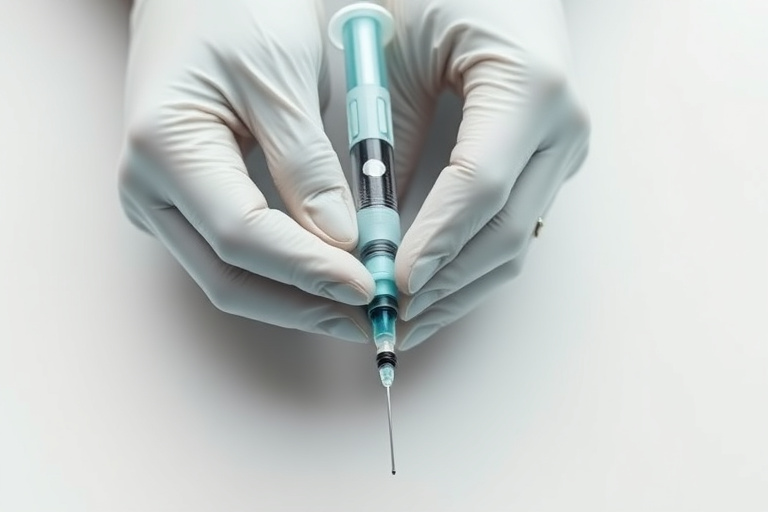
Zepbound Results After 1 Year: What to Expect custom 2026 header image for GLP-1 Weight Loss
Custom header image for Zepbound Results After 1 Year: What to Expect, GLP-1 Weight Loss, and better treatment decision-making.
In This Article

This article is part of our GLP-1 Weight Loss collection. See also: Provider Comparisons | Peptide Guides

Search and AI answer brief

Practical answer: Zepbound Results After 1 Year: What to Expect

What can you expect from Zepbound results after 1 year? Review clinical trial outcomes, weight loss averages, and a realistic month-by-month timeline.

Short answer

What can you expect from Zepbound results after 1 year? Review clinical trial outcomes, weight loss averages, and a realistic month-by-month timeline.

Search intent

This page answers a specific GLP-1 Weight Loss question rather than a generic overview.

What to verify

semaglutide, tirzepatide, retatrutide, cash price and coverage terms

How to use it

Use this information to prepare sharper questions for a licensed provider.

Key Takeaway

What can you expect from Zepbound results after 1 year? Review clinical trial outcomes, weight loss averages, and a realistic month-by-month timeline.

Wondering what Zepbound results after 1 year really look like? We have studied the clinical trial data and gathered real-world outcomes to give you a thorough picture. Zepbound (tirzepatide) is a dual GIP/GLP-1 receptor agonist, and its weight loss numbers are among the most impressive we have seen in obesity medicine.

Average Weight Loss at 12 Months

Zepbound has delivered some of the highest weight loss numbers in clinical trials for any anti-obesity medication. In the SURMOUNT-1 trial[1], participants taking the highest dose (15 mg) lost an average of 22.5% of their body weight over 72 weeks . At the 52-week mark specifically, average weight loss was approximately 20% of body weight for the 15 mg dose group.

For a person starting at 250 pounds, that could mean losing 45 to 50 pounds by the one-year point. Even patients on the lower 5 mg dose lost an average of 15% of their body weight over the same period.

Month-by-Month Timeline

  • Month 1 (2.5 mg): This is the starting titration dose. Most patients lose 2 to 4 pounds. Appetite begins to shift, though some people feel minimal effects at this level. Mild nausea and digestive changes are common.
  • Month 2 (5.0 mg): Weight loss picks up as the dose increases. Cumulative loss of 5 to 10 pounds. Many patients notice a clear drop in hunger and food cravings by this point.
  • Months 3 to 4 (7.5 mg to 10 mg): This is where results become very visible. Cumulative loss of 12 to 22 pounds. Patients often describe a dramatic shift in their relationship with food.
  • Months 5 to 7 (10 mg to 15 mg): Weight loss continues at a strong pace. Cumulative loss of 20 to 35 pounds. Clothing sizes often change noticeably. Blood sugar and metabolic markers improve.
  • Months 8 to 10 (maintenance dose): The rate of loss may begin to taper, but steady progress continues. Cumulative loss of 30 to 45 pounds.
  • Months 11 to 12: Most patients are approaching or reaching their maximum benefit at their current dose. Average total loss of 35 to 55 pounds depending on starting weight, dose, and adherence to lifestyle changes.

What Makes Zepbound Different

Zepbound works through a dual mechanism that sets it apart from single-receptor GLP-1 medications like semaglutide or Wegovy: Check out our Zepbound weight loss timeline for detailed data.

Check your GLP-1 eligibility

Use our free BMI Calculator to see if you may qualify for provider-reviewed GLP-1 therapy.

Try the BMI Calculator →
GLP-1 Weight Loss Results by Medication Mean Body Weight Loss (%) 0 6 12 18 24 22 15 8 24 Tirzepatide Semaglutide Liraglutide Retatrutide Based on published STEP and SURMOUNT trial data
GLP-1 Weight Loss Results by Medication. Based on published STEP and SURMOUNT trial data.
View data table
Bar chart showing glp-1 weight loss results by medication: Tirzepatide (22), Semaglutide (15), Liraglutide (8), Retatrutide (24)
CategoryMean Body Weight Loss (%)Detail
Tirzepatide22~22% body weight at 72 wks
Semaglutide15~15% body weight at 68 wks
Liraglutide8~8% body weight at 56 wks
Retatrutide24~24% in Phase 2 trial
Illustration for Zepbound Results After 1 Year: What to Expect
  • GLP-1 receptor activation: Reduces appetite, slows gastric emptying, and improves insulin sensitivity, similar to semaglutide.
  • GIP receptor activation: Enhances the metabolic effects by improving fat tissue signaling and potentially increasing energy expenditure .

This dual action is believed to be the reason Zepbound produces greater average weight loss than GLP-1-only medications. Head-to-head data from the SURMOUNT-5 trial confirmed that tirzepatide outperformed semaglutide 2.4 mg for weight loss .

Key Clinical Trial Data

The SURMOUNT trial program provides the strongest evidence for Zepbound's efficacy:

  • SURMOUNT-1: 2,539 adults[1] without diabetes. At 72 weeks, weight loss averaged 15% (5 mg), 19.5% (10 mg), and 20.9% (15 mg) versus 3.1% for placebo .
  • SURMOUNT-2[2]: 938 adults with type 2 diabetes. Weight loss averaged 12.8% (10 mg) and 14.7% (15 mg) over 72 weeks.
  • SURMOUNT-3[3]: Evaluated tirzepatide after an initial intensive lifestyle intervention, showing continued weight loss beyond what diet and exercise alone achieved.

Approximately 63% of participants on the 15 mg dose lost 20% or more of their body weight, a threshold that approaches what was previously only achievable through bariatric surgery .

Side Effects Over 12 Months

About the side effect trajectory helps you prepare:

  • Nausea: Most common during dose increases. Affected roughly 25% to 33% of participants in SURMOUNT trials. Usually mild to moderate and improves within 2 to 3 weeks at each dose level.
  • Diarrhea: Reported by about 17% of participants, typically during titration.
  • Constipation: Affects approximately 11% of patients. Fiber and hydration are helpful countermeasures.
  • Decreased appetite: This is both a therapeutic effect and a reported side effect. It tends to stabilize as the body adjusts.
  • Hair thinning: Some patients report temporary hair shedding, likely related to rapid weight loss rather than the medication itself .

Serious adverse events such as pancreatitis and gallbladder complications are rare but require monitoring. Report any severe abdominal pain to your physician immediately.

Tips for Maximizing Year-One Results

  • Follow the full titration schedule: Zepbound has five dose levels (2.5, 5, 7.5, 10, and 15 mg). Let your body adjust fully at each step.
  • Eat protein first at every meal: Aim for 30+ grams per meal to protect muscle mass during significant weight loss.
  • Add resistance training: Strength exercises 2 to 3 times per week help preserve lean body mass, which supports long-term metabolic health.
  • Monitor your labs: Request bloodwork every 3 to 6 months to track metabolic improvements and catch any issues early.
  • Stay consistent with injections: Take your dose on the same day each week. Set a phone reminder if needed.
  • Eat smaller, more frequent meals: This can reduce GI discomfort, especially during dose escalation.

Frequently Asked Questions

How does Zepbound compare to Ozempic at the 1-year mark?

Zepbound generally produces greater weight loss than Ozempic. At one year, Zepbound patients on the highest dose typically lose 20% or more of body weight, compared to 6% to 10% on Ozempic 1.0 mg. The dual receptor mechanism gives Zepbound a significant edge for weight management specifically .

Can I stay on Zepbound indefinitely?

Zepbound is approved for long-term use. Clinical data suggests that stopping the medication leads to weight regain in most patients. Your provider can help you determine the best long-term maintenance strategy .

What happens if I plateau before reaching my goal weight?

Plateaus are normal. If you stall on a lower dose, your physician may increase further (up to 15 mg). If you plateau at the highest dose, strategies like adjusting caloric intake, increasing physical activity, or evaluating other metabolic factors can help.

Is Zepbound covered by insurance?

Coverage varies widely by plan. Many commercial plans have added Zepbound, but prior authorization is often required. Check with your insurer and discuss alternatives with your provider if coverage is an issue $1,000-$1,200/mo (brand).

Will I lose muscle along with fat?

Some lean mass loss is expected with any significant weight loss. Studies suggest that roughly 25% to 40% of weight lost may come from lean tissue. Resistance training and adequate protein intake (1.0 to 1.2 g per kg of body weight daily) are the best strategies to minimize muscle loss .

Medical References

  1. Jastreboff AM, Aronne LJ, Ahmad NN, et al. Tirzepatide Once Weekly for the Treatment of Obesity. N Engl J Med. 2022;387(3):205-216. [PubMed | ClinicalTrials.gov | DOI]
  2. Garvey WT, Frias JP, Jastreboff AM, et al. Tirzepatide once weekly for the treatment of obesity in people with type 2 diabetes (SURMOUNT-2). Lancet. 2023;402(10402):613-626. [PubMed | ClinicalTrials.gov | DOI]
  3. Wadden TA, Chao AM, Engel S, et al. Tirzepatide with intensive lifestyle intervention in adults with overweight or obesity (SURMOUNT-3). Nat Med. 2024. [PubMed | ClinicalTrials.gov | DOI]

Take Control of Your Weight Loss process

One year on Zepbound can be truly significant. The clinical evidence supports some of the strongest weight loss outcomes of any available medication. To get started or improve your current treatment, working with an experienced provider is key.

Connect with a licensed provider through FormBlends to begin your Zepbound treatment plan.

Research Snapshot

Provider comparison
Page type
Provider comparison
FormBlends review
Last reviewed
2026-04-01
FormBlends review
Retatrutide evidence source
Official source
Semaglutide evidence source
Official source
Tirzepatide evidence source
Official source
Wegovy evidence source
Official source
Zepbound evidence source
Official source
Before you act
Check the current prescribing information, regulatory status, and trial source before treating an investigational or newly approved medication as interchangeable with an established therapy.
Check before ordering

Regulatory status, labels, trial records, and sponsor updates can change quickly for obesity-drug pipeline pages. This snapshot is designed to make verification easier, not to replace checking the official source before making a medical or purchase decision. Last page review: 2026-04-01.

Evidence standard

How this page was source-checked

Editorial policy

FormBlends does not claim an individual clinician byline unless a named reviewer is available. For this page, the editorial team checks medical and regulatory claims against primary sources, clinical trials, public datasets, and regulator guidance.

PubMed evidence trail

Research sources used to frame this page

For Zepbound Results After 1 Year: What to Expect, FormBlends checks the page topic against primary trials, systematic reviews, guidelines, and current PubMed-indexed literature where available. These citations are context, not medical advice, proof of eligibility, or a claim that every study applies to every patient.

Randomized trialTirzepatide evidence2022

Tirzepatide Once Weekly for the Treatment of Obesity

Primary SURMOUNT-1 trial source for tirzepatide weight-loss ranges and tolerability.

PubMed

Randomized trialTirzepatide evidence2024

Continued Treatment With Tirzepatide for Maintenance of Weight Reduction

Used for continuation, stopping, and maintenance questions after initial weight loss.

PubMed

Randomized trialTirzepatide evidence2025

Tirzepatide for Obesity Treatment and Diabetes Prevention

Supports newer discussion of obesity treatment and diabetes-prevention outcomes.

PubMed

Systematic reviewGLP-1 class evidence2025

Efficacy of GLP-1 Receptor Agonists on Weight Loss, BMI, and Waist Circumference

A broad meta-analysis anchor for GLP-1 weight-loss effect and class-level comparisons.

PubMed

Systematic reviewGLP-1 class evidence2025

Discontinuing glucagon-like peptide-1 receptor agonists and body habitus

Used for pages discussing stopping therapy, weight regain, and long-term planning.

PubMed

Systematic reviewGLP-1 class evidence2025

Effect of glucagon-like peptide-1 receptor agonists and co-agonists on body composition

Supports body-composition, lean-mass, and metabolic-risk context.

PubMed

Systematic reviewObesity pharmacotherapy evidence2025

Emerging pharmacotherapies for obesity: A systematic review

Broad context for new and established obesity-drug categories.

PubMed

ReviewObesity pharmacotherapy evidence2026

Glucagon-like receptor agonists and next-generation incretin-based medications

Current review for incretin-based obesity medications and cardiometabolic effects.

PubMed

Systematic reviewObesity pharmacotherapy evidence2025

Efficacy of GLP-1 Receptor Agonists on Weight Loss, BMI, and Waist Circumference

Used as a class-level evidence anchor when no more specific citation group matches.

PubMed

Provider decision path

Use local research to choose a safer review path

Direct answer

Zepbound Results After 1 Year: What to Expect is best used to compare access, oversight, pricing, pharmacy quality, and patient support before starting care.

Evidence check

Directory pages should connect local intent with provider standards, pharmacy transparency, and practical next steps.

Safety check

Provider quality, pharmacy source, prescribing model, and follow-up support can matter as much as the medication name.

Next step

When you are ready, the get-started flow can collect the details needed for a prescription review instead of leaving you to guess.

FormBlends Editorial Context

Reviewed May 14, 2026

What can you expect from Zepbound results after 1 year? Review clinical trial outcomes, weight loss averages, and a realistic month-by-month timeline. Before you use "Zepbound Results After 1 Year: What to Expect" to make a real decision, separate the headline answer from the details that could change it. The page connects patient education and clinical context with tirzepatide, provider access, inside a GLP-1 treatment guide where medication choice, dosing, side effects, monitoring, and insurance rules can change the decision. Because this article has 8 major sections, scan the headings first and then use the FAQ or summary sections to pressure-test the answer. Bring anything that changes dosing, pharmacy choice, cost, or safety to a licensed clinician.

  • Confirm whether the page is discussing an FDA-approved use, a compounded option, or research-only context.
  • Ask a licensed clinician how the evidence applies to your health history, medications, labs, and side-effect risk.
  • Check the latest label, trial update, pharmacy policy, or state rule when the article touches medication access.

Original tools and data

Use the FormBlends research stack

These assets are built to be useful beyond a single article: shareable data pages, calculators, provider comparisons, and safety checks that give Google and readers something original to crawl.

Editorial refresh

Practical 2026 note on Zepbound Results After 1 Year

For Zepbound Results After 1 Year, the reader usually arrives with one narrow question and wants a clear answer before deciding what to do next.

Zepbound, results, after and year keep Zepbound Results After 1 Year focused on that question instead of drifting into a broad overview of GLP-1 Weight Loss.

The safest next step after reading Zepbound Results After 1 Year is to compare the article with personal health history and ask a licensed clinician about anything that affects treatment choice.

Zepbound Results After 1 Year custom 2026 image for glp-1 weight loss on FormBlends

Custom 2026 image for Zepbound Results After 1 Year, glp-1 weight loss, and better treatment decision-making.

Image description: Unique image for this page covering Zepbound Results After 1 Year, glp-1 weight loss, safety, cost, provider selection, and patient decision-making.

Medical Disclaimer: This content is for informational purposes only and does not constitute medical advice. Always consult a qualified healthcare provider before starting, stopping, or changing any medication or treatment. FormBlends articles are source-checked against medical and regulatory references, but they are not a substitute for a personal medical consultation.

Written by Dr. James Walker, MD, MPH

Internal Medicine. This article was researched against primary regulatory, trial, prescribing, and manufacturer sources where available. Reviewed by Dr. David Kim, MD, FACE for medical accuracy, sourcing, and patient-safety framing.

Ready to get started?

Provider-reviewed GLP-1 and peptide therapy, delivered to your door.

Start Your Consultation

Ready to Start Your Weight Loss Journey?

Get a free medical consultation with a licensed provider. Compounded GLP-1 medications starting at $99/month with free shipping.

Next Best Reads

Free Tools

Provider-informed calculators to support your weight loss journey.