Key Takeaway
The complete guide to preserving muscle mass while losing weight on GLP-1 medication. Learn the protein targets, exercise strategies, and dietary patterns that protect lean tissue.
Losing weight on GLP-1 medication is remarkably effective, but without the right dietary strategy, up to 40 percent of the weight you lose could come from muscle rather than fat. This guide gives you everything you need to protect your lean mass while the pounds come off.
The Muscle Loss Problem With GLP-1 Therapy
GLP-1 receptor agonists like semaglutide and tirzepatide produce significant weight loss by reducing appetite and slowing gastric emptying. Clinical trials show average weight loss of 15 to 20 percent of body weight over 12 to 18 months. That's impressive, but there's a catch.
When the body loses weight rapidly through caloric restriction alone, it doesn't selectively burn fat. It also breaks down muscle tissue for energy and amino acids. Research on GLP-1 medications specifically has shown that lean mass can account for 25 to 39 percent of total weight lost. men: peptides for muscle and fat loss.
This matters because muscle is metabolically active tissue. Losing it slows your resting metabolism, makes weight regain more likely, reduces functional strength, and accelerates aging-related decline.
How Much Protein You Actually Need
Protein is the single most important dietary factor for muscle preservation during GLP-1 therapy. But the amounts that many people consider "enough" fall short of what the science actually supports.
View data table
| Category | Impact on Treatment Outcomes (%) | Detail |
|---|---|---|
| Protein Intake | 90 | Preserves muscle mass |
| Exercise | 85 | Enhances weight loss |
| Sleep Quality | 78 | Supports metabolism |
| Hydration | 72 | Reduces side effects |
| Stress Mgmt | 65 | Cortisol reduction |
Minimum vs. Optimal Protein Intake
The standard recommended daily allowance (RDA) of 0.36 grams per pound of body weight was designed to prevent deficiency in sedentary adults, not to preserve muscle during active weight loss. For patients on GLP-1 medications, we recommend significantly more.
- Minimum target: 0.7 grams of protein per pound of ideal body weight per day
- Optimal target: 1.0 grams of protein per pound of ideal body weight per day
- For active patients who resistance train: 1.0 to 1.2 grams per pound of ideal body weight per day
Practical Example
If your ideal body weight is 160 pounds, your protein target should be 112 to 160 grams per day. Spread across four to five eating occasions, that's 28 to 40 grams per meal. This is absolutely achievable with the right planning.
Best Protein Sources for GLP-1 Patients
Not all proteins are equal when your appetite is suppressed and your stomach empties slowly. The best choices are high in protein per calorie, easy to digest, and versatile enough to keep your meals interesting.
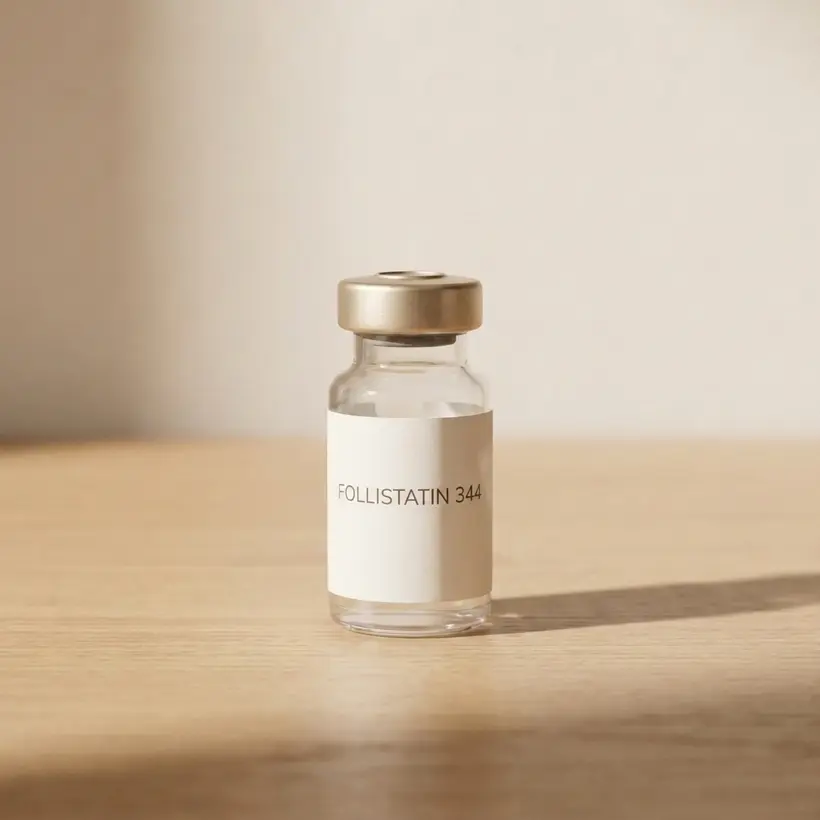
From the FormBlends catalog
Follistatin 344
Myostatin inhibitor studied for enhanced muscle growth · From $149/mo · compounded by a licensed 503A pharmacy, dispensed only after provider review.
Learn about Follistatin 344 →Tier 1: Highest Protein Density
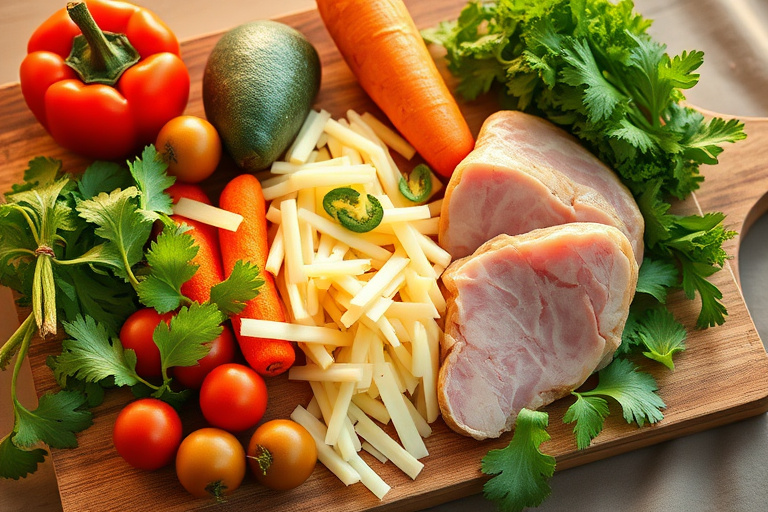
- Chicken breast (31g protein per 4 oz)
- Turkey breast (30g protein per 4 oz)
- White fish such as cod or tilapia (26g protein per 4 oz)
- Egg whites (26g protein per cup)
- Whey protein isolate (25-30g per scoop)
- Nonfat Greek yogurt (17-20g per cup)
Tier 2: Excellent Choices
- Salmon (25g protein per 4 oz, plus beneficial omega-3 fatty acids)
- Lean ground turkey or beef (22-26g protein per 4 oz)
- Cottage cheese (14g protein per half cup)
- Whole eggs (6g protein each)
- Shrimp (24g protein per 4 oz)
Tier 3: Plant-Based Options
- Tofu, extra firm (20g protein per cup)
- Tempeh (31g protein per cup)
- Edamame (17g protein per cup)
- Lentils (18g protein per cup, cooked)
- Plant-based protein powder (20-25g per scoop)
Protein shakes GLP-1
The Role of Protein Timing
When you eat protein matters for muscle preservation, not just how much you eat over the course of a day.
Distribute Protein Across Meals
Your body can only use a certain amount of protein for muscle building at one time. Research suggests that 25 to 40 grams per meal is the sweet spot for stimulating muscle protein synthesis. Eating 120 grams of protein in one meal and none at others is far less effective than spreading it evenly.
Prioritize Protein at Breakfast
After an overnight fast, your body is in a mildly catabolic state. Eating protein within an hour of waking helps shift into an anabolic (muscle-building) state. Aim for at least 25 grams of protein at your first meal.
Consider a Protein Source Before Bed
Casein protein, found in cottage cheese and casein powder, digests slowly and provides a steady stream of amino acids overnight. A small serving before bed can support overnight muscle recovery.
Beyond Protein: Other Dietary Factors
Do Not Slash Calories Too Aggressively
GLP-1 medications naturally reduce your caloric intake. You don't need to add intentional calorie restriction on top of the medication's appetite-suppressing effects. Eating too little accelerates muscle loss. We recommend that patients consume at least 1,200 calories daily for women and 1,500 for men, even when appetite is very low. calorie intake semaglutide
Include Leucine-Rich Foods
Leucine is the amino acid most directly responsible for triggering muscle protein synthesis. Foods highest in leucine include whey protein, chicken breast, beef, fish, eggs, and soybeans. Aim for 2.5 to 3 grams of leucine per meal to hit the threshold for muscle building.
Maintain Adequate Carbohydrate Intake
Carbohydrates spare protein from being used as fuel. If you eat too few carbs, your body will break down amino acids for energy instead of using them for muscle maintenance. We recommend at least 100 to 150 grams of carbohydrates daily during GLP-1 therapy, sourced from whole grains, fruits, and vegetables. macros GLP-1
Omega-3 Fatty Acids
Omega-3s from fish, fish oil, or algae supplements have anti-inflammatory properties and may directly support muscle protein synthesis. Include fatty fish two to three times per week or consider a supplement.
The Exercise Component
Diet alone can't fully protect muscle during GLP-1-mediated weight loss. Resistance training is the other important piece of the equation.
Resistance Training Guidelines
- Train all major muscle groups two to three times per week
- Focus on compound movements: squats, deadlifts, bench press, rows, overhead press
- Use weights heavy enough that the last two to three reps of each set feel challenging
- Aim for eight to twelve reps per set, three to four sets per exercise
- Progressive overload: gradually increase weight or volume over time
Even two sessions per week produces meaningful muscle preservation benefits.
Cardio Considerations
While cardiovascular exercise supports heart health and overall fitness, excessive cardio without adequate nutrition can accelerate muscle loss. We recommend keeping cardio moderate (150 minutes per week of walking, cycling, or swimming) and always prioritizing resistance training.
How Peptide Therapy Supports Muscle Preservation
At FormBlends, we offer peptide wellness therapy that can complement your GLP-1 treatment. Certain peptides support growth hormone release, recovery from exercise, and lean tissue maintenance. When combined with proper nutrition and resistance training, peptide therapy creates a thorough approach to preserving muscle during weight loss.
Our physicians evaluate each patient individually to determine whether peptide therapy is an appropriate addition to their GLP-1 treatment plan.
Monitoring Your Progress
The scale alone can't tell you whether you're losing fat or muscle. We recommend tracking these additional metrics:
- Body composition measurements: DEXA scans, bioimpedance scales, or regular body measurements with a tape measure
- Strength levels: If your lifts in the gym are maintaining or improving, your muscle is likely being preserved
- How your clothes fit: Losing inches while weight stays relatively stable often indicates favorable body recomposition
- Energy levels: Significant muscle loss typically comes with persistent fatigue and weakness
Frequently Asked Questions
Can you actually build muscle while on GLP-1 medication?
Yes, although it's more challenging in a caloric deficit. Patients who are new to resistance training or returning after a long break can experience "newbie gains" even while losing weight. The key is adequate protein (at least 0.8 grams per pound of ideal body weight), consistent resistance training, and sufficient sleep. More experienced lifters should focus on maintaining their current muscle rather than building new tissue during active weight loss.
Is creatine safe to take with GLP-1 medication?
Creatine monohydrate is one of the most well-researched supplements available and is generally considered safe for most adults. It supports muscle performance and may help preserve lean mass during weight loss. But always discuss supplements with your FormBlends provider before starting them.
How quickly can muscle loss happen on GLP-1?
Measurable lean mass loss can begin within the first few weeks of treatment if protein intake is inadequate and no resistance exercise is performed. This is why we emphasize dietary strategy from day one. what to eat first week GLP-1 tips and tricks The good news is that early intervention with proper nutrition and exercise significantly reduces cumulative muscle loss over the course of treatment.
What if I can't eat enough protein because of nausea?
Protein shakes and smoothies are your best solution. Liquid protein is generally better tolerated than solid food during periods of nausea. A high-quality whey or plant protein powder mixed with water or almond milk can deliver 25 to 30 grams of protein with minimal stomach upset. Sipping slowly over 30 minutes rather than drinking it all at once also helps. protein shakes GLP-1
Does the type of GLP-1 medication affect muscle loss?
Both semaglutide and tirzepatide can cause lean mass loss. Tirzepatide, which also targets GIP receptors, may have slightly different body composition effects, but the dietary principles for muscle preservation remain the same regardless of which specific GLP-1 medication you're taking.
Protect Your Muscle With Expert-Guided Care
Muscle preservation during GLP-1 therapy requires a coordinated approach to nutrition, exercise, and medical supervision. At FormBlends, our physician-supervised telehealth platform gives you access to providers who understand the science of body composition and can personalize your treatment plan to protect your lean mass. Visit FormBlends.com to start your consultation and build a weight loss strategy that keeps your muscle intact.
Ready when you are
Follistatin 344
Myostatin inhibitor studied for enhanced muscle growth · From $149/mo · compounded by a licensed 503A pharmacy, dispensed only after provider review.
Learn about Follistatin 344 →