Key Takeaway
Actionable tips and tricks for preserving muscle while on GLP-1 medication. Simple dietary hacks, protein strategies, and smart habits that protect lean mass during weight loss.
Keeping your muscle while losing fat on GLP-1 medication doesn't have to be complicated, but it does require intentional choices every day. We have put together our best tips and tricks from working with patients who have successfully maintained their lean mass throughout treatment.
Why These Tips Matter
Weight loss on GLP-1 medications is often fast and dramatic. While that's exciting, speed comes with a risk: your body can shed muscle alongside fat if you aren't proactive. The tips below are practical, actionable steps that our patients have used to tilt the balance toward fat loss and away from muscle loss.
Tip 1: Front-Load Protein at Every Meal
When you sit down to eat, start with the protein on your plate before touching anything else. Because GLP-1 medication reduces your appetite so effectively, you may feel full before finishing your meal. If you eat your carbs and vegetables first, you might stop before getting enough protein.
View data table
| Category | Impact on Treatment Outcomes (%) | Detail |
|---|---|---|
| Protein Intake | 90 | Preserves muscle mass |
| Exercise | 85 | Enhances weight loss |
| Sleep Quality | 78 | Supports metabolism |
| Hydration | 72 | Reduces side effects |
| Stress Mgmt | 65 | Cortisol reduction |

This one habit alone can increase your daily protein intake by 20 to 30 grams without any other changes. Eat the chicken before the rice. Eat the eggs before the toast. Drink the protein shake before the fruit.
Tip 2: Keep Emergency Protein Within Reach
Stock your desk, bag, and car with grab-and-go protein options. When your appetite is low and unpredictable, convenience determines what you eat. If the only thing nearby is a vending machine, you're going to eat carbs and sugar. If you have protein ready, you'll make the right choice.
From the FormBlends catalog
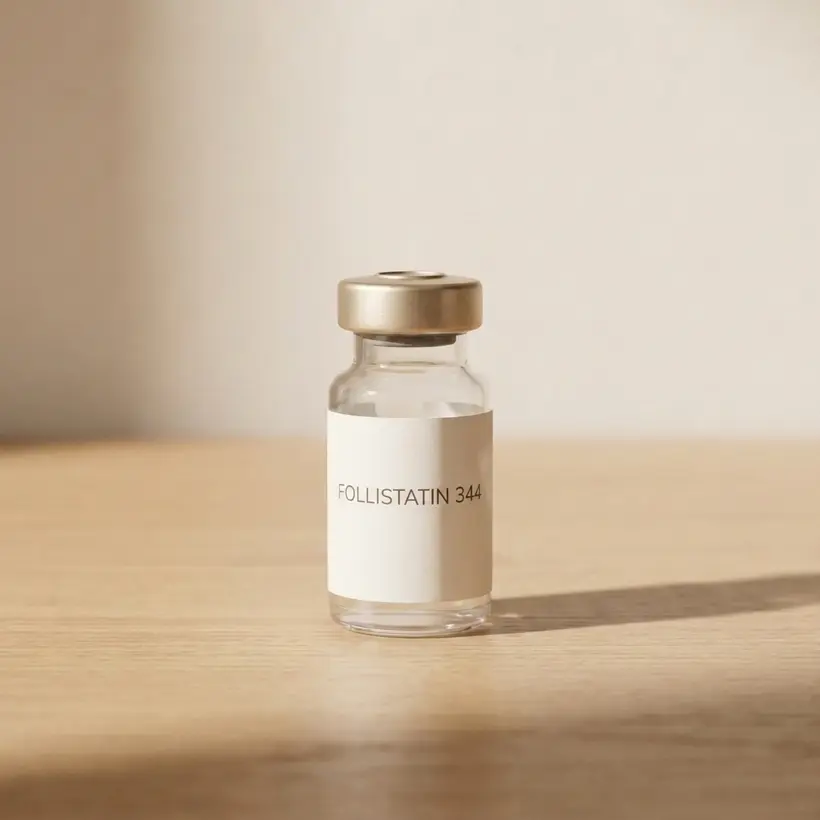
Follistatin 344
Myostatin inhibitor studied for enhanced muscle growth · From $149/mo · compounded by a licensed 503A pharmacy, dispensed only after provider review.
Learn about Follistatin 344 →Great portable protein options:
- Beef or turkey jerky (choose low-sugar varieties)
- Single-serve protein shake boxes (Fairlife, Premier Protein)
- String cheese or Babybel cheese
- Hard-boiled eggs (prep a batch weekly)
- Individual packets of nut butter (pair with an apple)
- Roasted edamame
- Protein bars with at least 20g protein and under 10g sugar
Tip 3: Use the Protein Shake Bridge
Some days, eating solid food feels impossible. Nausea, lack of appetite, or just the thought of chewing can make protein targets seem unreachable. This is where the protein shake bridge comes in. protein shakes GLP-1
A well-made protein shake can deliver 30 to 50 grams of protein in a form that's easy to sip slowly. Try this recipe:
- One scoop whey or plant protein powder (25-30g protein)
- One cup unsweetened almond milk
- Half a frozen banana for texture
- One tablespoon peanut butter (adds 4g protein plus healthy fats)
- Ice to desired thickness
Sip this over 30 to 45 minutes rather than drinking it quickly. Slow consumption reduces the risk of nausea.
Tip 4: Track Protein, Not Calories
If tracking everything you eat feels overwhelming, simplify. Track only your protein grams. This single metric is the strongest predictor of muscle preservation during GLP-1 therapy. Use a simple app or even a notepad. Write down how many grams of protein you eat at each meal and aim to hit your daily target.
Quick protein math for common foods:
- One large egg = 6 grams
- One chicken breast = 30 to 35 grams
- One cup Greek yogurt = 17 to 20 grams
- One scoop protein powder = 25 to 30 grams
- One can of tuna = 20 grams
- Four ounces of salmon = 25 grams
- Half cup cottage cheese = 14 grams
Macros GLP-1
Tip 5: Never Go More Than Four Hours Without Protein
Your muscles are constantly cycling between building up and breaking down. Going long stretches without protein tips the balance toward breakdown. Set a simple rule: no more than four waking hours without eating some form of protein.
This doesn't mean you need a full meal every four hours. Even a small snack counts. A handful of jerky, a cheese stick, or a few spoonfuls of Greek yogurt is enough to keep the muscle-building signal active.
Tip 6: Add Collagen to Your Morning Coffee
Collagen peptides dissolve easily in hot or cold liquids and add 10 to 15 grams of protein to your morning coffee without changing the taste. While collagen isn't a complete protein and shouldn't replace whey or whole food proteins, it's an easy way to bump up your daily total. It also supports joint and connective tissue health, which matters as you increase your physical activity.
Tip 7: Prep Protein in Batches
Spend one hour on a weekend cooking protein for the week. This is one of the most effective tricks for consistent protein intake. When pre-cooked protein is sitting in your refrigerator, you're far more likely to eat it.
A simple batch prep session:
- Bake eight chicken breasts seasoned four different ways
- Hard-boil a dozen eggs
- Cook one pound of lean ground turkey with taco seasoning
- Portion out eight servings of Greek yogurt into individual containers
This gives you a week's worth of ready-to-eat protein that requires zero effort on busy days.
Tip 8: Eat Protein Before and After Exercise
If you're doing resistance training (and you should be), timing protein around your workouts provides an extra muscle-preservation boost. Eat 20 to 30 grams of protein within two hours before your workout and another 20 to 30 grams within an hour after.
Pre-workout options that sit well with GLP-1 patients:
- A protein shake (sipped slowly)
- Greek yogurt with berries
- A few ounces of deli turkey on a rice cake
Post-workout options:
- Protein shake with banana
- Chicken breast with sweet potato
- Cottage cheese with fruit
Tip 9: Do Not Fear Carbs
Some patients think cutting carbs along with taking GLP-1 medication will speed up their weight loss. It might, but at the cost of muscle. Carbohydrates serve a critical muscle-sparing function. When carbs are available, your body uses them for energy instead of breaking down amino acids from your muscles. keto and semaglutide
We recommend keeping carbohydrate intake at a minimum of 100 to 150 grams per day from whole food sources. Good options include oats, rice, sweet potatoes, fruit, and whole grain bread.
Tip 10: Prioritize Sleep
This might seem unrelated to diet, but sleep has a powerful effect on muscle preservation. During deep sleep, your body releases growth hormone, which supports muscle repair and maintenance. Poor sleep shifts your body toward muscle breakdown and fat storage.
Aim for seven to nine hours of quality sleep per night. Create a consistent bedtime routine and keep your bedroom cool and dark. If GLP-1 medication affects your sleep, talk to your FormBlends provider about timing adjustments.
How These Tips Connect to GLP-1 and Peptide Therapy
At FormBlends, we take a thorough approach to weight loss that goes beyond medication alone. Our peptide wellness therapy options can support growth hormone release, recovery, and lean tissue health. When you combine these therapies with the protein and dietary strategies outlined above, you create a powerful system for losing fat while keeping muscle.
Our physicians work with each patient to build a personalized plan that includes medication management, nutritional guidance, and when appropriate, peptide therapy. GLP-1 diet muscle preservation complete guide
Frequently Asked Questions
How do I know if I am losing muscle?
Warning signs include persistent fatigue, noticeable strength loss in the gym, feeling weak during daily activities, and a "soft" appearance despite the scale going down. If you're losing weight but your waist measurement isn't changing much, that could indicate a higher proportion of muscle loss versus fat loss. Body composition measurements through DEXA scans or bioimpedance scales provide the most accurate data.
Can I eat too much protein on GLP-1?
For most healthy adults, protein intake up to 1.2 grams per pound of ideal body weight is safe and well-tolerated. Patients with kidney disease should follow their physician's specific protein recommendations. Talk to your FormBlends provider if you're unsure about your ideal range.
Is plant protein as effective as animal protein for muscle preservation?
Plant proteins can be effective, but they typically have lower leucine content and may be less bioavailable than animal sources. If you eat primarily plant-based, aim for the higher end of protein targets (1.0 grams per pound of ideal body weight) and include several plant protein sources throughout the day. Consider a leucine supplement or branched-chain amino acid supplement.
What supplements help with muscle preservation on GLP-1?
The most evidence-backed supplements for muscle preservation during weight loss include whey protein powder, creatine monohydrate (3 to 5 grams daily), vitamin D (if you're deficient), and omega-3 fatty acids. Always discuss supplements with your healthcare provider before starting them.
Build a Leaner, Stronger You With FormBlends
Losing weight without losing muscle requires expert guidance, and that's exactly what we provide at FormBlends. Our physician-supervised telehealth platform offers personalized GLP-1 treatment plans that prioritize body composition, not just the number on the scale. Visit FormBlends.com to schedule your consultation and start losing fat the right way.
Ready when you are
Follistatin 344
Myostatin inhibitor studied for enhanced muscle growth · From $149/mo · compounded by a licensed 503A pharmacy, dispensed only after provider review.
Learn about Follistatin 344 →