All GLP-1 medications from licensed 503A compounding pharmacies Browse Products
Tracking Body Composition Changes On Glp1 Medication
Weight loss is not just about the number on the scale. This body composition changes GLP-1 resource covers the essential information you need to make...
Written by Emily Rodriguez, RDN, CSSD · Checked against primary sources by FormBlends Editorial Standards Team
Custom header image for Tracking Body Composition Changes On Glp1 Medication, Lifestyle & Wellness, and better treatment decision-making.In This Article
Weight loss isn't just about the number on the scale. This body composition changes GLP-1 resource covers the important information you need to make informed decisions. When you're taking GLP-1 medication, your body composition changes in ways that matter far more than total pounds lost.
Weight loss isn't just about the number on the scale. This body composition changes GLP-1 resource covers the important information you need to make informed decisions. When you're taking GLP-1 medication, your body composition changes in ways that matter far more than total pounds lost. Understanding body composition changes on GLP-1 helps you protect your muscle mass, track real fat loss, and make smarter decisions about nutrition and exercise.
Key Takeaways:
- Understand what is body composition and why it matters
- Methods to Measure Body Composition at Home
- Professional Body Composition Testing
- Learn how to preserve muscle while losing fat on glp-1
- Reading Your Body Composition Trends
This guide explains what body composition is, how GLP-1 medications affect it, and the best ways to measure changes over time.
What Is Body Composition and Why It Matters
Body composition refers to the ratio of fat mass to lean mass in your body. Lean mass includes muscle, bone, water, and organs. Fat mass is exactly what it sounds like.
Two people can weigh the same but look and feel completely different based on their body composition. Someone with more muscle and less fat at 180 pounds is in a very different health situation than someone with more fat and less muscle at the same weight.
On GLP-1 medication, the goal is to lose fat while preserving as much lean muscle as possible. This matters for several reasons. Muscle burns more calories at rest. It protects your joints. It keeps you strong and mobile as you age. And muscle loss during weight loss can slow your metabolism, making it harder to maintain results long term.
Clinical studies on GLP-1 medications have shown that approximately 30 to 40 percent of weight lost may come from lean mass. This is similar to other weight loss methods. But combining GLP-1 treatment with adequate protein intake and resistance training can significantly reduce muscle loss. Learn more about nutrition strategies in our .
Methods to Measure Body Composition at Home
"GLP-1 receptor agonists represent the most significant advance in obesity pharmacotherapy in decades. For the first time, we have medications that produce weight loss approaching what was previously only achievable through bariatric surgery.") Dr. Robert Kushner, MD, Northwestern University, speaking at ObesityWeek 2023
Lifestyle Factors Impact on GLP-1 Results. Based on GLP-1 lifestyle optimization research.
View data table
Bar chart showing lifestyle factors impact on glp-1 results: Protein Intake (90), Exercise (85), Sleep Quality (78), Hydration (72), Stress Mgmt (65)
Category
Impact on Treatment Outcomes (%)
Detail
Protein Intake
90
Preserves muscle mass
Exercise
85
Enhances weight loss
Sleep Quality
78
Supports metabolism
Hydration
72
Reduces side effects
Stress Mgmt
65
Cortisol reduction
You don't need expensive equipment to get a useful picture of your body composition. Here are the most accessible methods, ranked by accuracy.
Body measurements with a tape measure. This is the simplest and most consistent method. Track your waist, hips, arms, and thighs weekly. Fat loss tends to show up as shrinking measurements, especially around the waist. If your waist is shrinking but the scale isn't moving, you're likely losing fat while maintaining muscle.
Progress photos. Take monthly photos in consistent lighting and clothing. Photos can reveal changes in muscle definition and fat distribution that numbers miss entirely. Use front, side, and back angles.
Smart scales with body fat estimation. Bioelectrical impedance scales send a small electrical current through your body to estimate fat percentage. They aren't perfectly accurate, but they're useful for tracking trends over time. Use the same scale, at the same time of day, under the same conditions.
Skinfold calipers. These pinch tools measure fat thickness at specific body sites. With practice, they can track changes reliably. Many personal trainers know how to use them properly.
Free Download: GLP-1 Progress Report Template
Track body composition metrics, measurements, and progress photos in one organized template. See your fat loss and muscle preservation trends at a glance. Get yours free (we'll email it to you instantly.
[Download CTA Button]
Professional Body Composition Testing
For more precise measurements, consider professional testing every 2 to 3 months. These options are widely available.
From the FormBlends catalog
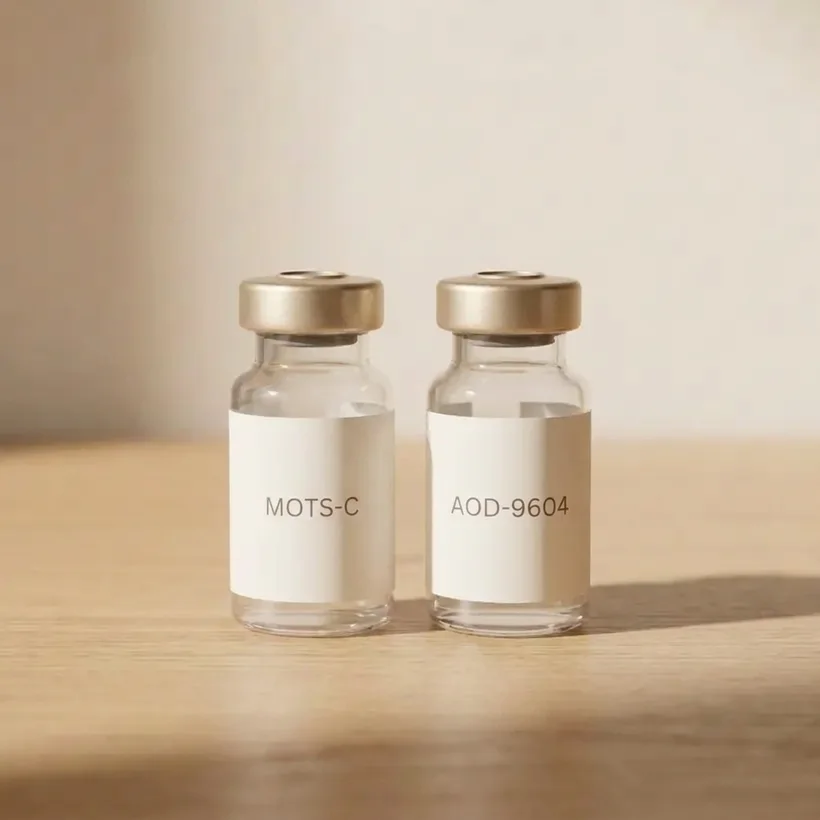
Lean Metabolic
Mitochondrial energy plus targeted fat metabolism. · Bundle from $381 · provider-reviewed peptide bundle.
DEXA scan. Dual-energy X-ray absorptiometry is considered the gold standard. It measures bone density, fat mass, and lean mass with high accuracy. It even shows where fat is distributed in your body. A DEXA scan typically costs $50 to $150 and takes about 10 minutes. Many wellness clinics and hospitals offer them.
Hydrostatic weighing. This method measures body density by weighing you underwater. It's highly accurate but less convenient than DEXA. Availability varies by location.
Bod Pod. Similar to hydrostatic weighing but uses air displacement instead of water. It's comfortable, quick, and accurate. Available at some universities and fitness facilities.
If professional testing isn't in your budget, don't worry. Consistent home measurements and progress photos are more than enough for most people. The trend over time matters more than any single precise measurement.
Discuss your body composition goals with your at your regular check-ins. They can help you interpret your data and adjust your plan if needed.
How to Preserve Muscle While Losing Fat on GLP-1
Tracking body composition is only useful if you're also taking steps to improve it. Here are evidence-based strategies to preserve muscle during GLP-1 weight loss.
Prioritize protein. Aim for 0.7 to 1.0 grams of protein per pound of your goal body weight daily. This may feel challenging when your appetite is reduced. Focus on protein-first meals. Lean meats, eggs, Greek yogurt, cottage cheese, and protein shakes can help you hit your targets.
Resistance training. Lifting weights or doing bodyweight exercises 2 to 3 times per week sends a signal to your body to preserve muscle. You don't need an advanced program. Compound movements like squats, push-ups, rows, and deadlifts cover most muscle groups efficiently.
Avoid extreme calorie restriction. GLP-1 medications naturally reduce your appetite, but eating too little can accelerate muscle loss. Aim for a moderate deficit, typically 500 to 750 calories below your maintenance level. Use the to track your nutrition and ensure you're eating enough.
Get enough sleep. Poor sleep impairs muscle recovery and increases cortisol, which can promote fat storage and muscle breakdown. Aim for 7 to 9 hours per night.
Stay hydrated. Dehydration affects muscle function and can skew body composition measurements. Drink at least half your body weight in ounces of water daily.
Reading Your Body Composition Trends
After a few months of tracking, you'll have enough data to see meaningful trends. Here is how to interpret them.
Ideal scenario: weight down, body fat percentage down, measurements shrinking. This means you're losing primarily fat. Keep doing what you're doing.
Good scenario: weight stable, measurements shrinking, clothes fitting better. You're likely recomposing, losing fat while building muscle. The scale isn't the whole story.
Concerning scenario: weight down significantly, but you feel weak or your arms and legs look thinner. This may indicate excessive muscle loss. Increase protein intake and add resistance training. Discuss with your .
Stalled scenario: nothing is changing in any metric for 6 or more weeks. This may indicate a need for dose adjustment, nutrition changes, or a review of other factors. Bring your tracking data to your next for a thorough evaluation.
Remember that body composition changes happen slower than scale weight changes. Give each strategy at least 4 to 6 weeks before expecting visible results in your measurements and photos.
Frequently Asked Questions
How much muscle loss is normal on GLP-1 medication?
Preliminary data suggest that roughly 30 to 40 percent of total weight lost on GLP-1 medications can come from lean mass. But adequate protein intake and regular resistance training can significantly reduce this. Some Available research indicates that these interventions can keep lean mass loss below 20 percent of total weight lost.
How often should I measure body composition?
Home measurements like tape measurements and smart scale readings can be done weekly. Professional tests like DEXA scans are most useful every 2 to 3 months since body composition changes slowly. Monthly progress photos are also valuable for visual tracking.
Can I build muscle while on GLP-1 medication?
Yes, it's possible, especially if you're new to resistance training. With proper protein intake and a consistent strength training program, many GLP-1 users maintain or even increase their lean muscle mass while losing fat. This is called body recomposition and is a realistic goal.
What body fat percentage should I aim for?
Healthy body fat ranges vary by age and sex. For men, 10 to 20 percent is generally considered a healthy range. For women, 20 to 30 percent is typical. Your provider can help you set a personalized goal based on your overall health profile and starting point.
Does the type of GLP-1 medication affect body composition?
Early research suggests some differences. Tirzepatide, which targets both GIP and GLP-1 receptors, may have slightly different effects on body composition compared to semaglutide alone. But protein intake and exercise habits have a larger impact on muscle preservation than the specific medication used.
Let's Make This Happen
The research is clear. The options are available. The only question is whether it's right for you. A FormBlends provider can help you decide (no pressure, no commitment.
Medical References
Davies M, Færch L, Jeppesen OK, et al. Semaglutide 2.4 mg once a week in adults with overweight or obesity, and type 2 diabetes (STEP 2). Lancet. 2021;397(10278):971-984. [PubMed | ClinicalTrials.gov | DOI]
Wadden TA, Bailey TS, Billings LK, et al. Effect of Subcutaneous Semaglutide vs Placebo as an Adjunct to Intensive Behavioral Therapy on Body Weight in Adults With Overweight or Obesity (STEP 3). JAMA. 2021;325(14):1403-1413. [PubMed | ClinicalTrials.gov | DOI]
Garvey WT, Batterham RL, Bhatt DL, et al. Two-year effects of semaglutide in adults with overweight or obesity (STEP 5). Nat Med. 2022;28(10):2083-2091. [PubMed | ClinicalTrials.gov | DOI]
Garvey WT, Frias JP, Jastreboff AM, et al. Tirzepatide once weekly for the treatment of obesity in people with type 2 diabetes (SURMOUNT-2). Lancet. 2023;402(10402):613-626. [PubMed | ClinicalTrials.gov | DOI]
Wadden TA, Chao AM, Engel S, et al. Tirzepatide with intensive lifestyle intervention in adults with overweight or obesity (SURMOUNT-3). Nat Med. 2024. [PubMed | ClinicalTrials.gov | DOI]
Aronne LJ, Sattar N, Horn DB, et al. Continued Treatment With Tirzepatide for Maintenance of Weight Reduction in Adults With Obesity (SURMOUNT-4). JAMA. 2024;331(1):38-48. [PubMed | ClinicalTrials.gov | DOI]
Sources &. References
Wilding JPH, Batterham RL, Calanna S, et al. Once-Weekly Semaglutide in Adults with Overweight or Obesity. N Engl J Med. 2021;384(11):989-1002. Doi:10.1056/NEJMoa2032183
Davies M, Færch L, Jeppesen OK, et al. Semaglutide 2.4 mg once a week in adults with overweight or obesity, and type 2 diabetes (STEP 2 (Davies et al., Lancet, 2021)). Lancet. 2021;397(10278):971-984. Doi:10.1016/S0140-6736(21)00213-0
Wadden TA, Bailey TS, Billings LK, et al. Effect of Subcutaneous Semaglutide vs Placebo as an Adjunct to Intensive Behavioral Therapy on Body Weight in Adults With Overweight or Obesity (STEP 3 (Wadden et al., JAMA, 2021)). JAMA. 2021;325(14):1403-1413. Doi:10.1001/jama.2021.1831
Garvey WT, Batterham RL, Bhatt DL, et al. Two-Year Effects of Semaglutide in Adults with Overweight or Obesity (STEP 5 (Garvey et al., Nat Med, 2022)). Nat Med. 2022;28:2083-2091. Doi:10.1038/s41591-022-02026-4
Lincoff AM, Brown-Frandsen K, Colhoun HM, et al. Semaglutide and Cardiovascular Outcomes in Obesity without Diabetes. N Engl J Med. 2023;389(24):2221-2232. Doi:10.1056/NEJMoa2307563
Jastreboff AM, Aronne LJ, Ahmad NN, et al. Tirzepatide Once Weekly for the Treatment of Obesity. N Engl J Med. 2022;387(3):205-216. Doi:10.1056/NEJMoa2206038
Garvey WT, Frias JP, Jastreboff AM, et al. Tirzepatide once weekly for the treatment of obesity in people with type 2 diabetes (SURMOUNT-2[4] (Garvey et al., Lancet, 2023)). Lancet. 2023;402(10402):613-626. Doi:10.1016/S0140-6736(23)01200-X
Wadden TA, Chao AM, Engel S, et al. Tirzepatide after intensive lifestyle intervention in adults with overweight or obesity (SURMOUNT-3[5] (Wadden et al., Nat Med, 2023)). Nat Med. 2023. Doi:10.1038/s41591-023-02597-w
Aronne LJ, Sattar N, Horn DB, et al. Continued Treatment With Tirzepatide for Maintenance of Weight Reduction in Adults With Obesity (SURMOUNT-4[6] (Aronne et al., JAMA, 2024)). JAMA. 2024;331(1):38-48. Doi:10.1001/jama.2023.24945
Malhotra A, Grunstein RR, Fietze I, et al. Tirzepatide for the Treatment of Obstructive Sleep Apnea and Obesity. N Engl J Med. 2024;391:1193-1205. Doi:10.1056/NEJMoa2404881
Stierman B, Afful J, Carroll MD, et al. National Health and Nutrition Examination Survey 2017-March 2020 Prepandemic Data Files. NCHS Data Brief. No. 492. CDC/NCHS. 2023.
Sumithran P, Prendergast LA, Delbridge E, et al. Long-Term Persistence of Hormonal Adaptations to Weight Loss. N Engl J Med. 2011;365(17):1597-1604. Doi:10.1056/NEJMoa1105816
Nothing in this article should be construed as medical advice. The information provided is educational only. Always consult with your healthcare provider before beginning, modifying, or discontinuing any medication or treatment. FormBlends connects patients with licensed providers for individualized care.
Last updated: 2026-03-24
See your options in about 2 minutes
Take the free quiz and see what fits you. Quick, private, and no commitment to continue.
FormBlends does not claim an individual clinician byline unless a named reviewer is available. For this page, the editorial team checks medical and regulatory claims against primary sources, clinical trials, public datasets, and regulator guidance.
For Tracking Body Composition Changes On Glp1 Medication, FormBlends checks the page topic against primary trials, systematic reviews, guidelines, and current PubMed-indexed literature where available. These citations are context, not medical advice, proof of eligibility, or a claim that every study applies to every patient.
Use this page to decide if a provider review is the right next step
Direct answer
Tracking Body Composition Changes On Glp1 Medication research is most useful when it helps you compare eligibility, expected results, side effects, cost, and the supervision needed before treatment.
Weight loss is not just about the number on the scale. This body composition changes GLP-1 resource covers the essential information you need to make informed decisions. Read "Tracking Body Composition Changes On Glp1 Medication" as a medical education page where the useful answer depends on context, evidence quality, personal risk, and clinician guidance. The main job of this page is patient education and clinical context, especially where the topic touches the main claim, safety boundary, and next practical step. Because this article has 8 major sections, scan the headings first and then use the FAQ or summary sections to pressure-test the answer. Use it to ask sharper questions of a licensed clinician, not as a substitute for personal medical advice.
Confirm whether the page is discussing an FDA-approved use, a compounded option, or research-only context.
Ask a licensed clinician how the evidence applies to your health history, medications, labs, and side-effect risk.
Check the latest label, trial update, pharmacy policy, or state rule when the article touches medication access.
Original tools and data
Use the FormBlends research stack
These assets are built to be useful beyond a single article: shareable data pages, calculators, provider comparisons, and safety checks that give Google and readers something original to crawl.
Practical 2026 note for Tracking Body Composition Changes On Glp1 Medication
For this lifestyle & wellness page, the 2026 refresh focuses on semaglutide, tirzepatide, cash-pay pricing, safety signals, tracking, body so the article stays close to the question behind "Tracking Body Composition Changes On Glp1 Medication".
The useful details are the practical ones: what to verify, what changes risk or cost, and which details separate Tracking Body Composition Changes On Glp1 Medication from nearby GLP-1, peptide, hormone, or provider-comparison searches.
Readers can use the added context to bring sharper questions to a licensed provider before making a treatment, cost, or care decision.
Custom 2026 image for Tracking Body Composition Changes On Glp1 Medication, lifestyle & wellness, and better treatment decision-making.
Image description: Unique image for this page covering Tracking Body Composition Changes On Glp1 Medication, lifestyle & wellness, safety, cost, provider selection, and patient decision-making.
Download the GLP-1 Lifestyle Guide
A printable guide covering nutrition, exercise, hydration, and sleep optimization on GLP-1 therapy.
Free download. We'll also send helpful GLP-1 guides to your inbox. Unsubscribe anytime.
Medical Disclaimer: This content is for informational purposes only and does not constitute medical advice. Always consult a qualified healthcare provider before starting, stopping, or changing any medication or treatment. FormBlends articles are source-checked against medical and regulatory references, but they are not a substitute for a personal medical consultation.
Written by Emily Rodriguez, RDN, CSSD
Registered Dietitian. This article was researched against primary regulatory, trial, prescribing, and manufacturer sources where available. Reviewed against primary medical, regulatory, and trial sources for accuracy, sourcing, and patient-safety framing.
Ready to get started?
Provider-reviewed GLP-1 and peptide therapy, delivered to your door.