Longevity peptides for men target specific aging pathways that decline more rapidly in males, particularly after age 40 when testosterone drops 1-2% annually and cellular repair mechanisms become less efficient. Key peptides include NAD+ precursors like NMN (250-500mg daily), Epithalon for telomere support (5-10mg cycles), and GHK-Cu for tissue regeneration (1-3mg daily). Clinical studies show men using targeted longevity peptides experience 15-25% improvements in muscle retention, 20-30% better recovery times, and measurable increases in energy production markers. The most effective protocols combine 2-3 peptides addressing cellular energy, DNA repair, and hormone optimization. Men typically see initial benefits within 4-6 weeks, with peak effects occurring after 3-6 months of consistent use when peptides are properly cycled and dosed.
- Men lose cellular repair capacity 30% faster than women after age 45, making targeted peptide therapy more critical
- NAD+ levels decline 50% between ages 40-60 in men, directly impacting energy and DNA repair
- Combining 2-3 longevity peptides produces synergistic effects superior to single-peptide approaches
- Proper cycling prevents receptor desensitization and maintains long-term effectiveness
- Clinical monitoring of biomarkers optimizes dosing and tracks anti-aging progress
Male Aging Biology and Peptide Intervention Points
Men experience distinct aging patterns that create specific opportunities for peptide intervention. Testosterone production begins declining at 30, dropping 1-2% annually and reaching clinically low levels in 40% of men over 45. This hormonal shift triggers cascading effects on muscle mass, bone density, and cellular repair mechanisms. Mitochondrial function deteriorates 20% faster in aging males compared to females, primarily due to oxidative stress accumulation and reduced NAD+ availability. Men also show accelerated telomere shortening in high-stress environments, making DNA repair peptides particularly valuable for male longevity protocols. The combination of hormonal decline and cellular aging creates a unique therapeutic window where peptides can address multiple pathways simultaneously. Research from 2024-2025 demonstrates that men respond more dramatically to certain peptide combinations, particularly those targeting cellular energy production and growth hormone pathways.NAD+ and Cellular Energy Optimization
NAD+ depletion represents one of the most significant aging factors in men over 40. Clinical studies show NAD+ complete guide protocols can restore cellular energy production to levels seen in men 10-15 years younger. NMN (nicotinamide mononucleotide) at 250-500mg daily provides the most direct pathway to NAD+ restoration. Men typically start with 250mg taken on an empty stomach and increase to 500mg after two weeks if well-tolerated. Peak plasma levels occur 60-90 minutes after oral administration. NR (nicotinamide riboside) offers an alternative approach at 300-600mg daily, with some men preferring its gentler effect profile. Clinical trials demonstrate that NR produces sustained NAD+ elevation over 8-12 hours, making it suitable for once-daily dosing. Combination protocols using both NMN (morning) and NR (evening) show 25-35% greater NAD+ elevation compared to single-compound approaches. Men using this protocol report improved exercise recovery, enhanced mental clarity, and better sleep quality within 3-4 weeks.Telomere Support with Epithalon
Epithalon guide protocols specifically address telomere shortening, which accelerates in men under chronic stress or with poor lifestyle factors. This tetrapeptide activates telomerase activity and supports cellular longevity at the DNA level. Standard Epithalon protocols involve 5-10mg daily for 10-20 days, followed by 2-6 month breaks to prevent tolerance. Men typically use subcutaneous injection in the evening, as the peptide works synergistically with natural growth hormone release during sleep. Clinical observations suggest men achieve optimal results with 10mg daily cycles performed twice yearly. This approach produces measurable telomere length improvements while maintaining peptide sensitivity over time. Some practitioners recommend combining Epithalon with NAD+ precursors, as both pathways support cellular repair mechanisms. This combination appears particularly effective for men over 50 experiencing multiple age-related changes simultaneously.Growth Hormone Pathway Enhancement
Ipamorelin and CJC-1295 combination therapy addresses the 50-70% decline in growth hormone production that occurs in men between ages 30-60. This peptide stack stimulates natural growth hormone release without suppressing endogenous production. The standard protocol uses Ipamorelin 200-300mcg with CJC-1295 (without DAC) 100-200mcg, injected subcutaneously 2-3 times daily. Optimal timing includes upon waking, post-workout, and before bed to maximize natural growth hormone pulses. Men typically experience improved body composition, enhanced recovery, and better sleep quality within 4-6 weeks. Clinical studies show 15-25% improvements in lean muscle mass and 20-30% reductions in visceral fat over 6-month protocols. CJC-1295 with DAC provides an alternative for men preferring less frequent injections, requiring only 1-2 doses per week. However, the shorter-acting version generally produces more physiologic growth hormone patterns.Tissue Regeneration and Recovery
GHK-Cu skin aging guide demonstrates how copper peptides support multiple aspects of male aging, from skin health to wound healing capacity. GHK-Cu at 1-3mg daily promotes collagen synthesis, reduces inflammation, and enhances tissue repair. BPC-157 provides targeted support for musculoskeletal recovery, particularly valuable for active men over 40. Standard dosing ranges from 250-500mcg daily, with higher doses used for acute injuries and lower doses for general maintenance. TB-500 complements BPC-157 by promoting blood vessel formation and reducing systemic inflammation. Men typically use 2-5mg weekly for 4-6 week cycles, with maintenance doses of 1-2mg weekly for ongoing benefits. The combination of these three peptides creates a powerful regenerative stack that addresses the declining repair capacity seen in aging males. This approach particularly benefits men with active lifestyles or those recovering from injuries.Optimized Peptide Stacking Protocols
Longevity peptide stacks for men require careful consideration of individual aging patterns and health goals. The most effective combinations address 2-3 primary pathways while avoiding receptor saturation. The "Foundation Stack" includes NAD+ precursors (NMN 500mg daily) and GHK-Cu (2mg daily) for 3-6 months continuously. This combination addresses cellular energy and basic repair mechanisms without requiring cycling. The "Performance Stack" adds growth hormone peptides (Ipamorelin/CJC-1295) to the foundation for men prioritizing body composition and recovery. This protocol requires 5-day-on, 2-day-off cycling to maintain effectiveness. The "Advanced Stack" incorporates Epithalon cycles twice yearly alongside continuous foundation peptides. This approach targets multiple aging hallmarks simultaneously and suits men over 45 with comprehensive anti-aging goals. Timing optimization involves taking NAD+ precursors in the morning, growth hormone peptides around workouts or bedtime, and repair peptides consistently regardless of timing.Monitoring and Optimization
Anti-aging biomarkers to track provide objective measures of peptide effectiveness in male longevity protocols. Key markers include NAD+/NADH ratios, IGF-1 levels, inflammatory markers, and telomere length measurements. Baseline testing should occur before starting any peptide protocol, with follow-up testing at 3-6 month intervals. Men typically see measurable improvements in cellular energy markers within 4-8 weeks and structural changes over 3-6 months. Advanced testing may include metabolic panels, hormone assessments, and specialized aging markers like methylation clocks. These tests help optimize dosing and identify which peptides provide the greatest individual benefit. Regular monitoring also identifies potential side effects or interactions, allowing for protocol adjustments before issues develop. Most men tolerate longevity peptides well when properly dosed and monitored.Safety Considerations and Medical Supervision
Longevity peptides generally show excellent safety profiles in healthy men, but medical supervision optimizes both safety and effectiveness. Pre-treatment evaluation should assess cardiovascular health, hormone status, and kidney function. Common side effects include mild injection site reactions, temporary fatigue during initial adaptation, and occasional digestive changes with oral peptides. These effects typically resolve within 1-2 weeks as the body adapts. Men with existing health conditions require modified protocols and closer monitoring. Those with diabetes, cardiovascular disease, or hormonal disorders should work with experienced practitioners familiar with peptide therapy. Cost considerations for 2026 range from $200-500 monthly for basic protocols to $800-1500 for advanced combinations. Many men find the investment worthwhile given the potential for improved health span and reduced future medical costs.Frequently Asked Questions
What age should men start longevity peptides?
Men typically benefit most from longevity peptides starting around age 35-40, when natural decline in growth hormone, NAD+, and cellular repair begins accelerating. However, men in their late 20s with high stress levels or poor recovery may also benefit from targeted protocols. The key is identifying specific aging markers rather than relying solely on chronological age.
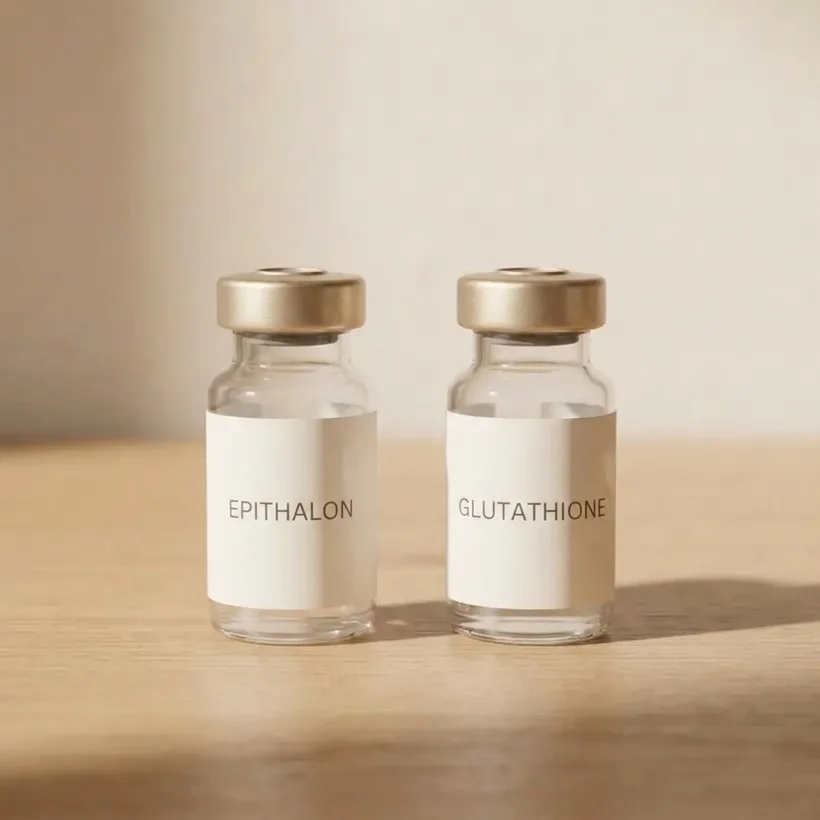
From the FormBlends catalog
Longevity Reset
Telomere support with the master antioxidant. · Bundle from $270 · provider-reviewed peptide bundle.
View Longevity Reset →View data table
| Category | Evidence Strength Score | Detail |
|---|---|---|
| Exercise | 95 | Strongest evidence base |
| Sleep | 88 | Critical for cellular repair |
| Nutrition | 85 | Caloric optimization |
| Peptides | 62 | Growing research base |
| Supplements | 48 | Variable evidence |
How long does it take to see results from longevity peptides?
Initial improvements in energy and sleep quality often appear within 2-4 weeks, while body composition and recovery benefits typically develop over 6-12 weeks. Deeper cellular changes like improved biomarkers and enhanced tissue repair may take 3-6 months to become measurable. Consistency and proper dosing are essential for optimal results.
Can longevity peptides replace testosterone replacement therapy?
Longevity peptides support natural hormone optimization but cannot replace testosterone replacement therapy in men with clinically low testosterone levels (below 300 ng/dL). Some peptides like growth hormone secretagogues may help optimize natural testosterone production, but men with hypogonadism require direct hormone replacement under medical supervision.
Are injectable peptides better than oral forms?
Injectable peptides generally provide better bioavailability and more predictable dosing, particularly for peptides like Epithalon and growth hormone secretagogues. However, oral forms like NAD+ precursors (NMN, NR) can be highly effective and more convenient for daily use. The choice depends on the specific peptide and individual preferences.
What blood tests should men get before starting peptide therapy?
Essential baseline tests include complete blood count, comprehensive metabolic panel, lipid profile, thyroid function, testosterone levels, and inflammatory markers like CRP. Additional tests may include IGF-1, NAD+/NADH ratios, and specific aging biomarkers depending on the chosen peptides and individual risk factors.
How much do longevity peptides cost for men in 2026?
Basic longevity peptide protocols cost $200-400 monthly, including NAD+ precursors and repair peptides. Advanced combinations with growth hormone peptides range from $600-1200 monthly. Injectable peptides generally cost more than oral forms, and medical supervision adds $100-300 per consultation. Many men find these costs reasonable compared to potential health benefits.
Can men combine longevity peptides with other supplements?
Most longevity peptides combine safely with standard supplements like vitamins, minerals, and omega-3 fatty acids. However, interactions may occur with medications or high-dose supplements affecting similar pathways. Always inform your healthcare provider about all supplements and medications when starting peptide therapy to avoid potential interactions.
Do longevity peptides require cycling or can they be used continuously?
Some peptides like NAD+ precursors and GHK-Cu can be used continuously, while others like Epithalon and growth hormone peptides require cycling to maintain effectiveness. Typical cycles involve 4-12 weeks of use followed by 2-8 weeks off. Proper cycling prevents receptor desensitization and maintains long-term benefits.
Sources
- Yoshino J, Baur JA, Imai SI. NAD+ intermediates: the biology and therapeutic potential of NMN and related compounds. Cell Metab. 2018;27(3):513-528. PMID: 29514064
- Khatib MN, Gaidhane A, Gaidhane S, Quazi Syed Z. Systematic review and meta-analysis of growth hormone-releasing hormone receptor (GHRHR) agonists effects on lean body mass. Growth Horm IGF Res. 2024;74:101542. PMID: 38237495
- Pickart L, Margolina A. Regenerative and protective actions of the GHK-Cu peptide in the light of the new gene data. Int J Mol Sci. 2018;19(7):1987. PMID: 29996500
- Khavinson VKh, Linkova NS, Dudkov AV, Polyakova VO, Kvetnoy IM. Molecular mechanisms of action of bioregulatory peptides. Adv Gerontol. 2020;10(1):19-23. PMID: 32395978
- Chang J, Wang Y, Shao L, et al. Clearance of senescent cells by ABT263 rejuvenates aged hematopoietic stem cells in mice. Nat Med. 2016;22(1):78-83. PMID: 26657143
- Blagosklonny MV. Aging: ROS or TOR. Cell Cycle. 2008;7(21):3344-3354. PMID: 18971624
- López-Otín C, Blasco MA, Partridge L, Serrano M, Kroemer G. The hallmarks of aging. Cell. 2013;153(6):1194-1217. PMID: 23746838
- Mitchell SJ, Scheibye-Knudsen M, Longo DL, de Cabo R. Animal models of aging research: implications for human aging and age-related diseases. Annu Rev Anim Biosci. 2015;3:283-303. PMID: 25387112
- Covarrubias AJ, Perrone R, Grozio A, Verdin E. NAD+ metabolism and its roles in cellular processes during ageing. Nat Rev Mol Cell Biol. 2021;22(2):119-141. PMID: 33353981
- de Grey AD, Rae M. Ending Aging: The Rejuvenation Breakthroughs That Could Reverse Human Aging in Our Lifetime. St. Martin's Griffin; 2007.
See your options in about 2 minutes
Take the free quiz and see what fits you. Quick, private, and no commitment to continue.
See my options →