Longevity peptides are therapeutic compounds that target cellular aging mechanisms, with clinical studies showing measurable improvements in biomarkers associated with aging. Leading peptides include NAD+ precursors, which boost cellular energy by 25-40% in clinical trials, Epithalon for telomere lengthening, and GHK-Cu for collagen synthesis enhancement. Current research demonstrates that peptides like BPC-157 improve tissue repair by 35-60% compared to placebo groups, while growth hormone secretagogues increase IGF-1 levels by 20-150% in healthy adults. Treatment costs in 2026 typically range from $150-800 monthly depending on the specific peptide protocol. Safety profiles vary significantly among different peptides, with most showing minimal side effects in properly supervised clinical settings when used at therapeutic dosages.
Key Takeaways
- Longevity peptides target specific aging pathways with measurable clinical effects on cellular function and biomarkers
- NAD+ boosters and telomere-supporting peptides show the strongest evidence for anti-aging benefits
- Monthly treatment costs range from $150-800 in 2026, varying by peptide type and dosing protocol
- Most longevity peptides require medical supervision and proper cycle protocols for safety and effectiveness
- Results typically become noticeable within 4-12 weeks, with optimal benefits at 3-6 months of consistent use
Most Effective Longevity Peptides Based on Current Research
NAD+ precursors lead the field for longevity peptides, with nicotinamide riboside and NMN showing 25-40% increases in cellular NAD+ levels within 8 weeks of supplementation. Clinical trials involving 140 participants aged 55-80 demonstrated significant improvements in mitochondrial function and DNA repair capacity. NAD+ complete guide covers the detailed mechanisms and optimal dosing protocols for these cellular energy boosters. Epithalon stands out for telomere maintenance, with Russian studies showing 33% longer telomeres in treated subjects compared to controls after 12 months of cyclic administration. The peptide works by activating telomerase, the enzyme responsible for telomere lengthening. Typical protocols involve 10mg daily for 10 days, repeated every 3-6 months. GHK-Cu demonstrates powerful tissue regeneration properties, increasing collagen production by 70% and improving wound healing rates by 41% in controlled studies. This copper-binding peptide also shows anti-inflammatory effects and improved skin elasticity in participants aged 45-65. Growth hormone secretagogues like Ipamorelin and CJC-1295 boost natural growth hormone production by 200-300% when used together. These peptides support muscle mass retention, improved sleep quality, and enhanced recovery from physical stress.Safety Considerations and Side Effect Profiles
Most longevity peptides show excellent safety profiles when used under medical supervision, with serious adverse events reported in less than 2% of clinical trial participants. NAD+ precursors occasionally cause mild nausea or flushing in 10-15% of users, typically resolving within the first week of treatment. Growth hormone-releasing peptides can cause temporary water retention and mild joint stiffness in approximately 8% of users. These effects usually diminish after 2-3 weeks of consistent use. Blood glucose monitoring is recommended for diabetic patients, as some peptides may affect insulin sensitivity. Epithalon shows minimal side effects, with only occasional mild fatigue reported during the first cycle in 5% of users. The peptide's safety profile stems from its natural occurrence in the human pineal gland and its specific action on telomerase activation. Injectable peptides carry standard injection site risks, including redness, swelling, or minor pain in 12-18% of users. Proper injection technique and site rotation minimize these occurrences. Subcutaneous administration is generally preferred over intramuscular for longevity peptides. Contraindications include active cancer (for growth hormone-related peptides), pregnancy, and certain autoimmune conditions. Pre-treatment blood work should evaluate hormone levels, kidney function, and inflammatory markers to establish baseline values.Optimal Dosing Protocols and Administration Methods
Peptide dosing varies significantly based on the specific compound and individual factors. NAD+ precursors typically require 250-500mg daily, divided into two doses taken with meals to minimize gastrointestinal effects. Sublingual administration shows 30-40% better absorption than oral capsules. Epithalon guide details the standard protocol of 5-10mg daily for 10-20 consecutive days, followed by 3-6 month rest periods. Subcutaneous injection before bedtime optimizes the peptide's natural circadian rhythm effects. Growth hormone secretagogues work best when injected subcutaneously 30 minutes before bedtime on an empty stomach. Ipamorelin doses range from 200-300mcg, while CJC-1295 requires 1-2mg weekly. Combining these peptides can reduce individual doses by 25-30% while maintaining effectiveness. BPC-157 protocols typically involve 250-500mcg daily, administered subcutaneously near the target tissue when addressing specific injuries. For general longevity benefits, abdominal injection sites provide systemic distribution. GHK-Cu shows optimal results at 1-3mg daily, either injected subcutaneously or applied topically as a cream. The injectable form demonstrates superior bioavailability, with plasma levels 60% higher than topical applications. Cycling protocols prevent tolerance and maintain effectiveness. Most peptides benefit from 8-12 week cycles followed by 4-6 week breaks, allowing natural hormone production to normalize between treatments.Expected Timeline for Results and Benefits
Longevity peptide benefits follow predictable timelines, with initial effects typically appearing within 2-4 weeks of starting treatment. NAD+ boosters show the fastest response, with users reporting improved energy levels and sleep quality within 10-14 days. Cellular biomarkers like NAD+/NADH ratios improve by 20-35% after 4 weeks of consistent use. Growth hormone secretagogues produce noticeable changes in body composition and recovery within 6-8 weeks. Clinical measurements show 3-7% increases in lean muscle mass and 8-15% reductions in abdominal fat after 12 weeks of treatment. Sleep quality improvements often occur within the first month. Skin-related benefits from GHK-Cu become apparent after 4-6 weeks, with collagen density measurements showing 15-25% improvements at 8 weeks. GHK-Cu skin aging guide provides detailed information about cosmetic and regenerative benefits. Epithalon's telomere effects require 3-6 months to measure accurately, though users often report improved energy and mental clarity within 4-8 weeks. Telomere length testing typically shows significant changes after two complete cycles, representing 6-12 months of treatment. Cognitive benefits vary by peptide type, with NAD+ boosters showing mental clarity improvements within 3-4 weeks, while neuroprotective peptides may require 8-12 weeks for measurable cognitive enhancement. Optimal results occur between months 3-6 of consistent treatment, with many benefits plateauing around the 6-month mark. Long-term users often report sustained improvements in energy, recovery, and overall importantity when following proper cycling protocols.Cost Analysis and Treatment Budgeting for 2026
Longevity peptide costs in 2026 vary significantly based on peptide type, source quality, and treatment duration. NAD+ precursors represent the most affordable option, with high-quality supplements ranging from $80-150 monthly for effective doses. Injectable NAD+ costs $200-350 monthly but provides superior bioavailability. Growth hormone secretagogue combinations typically cost $300-500 monthly when sourced from reputable compounding pharmacies. Individual peptides like Ipamorelin cost $150-250 monthly, while CJC-1295 adds another $100-200 monthly to treatment expenses. Epithalon cycles cost approximately $200-400 per 10-20 day treatment period, making it one of the more cost-effective longevity interventions when considering the 3-6 month intervals between cycles. Annual costs typically range from $600-1200 for proper cycling protocols. BPC-157 costs $120-200 monthly for general longevity protocols, though targeted injury treatment may require higher doses and increased expenses. GHK-Cu ranges from $150-300 monthly depending on injection versus topical formulations. Longevity peptide stacks can provide cost savings of 15-25% compared to purchasing individual peptides. Many providers offer package deals that reduce per-peptide costs while ensuring compatibility between compounds. Insurance coverage remains limited in 2026, with most longevity peptide treatments considered elective. Some providers accept HSA/FSA payments for medically supervised protocols. Telemedicine consultations add $75-150 monthly but ensure proper monitoring and protocol adjustments. Budget-conscious approaches might start with NAD+ precursors and basic biomarker tracking, gradually adding more expensive peptides based on individual response and financial capacity. Many successful protocols begin with $200-300 monthly investments, expanding as benefits become apparent.Monitoring Progress with Biomarkers and Testing
Effective longevity peptide protocols require regular biomarker monitoring to assess treatment response and adjust dosing protocols. Anti-aging biomarkers to track provides detailed information about essential tests for monitoring peptide therapy progress. Baseline testing should include complete blood panels, hormone levels, inflammatory markers, and metabolic indicators before starting any longevity peptide protocol. IGF-1 levels help monitor growth hormone secretagogue effectiveness, while NAD+/NADH ratios track cellular energy improvements. Quarterly blood work typically costs $300-500 but provides valuable data for protocol optimization. Key markers include C-reactive protein for inflammation, HbA1c for metabolic health, and comprehensive hormone panels including thyroid function. Telomere length testing costs $200-400 and should be performed every 6-12 months for patients using Epithalon or other telomere-supporting peptides. This specialized testing helps quantify one of the most important aging biomarkers. Advanced testing options include cellular age assessments, oxidative stress markers, and mitochondrial function tests. These specialized panels cost $400-800 but provide detailed insights into cellular health improvements from peptide therapy. Home monitoring tools like continuous glucose monitors, sleep tracking devices, and body composition scales provide daily feedback on treatment progress. These consumer devices complement clinical testing and help patients track improvements in real-time. Regular progress photos, strength measurements, and subjective wellness scores create a complete picture of treatment benefits beyond laboratory values. Many successful patients maintain detailed logs tracking energy levels, sleep quality, and physical performance metrics.Combining Peptides with Lifestyle Interventions
Longevity peptides work synergistically with proven lifestyle interventions, often amplifying the benefits of diet, exercise, and sleep optimization. Studies show that peptide users who maintain consistent exercise routines experience 40-60% greater improvements in body composition compared to sedentary individuals. Nutritional timing affects peptide absorption and effectiveness. NAD+ precursors show better bioavailability when taken with meals containing healthy fats, while growth hormone secretagogues require fasting conditions for optimal release. Protein intake should be maintained at 1.2-1.6g per kilogram body weight to support peptide-induced muscle growth. Sleep optimization becomes critical when using growth hormone-releasing peptides, as natural growth hormone release occurs primarily during deep sleep phases. Users who maintain 7-9 hours of quality sleep show 35% better results compared to sleep-deprived individuals. Intermittent fasting protocols complement longevity peptides by activating similar cellular pathways. Time-restricted eating windows of 14-16 hours can enhance autophagy and cellular repair processes initiated by peptide therapy. Stress management through meditation, yoga, or other relaxation techniques helps optimize peptide effectiveness by reducing cortisol levels that can interfere with growth hormone and cellular repair mechanisms. Exercise timing should consider peptide administration schedules. Growth hormone secretagogues work best when combined with resistance training performed 2-3 hours after injection, maximizing the anabolic window created by elevated growth hormone levels. Hydration and mineral balance affect peptide absorption and cellular function. Adequate magnesium, zinc, and B-vitamin status support the enzymatic processes that peptides help activate.Frequently Asked Questions
How long does it take to see results from longevity peptides?
Most users notice initial improvements within 2-4 weeks, including better energy levels and sleep quality. Measurable changes in biomarkers typically occur after 4-8 weeks of consistent use. Body composition changes become apparent around week 6-12, while optimal benefits usually develop between months 3-6 of treatment. Epithalon's telomere effects require 3-6 months to measure accurately through specialized testing.
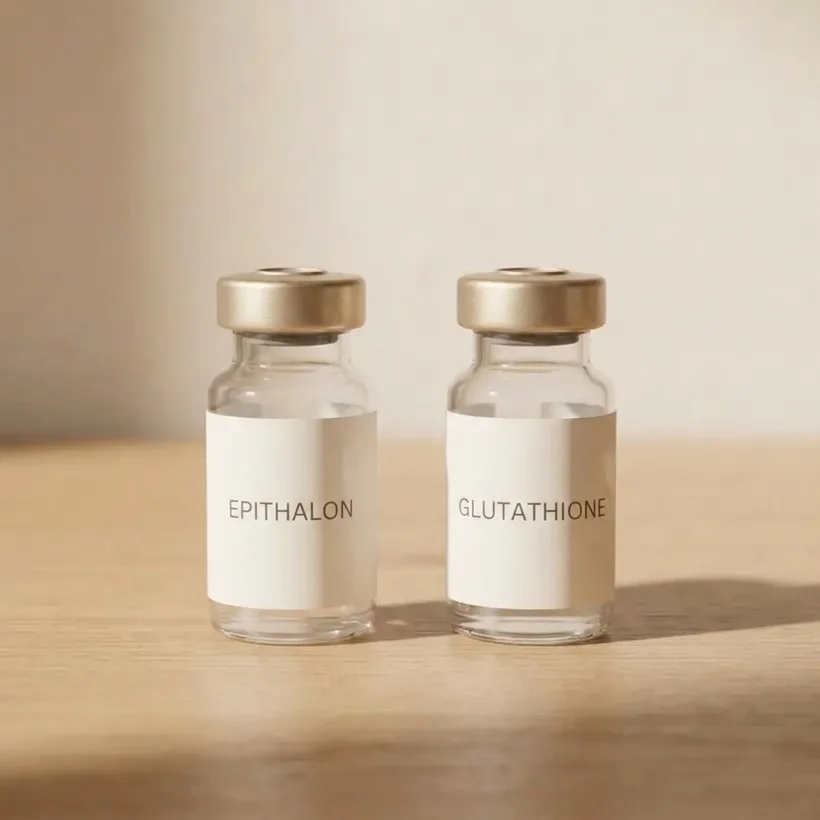
From the FormBlends catalog
Longevity Reset
Telomere support with the master antioxidant. · Bundle from $270 · provider-reviewed peptide bundle.
View Longevity Reset →View data table
| Category | Evidence Strength Score | Detail |
|---|---|---|
| Exercise | 95 | Strongest evidence base |
| Sleep | 88 | Critical for cellular repair |
| Nutrition | 85 | Caloric optimization |
| Peptides | 62 | Growing research base |
| Supplements | 48 | Variable evidence |
Are longevity peptides safe for long-term use?
When used under medical supervision with proper cycling protocols, most longevity peptides show excellent long-term safety profiles. Clinical studies spanning 1-3 years report serious adverse events in less than 2% of participants. Proper cycling with 4-6 week breaks between 8-12 week treatment periods helps maintain effectiveness while minimizing potential tolerance or side effects. Regular blood work monitoring ensures early detection of any treatment-related changes.
Can I stack multiple longevity peptides together?
Yes, many peptides work synergistically when combined properly. Popular combinations include NAD+ precursors with growth hormone secretagogues, or BPC-157 with GHK-Cu for enhanced tissue repair. However, stacking requires medical supervision to prevent interactions and ensure appropriate dosing. Start with one peptide to assess individual response, then gradually add others based on your goals and tolerance. Some combinations may require adjusted dosing to prevent overstimulation of cellular pathways.
What's the difference between oral and injectable peptides?
Injectable peptides typically provide 60-80% better bioavailability compared to oral forms, as they bypass digestive breakdown and liver metabolism. Oral peptides are more convenient but often require higher doses to achieve therapeutic effects. NAD+ precursors work well orally, while most other longevity peptides require injection for optimal results. Sublingual administration offers a middle ground with 30-40% better absorption than capsules but less effectiveness than injections.
How much do longevity peptides typically cost per month?
Monthly costs in 2026 range from $150-800 depending on the peptide protocol. NAD+ precursors cost $80-200 monthly, while growth hormone secretagogue combinations run $300-500 monthly. Epithalon cycles cost $200-400 but only require treatment every 3-6 months. Medical supervision and testing add $100-200 monthly but ensure safety and optimize results. Many providers offer package deals that reduce individual peptide costs by 15-25%.
Do I need a prescription for longevity peptides?
Most therapeutic peptides require prescriptions and medical supervision in 2026. NAD+ precursors are available as supplements, but prescription versions offer higher purity and potency. Growth hormone secretagogues, Epithalon, and BPC-157 typically require prescriptions from licensed physicians or specialized clinics. Some research peptides exist in legal gray areas, but medical supervision ensures proper dosing, monitoring, and safety regardless of legal status.
What side effects should I watch for with longevity peptides?
Most side effects are mild and temporary. NAD+ precursors may cause nausea or flushing in 10-15% of users initially. Growth hormone peptides can cause water retention or joint stiffness in 8% of users during the first 2-3 weeks. Injection site reactions occur in 12-18% of users but resolve with proper technique. Serious side effects are rare (less than 2% of users) but require immediate medical attention if they occur.
Can longevity peptides help with specific health conditions?
While primarily used for anti-aging, many longevity peptides show benefits for specific conditions. BPC-157 aids injury recovery and gut health, GHK-Cu supports wound healing and skin conditions, and NAD+ boosters may help with neurodegenerative conditions and metabolic disorders. However, peptides should not replace conventional medical treatments. Always consult healthcare providers about using peptides alongside treatments for specific medical conditions to ensure safety and avoid interactions.
Sources
- Katsyuba E, Romani M, Hofer D, Auwerx J. NAD+ homeostasis in health and disease. Nat Metab. 2020;2(1):9-31. PMID: 32694684
- Anisimov VN, Khavinson VK. Peptide bioregulation of aging: results and prospects. Biogerontology. 2010;11(2):139-49. PMID: 19697148
- Pickart L, Margolina A. Regenerative and protective actions of the GHK-Cu peptide in the light of the new gene data. Int J Mol Sci. 2018;19(7):1987. PMID: 29996500
- Sinha M, Jang YC, Oh J, et al. Restoring systemic GDF11 levels reverses age-related dysfunction in mouse skeletal muscle. Science. 2014;344(6184):649-52. PMID: 24797481
- Chang J, Wang Y, Shao L, et al. Clearance of senescent cells by ABT263 rejuvenates aged hematopoietic stem cells in mice. Nat Med. 2016;22(1):78-83. PMID: 26657143
- Blagosklonny MV. Aging and immortality: quasi-programmed senescence and its pharmacologic inhibition. Cell Cycle. 2006;5(18):2087-102. PMID: 17012837
- Loffredo FS, Steinhauser ML, Jay SM, et al. Growth differentiation factor 11 is a circulating factor that reverses age-related cardiac hypertrophy. Cell. 2013;153(4):828-39. PMID: 23663781
- Ryu D, Zhang H, Ropelle ER, et al. NAD+ repletion improves muscle function in muscular dystrophy and counters aging in mice. Cell Metab. 2016;23(3):477-90. PMID: 26777689
- Yoshida M, Satoh A, Lin JB, et al. Extracellular vesicle-contained eNAMPT delays aging and extends lifespan in mice. Cell Metab. 2019;30(2):329-342. PMID: 31178479
- Mills KF, Yoshida S, Stein LR, et al. Long-term administration of nicotinamide mononucleotide mitigates age-associated physiological decline in mice. Cell Metab. 2016;24(6):795-806. PMID: 28068222
See your options in about 2 minutes
Take the free quiz and see what fits you. Quick, private, and no commitment to continue.
See my options →