Key Takeaway
A thorough, evidence-based review of AOD-9604 side effects. Learn what clinical studies reveal about the safety profile of this growth hormone fragment peptide.
Quick Answer: AOD-9604 has demonstrated a favorable safety profile in clinical studies. The most commonly reported side effects are mild injection site reactions and occasional headache. Unlike full-length growth hormone, AOD-9604 hasn't been shown to affect blood sugar, IGF-1 levels, or hormonal balance at therapeutic doses.
What Is AOD-9604?
AOD-9604 is a synthetic peptide derived from the C-terminal fragment (amino acids 177-191) of human growth hormone, with an additional tyrosine residue added for stability. Originally developed at Monash University in Australia, it was designed to isolate the fat-metabolizing properties of growth hormone while avoiding the broader systemic effects that make exogenous hGH therapy problematic for many patients.
The peptide received GRAS (Generally Recognized as Safe) status from the FDA in 2014. In clinical peptide therapy, it's used under physician supervision and sourced from licensed compounding pharmacies. Understanding its side effect profile is important for anyone considering this therapy.
Overview of AOD-9604's Safety Profile
AOD-9604 has been evaluated in multiple preclinical studies and several human clinical trials, including a Phase IIb trial with over 300 participants. Across these studies, the peptide has consistently demonstrated a safety profile comparable to placebo, which is uncommon for compounds that influence metabolic pathways.

The key reason for this favorable profile lies in AOD-9604's selectivity. Because it represents only a small fragment of the full growth hormone molecule, it doesn't activate the growth hormone receptor in the same thorough manner. This means it avoids triggering the IGF-1 axis, which is responsible for many of the side effects associated with hGH therapy.
Common Side Effects
The following side effects have been reported in clinical studies and clinical practice. They're generally mild, transient, and self-resolving.
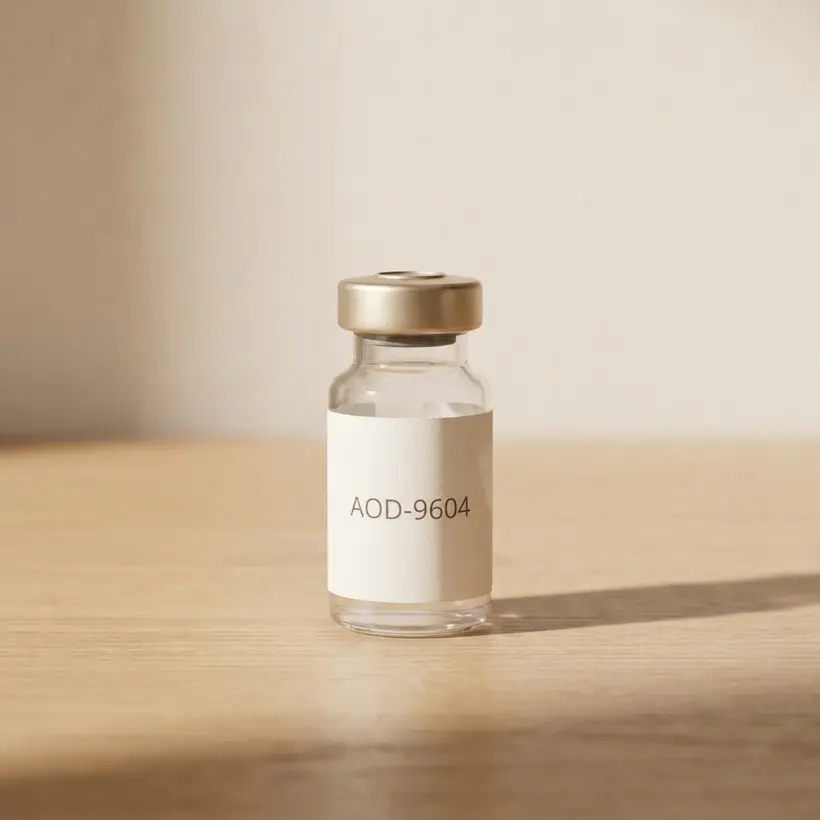
From the FormBlends catalog
AOD-9604
Fat-targeting fragment without growth hormone side effects · From $199/mo · compounded by a licensed 503A pharmacy, dispensed only after provider review.
View AOD-9604 →Injection Site Reactions
The most frequently reported side effect of AOD-9604 is localized irritation at the injection site. This can include:
- Mild redness or erythema
- Slight swelling at the injection point
- Temporary stinging or burning during injection
- Minor bruising
These reactions are common to virtually all injectable therapies and aren't specific to AOD-9604. They typically resolve within minutes to hours. Proper injection technique, site rotation, and allowing the solution to reach room temperature before injection can minimize these effects.
Headache
Some patients report mild headaches, particularly during the first week or two of therapy. In clinical trials, headache rates among AOD-9604 recipients were only marginally higher than in placebo groups, making it difficult to establish a definitive causal relationship. Adequate hydration and gradual dose titration can help reduce this side effect.
Mild Gastrointestinal Discomfort
A small percentage of users report transient nausea or stomach discomfort, particularly when starting therapy. This effect tends to diminish as the body adjusts. Timing injections away from meals may help manage this symptom for sensitive individuals.
Flu-Like Symptoms
Rarely, patients may experience mild flu-like symptoms during the initial days of AOD-9604 use, including slight fatigue or a general feeling of being unwell. These symptoms are typically short-lived and may reflect the body's adjustment to the peptide's metabolic effects.
Side Effects NOT Associated with AOD-9604
Knowing what AOD-9604 does not cause is just as important as knowing its actual side effects. Unlike full-length growth hormone therapy, AOD-9604 hasn't been shown to produce:
Blood Sugar Disruption
One of the most significant risks of exogenous hGH is impaired glucose tolerance and increased insulin resistance. Multiple studies have confirmed that AOD-9604 doesn't alter fasting blood glucose, insulin levels, or HbA1c values. This makes it a fundamentally different risk profile from growth hormone therapy.
IGF-1 Elevation
Growth hormone increases IGF-1 (insulin-like growth factor 1), which drives cell proliferation and can raise concerns about accelerated aging and other risks. AOD-9604 doesn't improve IGF-1 levels, which is one of the primary reasons researchers pursued this fragment as a standalone therapeutic agent.
Fluid Retention and Joint Swelling
Edema, carpal tunnel syndrome, and joint swelling are well-documented side effects of hGH therapy. These haven't been observed with AOD-9604 at therapeutic doses in clinical studies.
Hormonal Axis Suppression
AOD-9604 doesn't appear to suppress the hypothalamic-pituitary axis or reduce the body's natural production of growth hormone. This is a meaningful advantage, as it means discontinuing AOD-9604 doesn't create a rebound deficiency state.
Thyroid or Cortisol Changes
No clinically meaningful changes in thyroid hormone levels or cortisol have been reported in AOD-9604 studies.
Rare and Theoretical Concerns
Allergic Reactions
As with any injectable peptide, there's a theoretical risk of allergic reaction. True allergic responses to AOD-9604 are extremely rare in published literature. Signs of an allergic reaction would include persistent rash, hives, swelling beyond the injection site, or difficulty breathing. Any such symptoms should be reported to a physician immediately.
Interactions with Other Medications
Formal drug interaction studies for AOD-9604 are limited. Because the peptide influences lipolytic pathways, there's a theoretical possibility of interaction with other fat-metabolism agents or insulin-sensitizing medications. Patients taking prescription medications should always disclose their full medication list to their prescribing physician.
Long-Term Safety Data
The most honest assessment of AOD-9604's safety profile must acknowledge that long-term data spanning years of continuous use isn't yet available. The existing clinical trial data covers periods of up to 12 weeks. While no concerning signals have emerged, this gap in the literature underscores the importance of ongoing physician monitoring for patients on extended protocols.
Factors That Influence Side Effect Risk
Peptide Quality and Source
The purity and quality of the AOD-9604 preparation significantly affect tolerability. Peptides obtained from unregulated sources may contain impurities, degradation products, or incorrect concentrations that increase the risk of adverse reactions. Using a licensed compounding pharmacy with verified purity testing is important for minimizing this risk.
Dosage
Side effects are dose-dependent. Starting at a lower dose and gradually titrating upward allows the body to adjust and helps identify the optimal therapeutic dose with minimal adverse effects. Most clinical protocols begin with conservative dosing.
Injection Technique
Poor injection technique accounts for a large proportion of injection site reactions. Using proper subcutaneous injection methods, rotating injection sites, and using appropriate needle gauges can substantially reduce local side effects.
Individual Health Status
Pre-existing conditions, concurrent medications, and individual metabolic differences all influence how a patient responds to AOD-9604. This variability is one of the strongest arguments for physician-supervised therapy rather than self-administration.
Comparing AOD-9604 Side Effects to Other Therapies
When evaluating AOD-9604's side effect profile, context matters. Compared to other interventions used for similar goals:
- vs. Growth Hormone: AOD-9604 avoids the insulin resistance, edema, joint pain, and IGF-1 elevation associated with hGH. The side effect profile is dramatically more favorable.
- vs. GLP-1 Receptor Agonists: GLP-1 medications commonly cause nausea, vomiting, diarrhea, and constipation, sometimes severely. AOD-9604's gastrointestinal side effects are milder and less frequent.
- vs. Anabolic Steroids: AOD-9604 doesn't affect sex hormones, liver function, or cardiovascular risk markers in the way that anabolic compounds can.
This favorable comparative profile is one reason AOD-9604 has attracted interest in the peptide therapy field.
Safety Considerations
While AOD-9604's safety record is encouraging, responsible use requires awareness of several principles:
- Always use AOD-9604 under the guidance of a licensed physician who can evaluate your individual risk factors
- Source peptides only from licensed, regulated compounding pharmacies
- Report any unexpected symptoms to your prescribing physician promptly
- Follow prescribed dosing protocols and don't self-adjust doses
- Attend scheduled follow-up appointments for monitoring
Individuals who are pregnant, breastfeeding, or being treated for active malignancies shouldn't use AOD-9604. Those with significant endocrine disorders should discuss their candidacy with their physician.
How FormBlends Can Help
FormBlends takes a safety-first approach to peptide therapy. Every patient undergoes a thorough medical evaluation before any peptide is prescribed. For AOD-9604 specifically, this includes reviewing metabolic health markers, medication history, and individual risk factors.
Patients receive detailed guidance on proper injection technique, side effect management, and when to contact their care team. Follow-up consultations allow physicians to monitor progress, adjust dosing, and ensure that therapy remains safe and effective over time.
By pairing clinical expertise with licensed compounding pharmacy partnerships, FormBlends ensures that patients receive pharmaceutical-grade AOD-9604 with full medical support.
Frequently Asked Questions
Is AOD-9604 safe?
Clinical evidence to date supports a favorable safety profile for AOD-9604. In human trials, adverse event rates were comparable to placebo. The peptide doesn't appear to affect blood sugar, IGF-1, or hormonal balance. But long-term data beyond 12 weeks of continuous use is limited, and physician supervision is recommended.
What is the most common side effect of AOD-9604?
The most commonly reported side effect is mild, transient irritation at the injection site, including redness or slight swelling. This is typical of injectable therapies in general and usually resolves quickly.
Can AOD-9604 cause weight gain?
AOD-9604 hasn't been associated with weight gain in clinical studies. Its mechanism of action promotes lipolysis (fat breakdown) and inhibits lipogenesis (fat storage). But individual results depend on overall lifestyle, diet, and metabolic health.
Does AOD-9604 affect blood sugar levels?
No. Multiple clinical studies have confirmed that AOD-9604 doesn't alter fasting glucose, insulin levels, or glucose tolerance. This is one of the key safety advantages it holds over full-length growth hormone therapy.
Should I stop AOD-9604 if I experience side effects?
Mild injection site reactions and transient headaches typically don't require discontinuation. But if you experience persistent, worsening, or unusual symptoms, contact your prescribing physician before continuing. Your doctor can determine whether dose adjustment, technique modification, or discontinuation is appropriate.
Discuss AOD-9604 Safety with a Physician
Have questions about whether AOD-9604 is safe for your specific health situation? FormBlends connects you with experienced physicians who can evaluate your candidacy and design a monitored therapy plan. Schedule your telehealth consultation today.
Ready when you are
AOD-9604
Fat-targeting fragment without growth hormone side effects · From $199/mo · compounded by a licensed 503A pharmacy, dispensed only after provider review.
View AOD-9604 →