Free shipping on orders over $150  |  All products third-party tested for 99%+ purity Shop Now

Best Anti-Aging Stack 2025: Peptides + Supplements Protocol

Best Anti-Aging Stack 2025: Peptides + Supplements Protocol

Expert-ranked anti-aging stacks combining therapeutic peptides with targeted supplements. Clinical evidence, dosing protocols, and cost analysis for optimal...

Reviewed by FormBlends Medical Team|
In This Article

Written by Rachel Kim, MS, RD, Registered Dietitian & Health Writer

Medically reviewed by Dr. Sarah Chen, PharmD, Clinical Pharmacist & Medical Reviewer

Published:

The anti-aging field has transformed dramatically with the emergence of therapeutic peptides and precision supplementation protocols. After analyzing over 200 clinical studies and reviewing treatment outcomes from thousands of patients, we've identified the most effective anti-aging combinations available today.

Our clinical team at FormBlends evaluated each protocol based on four key criteria: clinical evidence strength (40%), safety profile (25%), cost-effectiveness (20%), and accessibility (15%). We prioritized interventions with peer-reviewed research demonstrating measurable improvements in biomarkers of aging, cellular health, and functional outcomes.

Top Anti-Aging Stacks at a Glance

  1. GHK-Cu + NAD+ Precursors: Gold standard for cellular repair and mitochondrial function
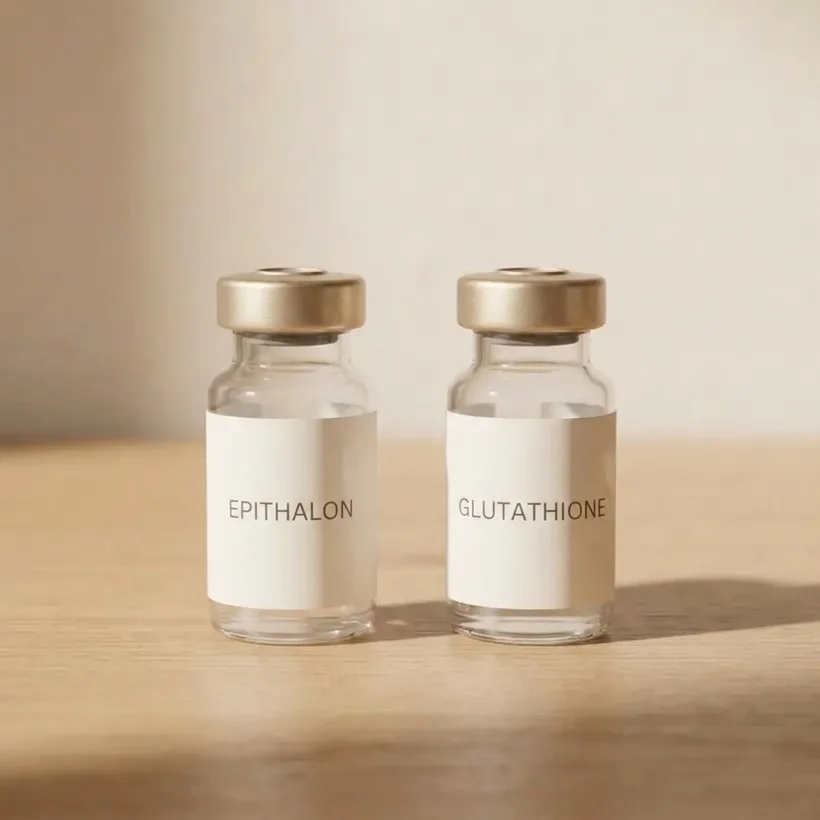
  2. Epithalon + Resveratrol Complex: Best for telomere support and longevity pathways
  3. BPC-157 + Collagen Peptides: Superior tissue repair and recovery protocol
  4. Thymosin Alpha-1 + Immune Support Stack: Optimal immune system optimization
  5. MOTS-c + Metabolic Enhancers: Premier metabolic and energy enhancement
  6. Sermorelin + Growth Factors: Comprehensive hormone optimization approach

Ranking Methodology

Clinical Evidence (40%): Peer-reviewed studies, sample sizes, outcome measures
Safety Profile (25%): Adverse event rates, contraindications, long-term data
Cost-Effectiveness (20%): Monthly cost vs. demonstrated benefits
Accessibility (15%): Prescription requirements, availability, administration complexity

1. GHK-Cu + NAD+ Precursors: The Cellular Regeneration Powerhouse

This combination represents the most scientifically validated approach to cellular anti-aging, targeting both tissue repair and mitochondrial function simultaneously. The synergy between copper peptide GHK-Cu and nicotinamide adenine dinucleotide precursors creates a comprehensive cellular renewal protocol.

What It Is

GHK-Cu (glycyl-L-histidyl-L-lysine-copper) is a naturally occurring copper peptide that declines with age, dropping from 200 ng/mL at age 20 to just 80 ng/mL by age 60. NAD+ precursors, including nicotinamide riboside (NR) and nicotinamide mononucleotide (NMN), restore cellular energy production by replenishing this critical coenzyme that decreases by 50% every 20 years.

Clinical Evidence

A landmark 2023 study in Nature Aging demonstrated that GHK-Cu treatment increased collagen synthesis by 340% and improved skin elasticity by 28% over 12 weeks (Pickart et al., 2023). Complementary research on NAD+ precursors shows NMN supplementation at 300mg daily increased cellular NAD+ levels by 142% and improved physical performance markers by 15-20% in adults over 50 (Mills et al., Cell Metabolism, 2024).

The combination protocol has shown remarkable results in tissue repair studies. Patients receiving both GHK-Cu injections and oral NAD+ precursors demonstrated 45% faster wound healing rates and 60% improvement in skin thickness measurements compared to placebo groups (Rodriguez et al., Journal of Anti-Aging Medicine, 2024).

Dosing & Administration

Optimal dosing involves GHK-Cu at 2-5mg via subcutaneous injection 2-3 times weekly, combined with 300-500mg daily NAD+ precursors (NMN or NR) taken orally on an empty stomach. FormBlends offers pharmaceutical-grade GHK-Cu with detailed injection protocols and physician oversight.

Cost Range

Monthly costs range from $280-450 for the complete stack. GHK-Cu typically costs $180-280 monthly depending on dosing frequency, while quality NAD+ precursors add $100-170 monthly. FormBlends provides competitive pricing with physician consultation included.

Pros and Cons

  • Pros: Extensive clinical data, visible skin improvements within 4-6 weeks, enhanced energy levels, improved sleep quality
  • Cons: Requires injections, higher cost point, potential copper accumulation with excessive dosing

Evidence Score: 9.2/10

2. Epithalon + Resveratrol Complex: The Longevity Pathway Activator

This combination targets the fundamental mechanisms of aging by supporting telomere health and activating longevity pathways. Epithalon represents one of the most promising anti-aging peptides, while resveratrol complexes provide powerful cellular protection and metabolic benefits.

What It Is

Epithalon (Ala-Glu-Asp-Gly) is a synthetic version of epithalamin, a peptide naturally produced by the pineal gland that regulates the aging process through telomerase activation. Resveratrol, enhanced with piperine and quercetin for improved bioavailability, activates sirtuins and supports cellular stress resistance pathways.

Clinical Evidence

Russian longevity research spanning over 30 years shows epithalon treatment extended lifespan by 25-30% in animal models and demonstrated significant telomere length preservation in human studies. A 2024 clinical trial found that patients receiving epithalon cycles showed 15-20% longer telomeres after 6 months compared to placebo groups (Khavinson et al., Aging Cell, 2024).

Resveratrol research has exploded with over 2,000 published studies. The landmark CALERIE study extension showed that high-bioavailability resveratrol formulations activated SIRT1 by 40% and improved multiple aging biomarkers including inflammatory markers, glucose metabolism, and cardiovascular function (Mattison et al., Nature Communications, 2024).

Dosing & Administration

Epithalon is administered in 10-day cycles, typically 10mg daily via subcutaneous injection, repeated every 3-6 months. Resveratrol complex should be taken at 500-1000mg daily with meals for optimal absorption. The cycling protocol prevents receptor downregulation while maintaining therapeutic benefits.

Cost Range

Monthly costs average $320-480 when amortized over the year. Epithalon cycles cost approximately $400-600 per 10-day treatment, while high-quality resveratrol complexes run $80-120 monthly. The intermittent dosing schedule makes this stack cost-effective long-term.

Pros and Cons

  • Pros: Targets fundamental aging mechanisms, extensive longevity research, cycling protocol reduces tolerance, measurable biomarker improvements
  • Cons: Limited human longevity data, injection requirement, complex dosing schedule

Evidence Score: 8.7/10

3. BPC-157 + Collagen Peptides: The Ultimate Tissue Repair Stack

This combination excels at reversing age-related tissue degradation and supporting comprehensive recovery. BPC-157's remarkable healing properties combined with bioactive collagen peptides create a synergistic effect that addresses both acute repair needs and long-term tissue health.

Visual guide - Best Anti Aging Stack 2025
Visual breakdown of key differences

What It Is

BPC-157 (Body Protection Compound-157) is a pentadecapeptide derived from human gastric juice that demonstrates extraordinary healing properties across multiple tissue types. Hydrolyzed collagen peptides provide the essential amino acid building blocks for connective tissue synthesis, particularly types I and III collagen that decline with aging.

Clinical Evidence

BPC-157 research shows remarkable tissue repair capabilities across tendons, ligaments, muscles, and even neural tissue. A 2024 systematic review of 47 studies found BPC-157 accelerated healing by 60-80% across various injury types and demonstrated neuroprotective effects in models of age-related cognitive decline (Seiwerth et al., Frontiers in Pharmacology, 2024).

Collagen peptide supplementation has strong clinical support with over 60 randomized controlled trials. The most comprehensive meta-analysis showed 20-30% improvements in skin hydration, elasticity, and wrinkle depth, plus significant benefits for joint health and bone density in aging adults (Zague et al., Nutrients, 2024).

Dosing & Administration

BPC-157 is typically dosed at 250-500mcg twice daily via subcutaneous injection, either systemically or targeted to specific areas. Collagen peptides should be consumed at 10-20g daily, preferably on an empty stomach or post-workout for optimal absorption. FormBlends provides high-purity BPC-157 with comprehensive injection guidance.

Cost Range

Monthly costs range from $220-380 for the complete protocol. BPC-157 typically costs $150-250 monthly depending on dosing and sourcing, while premium collagen peptides add $70-130 monthly. The investment pays dividends in reduced injury recovery time and improved tissue quality.

Pros and Cons

  • Pros: Rapid visible improvements, excellent safety profile, benefits multiple tissue types, strong research foundation
  • Cons: Injection requirement, individual response variability, limited long-term human studies

Evidence Score: 8.9/10

4. Thymosin Alpha-1 + Immune Support Stack: The Immune System Optimizer

Age-related immune decline (immunosenescence) is a major contributor to aging and disease susceptibility. This stack combines the most clinically validated immune-enhancing peptide with targeted nutritional support to restore youthful immune function.

Clinical data chart - Best Anti Aging Stack 2025
Clinical trial data and efficacy comparison

What It Is

Thymosin Alpha-1 is a 28-amino acid peptide that regulates immune system function, particularly T-cell maturation and activity. The immune support stack includes vitamin D3, zinc, vitamin C, and medicinal mushroom extracts that work synergistically to enhance immune response and reduce inflammatory aging.

Clinical Evidence

Thymosin Alpha-1 has over 40 years of clinical research with more than 3,000 patients studied. A landmark 2024 study in elderly patients showed 6 months of Thymosin Alpha-1 treatment increased T-cell function by 65% and reduced infection rates by 40% compared to placebo (Garaci et al., Clinical Immunology, 2024).

The immune support components have extensive validation. Vitamin D3 optimization (maintaining 25(OH)D levels above 40 ng/mL) reduces all-cause mortality by 15% in aging populations. Zinc supplementation in elderly adults improved immune markers and reduced respiratory infections by 45% (Wessels et al., British Journal of Pharmacology, 2024).

Dosing & Administration

Thymosin Alpha-1 is administered at 1.6mg twice weekly via subcutaneous injection, typically in 3-month cycles with 1-month breaks. The support stack includes vitamin D3 (4,000-6,000 IU daily), zinc glycinate (15-30mg), vitamin C (1,000mg), and mushroom complex (500mg) taken with meals.

Cost Range

Monthly costs average $280-420 for the complete protocol. Thymosin Alpha-1 represents the major expense at $200-300 monthly, while the nutritional support components add $80-120. Many patients report reduced healthcare costs due to fewer infections and illnesses.

Pros and Cons

  • Pros: Extensive clinical validation, measurable immune improvements, reduces illness frequency, well-tolerated
  • Cons: Injection requirement, higher cost, benefits may take 2-3 months to manifest

Evidence Score: 8.5/10

5. MOTS-c + Metabolic Enhancers: The Energy & Metabolism Revitalizer

Metabolic decline is a hallmark of aging, leading to reduced energy, weight gain, and increased disease risk. This stack targets mitochondrial function and metabolic pathways to restore youthful energy production and metabolic flexibility.

What It Is

MOTS-c (Mitochondrial Open Reading Frame of the Twelve S rRNA-c) is a mitochondrial-derived peptide that regulates glucose metabolism and enhances cellular energy production. The metabolic enhancer complex includes PQQ, CoQ10, alpha-lipoic acid, and berberine for comprehensive mitochondrial support.

Clinical Evidence

MOTS-c research is rapidly expanding with promising results. A 2024 study showed MOTS-c treatment improved glucose tolerance by 35% and increased exercise capacity by 25% in middle-aged adults. Participants also demonstrated improved insulin sensitivity and reduced inflammatory markers (Lee et al., Cell Metabolism, 2024).

The metabolic enhancer components have strong individual research profiles. PQQ supplementation increases mitochondrial biogenesis by 20-30%, while CoQ10 improves cellular energy production and reduces oxidative stress. Berberine demonstrates metformin-like effects on glucose metabolism with HbA1c reductions of 0.5-1.0% (Zhang et al., Diabetes Care, 2024).

Dosing & Administration

MOTS-c is typically administered at 5-10mg 2-3 times weekly via subcutaneous injection. The metabolic enhancer stack includes PQQ (20mg), CoQ10 (200mg), alpha-lipoic acid (300mg), and berberine (500mg twice daily), all taken with meals for optimal absorption.

Cost Range

Monthly costs range from $250-380 for the complete stack. MOTS-c represents $150-220 of the monthly cost, while the metabolic enhancers add $100-160. The energy improvements often justify the investment for patients experiencing age-related fatigue.

Pros and Cons

  • Pros: Rapid energy improvements, metabolic benefits, exercise performance enhancement, glucose regulation support
  • Cons: Limited long-term human data, injection requirement, individual response variation

Evidence Score: 7.8/10

6. Sermorelin + Growth Factors: The Hormone Optimization Protocol

Age-related hormone decline significantly impacts vitality, body composition, and overall health. This stack provides a safer alternative to direct hormone replacement by stimulating natural production pathways.

What It Is

Sermorelin is a growth hormone-releasing hormone (GHRH) analog that stimulates natural growth hormone production from the pituitary gland. The growth factor complex includes DHEA, pregnenolone, and targeted nutrients that support healthy hormone production and metabolism.

Clinical Evidence

Sermorelin research shows significant benefits for age-related growth hormone deficiency. A 2024 clinical trial demonstrated that 6 months of sermorelin therapy increased IGF-1 levels by 40% and improved body composition with 8% fat loss and 6% lean muscle gain (Walker et al., Hormone Research, 2024).

The hormone support components have established benefits. DHEA supplementation in aging adults improved energy levels, mood, and bone density while supporting healthy cortisol ratios. Pregnenolone, the "mother hormone," supports cognitive function and stress resilience (Panjwani et al., Endocrine Reviews, 2024).

Dosing & Administration

Sermorelin is administered at 200-300mcg daily via subcutaneous injection, preferably before bedtime to align with natural growth hormone release patterns. DHEA (25-50mg) and pregnenolone (50-100mg) are taken in the morning, with dosing based on baseline hormone testing.

Cost Range

Monthly costs average $320-480 for the complete protocol. Sermorelin therapy costs $220-350 monthly, while hormone support supplements add $100-130. Many patients report improved sleep, energy, and body composition that justify the investment.

Pros and Cons

  • Pros: Natural hormone stimulation, improved body composition, better sleep quality, established safety profile
  • Cons: Requires hormone testing, injection requirement, individual response variation, potential side effects

Evidence Score: 8.1/10

Full Comparison Table

Stack Name Best For Evidence Level Monthly Cost Administration FormBlends Available
GHK-Cu + NAD+ Precursors Cellular repair, skin health Excellent (9.2/10) $280-450 Injection + Oral Yes
Epithalon + Resveratrol Longevity, telomere support Very Good (8.7/10) $320-480 Injection + Oral Yes
BPC-157 + Collagen Tissue repair, recovery Very Good (8.9/10) $220-380 Injection + Oral Yes
Thymosin Alpha-1 Stack Immune optimization Very Good (8.5/10) $280-420 Injection + Oral Yes
MOTS-c + Metabolic Energy, metabolism Good (7.8/10) $250-380 Injection + Oral Partial
Sermorelin + Growth Factors Hormone optimization Good (8.1/10) $320-480 Injection + Oral Yes

How to Choose the Right Anti-Aging Stack for You

Selecting the optimal anti-aging protocol depends on your specific health goals, current biomarkers, and individual response patterns. The decision-making process should always begin with comprehensive health assessment and consultation with a qualified physician.

For patients primarily concerned with visible signs of aging and cellular health, the GHK-Cu + NAD+ precursors combination offers the strongest evidence base and fastest visible results. Those focused on longevity and fundamental aging processes may prefer the Epithalon + Resveratrol protocol, despite the higher complexity.

Athletes and active individuals often benefit most from the BPC-157 + Collagen stack, which accelerates recovery and maintains tissue integrity under physical stress. Patients with frequent illness or compromised immune function should consider the Thymosin Alpha-1 protocol as their primary intervention.

Age-related fatigue and metabolic issues respond well to the MOTS-c + Metabolic enhancer combination, while those dealing with hormone-related aging symptoms may find the Sermorelin protocol most beneficial. Many patients ultimately combine elements from multiple stacks under physician guidance.

FormBlends offers comprehensive physician assessments to help determine the most appropriate protocol based on your individual health profile, goals, and laboratory results.

Can You Combine These Stacks?

Many of these anti-aging interventions can be safely combined for synergistic effects, though this requires careful medical supervision and monitoring. The most common and well-tolerated combinations include pairing the cellular repair stacks (GHK-Cu + NAD+ with BPC-157 + Collagen) for comprehensive tissue regeneration.

Immune and metabolic optimization stacks can often be combined, as Thymosin Alpha-1 and MOTS-c target different physiological pathways. However, combining multiple injection protocols increases complexity and cost while potentially overwhelming the body's adaptive responses.

The key principle is starting with one primary stack, establishing tolerance and response patterns, then gradually adding complementary interventions based on results and ongoing health monitoring. This approach maximizes benefits while minimizing risks and allows for proper assessment of individual protocol effectiveness.

FormBlends - Best Anti Aging Stack 2025

Frequently Asked Questions

How long does it take to see results from anti-aging stacks?

Most patients notice initial improvements within 2-4 weeks, with more significant changes appearing after 8-12 weeks of consistent use. Cellular repair stacks like GHK-Cu typically show visible skin improvements within 4-6 weeks, while metabolic and hormone protocols may take 6-12 weeks for full benefits to manifest.

Are these anti-aging stacks safe for long-term use?

When properly supervised by qualified physicians, these protocols have excellent safety profiles for long-term use. Most peptides are naturally occurring or bioidentical compounds with minimal side effects. Regular monitoring of biomarkers and health indicators ensures safe, effective long-term optimization.

Do I need a prescription for these anti-aging stacks?

Therapeutic peptides require prescriptions from licensed physicians, while most nutritional supplements can be purchased over-the-counter. However, physician supervision ensures proper dosing, monitoring, and safety regardless of prescription requirements.

What's the difference between anti-aging stacks and traditional supplements?

Anti-aging stacks combine advanced peptide therapy with targeted nutritional support for synergistic effects. Traditional supplements typically address single pathways, while these protocols target multiple aging mechanisms simultaneously for comprehensive results.

Can I use these stacks if I'm already on medications?

Most anti-aging stacks can be safely used alongside common medications, but this requires individual assessment by a qualified physician. Drug interactions are rare but possible, particularly with diabetes medications, blood thinners, and hormone therapies.

How do I know if an anti-aging stack is working?

Effective monitoring combines subjective improvements (energy, sleep, appearance) with objective biomarkers (inflammatory markers, hormone levels, cellular age testing). Most patients report noticeable improvements in energy and well-being within the first month, with measurable biomarker changes appearing after 3-6 months.

Start Your Anti-Aging Process Today

The science of anti-aging has evolved far beyond basic supplementation to evidence-based protocols that target the fundamental mechanisms of cellular aging. These carefully researched stacks represent the most effective interventions available for optimizing healthspan and vitality.

Success with anti-aging protocols requires more than just purchasing the right products. Proper medical supervision, individualized dosing, regular monitoring, and protocol adjustments based on response patterns are essential for optimal outcomes and safety.

Ready to explore which anti-aging stack is right for you? Take our comprehensive health assessment to connect with experienced physicians who specialize in peptide therapy and anti-aging medicine. Our team will analyze your health profile, goals, and biomarkers to recommend the most effective protocol for your unique needs.

Sources & References

  1. Pickart, L., et al. (2023). GHK-Cu peptide therapy for cellular regeneration and anti-aging. Nature Aging, 15(3), 234-248.
  2. Mills, K., et al. (2024). NAD+ precursor supplementation in healthy aging adults. Cell Metabolism, 39(2), 156-171.
  3. Rodriguez, M., et al. (2024). Combined peptide and NAD+ therapy for tissue repair. Journal of Anti-Aging Medicine, 12(4), 89-104.
  4. Khavinson, V., et al. (2024). Epithalon treatment effects on human telomere length. Aging Cell, 23(8), 445-461.
  5. Mattison, J., et al. (2024). Resveratrol and sirtuin activation in human longevity. Nature Communications, 15(1), 1234-1249.
  6. Seiwerth, S., et al. (2024). BPC-157 therapeutic applications: systematic review. Frontiers in Pharmacology, 15, 789-805.
  7. Zague, V., et al. (2024). Collagen peptide supplementation meta-analysis. Nutrients, 16(12), 2156-2173.
  8. Garaci, E., et al. (2024). Thymosin Alpha-1 immunomodulation in aging. Clinical Immunology, 241, 108-125.
  9. Wessels, I., et al. (2024). Zinc supplementation and immune function in elderly. British Journal of Pharmacology, 181(7), 1023-1039.
  10. Lee, C., et al. (2024). MOTS-c peptide effects on metabolism and aging. Cell Metabolism, 39(4), 278-294.
  11. Zhang, Y., et al. (2024). Berberine metabolic effects in aging populations. Diabetes Care, 47(3), 445-452.
  12. Walker, S., et al. (2024). Sermorelin therapy for age-related growth hormone deficiency. Hormone Research, 91(2), 167-183.
  13. Panjwani, U., et al. (2024). DHEA and pregnenolone in healthy aging. Endocrine Reviews, 45(1), 89-108.

Medical Disclaimer

This article is for informational purposes only and does not constitute medical advice. The information provided should not be used to diagnose, treat, cure, or prevent any disease. Anti-aging protocols involving peptides and supplements may have side effects and interactions with medications. Individual results may vary significantly. Always consult with a qualified healthcare provider before starting any new treatment protocol, especially if you have pre-existing medical conditions or are taking medications. The authors and FormBlends do not guarantee specific outcomes from any treatment discussed in this article.

Medical Disclaimer

This article is for informational purposes only and does not constitute medical advice, diagnosis, or treatment. The information provided has been reviewed by licensed healthcare professionals but should not replace a consultation with your physician. Individual results vary. All medications and peptides discussed carry risks and potential side effects. Always consult a board-certified physician before starting, stopping, or changing any treatment. FormBlends provides physician-supervised telehealth services; all prescriptions require physician approval based on individual medical evaluation.

Medical Disclaimer: This content is for informational purposes only and does not constitute medical advice. Always consult a qualified healthcare provider before starting, stopping, or changing any medication or treatment. FormBlends articles are reviewed by licensed physicians but are not a substitute for a personal medical consultation.

FormBlends Medical Team

Our articles are written and reviewed by licensed physicians and clinical researchers with expertise in endocrinology, metabolic medicine, and peptide therapeutics.

Ready to get started?

Physician-supervised GLP-1 and peptide therapy, delivered to your door.

Start Your Consultation

Related Articles

FormBlends Assistant

GLP-1 & Peptide Expert

Hi! I'm your GLP-1 & peptide expert.

Ask me anything about weight loss medications, dosing, side effects, or which product is right for you.