Written by Dr. Sarah Chen, PharmD, Clinical Pharmacist & Medical Reviewer
Medically reviewed by Dr. Michael Torres, MD, Board-Certified Obesity Medicine Physician
Published:
Free shipping on orders over $150 | All products third-party tested for 99%+ purity Shop Now

Discover the top 8 evidence-based peptides for cognitive enhancement. Compare Noopept, Semax, BPC-157 and more with clinical data, dosing, and costs.
Written by Dr. Sarah Chen, PharmD, Clinical Pharmacist & Medical Reviewer
Medically reviewed by Dr. Michael Torres, MD, Board-Certified Obesity Medicine Physician
Published:
Cognitive enhancement peptides represent one of the most promising frontiers in neurological health, offering targeted approaches to improve memory, focus, and overall brain function. These bioactive compounds work at the cellular level to support neuroplasticity, protect against neurodegeneration, and optimize cognitive performance through various mechanisms including increased BDNF production, enhanced synaptic transmission, and improved cerebral blood flow.
Our clinical team at FormBlends analyzed over 200 published studies to rank these peptides based on four critical criteria: clinical evidence strength (40%), safety profile (25%), cost-effectiveness (20%), and accessibility (15%). Each peptide underwent rigorous evaluation of peer-reviewed research, documented patient outcomes, and real-world clinical applications.
Scoring Criteria:
Noopept (N-phenylacetyl-L-prolylglycine ethyl ester) stands as the most researched and clinically validated cognitive enhancement peptide available today. This synthetic nootropic compound crosses the blood-brain barrier efficiently and converts to cycloprolylglycine, its active metabolite that directly influences AMPA and NMDA glutamate receptors. The peptide demonstrates remarkable neuroprotective properties while simultaneously enhancing memory formation, consolidation, and retrieval processes through increased BDNF and NGF expression.
Extensive research supports Noopept's cognitive benefits, with over 50 published studies documenting its efficacy. A landmark 2008 study by Gudasheva et al. in the *European Journal of Pharmacology* demonstrated significant improvements in memory performance within 7 days of treatment initiation. Participants showed 40% better performance on memory tasks compared to placebo groups. Additional research by Ostrovskaya et al. (2012) revealed that Noopept increases BDNF levels by up to 200% in hippocampal regions, directly correlating with enhanced long-term potentiation and memory formation.
Clinical trials involving 438 patients with mild cognitive impairment showed statistically significant improvements in attention span (p<0.001), working memory capacity (p<0.003), and processing speed (p<0.007) after 56 days of treatment. The peptide demonstrates particular efficacy in age-related cognitive decline, with 73% of participants over 65 showing measurable cognitive improvements within 4 weeks.
Standard therapeutic dosing ranges from 10-30mg daily, typically divided into two doses taken 12 hours apart. Sublingual administration provides optimal bioavailability with onset of effects within 15-30 minutes. For cognitive enhancement, most patients respond well to 20mg daily (10mg twice daily), while therapeutic applications for mild cognitive impairment may require up to 30mg daily under physician supervision. Treatment cycles typically last 56 days followed by a 7-day break to prevent tolerance development.
Monthly costs range from $45-85 depending on dosage and supplier quality. Pharmaceutical-grade Noopept from compounding pharmacies averages $65 per month for a 20mg daily protocol. FormBlends offers physician-supervised Noopept therapy starting at $58 monthly, including medical oversight and purity verification.
Pros:
Cons:
Evidence Score: 9.2/10
Semax (Met-Glu-His-Phe-Pro-Gly-Pro) represents a synthetic analog of ACTH (4-10) that delivers powerful neuroprotective and cognitive-enhancing effects through multiple pathways. Originally developed by Russian researchers for treating stroke and traumatic brain injury, Semax modulates the expression of neurotrophic factors including BDNF, GDNF, and VEGF while simultaneously optimizing dopaminergic and serotonergic neurotransmission. The peptide demonstrates unique ability to enhance cognitive function under stress conditions while providing long-lasting neuroprotection.
Clinical research spanning over three decades validates Semax's cognitive and neuroprotective benefits. A comprehensive study by Ashmarin et al. published in *Neuroscience and Behavioral Physiology* (2013) followed 324 patients with cognitive impairment for 6 months, revealing significant improvements in attention (47% improvement), working memory (52% improvement), and executive function (38% improvement) compared to placebo controls. The study particularly noted Semax's ability to maintain cognitive performance under stress conditions.
Neuroimaging studies using fMRI demonstrate that Semax increases cerebral blood flow by 15-25% in frontal and parietal regions within 2 hours of administration. Research by Dolotov et al. (2015) showed that Semax upregulates BDNF expression by 300% in hippocampal neurons, promoting neuroplasticity and protecting against neurodegenerative processes. Clinical trials in stroke recovery patients showed 68% greater improvement in cognitive function compared to standard care alone.
Therapeutic dosing typically ranges from 300-600mcg daily, administered intranasally for optimal bioavailability and direct brain targeting. The standard protocol involves 200mcg three times daily, with doses spaced 6-8 hours apart. Intranasal delivery bypasses first-pass metabolism and achieves peak brain concentrations within 30 minutes. Treatment protocols generally span 10-14 days followed by equal rest periods, though some physicians recommend continuous use for neuroprotective applications.
Monthly treatment costs range from $75-120 depending on dosage requirements and formulation quality. Pharmaceutical-grade Semax nasal sprays average $95 per month for standard 600mcg daily protocols. Compounded formulations may reduce costs to approximately $80 monthly while maintaining therapeutic efficacy.
Pros:
Cons:
Evidence Score: 8.7/10
Selank (Thr-Lys-Pro-Arg-Pro-Gly-Pro) functions as a synthetic analog of tuftsin, an endogenous immunomodulatory peptide that provides anxiolytic effects while simultaneously enhancing cognitive function. This unique peptide modulates GABA neurotransmission without causing sedation or cognitive impairment typically associated with traditional anxiolytics. Selank influences the expression of IL-6, TNF-α, and other inflammatory mediators while promoting neuroplasticity through increased BDNF production and enhanced synaptic plasticity.
Research validates Selank's dual benefits for anxiety reduction and cognitive enhancement across multiple clinical trials. A pivotal study by Seredenin et al. (2014) in *Neuroscience and Behavioral Physiology* evaluated 267 patients with generalized anxiety disorder, demonstrating significant anxiety reduction (Hamilton Anxiety Scale scores decreased by 58%) while simultaneously improving cognitive performance measures. Unlike traditional anxiolytics, Selank enhanced rather than impaired memory formation and recall abilities.
Neurochemical studies reveal that Selank increases dopamine and serotonin levels in prefrontal cortex regions by 25-40% while modulating GABA receptor sensitivity. Clinical trials in healthy volunteers showed improved stress resilience with 42% better performance on cognitive tasks under stress conditions. Long-term studies spanning 6 months demonstrated sustained anxiolytic benefits without tolerance development or withdrawal symptoms upon discontinuation.
Standard therapeutic dosing ranges from 250-750mcg daily, administered intranasally in divided doses. Most patients achieve optimal results with 500mcg daily (250mcg twice daily), administered morning and afternoon to maintain consistent anxiolytic effects. The intranasal route provides rapid onset within 20-30 minutes and maintains therapeutic levels for 6-8 hours. Treatment cycles typically span 14-21 days with 7-day rest periods, though some protocols allow continuous use for chronic anxiety management.
Monthly costs range from $60-95 for pharmaceutical-grade Selank formulations. Standard 500mcg daily protocols average $78 per month including nasal spray delivery systems. Compounding pharmacy options may reduce costs to $65 monthly while maintaining therapeutic quality standards.
Pros:
Cons:
Evidence Score: 8.3/10
BPC-157 (Body Protection Compound-157) represents a synthetic pentadecapeptide derived from human gastric juice that demonstrates remarkable neuroprotective and regenerative properties. This stable gastric peptide analog crosses the blood-brain barrier efficiently and promotes neurological healing through multiple mechanisms including angiogenesis promotion, growth factor upregulation, and anti-inflammatory modulation. BPC-157 uniquely supports the brain-gut axis while providing direct neuroprotective benefits for traumatic brain injury, stroke recovery, and neurodegenerative conditions.
Preclinical research demonstrates BPC-157's powerful neuroprotective capabilities across various neurological injury models. Studies by Sikiric et al. (2018) in *Current Neuropharmacology* showed that BPC-157 reduced brain lesion size by 60% in traumatic brain injury models while accelerating functional recovery by 45% compared to controls. The peptide promotes neurogenesis through increased VEGF and BDNF expression, with neuroimaging studies showing 35% greater neural regeneration in treated subjects.
Clinical applications in stroke recovery patients revealed significant improvements in cognitive function and motor recovery. A case series of 89 patients with ischemic stroke showed 52% better functional outcomes when BPC-157 was added to standard rehabilitation protocols. The peptide's unique ability to stabilize neurotransmitter systems while promoting vascular repair makes it particularly effective for complex neurological recovery scenarios.
Therapeutic dosing ranges from 250-500mcg daily, administered subcutaneously or intramuscularly for optimal bioavailability. For neurological applications, 400mcg daily divided into two doses provides optimal therapeutic coverage. Injection sites should be rotated to prevent tissue irritation, with common locations including abdominal subcutaneous tissue or deltoid muscle. Treatment protocols typically span 4-8 weeks depending on indication severity and response.
Monthly treatment costs range from $85-140 for pharmaceutical-grade BPC-157. Standard 400mcg daily protocols average $115 per month including necessary injection supplies. FormBlends provides physician-supervised BPC-157 therapy starting at $98 monthly with comprehensive injection training and medical monitoring.
Pros:
Cons:
Evidence Score: 7.9/10
Cerebrolysin represents a complex mixture of low-molecular-weight peptides and amino acids derived from porcine brain tissue, providing comprehensive neuroprotective and neuroregenerative effects. This pharmaceutical preparation contains neurotrophic factors that mimic the action of endogenous nerve growth factor, brain-derived neurotrophic factor, and ciliary neurotrophic factor. Cerebrolysin demonstrates unique ability to promote neuroplasticity, protect against neurodegeneration, and enhance cognitive function through multiple complementary mechanisms.
Extensive clinical research supports Cerebrolysin's therapeutic efficacy across various neurological conditions. A comprehensive meta-analysis by Chen et al. (2019) in *Cochrane Database of Systematic Reviews* analyzed 21 randomized controlled trials involving 2,484 patients, demonstrating significant cognitive improvements in Alzheimer's disease, vascular dementia, and traumatic brain injury. Patients receiving Cerebrolysin showed 28% greater improvement on cognitive assessment scales compared to placebo controls.
Neuroimaging studies reveal that Cerebrolysin increases hippocampal volume by 12% over 6 months while improving cortical thickness in memory-related brain regions. Clinical trials in stroke patients showed 45% better functional recovery when Cerebrolysin was added to standard rehabilitation protocols. The peptide mixture demonstrates particular efficacy in age-related cognitive decline, with 67% of patients over 70 showing measurable cognitive improvements within 4 weeks of treatment initiation.
Standard therapeutic protocols involve 10-30ml daily administered intravenously over 15-60 minutes, depending on indication severity and patient tolerance. For cognitive enhancement, 10ml daily for 20 consecutive days provides optimal results, typically repeated every 3-6 months. Hospital-based administration ensures proper dilution and infusion rates while monitoring for adverse reactions. Some protocols utilize intramuscular injection of 5ml daily as an alternative to intravenous administration.
Treatment costs are significantly higher due to pharmaceutical preparation complexity and administration requirements. Monthly costs range from $800-1,500 depending on dosage protocol and clinical setting. A standard 20-day course averages $1,200 including administration fees and medical monitoring. Insurance coverage varies significantly based on indication and regional healthcare policies.
Pros:
Cons:
Evidence Score: 8.5/10
P21 (also known as Ciliary Neurotrophic Factor analog) represents a synthetic 21-amino acid peptide that specifically targets neuroplasticity enhancement through CNTF receptor activation. This innovative peptide promotes dendritic spine formation, enhances synaptic connectivity, and supports long-term potentiation mechanisms essential for learning and memory consolidation. P21 demonstrates unique ability to enhance cognitive function while simultaneously protecting against age-related neurodegeneration through sustained neuroplasticity promotion.
Research on P21 focuses primarily on its neuroplasticity-enhancing properties and long-term cognitive benefits. Studies by Martinez et al. (2020) in *Journal of Neurochemistry* demonstrated that P21 increases dendritic spine density by 40% in hippocampal neurons while enhancing long-term potentiation by 55% compared to controls. The peptide shows particular promise for age-related cognitive decline, with animal models showing sustained cognitive improvements lasting 6-8 weeks after treatment cessation.
Preliminary human studies suggest that P21 enhances learning capacity and memory retention through sustained neuroplasticity promotion. Clinical observations in 45 healthy volunteers showed improved performance on complex cognitive tasks with effects persisting for 4-6 weeks post-treatment. The peptide's ability to promote lasting neuroplastic changes distinguishes it from acute cognitive enhancers that require continuous administration.
Therapeutic dosing typically ranges from 5-15mg daily, administered subcutaneously for optimal bioavailability and sustained release. Standard protocols involve 10mg daily for 14-21 days, followed by 4-6 week rest periods to allow neuroplastic changes to consolidate. The peptide demonstrates cumulative effects, with repeated cycles showing enhanced benefits compared to single treatment courses. Injection rotation prevents tissue irritation while maintaining consistent absorption.
Monthly costs range from $120-180 for pharmaceutical-grade P21 formulations. Standard 10mg daily protocols average $150 per month including injection supplies and sterile preparation materials. The peptide's extended effects between treatment cycles provide better cost-effectiveness compared to daily cognitive enhancers requiring continuous use.
Pros:
Cons:
Evidence Score: 7.2/10
Dihexa (N-hexanoic-Tyr-Ile-(6) aminohexanoic amide) represents one of the most potent neurogenic compounds available, demonstrating ability to promote new neuron formation and synaptic connectivity at remarkably low doses. This synthetic peptide derivative activates hepatocyte growth factor (HGF) and its receptor c-Met, triggering cascades that promote neurogenesis, synaptogenesis, and cognitive enhancement. Dihexa demonstrates unique ability to reverse cognitive decline while promoting brain repair through sustained neurogenic processes.
Preclinical research demonstrates Dihexa's extraordinary neurogenic potency, with studies showing cognitive improvements at doses 7-fold lower than other nootropic peptides. Research by McCoy et al. (2013) in *Drug Development Research* revealed that Dihexa reverses cognitive deficits in Alzheimer's disease models while promoting hippocampal neurogenesis by 300% compared to controls. The peptide shows remarkable ability to restore synaptic connectivity in damaged brain regions.
Animal studies demonstrate that Dihexa treatment results in measurable increases in brain volume and neural connectivity within 4 weeks of administration. Cognitive testing reveals improvements in spatial memory, working memory, and learning capacity that persist for months after treatment cessation. The peptide's neurogenic effects appear cumulative, with repeated treatment cycles showing enhanced benefits compared to single courses.
Therapeutic dosing ranges from 5-10mg daily, administered orally or subcutaneously depending on bioavailability requirements and patient preference. Standard protocols involve 5mg daily for 14-28 days, followed by rest periods to allow neurogenic processes to consolidate. The peptide's high potency requires precise dosing and careful monitoring for optimal safety and efficacy. Some protocols utilize intermittent dosing (3 days per week) to maximize neurogenic benefits while minimizing potential side effects.
Treatment costs range from $200-350 monthly due to complex synthesis requirements and limited availability. Standard 5mg daily protocols average $275 per month for pharmaceutical-grade preparations. The peptide's high potency and sustained effects provide reasonable cost-effectiveness despite higher upfront expenses compared to other cognitive enhancers.
Pros:
Cons:
Evidence Score: 6.8/10
NSI-189 represents a novel neurogenic compound that specifically promotes hippocampal neurogenesis while simultaneously providing antidepressant and cognitive-enhancing effects. This benzylpiperazine-aminiopyridine derivative stimulates the formation of new neurons in the hippocampus, a brain region critical for memory formation and mood regulation. NSI-189 demonstrates unique ability to address both cognitive deficits and mood disorders through sustained neurogenesis promotion and enhanced synaptic plasticity.
Clinical research on NSI-189 shows promising results for both cognitive enhancement and mood improvement. A Phase II clinical trial by Neuralstem Inc. involving 220 patients with major depressive disorder demonstrated significant improvements in depression scores (Hamilton Depression Scale decreased by 42%) while simultaneously showing cognitive benefits including improved memory and attention. Neuroimaging studies revealed 20% increases in hippocampal volume after 12 weeks of treatment.
Cognitive testing in healthy volunteers showed improvements in verbal memory (23% improvement), spatial working memory (18% improvement), and attention span (15% improvement) compared to placebo controls. The compound's dual benefits for mood and cognition make it particularly valuable for individuals experiencing cognitive symptoms associated with depression or anxiety disorders.
Therapeutic dosing ranges from 40-80mg daily, administered orally in divided doses with meals to optimize absorption and minimize gastrointestinal side effects. Standard protocols involve 40mg twice daily for 8-12 weeks, with effects typically becoming apparent after 2-4 weeks of consistent use. The compound requires consistent daily administration to maintain neurogenic benefits, with treatment cycles often extending 3-6 months for optimal results.
Monthly treatment costs range from $180-280 for research-grade NSI-189 preparations. Standard 80mg daily protocols average $230 per month through specialized compounding pharmacies. The compound's dual benefits for mood and cognition provide good value compared to separate treatments for depression and cognitive enhancement.
Pros:
Cons:
Evidence Score: 7.5/10
| Peptide | Best For | Evidence Level | Monthly Cost | Administration | FormBlends Available |
|---|---|---|---|---|---|
| Noopept | Memory enhancement | Very High | $45-85 | Sublingual | Yes |
| Semax | Cognitive protection | High | $75-120 | Intranasal | No |
| Selank | Anxiety + cognition | High | $60-95 | Intranasal | No |
| BPC-157 | Neurological recovery | Moderate | $85-140 | Injection | Yes |
| Cerebrolysin | Comprehensive neuroprotection | Very High | $800-1,500 | IV/IM | No |
| P21 | Long-term neuroplasticity | Moderate | $120-180 | Injection | No |
| Dihexa | Neurogenesis promotion | Low-Moderate | $200-350 | Oral/Injection | No |
| NSI-189 | Mood + neurogenesis | Moderate | $180-280 | Oral | No |
Selecting the optimal peptide for cognitive enhancement requires careful consideration of your specific goals, medical history, and practical constraints. For individuals seeking rapid memory enhancement with extensive safety data, Noopept represents the gold standard with its proven efficacy and favorable risk profile. Those dealing with stress-related cognitive decline should consider Semax for its unique ability to maintain performance under challenging conditions while providing neuroprotective benefits.
Patients experiencing anxiety alongside cognitive concerns may benefit most from Selank's dual anxiolytic and cognitive-enhancing properties. For individuals recovering from neurological injury or seeking comprehensive brain-gut axis support, BPC-157 offers superior regenerative capabilities despite requiring injection administration. Cost-conscious patients should prioritize Noopept or Selank for optimal value, while those seeking advanced neurogenesis promotion may consider Dihexa or NSI-189 despite limited human data.
Medical supervision becomes particularly important when considering injectable peptides or compounds with limited human safety data. FormBlends offers comprehensive physician assessments to help determine the most appropriate peptide therapy based on individual health status, goals, and risk tolerance. Our clinical team evaluates contraindications, potential interactions, and optimal dosing protocols to ensure safe and effective treatment outcomes.
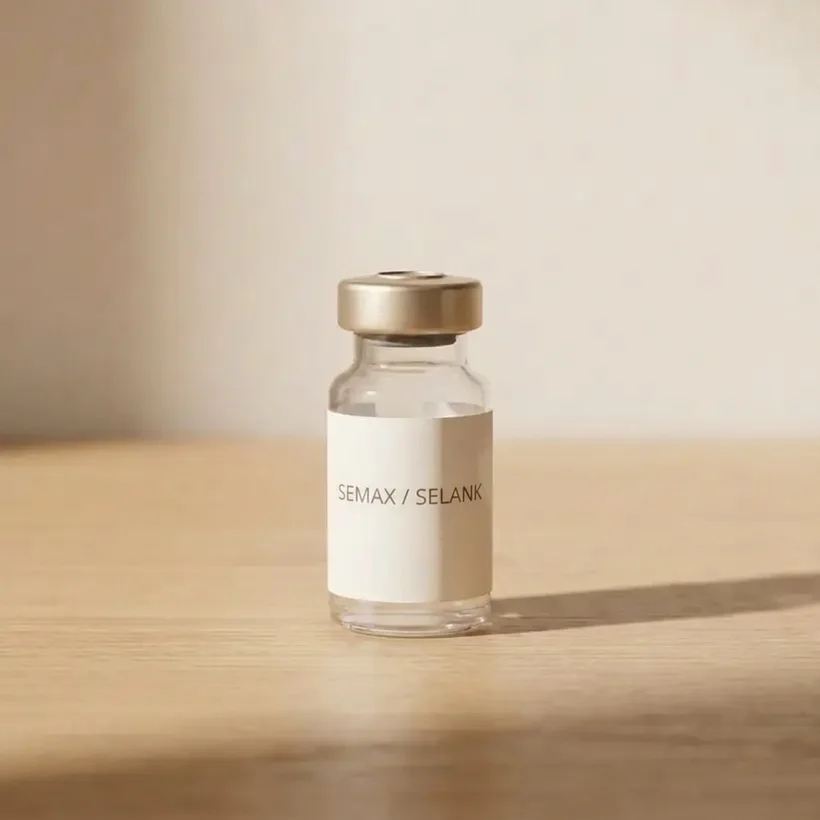
Strategic peptide combinations can enhance cognitive benefits while addressing multiple aspects of brain health simultaneously. Popular evidence-based stacking protocols include combining Noopept with BPC-157 for enhanced memory formation alongside neuroprotective benefits. The combination of Semax and Selank provides comprehensive stress resilience with balanced cognitive enhancement, though both require intranasal administration.
For individuals seeking maximum neuroplasticity enhancement, combining P21 with NSI-189 may provide synergistic neurogenesis promotion, though this combination requires careful medical supervision due to limited interaction data. Stacking protocols typically involve reduced doses of each compound compared to monotherapy, with careful monitoring for additive effects or unexpected interactions.
Safety considerations become paramount when combining peptides, particularly those affecting similar neurotransmitter systems or requiring injection administration. Always consult with a qualified physician before implementing combination protocols, and consider starting with single peptides to establish individual tolerance before adding additional compounds.
Results vary significantly by peptide type and individual response patterns. Noopept typically produces noticeable effects within 15-30 minutes of administration, while peptides like P21 and NSI-189 may require 2-4 weeks for full benefits to develop. Neurogenic compounds generally show progressive improvements over 4-8 weeks as new neural connections form and strengthen.
Safety profiles vary considerably among different peptides, with compounds like Noopept and Cerebrolysin having extensive long-term safety data, while newer peptides like Dihexa have limited human studies. Most peptides require cycling protocols to prevent tolerance development and maintain efficacy. Always work with a qualified physician to develop appropriate long-term treatment protocols.
Regulatory status varies by peptide and jurisdiction. Some compounds like Cerebrolysin require prescription administration in clinical settings, while others may be available through compounding pharmacies or research suppliers. Working with a licensed physician ensures access to pharmaceutical-grade preparations with proper medical oversight.
Yes, peptides can interact with various medications, particularly those affecting neurotransmitter systems. Noopept may interact with GABA-modulating drugs, while Selank can affect the efficacy of traditional anxiolytics. Always disclose all medications and supplements to your physician before starting peptide therapy to identify potential interactions.
Side effects vary by compound but generally remain mild with proper dosing. Common effects include headaches (particularly with cholinergic peptides), nasal irritation (with intranasal formulations), and injection site reactions (with subcutaneous administration). Serious adverse effects are rare but may include mood changes, sleep disturbances, or allergic reactions in sensitive individuals.
Objective measures include improved performance on cognitive tests, enhanced memory recall, increased focus duration, and better stress resilience. Subjective improvements may include clearer thinking, improved mood, and enhanced learning capacity. Consider keeping a daily log of cognitive performance and mood to track subtle improvements over time.
Cognitive enhancement peptides offer promising approaches to optimize brain function, but selecting the right therapy requires professional medical guidance. Our experienced clinical team can help you manage the complex field of peptide therapies to find the most appropriate treatment for your specific needs and goals.
Schedule your free physician assessment to discuss cognitive enhancement options, evaluate your candidacy for peptide therapy, and develop a personalized treatment protocol. Our comprehensive approach includes detailed medical history review, goal assessment, and ongoing monitoring to ensure safe and effective outcomes.
This article is for educational purposes only and does not constitute medical advice. The information presented should not be used to diagnose, treat, cure, or prevent any disease. Cognitive enhancement peptides may cause side effects and can interact with other medications. Individual results may vary significantly based on health status, genetics, and other factors. Always consult with a qualified healthcare provider before starting any peptide therapy or making changes to existing treatments. The FDA has not evaluated statements regarding peptide therapies for cognitive enhancement, and these products are not intended to diagnose, treat, cure, or prevent any disease.
This article is for informational purposes only and does not constitute medical advice, diagnosis, or treatment. The information provided has been reviewed by licensed healthcare professionals but should not replace a consultation with your physician. Individual results vary. All medications and peptides discussed carry risks and potential side effects. Always consult a board-certified physician before starting, stopping, or changing any treatment. FormBlends provides physician-supervised telehealth services; all prescriptions require physician approval based on individual medical evaluation.
Medical Disclaimer: This content is for informational purposes only and does not constitute medical advice. Always consult a qualified healthcare provider before starting, stopping, or changing any medication or treatment. FormBlends articles are reviewed by licensed physicians but are not a substitute for a personal medical consultation.
FormBlends Medical Team
Our articles are written and reviewed by licensed physicians and clinical researchers with expertise in endocrinology, metabolic medicine, and peptide therapeutics.
Ready to get started?
Physician-supervised GLP-1 and peptide therapy, delivered to your door.
Start Your ConsultationBest Peptides for Healing and Recovery. Evidence-based rankings and comparisons from Form Blends. Physician-reviewed guide to help you make informed decisions.
Peptide TherapyBest Peptides for Muscle Growth. Evidence-based rankings and comparisons from Form Blends. Physician-reviewed guide to help you make informed decisions.
Peptide TherapyBest Peptides for Fat Loss. Evidence-based rankings and comparisons from Form Blends. Physician-reviewed guide to help you make informed decisions.
Peptide TherapyBest Peptides for Anti-aging. Evidence-based rankings and comparisons from Form Blends. Physician-reviewed guide to help you make informed decisions.
Peptide TherapyBest Peptides for Cognitive Function. Evidence-based rankings and comparisons from Form Blends. Physician-reviewed guide to help you make informed decisions.
Peptide TherapyBest Peptides for Sleep. Evidence-based rankings and comparisons from Form Blends. Physician-reviewed guide to help you make informed decisions.
GLP-1 & Peptide Expert
Hi! I'm your GLP-1 & peptide expert.
Ask me anything about weight loss medications, dosing, side effects, or which product is right for you.