Key Takeaway
thorough BPC-157 research review covering published studies, key findings on tissue repair, organ protection, and what the science says about this peptide's therapeutic potential.
A thorough BPC-157 research review reveals over a hundred published studies demonstrating the peptide's remarkable tissue-healing, anti-inflammatory, and organ-protective properties across multiple body systems in preclinical models. While human clinical trials remain limited, the breadth and consistency of the preclinical data have made BPC-157 one of the most studied regenerative peptides in the literature.
Overview of BPC-157 Research
BPC-157, or Body Protection Compound-157, was first isolated from human gastric juice and has been the subject of scientific investigation since the early 1990s. The bulk of this research has been conducted by a team led by Professor Predrag Sikiric at the University of Zagreb in Croatia, though other research groups have increasingly contributed to the body of evidence.
What makes BPC-157 unusual among peptides is the sheer breadth of its studied effects. Most peptides have a narrow range of action, but BPC-157 has demonstrated beneficial effects across musculoskeletal, gastrointestinal, cardiovascular, and neurological systems. This has led some researchers to describe it as having a "systemic healing" profile.
Key Areas of Research
Gastrointestinal Healing
Given that BPC-157 originates from gastric juice, it's fitting that some of the strongest research involves the digestive system.
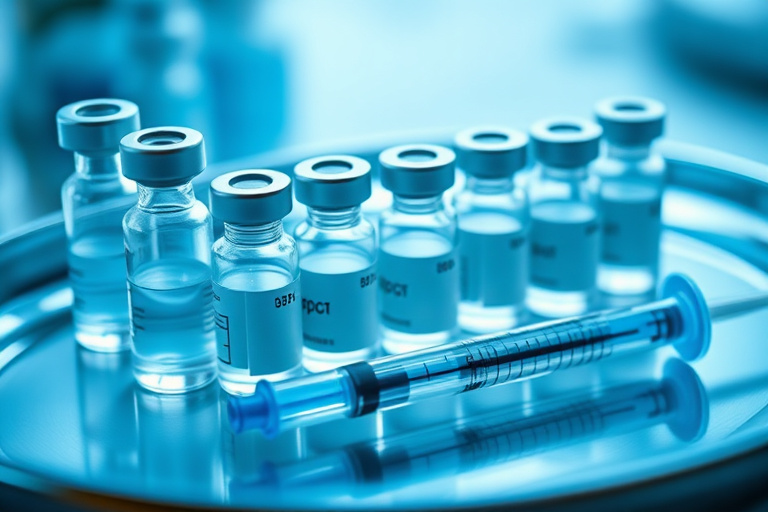
- Gastric ulcers: Multiple studies show BPC-157 accelerates the healing of experimentally induced gastric ulcers in rats. In direct comparisons, BPC-157 outperformed standard anti-ulcer medications including ranitidine and omeprazole
- Inflammatory bowel disease: BPC-157 reduced inflammation and improved tissue integrity in animal models of colitis, showing both preventive and therapeutic effects
- NSAID-induced damage: BPC-157 counteracted the gastrointestinal damage caused by non-steroidal anti-inflammatory drugs, a common real-world clinical problem
- Intestinal anastomosis: In surgical models, BPC-157 improved the healing of intestinal connections (anastomoses), suggesting potential applications in post-operative care
Tendon and Ligament Repair
The musculoskeletal research on BPC-157 is among the most frequently cited by clinicians.
- Achilles tendon: BPC-157 significantly accelerated the healing of transected Achilles tendons in rat models. Treated animals showed improved biomechanical properties (strength and elasticity) compared to controls
- Quadriceps tendon: Similar results were observed in quadriceps tendon injury models, with BPC-157-treated animals showing faster functional recovery
- Medial collateral ligament: BPC-157 enhanced ligament healing, with histological analysis showing better collagen organization and tissue quality in treated animals
Muscle Healing
- Crush injuries: BPC-157 improved recovery after experimentally induced muscle crush injuries, accelerating the formation of new muscle fibers
- Denervation atrophy: The peptide showed protective effects against muscle wasting caused by nerve damage, suggesting benefits beyond simple tissue repair
Bone Healing
Emerging research indicates BPC-157 may support fracture healing by promoting osteoblast (bone-building cell) activity and improving bone mineral density at fracture sites.
Neuroprotection
Some of the most intriguing BPC-157 research involves the nervous system:
- Peripheral nerve injury: BPC-157 accelerated the regrowth of transected peripheral nerves in rat models, with treated animals regaining motor function faster than controls
- Traumatic brain injury: Animal studies suggest BPC-157 may reduce brain damage and improve recovery after traumatic brain injury
- Dopamine system: BPC-157 has demonstrated interactions with the dopaminergic system, potentially influencing mood, motivation, and neurological function
- Serotonin system: Similar interactions with the serotonergic system have been observed, expanding the peptide's potential neurological applications
Cardiovascular Effects
- Blood vessel formation: BPC-157 promotes angiogenesis (new blood vessel growth), which is fundamental to tissue repair across all systems
- Blood pressure regulation: In models of hypertension and hypotension, BPC-157 demonstrated a normalizing effect on blood pressure, pushing readings toward baseline rather than in a single direction
- Heart damage protection: BPC-157 showed cardioprotective effects in models of drug-induced heart damage
Organ Protection
BPC-157 has demonstrated protective effects for multiple organs:
- Liver: Protection against various hepatotoxins (liver-damaging agents) including alcohol, NSAIDs, and specific experimental toxins
- Kidneys: Protective effects in models of kidney damage
- Pancreas: Reduced damage in models of pancreatitis
Mechanism of Action Research
Knowing how BPC-157 produces its effects has been a focus of ongoing research. Several key mechanisms have been identified:

From the FormBlends catalog
BPC-157
The body protection compound for accelerated healing · From $169/mo · compounded by a licensed 503A pharmacy, dispensed only after provider review.
View BPC-157 →| Mechanism | Description | Key Studies |
|---|---|---|
| Nitric oxide (NO) system | BPC-157 modulates NO production, influencing blood flow and tissue protection | Multiple studies showing NO-dependent effects |
| Growth factor upregulation | Increases expression of VEGF, EGF, and other growth factors | Angiogenesis and tissue repair studies |
| FAK-paxillin pathway | Activates cellular signaling pathways involved in cell migration and wound healing | Tendon fibroblast studies |
| Anti-inflammatory cytokine modulation | Reduces pro-inflammatory cytokines while supporting anti-inflammatory responses | Colitis and inflammation models |
| Dopamine/serotonin interaction | Influences neurotransmitter systems involved in mood and neurological function | Neurological studies |
Research Limitations
While the body of BPC-157 research is extensive, it's important to acknowledge its limitations:
- Predominantly animal studies: The vast majority of published BPC-157 research has been conducted in rodent models. While these models provide valuable insights, they don't always translate directly to human outcomes
- Limited human clinical trials: As of this writing, formal randomized controlled trials in humans are scarce. The clinical evidence is largely derived from observational data and practitioner reports
- Concentrated research group: A significant portion of BPC-157 research has come from a single research group in Croatia. While their work has been published in peer-reviewed journals, independent replication by other groups would strengthen the evidence base
- Publication bias: As with any research area, there may be a tendency to publish positive findings more readily than null or negative results
- Dosing extrapolation: Translating effective doses from animal studies to human use involves uncertainty, as metabolic rates, body composition, and pharmacokinetics differ between species
Safety Data from Research
One consistent finding across BPC-157 studies is its favorable safety profile:
- No lethal dose (LD50) has been established in animal testing, meaning researchers haven't been able to determine a dose that causes mortality
- No significant organ toxicity has been reported even at doses far exceeding therapeutic ranges
- No tumor promotion or growth acceleration has been observed in the studies conducted to date
- No significant hormonal disruption has been documented
For a thorough look at safety considerations, see our BPC-157 safety profile guide.
Emerging Research Areas
Several newer lines of BPC-157 research show promise:
- Alcohol and drug damage: BPC-157 has shown protective effects against organ damage caused by alcohol and certain drugs, which could have implications for supporting individuals in recovery
- Periodontal healing: Early studies suggest benefits for gum tissue repair
- Corneal healing: BPC-157 may accelerate corneal wound healing, a potential application in ophthalmology
- Combination therapy: Research into BPC-157 combined with other peptides, particularly TB-500, is generating interest in combined healing protocols
Frequently Asked Questions
Is BPC-157 FDA approved?
No. BPC-157 hasn't been approved by the FDA for any specific medical condition. It's currently used in research settings and through physician-supervised wellness platforms. The lack of FDA approval doesn't mean the peptide is unsafe. it means it hasn't completed the formal drug approval process, which requires extensive and expensive human clinical trials.
How reliable is the BPC-157 research?
The published research is generally of acceptable quality and has appeared in peer-reviewed journals. But the reliance on animal models, the concentration of research within a single group, and the limited human data are legitimate considerations. The evidence supports cautious optimism, not certainty.
Are there any human clinical trials planned?
Several groups have expressed interest in conducting human clinical trials for BPC-157, particularly for tendon repair and gastrointestinal conditions. As regulatory frameworks for peptide therapies evolve, more formal clinical research is expected.
What makes BPC-157 different from other healing peptides?
BPC-157 is unique in several ways: its origin from human gastric juice, its stability in stomach acid (allowing oral administration), its multi-system effects, and its remarkably clean safety profile. Most other peptides have narrower ranges of action and require injection as their only viable route.
Medical References
- Sikiric P, Hahm KB, Blagaic AB, et al. Stable Gastric Pentadecapeptide BPC 157, Robert's cytoprotection, and Selye's stress-coping response. Curr Pharm Des. 2018;24(18):2030-2049. [PubMed | DOI]
Evidence-Based Peptide Therapy at FormBlends
At FormBlends, we take the science of peptide therapy seriously. Our physicians stay current with the latest BPC-157 research and use evidence-based protocols to guide your treatment. Through our telehealth platform, you get access to medical professionals who can explain the research, answer your questions, and design a peptide protocol grounded in the best available evidence. If you're interested in BPC-157 therapy backed by physician supervision and scientific rigor, schedule your consultation with FormBlends today.
Ready when you are
BPC-157
The body protection compound for accelerated healing · From $169/mo · compounded by a licensed 503A pharmacy, dispensed only after provider review.
View BPC-157 →