Key Takeaway
Can CJC-1295 help with inflammation? Learn how growth hormone improvement through this GHRH peptide may support anti-inflammatory pathways and reduce chronic inflammation.
Quick Answer: CJC-1295 for inflammation works indirectly by raising growth hormone and IGF-1 levels, both of which have documented anti-inflammatory and immunomodulatory properties. While CJC-1295 hasn't been studied specifically as an anti-inflammatory agent, growth hormone improvement may help reduce chronic low-grade inflammation that contributes to joint pain, fatigue, slow recovery, and accelerated aging.
What Is CJC-1295?
CJC-1295 is a 30-amino-acid synthetic peptide that mimics growth hormone-releasing hormone (GHRH). By binding to GHRH receptors on the pituitary gland, it stimulates the natural production and release of growth hormone (GH). This GH then triggers the liver to produce IGF-1 (insulin-like growth factor 1), the molecule responsible for many of GH's downstream effects throughout the body.
CJC-1295 is available with DAC (Drug Affinity Complex) for extended action or without DAC (Mod GRF 1-29) for shorter-duration pulses. Both forms are widely used in clinical peptide therapy for growth hormone improvement.
How Chronic Inflammation
Inflammation is a normal and necessary immune response. Acute inflammation, the kind that helps heal a cut or fight an infection, is protective and self-limiting. The problem arises when inflammation becomes chronic: a persistent, low-grade inflammatory state that damages tissues over time rather than protecting them.

Chronic inflammation contributes to many health issues:
- Joint pain and stiffness
- Cardiovascular disease
- Metabolic dysfunction and insulin resistance
- Neurodegenerative conditions
- Accelerated cellular aging
- Persistent fatigue and brain fog
Markers of chronic inflammation include improved C-reactive protein (CRP), interleukin-6 (IL-6), and tumor necrosis factor-alpha (TNF-alpha). Many adults with symptoms of aging, including those seeking peptide therapy, have mildly improved inflammatory markers even without a diagnosed inflammatory condition.
How Growth Hormone and IGF-1 Influence Inflammation
GH and Immune Regulation
Growth hormone receptors are expressed on immune cells, including macrophages, lymphocytes, and neutrophils. GH plays a regulatory role in immune function, helping to balance the pro-inflammatory and anti-inflammatory arms of the immune response.
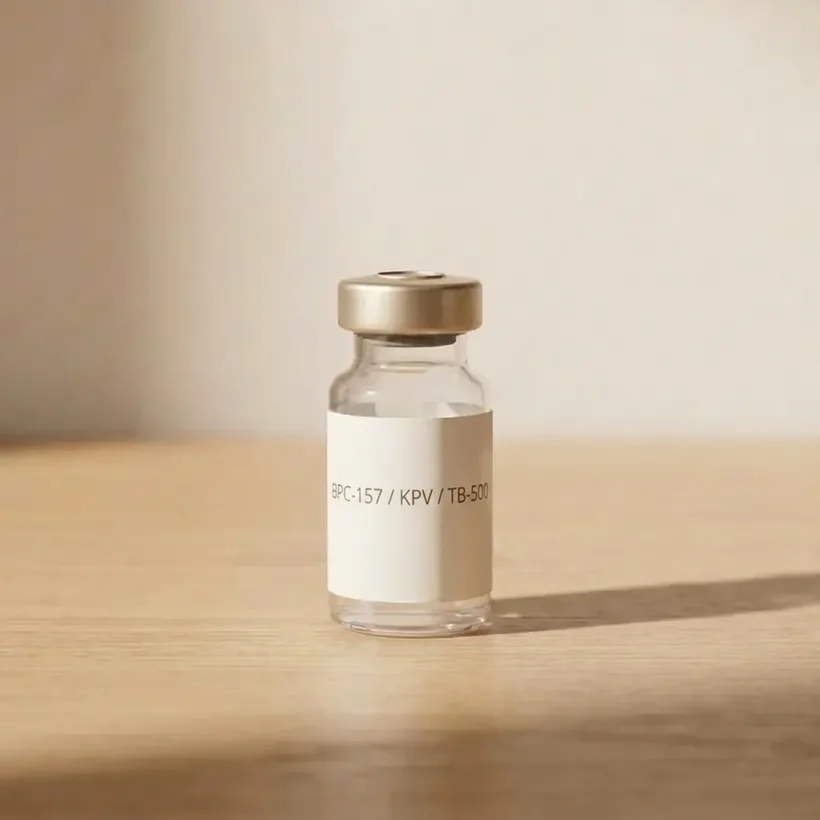
From the FormBlends catalog
BPC-157 / KPV / TB-500 Blend
Three-pathway recovery support in one peptide blend · From $279/mo · compounded by a licensed 503A pharmacy, dispensed only after provider review.
View BPC-157 / KPV / TB-500 Blend →In states of growth hormone deficiency, patients often show improved inflammatory markers. When GH levels are restored through replacement therapy, these markers frequently improve. This suggests that adequate GH is part of the body's system for keeping inflammation in check.
IGF-1's Anti-Inflammatory Actions
IGF-1 has been shown to exert direct anti-inflammatory effects in multiple tissue types. Research demonstrates that IGF-1 can:
- Reduce the production of pro-inflammatory cytokines like TNF-alpha and IL-6
- Promote the activity of anti-inflammatory mediators
- Support tissue repair processes that resolve inflammation rather than perpetuating it
- Protect cells from oxidative stress, which both causes and results from inflammation
By raising IGF-1 levels through natural GH stimulation, CJC-1295 may support these anti-inflammatory pathways without suppressing the immune system the way corticosteroids or other immunosuppressive drugs do.
Sleep, Recovery, and Inflammation
Poor sleep is a known driver of inflammation. Sleep deprivation increases inflammatory markers, while restorative deep sleep supports inflammatory resolution. CJC-1295's well-documented ability to improve sleep quality (see our CJC-1295 for sleep guide) provides an additional pathway through which it may help reduce chronic inflammation.
Dosing and Administration
There's no specific anti-inflammatory dosing protocol for CJC-1295. Standard GH improvement doses are used, with the understanding that anti-inflammatory benefits may develop as GH and IGF-1 levels improve:
- CJC-1295 with DAC: 1 to 2 mg subcutaneously once or twice per week.
- CJC-1295 without DAC (Mod GRF 1-29): 100 to 300 mcg subcutaneously 1 to 3 times daily.
- Combined with ipamorelin: Frequently used together for combined GH release.
Your physician will determine the appropriate dose based on your lab work, symptoms, and treatment goals. For complete dosing information, see our CJC-1295 dosage guide.
Benefits and Expected Results
Anti-inflammatory benefits from CJC-1295 therapy develop gradually as GH and IGF-1 levels improve:
- Week 1 to 4: Improved sleep quality, which begins to reduce one driver of inflammation. Some patients report reduced morning stiffness.
- Month 1 to 2: Patients with joint discomfort or general achiness may notice gradual improvement. Recovery from exercise or physical activity may improve.
- Month 2 to 4: More noticeable reductions in inflammatory symptoms. Patients with baseline improved CRP or other inflammatory markers may see improvements on follow-up blood work.
- Month 4 to 6: Full anti-inflammatory effects of GH improvement are typically established. Sustained improvements in joint comfort, energy levels, and recovery capacity.
CJC-1295 isn't a replacement for anti-inflammatory medications in patients with diagnosed inflammatory conditions. It may, however, serve as a complementary strategy that addresses the hormonal component of chronic inflammation.
Side Effects and Safety
CJC-1295 is generally well-tolerated. Common side effects are mild:
- Injection site reactions
- Mild headache
- Facial flushing
- Temporary water retention
- Occasional tingling in extremities
An important consideration: while GH has anti-inflammatory properties at physiologic levels, supraphysiologic GH levels (hormone excess) can actually promote inflammation. This is why physician-supervised dosing and regular IGF-1 monitoring are important. The goal is improvement, not maximization.
Contraindications include active cancer, pregnancy, breastfeeding, and known hypersensitivity. See our CJC-1295 side effects guide for full safety details.
Who Is a Good Candidate?
CJC-1295 for inflammation-related benefits may be a good fit for:
- Adults with chronic low-grade inflammation (improved CRP, persistent joint discomfort, slow recovery) alongside other signs of GH decline
- Individuals who want to address inflammation through hormonal improvement rather than long-term NSAID or corticosteroid use
- Patients whose inflammatory symptoms are accompanied by poor sleep, fatigue, and body composition changes suggestive of GH insufficiency
- Those looking for a thorough approach that addresses multiple aspects of aging, with inflammation reduction as one component
CJC-1295 isn't appropriate for acute inflammatory conditions, autoimmune flares, or infections. These require specific medical treatment rather than hormone improvement.
Frequently Asked Questions
Is CJC-1295 an anti-inflammatory drug?
No. CJC-1295 is a growth hormone-releasing peptide, not an anti-inflammatory medication. Its potential anti-inflammatory effects are secondary to its primary action of improving GH and IGF-1 levels. It shouldn't replace prescribed anti-inflammatory treatments.
Can CJC-1295 help with arthritis?
GH and IGF-1 support joint health through cartilage maintenance and anti-inflammatory signaling. Some patients with osteoarthritis-related discomfort report improvements during GH improvement therapy. But CJC-1295 isn't a treatment for arthritis, and patients with inflammatory arthritis (such as rheumatoid arthritis) should work with a rheumatologist.
How do I know if inflammation is contributing to my symptoms?
Blood work measuring CRP, ESR, and inflammatory cytokines can help identify chronic inflammation. Many of the symptoms associated with GH decline (fatigue, brain fog, joint pain, slow recovery) overlap with symptoms of chronic inflammation, which is one reason these issues often respond to the same interventions.
Can I take CJC-1295 with anti-inflammatory supplements like turmeric or omega-3s?
Many physicians support combining CJC-1295 with anti-inflammatory nutrition and supplementation. These approaches work through different pathways and may complement each other. Always discuss your full supplement regimen with your prescribing physician.
Address Inflammation Through Physician-Supervised Peptide Therapy
Chronic inflammation affects your energy, joints, brain, and long-term health. FormBlends can help you determine whether growth hormone improvement is part of the solution. Our physicians evaluate your inflammatory markers and hormone levels to create a personalized approach.
Disclaimer: This article is for informational purposes only and doesn't constitute medical advice. CJC-1295 isn't FDA-approved for inflammation or any medical condition. The information presented is based on growth hormone and IGF-1 research, not direct clinical trials on CJC-1295 as an anti-inflammatory agent. Always consult with a licensed healthcare provider before beginning any peptide therapy. Individual results may vary. FormBlends doesn't claim that CJC-1295 cures, treats, or prevents any disease.
Ready when you are
BPC-157 / KPV / TB-500 Blend
Three-pathway recovery support in one peptide blend · From $279/mo · compounded by a licensed 503A pharmacy, dispensed only after provider review.
View BPC-157 / KPV / TB-500 Blend →