Key Takeaway
How TB-500 fights inflammation at the cellular level. Learn about this peptide's anti-inflammatory mechanisms, dosing for inflammatory conditions, and what the research shows.
TB-500 for inflammation works by modulating the body's inflammatory response at the cellular level, reducing pro-inflammatory cytokines while promoting tissue repair, making it a fundamentally different approach than conventional anti-inflammatory medications that simply suppress symptoms. This dual action of calming inflammation while actively repairing damaged tissue is what sets TB-500 apart.
How Inflammation
Inflammation is the body's natural response to injury, infection, or cellular stress. In the short term, acute inflammation is important for healing. It brings immune cells, nutrients, and repair factors to the affected area. But when inflammation becomes chronic, persisting for weeks, months, or years, it transitions from a healing response to a destructive one.
Chronic inflammation is implicated in many health conditions:
- Joint pain and arthritis
- Cardiovascular disease
- Neurodegenerative conditions
- Autoimmune disorders
- Chronic pain syndromes
- Gut disorders
- Metabolic dysfunction
- Accelerated aging
What Is TB-500?
TB-500 is a synthetic peptide that replicates the active region of Thymosin Beta-4, a naturally occurring 43-amino-acid protein present in virtually all human cells. Thymosin Beta-4 was first identified for its role in thymus gland function and immune regulation, but subsequent research revealed its broad involvement in tissue repair, inflammation modulation, and cellular protection.

How TB-500 Fights Inflammation
Cytokine Modulation
TB-500 directly influences the production and release of inflammatory signaling molecules known as cytokines. Research has shown that Thymosin Beta-4 reduces levels of pro-inflammatory cytokines including:
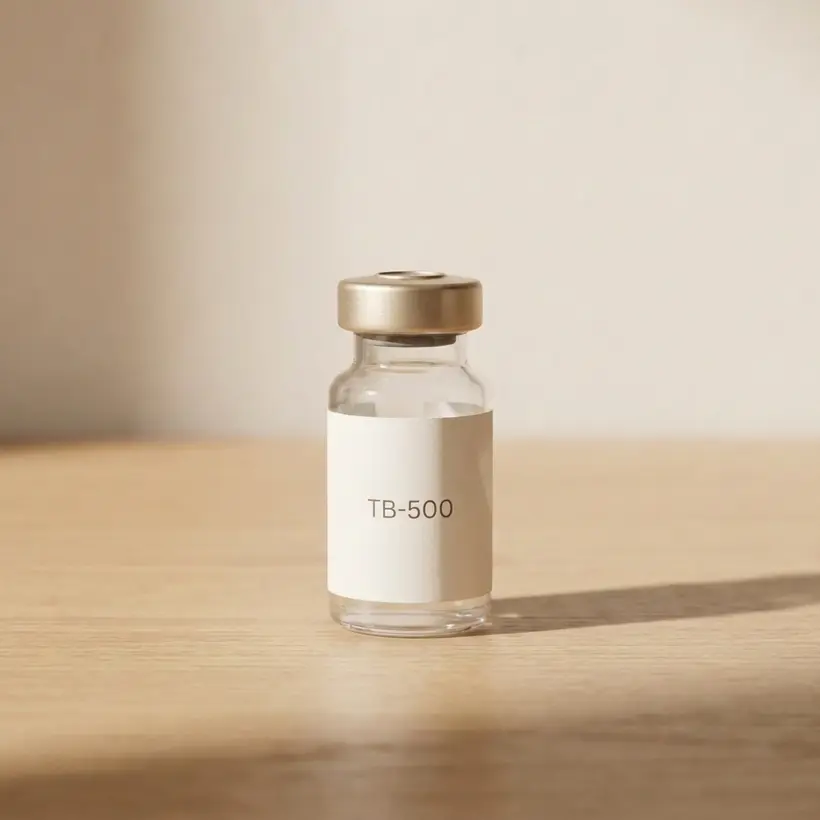
From the FormBlends catalog
TB-500 (Thymosin Beta-4)
Universal repair peptide for tissue regeneration · From $49/mo · compounded by a licensed 503A pharmacy, dispensed only after provider review.
Learn about TB-500 (Thymosin Beta-4) →- TNF-alpha: A major driver of systemic inflammation and tissue damage
- IL-1 beta: Promotes fever, inflammation, and immune cell activation
- IL-6: improved in chronic inflammatory conditions and associated with pain and fatigue
- NF-kB pathway: TB-500 appears to modulate the NF-kB signaling cascade, a master regulator of inflammatory gene expression
At the same time, TB-500 may support the production of anti-inflammatory cytokines like IL-10, helping to shift the balance from a pro-inflammatory state toward resolution.
Macrophage Polarization
Macrophages are immune cells that play a central role in inflammation. They exist in two primary states: M1 (pro-inflammatory, tissue-destructive) and M2 (anti-inflammatory, tissue-repairing). Research suggests that Thymosin Beta-4 promotes the shift from M1 to M2 macrophage polarization, effectively transitioning the immune response from one of destruction to one of repair.
Oxidative Stress Reduction
Chronic inflammation is closely linked to oxidative stress, where an excess of reactive oxygen species damages cells and tissues. TB-500 has demonstrated antioxidant properties that help neutralize this oxidative burden, further supporting its anti-inflammatory effects.
Tissue Repair as Anti-Inflammatory Strategy
Perhaps the most distinctive aspect of TB-500's approach to inflammation is that it doesn't just suppress the inflammatory response. It actively repairs the damaged tissue that's driving the inflammation in the first place. By promoting angiogenesis (new blood vessel formation), collagen deposition, and cellular migration to injured areas, TB-500 addresses the root cause rather than just the symptoms.
TB-500 vs Conventional Anti-Inflammatory Options
| Factor | TB-500 | NSAIDs (Ibuprofen, etc.) | Corticosteroids |
|---|---|---|---|
| Mechanism | Cytokine modulation + tissue repair | COX enzyme inhibition | Broad immune suppression |
| Repairs underlying damage | Yes | No (may impair healing) | No (may weaken tissue) |
| GI side effects | Minimal | Significant (ulcers, bleeding) | Moderate |
| Long-term use concerns | Limited data, cycling recommended | Kidney, liver, cardiovascular risks | Bone loss, adrenal suppression, metabolic effects |
| Onset of action | Gradual (days to weeks) | Rapid (hours) | Rapid (hours to days) |
| Duration of benefit | May persist after stopping | Only while taking | Only while taking |
Conditions Where TB-500 May Help Inflammation
Joint Inflammation and Arthritis
TB-500's combination of anti-inflammatory and tissue-repair properties makes it particularly relevant for joint conditions. By reducing inflammation within the joint capsule while supporting cartilage and synovial tissue repair, TB-500 may address both the symptoms and underlying pathology of inflammatory joint conditions.
Post-Injury Inflammation
After an acute injury (muscle tear, tendon strain, ligament sprain), inflammation is initially beneficial but can become excessive and prolonged, delaying recovery. TB-500 may help regulate this post-injury inflammatory response, keeping it productive rather than destructive. See our guides on TB-500 for tendon repair and TB-500 for wound healing for condition-specific information.
Chronic Systemic Inflammation
For individuals dealing with low-grade, widespread inflammation (often indicated by improved CRP, ESR, or inflammatory markers on blood work), TB-500's systemic anti-inflammatory properties may help lower the overall inflammatory burden.
Neuroinflammation
Inflammation in the nervous system is a driver of cognitive issues, mood disturbances, and neurodegenerative processes. TB-500's neuroprotective and anti-inflammatory properties extend to neural tissue. See our TB-500 for brain fog guide for more on this topic.
Dosing TB-500 for Inflammatory Conditions
Standard Protocol
- Loading phase (weeks 1-4): 2-2.5 mg subcutaneously, twice per week
- Maintenance phase (weeks 5-8+): 2 mg once per week
- Cycle length: 8-12 weeks followed by 4-6 weeks rest
For Severe Inflammation
In cases of significant chronic inflammation, physicians may extend the loading phase or maintain the twice-weekly dosing for a longer period. This should only be done under medical supervision.
Monitoring Inflammation
Blood work can help track inflammatory markers before, during, and after TB-500 therapy. Key markers to monitor include:
- C-reactive protein (CRP)
- Erythrocyte sedimentation rate (ESR)
- IL-6 (if available)
- TNF-alpha (if available)
Combining TB-500 with Other Anti-Inflammatory Strategies
- BPC-157: Combining TB-500 with BPC-157 is one of the most popular peptide stacks for thorough tissue repair and inflammation reduction
- Anti-inflammatory diet: Mediterranean-style eating patterns rich in omega-3 fatty acids, vegetables, and polyphenols complement TB-500's mechanisms
- Omega-3 supplementation: EPA and DHA support the production of specialized pro-resolving mediators that help resolve inflammation
- Regular movement: Moderate exercise has anti-inflammatory effects that synergize with TB-500
- Stress reduction: Chronic psychological stress drives inflammation through cortisol dysregulation
Research Highlights
- Thymosin Beta-4 reduced inflammation and improved outcomes in animal models of myocardial infarction (heart attack), with reduced scarring and better cardiac function
- In corneal injury models, Thymosin Beta-4 significantly reduced inflammatory markers while accelerating tissue repair
- Traumatic brain injury studies showed reduced neuroinflammation and improved cognitive recovery with Thymosin Beta-4 treatment
- In models of peritonitis (abdominal inflammation), Thymosin Beta-4 reduced the inflammatory response and improved survival rates
Frequently Asked Questions
Can TB-500 replace my anti-inflammatory medications?
Don't stop any prescribed medication without consulting your physician. TB-500 may complement your existing treatment, and your physician may consider adjusting other medications as your inflammatory markers improve, but this should always be a medical decision.
How quickly does TB-500 reduce inflammation?
Unlike NSAIDs that provide rapid symptomatic relief, TB-500's anti-inflammatory effects build over days to weeks. Most users notice meaningful improvement in inflammatory symptoms by weeks 2-4 of the loading phase. The benefit is that TB-500 addresses underlying tissue damage, not just symptoms.
Is TB-500 safe for autoimmune inflammation?
This is an area that requires careful physician evaluation. While TB-500's anti-inflammatory properties could theoretically benefit autoimmune conditions, its immune-modulating effects need to be considered in the context of your specific condition and medications. Discuss this with your physician before starting.
Can I use TB-500 long-term for chronic inflammation?
We recommend cycling TB-500 (8-12 weeks on, 4-6 weeks off) rather than continuous use. Many people find that the anti-inflammatory benefits persist during rest periods, reducing the need for continuous treatment. See our TB-500 cycling protocol guide for details.
Medical References
- Goldstein AL, Hannappel E, Sosne G, Kleinman HK. Thymosin beta4: a multi-functional regenerative peptide. Basic properties and clinical applications. Expert Opin Biol Ther. 2012;12(1):37-51. [PubMed | DOI]
Fight Inflammation Smarter with FormBlends
Chronic inflammation requires a thoughtful, multi-faceted approach. At FormBlends, our physician-supervised telehealth platform helps you access TB-500 and other peptide therapies as part of a personalized anti-inflammatory strategy. Our physicians can evaluate your inflammatory markers, design an appropriate protocol, and monitor your progress. Connect with a FormBlends physician today to take control of your inflammation.
Ready when you are
TB-500 (Thymosin Beta-4)
Universal repair peptide for tissue regeneration · From $49/mo · compounded by a licensed 503A pharmacy, dispensed only after provider review.
Learn about TB-500 (Thymosin Beta-4) →