All GLP-1 medications from licensed 503A compounding pharmacies Browse Products

CJC-1295/Ipamorelin For Joint Pain: Complete Guide

How CJC-1295/Ipamorelin supports joint health through GH-mediated collagen synthesis, cartilage maintenance, and synovial fluid production. Evidence...

By Emily Rodriguez, RDN, CSSD|Reviewed by Dr. David Kim, MD, FACE||

Medically Reviewed

Written by Emily Rodriguez, RDN, CSSD · Reviewed by Dr. David Kim, MD, FACE

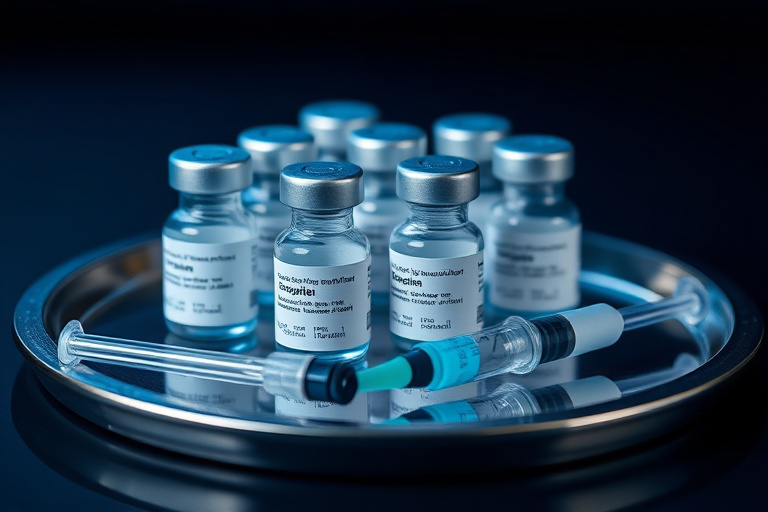
CJC-1295/Ipamorelin For Joint Pain: Complete Guide custom 2026 header image for Peptide Therapy
Custom header image for CJC-1295/Ipamorelin For Joint Pain: Complete Guide, Peptide Therapy, and better treatment decision-making.
In This Article

This article is part of our Peptide Therapy collection. See also: GLP-1 Guides | Provider Comparisons

Search and AI answer brief

Practical answer: CJC-1295/Ipamorelin For Joint Pain: Complete Guide

How CJC-1295/Ipamorelin supports joint health through GH-mediated collagen synthesis, cartilage maintenance, and synovial fluid production. Evidence...

Short answer

How CJC-1295/Ipamorelin supports joint health through GH-mediated collagen synthesis, cartilage maintenance, and synovial fluid production. Evidence...

Search intent

This page answers a specific Peptide Therapy question rather than a generic overview.

What to verify

peptide evidence quality, safety and contraindications

How to use it

Use this information to prepare sharper questions for a licensed provider.

Key Takeaway

How CJC-1295/Ipamorelin supports joint health through GH-mediated collagen synthesis, cartilage maintenance, and synovial fluid production. Evidence and alternatives.

Quick Answer: CJC-1295/Ipamorelin for joint pain works through growth hormone and IGF-1's role in collagen synthesis, cartilage maintenance, and synovial fluid production. GH stimulates chondrocyte (cartilage cell) activity and promotes type II collagen production, both important for healthy joints. GH-deficient adults frequently develop joint pain that improves with GH restoration, supporting the relevance of this pathway for joint health .

How GH Supports Joints

  • Collagen synthesis: GH and IGF-1 stimulate production of type II collagen, the primary structural protein in articular cartilage
  • Chondrocyte proliferation: IGF-1 promotes cartilage cell growth and metabolic activity
  • Synovial fluid: GH supports production of synovial fluid that lubricates and nourishes joint surfaces
  • Connective tissue repair: Tendons and ligaments benefit from GH-mediated collagen turnover
  • Anti-inflammatory effects: IGF-1 has documented anti-inflammatory properties in joint tissue

What the Evidence Shows

Clinical data on GH replacement in GH-deficient adults demonstrates improvements in joint-related quality of life measures. A study in the Journal of Clinical Endocrinology and Metabolism found that GH replacement reduced joint pain scores and improved physical function in adults with GH deficiency .
Popular Therapeutic Peptides by Use Case Clinical Interest Score 0 22 44 66 88 88 82 78 75 70 BPC-157 TB-500 Sermorelin Ipamorelin GHK-Cu Based on published peptide research literature
Popular Therapeutic Peptides by Use Case. Based on published peptide research literature.
View data table
Bar chart showing popular therapeutic peptides by use case: BPC-157 (88), TB-500 (82), Sermorelin (78), Ipamorelin (75), GHK-Cu (70)
CategoryClinical Interest ScoreDetail
BPC-15788Tissue repair and gut healing
TB-50082Injury recovery
Sermorelin78Growth hormone support
Ipamorelin75Anti-aging and recovery
GHK-Cu70Skin and tissue repair
Illustration for CJC-1295/Ipamorelin For Joint Pain: Complete Guide

For non-deficient individuals using CJC-1295/Ipamorelin, the evidence is more indirect. The rationale is that improving GH within physiologic ranges supports the same cartilage and connective tissue maintenance pathways.

Comparison to Joint-Specific Peptides

Joint Health Peptide Comparison
PeptideJoint MechanismEvidenceBest For
BPC-157Direct tendon/ligament healing, angiogenesisStrong preclinicalAcute joint/tendon injuries
TB-500Cell migration, tissue remodelingModerate preclinicalChronic joint issues
CJC-1295/IpamorelinCollagen synthesis, cartilage support via GH/IGF-1Indirect clinicalAge-related joint maintenance

For acute injuries, BPC-157 for joint pain is the preferred option. For long-term joint maintenance, CJC-1295/Ipamorelin's systemic GH support plays a valuable role, especially in patients over 40.
Check your GLP-1 eligibility

Use our free BMI Calculator to see if you may qualify for provider-reviewed GLP-1 therapy.

Try the BMI Calculator →

Important Note on GH and Joint Side Effects

Paradoxically, GH can cause temporary joint stiffness and pain as a side effect, particularly when starting therapy or at higher doses. This is due to water retention in joint tissues and is generally mild and self-resolving within 2 to 4 weeks. If persistent, a dose reduction helps .

Frequently Asked Questions

Can CJC-1295/Ipamorelin help with osteoarthritis?

GH and IGF-1 support cartilage maintenance, which is the tissue that degrades in osteoarthritis. While not a cure, improving GH levels may slow cartilage loss and reduce symptoms. More targeted therapies (BPC-157, PRP) address existing cartilage damage more directly.

How long until I notice joint improvement?

Joint tissue repair is slow. Most patients notice improvements over 2 to 4 months of consistent use. Collagen turnover in cartilage is measured in months, not weeks.

Can I combine CJC-1295/Ipamorelin with BPC-157 for joints?

Yes. This combination provides systemic GH support plus targeted joint healing and is a commonly used multi-peptide protocol. Discuss with your physician.

Address Your Joint Pain

At FormBlends, our physicians evaluate your joint concerns and recommend evidence-based peptide protocols tailored to your needs.

Schedule Your Free Consultation

Disclaimer: This article is for informational purposes only and doesn't constitute medical advice. CJC-1295/Ipamorelin isn't FDA-approved for any medical condition. Always consult with a licensed healthcare provider before beginning any peptide therapy. Individual results may vary.

Evidence standard

How this page was source-checked

Editorial policy

FormBlends does not claim an individual clinician byline unless a named reviewer is available. For this page, the editorial team checks medical and regulatory claims against primary sources, clinical trials, public datasets, and regulator guidance.

PubMed evidence trail

Research sources used to frame this page

For CJC-1295/Ipamorelin For Joint Pain: Complete Guide, FormBlends checks the page topic against primary trials, systematic reviews, guidelines, and current PubMed-indexed literature where available. These citations are context, not medical advice, proof of eligibility, or a claim that every study applies to every patient.

Peptide decision path

Move from research interest to supervised review

Direct answer

CJC-1295/Ipamorelin For Joint Pain: Complete Guide should be evaluated through research status, legal access, source quality, safety context, and clinician oversight rather than a shortcut purchase decision.

Evidence check

Useful peptide pages should separate human data, animal research, mechanistic evidence, and marketing claims.

Safety check

Peptides can vary by legal status, compounding pathway, purity testing, patient history, and interaction risk.

Next step

If the topic still fits your goal after reading, the get-started flow should collect the clinical context needed for provider review.

FormBlends Editorial Context

Reviewed May 14, 2026

How CJC-1295/Ipamorelin supports joint health through GH-mediated collagen synthesis, cartilage maintenance, and synovial fluid production. Evidence and alternatives. "CJC-1295/Ipamorelin For Joint Pain: Complete Guide" works best as a practical checklist for the next conversation. It focuses on patient education and clinical context, then narrows the issue through the main claim, safety boundary, and next practical step. With 6 sections, the FAQ can reveal what readers usually miss. Use the page to prepare, then verify the personal medical pieces with a licensed clinician.

  • Confirm whether the page is discussing an FDA-approved use, a compounded option, or research-only context.
  • Ask a licensed clinician how the evidence applies to your health history, medications, labs, and side-effect risk.
  • Check the latest label, trial update, pharmacy policy, or state rule when the article touches medication access.

Original tools and data

Use the FormBlends research stack

These assets are built to be useful beyond a single article: shareable data pages, calculators, provider comparisons, and safety checks that give Google and readers something original to crawl.

Editorial refresh

Practical 2026 note for CJC

CJC now carries extra 2026 context around BPC-157, safety signals, cjc, 1295, ipamorelin, joint, because those are the subtopics readers tend to compare before they trust a medical or wellness recommendation.

Instead of adding filler, this page keeps the named treatment terms, practical verification points, and next-step questions close to cjc 1295 ipamorelin for joint pain complete guide.

Readers should use the section to check current eligibility, pharmacy or provider policies, and safety questions with a licensed professional before acting.

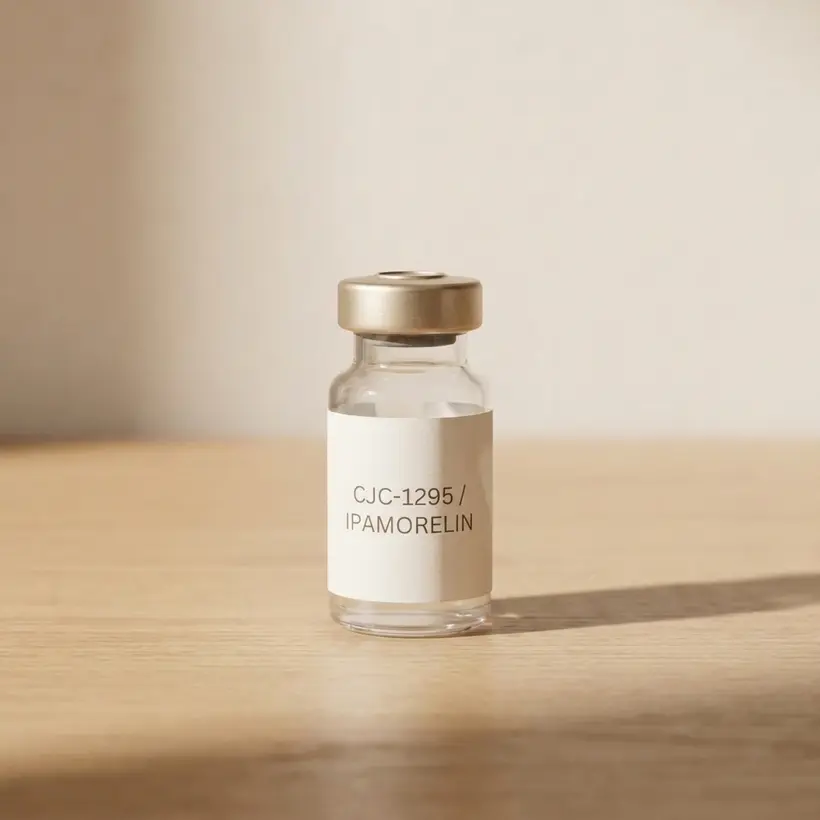
CJC custom 2026 image for peptide therapy on FormBlends

Custom 2026 image for CJC, peptide therapy, and better treatment decision-making.

Image description: Unique image for this page covering CJC, peptide therapy, safety, cost, provider selection, and patient decision-making.

Download the Peptide Quick Reference Card

A printable 2-page reference covering popular peptides, dosing ranges, stacking protocols, and storage.

Free download. We'll also send helpful GLP-1 guides to your inbox. Unsubscribe anytime.

Medical Disclaimer: This content is for informational purposes only and does not constitute medical advice. Always consult a qualified healthcare provider before starting, stopping, or changing any medication or treatment. FormBlends articles are source-checked against medical and regulatory references, but they are not a substitute for a personal medical consultation.

Written by Emily Rodriguez, RDN, CSSD

Registered Dietitian. This article was researched against primary regulatory, trial, prescribing, and manufacturer sources where available. Reviewed by Dr. David Kim, MD, FACE for medical accuracy, sourcing, and patient-safety framing.

Ready to get started?

Provider-reviewed GLP-1 and peptide therapy, delivered to your door.

Start Your Consultation

Ready to Start Your Weight Loss Journey?

Get a free medical consultation with a licensed provider. Compounded GLP-1 medications starting at $99/month with free shipping.

Next Best Reads

Free Tools

Provider-informed calculators to support your weight loss journey.