Key Takeaway
Complete CJC-1295/Ipamorelin storage instructions. Temperature requirements, shelf life, travel tips, and signs of degradation.
Quick Answer: CJC-1295/Ipamorelin storage instructions depend on whether the peptide is reconstituted or unreconstituted. Unreconstituted (lyophilized powder) can be stored at room temperature for weeks or refrigerated for months. Once reconstituted with bacteriostatic water, it must be refrigerated at 36-46 degrees F (2-8 degrees C) and used within 4 to 6 weeks. Never freeze reconstituted peptides. Protect all peptides from direct light and heat .
Storage Requirements by Form
| Form | Temperature | Shelf Life | Key Rules |
|---|---|---|---|
| Lyophilized (powder) | Room temp or refrigerated | 12-24 months (refrigerated) | Keep dry, protect from light |
| Lyophilized (powder) | Room temperature (68-77 F) | 1-3 months | Acceptable for short-term |
| Reconstituted (liquid) | Refrigerated (36-46 F) | 4-6 weeks | Never freeze, minimize light exposure |
| Reconstituted (liquid) | Room temperature | 24-48 hours maximum | Return to fridge ASAP |
Why Storage Matters
Peptides are chains of amino acids held together by chemical bonds that are sensitive to environmental conditions:
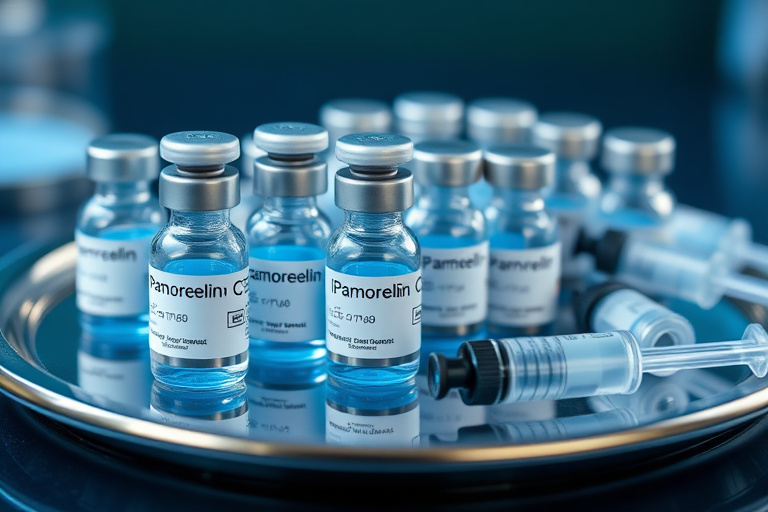
- Heat: Temperatures above 77 degrees F (25 degrees C) accelerate peptide degradation through deamidation and oxidation. Extended heat exposure can destroy the active molecule entirely
- Light: UV radiation and even prolonged visible light exposure can cause photodegradation of certain amino acid residues (particularly tryptophan and tyrosine)
- Freezing (reconstituted): Freezing reconstituted peptides creates ice crystals that can physically damage the peptide structure and cause aggregation upon thawing. Unreconstituted powder can be frozen without damage
- Bacterial contamination: Once reconstituted, the liquid solution can support bacterial growth. Bacteriostatic water's benzyl alcohol inhibits but doesn't eliminate this risk over extended periods
Refrigerator Best Practices
- Location: Store on a middle shelf, not in the door (temperature fluctuates with opening) and not against the back wall (risk of accidental freezing)
- Container: Keep vials in a small opaque container or ziplock bag to protect from light each time the refrigerator door opens
- Orientation: Store vials upright with the rubber stopper facing up to minimize contact between the solution and the rubber seal
- Labeling: Write the reconstitution date on each vial with a permanent marker so you know when the 4-6 week window started
- Separate from food: While sealed vials pose no contamination risk to food, a dedicated section or small container prevents accidental damage
Signs of Degradation
Don't use CJC-1295/Ipamorelin if you notice any of the following:
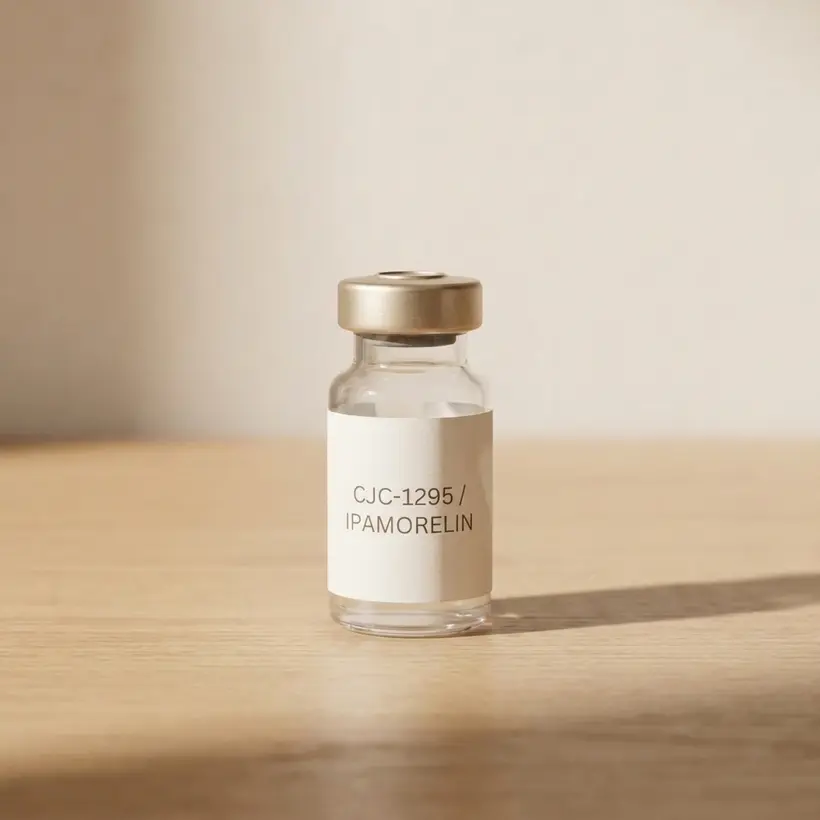
From the FormBlends catalog
CJC-1295 / Ipamorelin Blend
The gold standard growth hormone secretagogue stack · From $69/mo · compounded by a licensed 503A pharmacy, dispensed only after provider review.
Learn about CJC-1295 / Ipamorelin Blend →- Cloudiness: A clear solution turning cloudy or hazy indicates protein aggregation or contamination
- Particles: Visible floaters, flakes, or sediment in the solution
- Color change: The solution should be clear and colorless. Any yellow, brown, or other discoloration suggests degradation
- Unusual odor: While bacteriostatic water has a faint benzyl alcohol scent, any strong or unusual odor indicates contamination
- Rubber stopper damage: Coring (pieces of rubber falling into solution) from repeated needle punctures
When in doubt, discard the vial and use a fresh one. The cost of a replacement vial is negligible compared to the risk of injecting degraded or contaminated product.
Travel and Transport
- Short trips (1-3 days): A small insulated lunch bag with a cold pack keeps reconstituted peptides at safe temperatures. Avoid placing the vial directly against the cold pack (risk of freezing)
- Air travel: Peptide medications can be carried in your carry-on luggage with a prescription label. TSA allows medically necessary liquids. Keep the pharmacy label attached to the vial or carry your prescription documentation
- Extended travel: Consider bringing unreconstituted vials (more stable at room temperature) along with bacteriostatic water and reconstituting at your destination
- Hotel storage: Use the mini-fridge in your room. If the fridge runs too cold (close to freezing), place the vial in the door compartment where temperature is slightly warmer
- Car travel: Never leave peptides in a parked car. Interior temperatures can exceed 140 degrees F (60 degrees C) in summer, destroying the peptide within hours
Frequently Asked Questions
I left my reconstituted vial out overnight. Is it still good?
If room temperature was below 77 degrees F (25 degrees C) and it was a single overnight (8-12 hours), the peptide is likely still viable. Return it to the refrigerator immediately. If it was left in a warm environment or for more than 24 hours, discard it.
Can I freeze unreconstituted CJC-1295/Ipamorelin for long-term storage?
Yes. Lyophilized (powder) peptides can be frozen at -4 degrees F (-20 degrees C) for extended storage without damage. This can extend shelf life beyond 24 months. Allow the vial to reach room temperature before reconstituting.
How many times can I puncture the rubber stopper?
Most pharmaceutical-grade vial stoppers can handle 20-30 punctures without coring. Use the smallest gauge needle possible when drawing doses (29-31 gauge insulin syringes) and insert the needle straight, not at an angle, to minimize stopper wear.
My pharmacy shipped the peptide without ice packs. Is it ruined?
Unreconstituted peptide can tolerate room temperature shipping for several days without significant degradation. Most pharmacies ship with cold packs for optimal preservation, but short-term room temperature transit is acceptable for lyophilized powder.
Questions About Your Peptides?
At FormBlends, our team is available to answer your storage, reconstitution, and administration questions throughout your therapy.
Disclaimer: This article is for informational purposes only and doesn't constitute medical advice. CJC-1295/Ipamorelin isn't FDA-approved for any medical condition. Always consult with a licensed healthcare provider. Individual results may vary.
Ready when you are
CJC-1295 / Ipamorelin Blend
The gold standard growth hormone secretagogue stack · From $69/mo · compounded by a licensed 503A pharmacy, dispensed only after provider review.
Learn about CJC-1295 / Ipamorelin Blend →