Key Takeaway
Glutathione with GLP-1 medications. Benefits of combining guide for combining glutathione with semaglutide or tirzepatide.
Quick Answer: Combining Glutathione with GLP-1 medications like semaglutide or tirzepatide is a topic of growing interest as more patients use multi-compound protocols. Glutathione is a tripeptide antioxidant used for antioxidant defense, detoxification. GLP-1 receptor agonists are FDA-approved for weight loss and type 2 diabetes. These compounds work through independent mechanisms, which means they can potentially be used together under physician supervision without pharmacological conflict .
Side-by-side differences between glutathione and GLP-1 agents
| Factor | Glutathione | GLP-1 (Semaglutide/Tirzepatide) |
|---|---|---|
| Category | Tripeptide antioxidant | GLP-1 receptor agonist |
| Primary role | Antioxidant defense, detoxification | Weight loss, appetite suppression, blood sugar control |
| Mechanism | Free radical neutralization, liver detox | GLP-1 receptor activation in brain and gut |
| Administration | IV push, SC injection, oral (liposomal) | SC injection (weekly for semaglutide/tirzepatide) |
Where glutathione and GLP-1 agents may complement each other
- Complementary mechanisms: Glutathione addresses liver support, skin brightening, immune defense while GLP-1 drives weight loss and metabolic improvement
- Multi-pathway approach: Addressing health from both antioxidant defense and metabolic improvement angles
- No known pharmacological conflict: Glutathione and GLP-1 agonists work through independent receptor systems
Safety checks to run before pairing glutathione with GLP-1 agents
- Always combine compounds under physician supervision
- Start GLP-1 medication first and stabilize before adding Glutathione
- Monitor for any unexpected interactions or side effects
- Adjust dosing based on individual response and tolerance
Frequently Asked Questions
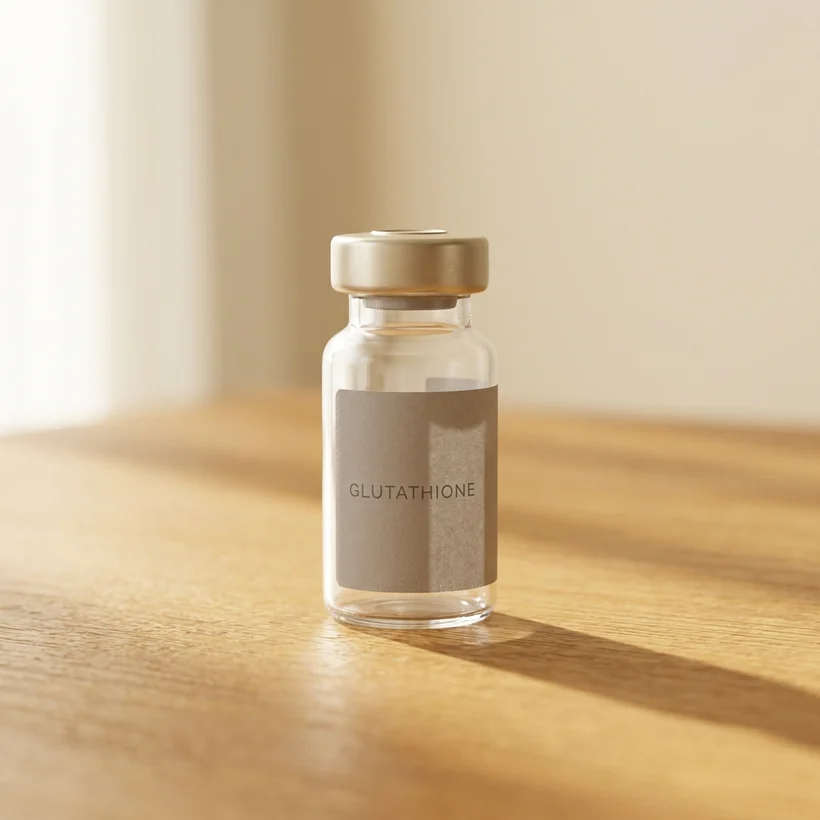
From the FormBlends catalog
Glutathione Injectable
Injectable antioxidant support for cellular wellness · From $119/mo · prescription review required; compounded medications are not FDA-approved.
Learn about Glutathione Injectable →Does glutathione interact with semaglutide when taken together?
There are no known direct pharmacological interactions between Glutathione and GLP-1 agonists. But any combination should be supervised by a physician who can monitor your response and adjust dosing as needed .

This guide focuses specifically on glutathione with glp 1 benefits of combining. While related topics may share some background information, the protocols, dosing considerations, and clinical evidence discussed here apply directly to this specific use case. Always verify current guidelines with your prescribing physician.
Which to begin first: glutathione or tirzepatide and semaglutide?
No. We recommend starting one compound first (typically the GLP-1 medication), stabilizing on that dose, and then adding the second compound. This allows you to identify which compound causes any side effects and adjust accordingly.
How physicians may pair GLP-1 drugs with peptides
At FormBlends, our physicians design integrated protocols combining GLP-1 medications with complementary peptides for improved results.
Disclaimer: This article is for informational purposes only and doesn't constitute medical advice. Always consult with a licensed healthcare provider. Individual results may vary.
Sources
- Witschi A et al. The systemic availability of oral glutathione. European Journal of Clinical Pharmacology. 1992.
- Richie JP et al. Randomized controlled trial of oral glutathione supplementation on body stores of glutathione. European Journal of Nutrition. 2015.
- Wendel A, Cikryt P. The level and half-life of glutathione in human plasma. FEBS Letters. 1980.
Ready when you are
Glutathione Injectable
Injectable antioxidant support for cellular wellness · From $119/mo · prescription review required; compounded medications are not FDA-approved.
Learn about Glutathione Injectable →