Key Takeaway
Complete guide to gut health peptide stacks using BPC-157, larazotide, and KPV for leaky gut, IBS, gut inflammation, and intestinal barrier repair under physician care.
A gut health peptide stack targets intestinal barrier repair, mucosal healing, and gut inflammation reduction using peptides that directly address the biological mechanisms underlying most chronic digestive problems.
The gut is far more than a digestive organ. It houses roughly 70% of your immune system, produces over 90% of your body's serotonin, and serves as a critical barrier between the external environment and your bloodstream. When gut health fails, the effects ripple through every system in your body: immunity, mood, energy, skin, weight, and cognitive function all suffer.
At FormBlends, we see patients who have been struggling with gut issues for years. Many have tried elimination diets, probiotics, and conventional medications with limited success. Peptide therapy addresses gut health at a structural and cellular level that other approaches can't reach.
Why Standard Gut Treatments Fall Short
Most conventional gut treatments manage symptoms rather than repairing the underlying damage. Proton pump inhibitors reduce acid but don't heal the mucosal lining. Probiotics support the microbiome but don't fix a permeable intestinal barrier. Anti-diarrheal or anti-spasmodic medications calm symptoms temporarily without addressing inflammation.
Peptide therapy for gut health works differently because it targets the structural integrity of the intestinal lining itself, the inflammatory processes damaging it, and the immune signaling that perpetuates the cycle.
Key Peptides For Gut Health
BPC-157
BPC-157 is the single most important peptide for gut health. Derived from a protein found in human gastric juice, it has a natural affinity for the gastrointestinal tract. Research has demonstrated BPC-157's ability to heal various types of gut damage, including ulcers, fistulas, inflammatory bowel damage, and NSAID-induced lesions.
Gut-specific benefits of BPC-157:
- Heals gastric and intestinal ulcers
- Repairs NSAID-induced gut damage
- Reduces intestinal permeability (leaky gut)
- Promotes mucosal regeneration throughout the GI tract
- Modulates the nitric oxide system, which regulates gut blood flow and motility
- Reduces intestinal inflammation
- Protects against alcohol-induced gut damage
- Supports the gut-brain axis through vagus nerve modulation
BPC-157 peptide therapy
Larazotide Acetate
Larazotide acetate (formerly known as AT-1001) is a peptide specifically designed to address intestinal permeability. It works by tightening the tight junctions between intestinal epithelial cells, the very junctions that become compromised in leaky gut syndrome. It has been through Phase 3 clinical trials for celiac disease and is one of the most targeted gut peptides available.
Gut-specific benefits of larazotide:
- Directly tightens intestinal tight junctions
- Reduces passage of antigens and toxins through the gut barrier
- Decreases the immune activation caused by gut permeability
- Well-studied in celiac disease and gluten sensitivity
- Works locally in the gut with minimal systemic absorption
KPV
KPV is a tripeptide (Lys-Pro-Val) derived from the C-terminal end of alpha-melanocyte-stimulating hormone (alpha-MSH). It has potent anti-inflammatory properties specific to the gut. Unlike many anti-inflammatory compounds, KPV can be taken orally and acts directly on intestinal tissue.
Gut-specific benefits of KPV:
- Reduces intestinal inflammation through NF-kB pathway inhibition
- Decreases pro-inflammatory cytokine production in gut tissue
- Promotes mucosal healing
- Can be taken orally, making it more accessible than injectable-only peptides
- Has shown benefit in models of colitis and inflammatory bowel conditions
Recommended Gut Health Stacks
Stack 1: BPC-157 + KPV (Core Gut Healing)
This combination pairs BPC-157's thorough gut repair capabilities with KPV's targeted anti-inflammatory action. It's our most prescribed gut health stack and works for many digestive issues.
From the FormBlends catalog
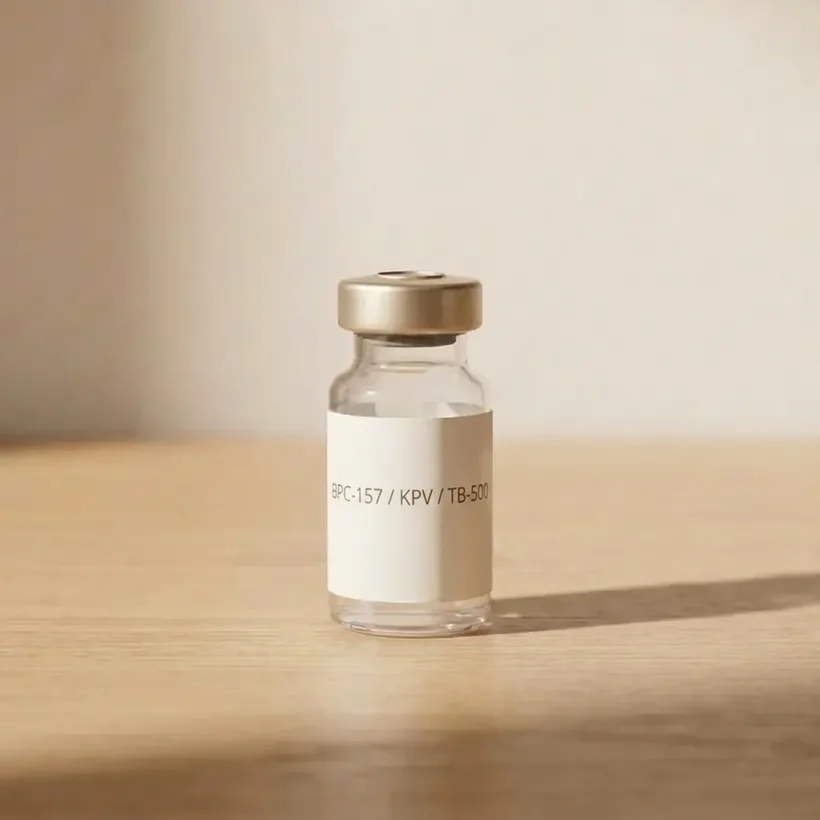
BPC-157 / KPV / TB-500 Blend
Three-pathway recovery support in one peptide blend · From $279/mo · compounded by a licensed 503A pharmacy, dispensed only after provider review.
View BPC-157 / KPV / TB-500 Blend →- BPC-157: 250-500 mcg daily, subcutaneous or oral (capsule form available)
- KPV: 200-500 mcg daily, oral (capsule)
- Best for: General gut healing, IBS, food sensitivities, post-antibiotic gut repair
Stack 2: BPC-157 + Larazotide + KPV (thorough Gut Barrier Repair)
Adding larazotide to the core stack directly addresses tight junction integrity. This three-peptide approach is our most thorough gut healing protocol.
- BPC-157: 250-500 mcg daily (subcutaneous or oral)
- Larazotide: 0.5-1 mg three times daily with meals (oral)
- KPV: 200-500 mcg daily (oral)
- Best for: Confirmed leaky gut, celiac disease or gluten sensitivity, severe intestinal permeability, autoimmune conditions driven by gut permeability
Stack 3: BPC-157 + LL-37 (Gut Healing + Antimicrobial)
For patients whose gut issues involve bacterial overgrowth (SIBO), biofilms, or chronic gut infections, adding the antimicrobial peptide LL-37 can address the microbial component.
- BPC-157: 250-500 mcg daily
- LL-37: 50-100 mcg daily, subcutaneous
- Best for: SIBO, chronic gut infections, biofilm-associated conditions
Oral Versus Injectable BPC-157 For Gut Health
This is one of the most common questions we receive about gut peptide therapy. For gut-specific conditions, oral BPC-157 has a distinct advantage.
- Oral BPC-157 delivers the peptide directly to the gastrointestinal lining where it's needed most. It makes direct contact with the mucosal surface as it passes through the stomach and intestines. This is the preferred route for conditions like gastric ulcers, leaky gut, IBS, and intestinal inflammation.
- Injectable BPC-157 enters systemic circulation and reaches the gut through the bloodstream. This can be effective for gut conditions and is also beneficial when you want both gut healing and systemic effects (joint healing, muscle repair, etc.).
- Combined approach. Some patients use both oral and injectable BPC-157 during their protocol for maximum gut exposure and systemic benefit.
Protocol And Timing
Gut healing protocols require consistency. Your FormBlends physician will customize the following framework.
Daily Schedule
- Morning (before breakfast): Oral BPC-157 and/or oral KPV on an empty stomach. Wait 20-30 minutes before eating.
- Before lunch: Larazotide (if using) taken with or just before the meal.
- Before dinner: Second larazotide dose (if using) taken with or just before the meal.
- Before bed: Optional second dose of oral BPC-157. If using injectable BPC-157, evening administration is a good option.
Dietary Considerations During Treatment
Peptide therapy works best alongside supportive dietary changes:
- Reduce or eliminate foods you know trigger symptoms during the healing phase
- Minimize NSAID use (BPC-157 heals NSAID damage, but continued use works against the protocol)
- Limit alcohol consumption
- Include bone broth, fermented foods, and prebiotic fiber to support the microbiome
- Stay well-hydrated
Cycle Length
Gut healing protocols typically run 8-12 weeks. Some patients with chronic conditions benefit from 12-16 week cycles. Larazotide is usually used for defined periods (4-8 weeks) with reassessment. BPC-157 and KPV can be cycled with 4-week breaks between rounds.
Expected Results
Gut healing is progressive, and many patients notice significant improvements within the first month.
Weeks 1-2
Reduced bloating and gas. Less abdominal discomfort after meals. Some patients notice improved stool consistency. The anti-inflammatory effects of KPV and BPC-157 begin working quickly on acute gut inflammation.
Weeks 3-6
Food sensitivities may begin decreasing as the gut barrier repairs. Nutrient absorption improves, often reflected in better energy levels. Bowel regularity normalizes. Patients with GERD or acid reflux frequently report improvement.
Weeks 6-12
Significant structural healing of the intestinal lining. Foods that previously caused reactions may become tolerable again. Systemic symptoms driven by gut permeability (brain fog, skin issues, joint pain, fatigue) often improve markedly. Lab markers of gut permeability and inflammation may normalize.
Safety Considerations
Gut health peptides have excellent safety profiles, particularly because several of them are derived from naturally occurring compounds in the body.
Side Effects
- Temporary changes in bowel habits as the gut adjusts
- Mild nausea (uncommon, usually transient)
- Injection site reactions (for injectable BPC-157)
- Mild bloating during the first week as gut flora shifts
Contraindications
- Active cancer (particularly GI cancers)
- Pregnancy or breastfeeding
- Active gastrointestinal bleeding (requires immediate medical attention, not peptide therapy)
- Known allergy to any component
Diagnostic Workup
We recommend a thorough diagnostic workup before starting a gut protocol. This may include stool testing, food sensitivity panels, intestinal permeability markers (zonulin, LPS antibodies), and inflammatory markers. Proper diagnosis ensures the right peptide stack is selected.
Frequently Asked Questions
Can gut peptides help with autoimmune conditions?
Many autoimmune conditions are linked to intestinal permeability (leaky gut). When the gut barrier is compromised, antigens enter the bloodstream and can trigger immune responses against the body's own tissues. By repairing the gut barrier, peptide therapy may help reduce autoimmune activation. This doesn't replace immunological treatment but can be a valuable supportive strategy.
Can I take probiotics alongside a gut peptide stack?
Yes. Probiotics and gut peptides are complementary. Peptides repair the structural lining and reduce inflammation, while probiotics support the microbial ecosystem. We recommend spacing probiotics from oral peptides by at least 30 minutes.
How long do the gut healing effects last?
Structural repair of the intestinal lining is lasting, provided you address the factors that damaged it in the first place (NSAIDs, poor diet, chronic stress, alcohol). Most patients maintain their results with ongoing dietary and lifestyle awareness. Some patients do periodic maintenance cycles.
Is oral BPC-157 as effective as injectable for gut healing?
For gut-specific conditions, oral BPC-157 may actually be more effective because it delivers the peptide directly to the affected tissue. Research on BPC-157 originally studied oral administration, so there's strong precedent for this route. For systemic effects beyond the gut, injectable administration is preferred.
Can children use gut health peptide stacks?
Pediatric use of peptides requires specialist oversight. We don't currently prescribe gut peptide protocols for patients under 18. If your child has chronic gut issues, consult a pediatric gastroenterologist.
Heal Your Gut With FormBlends
Gut health is the foundation of whole-body wellness. If chronic digestive issues have been holding you back, peptide therapy offers a targeted, evidence-based approach to repairing the intestinal barrier and resolving gut inflammation. At FormBlends, our physicians combine thorough diagnostic testing with personalized peptide protocols and nutritional guidance.
Schedule your consultation with a FormBlends physician today and start the process of genuine gut healing from the inside out.
Ready when you are
BPC-157 / KPV / TB-500 Blend
Three-pathway recovery support in one peptide blend · From $279/mo · compounded by a licensed 503A pharmacy, dispensed only after provider review.
View BPC-157 / KPV / TB-500 Blend →