Key Takeaway
Learn about ipamorelin side effects in women, including common reactions, hormonal considerations, and what to discuss with your physician before starting.
The most common ipamorelin side effects in women are mild headaches, temporary water retention, light tingling in the hands or feet, and minor injection site irritation. These effects are generally short-lived and resolve within the first couple of weeks as your body adjusts. Ipamorelin is considered one of the gentler peptides for women because it doesn't significantly affect cortisol, prolactin, or estrogen levels.
Detailed Answer
Women considering ipamorelin therapy naturally want to understand how it might affect them differently than men. While most side effects are similar regardless of sex, there are some female-specific considerations worth discussing with your provider.
Common side effects (reported by both men and women):
- Headaches: Mild headaches are the most frequently reported side effect during the first week or two. They typically fade as your body adjusts to the increased GH output. Staying well hydrated often helps.
- Water retention: Some women notice slight puffiness or bloating, particularly in the hands and feet. This is related to growth hormone's effect on fluid balance and usually subsides within a few weeks.
- Tingling or numbness: A pins-and-needles sensation in the fingers or toes can occur. This is related to increased GH levels and is rarely anything to worry about, though you should mention it to your provider.
- Injection site reactions: Minor redness, itching, or a small bump at the injection site is normal and fades quickly. Rotating injection sites helps minimize this.
- Lightheadedness: Some patients experience brief dizziness shortly after injection, particularly during the first few doses.
Female-specific considerations:
- Menstrual cycle: Some women report subtle changes to their menstrual cycle when starting ipamorelin, though this isn't well-documented in clinical literature. Growth hormone does interact with the broader endocrine system, so any changes should be reported to your provider.
- Body composition changes: Women may notice different patterns of body composition change compared to men. Fat loss and lean tissue gains tend to be more gradual but still meaningful over a 3 to 6 month protocol.
- Skin and hair: Many women report improved skin quality and hair texture as positive effects. Occasionally, some patients notice increased hair growth in areas they did not expect, which should be discussed with your provider.
When side effects might signal a problem. While most side effects are minor, contact your provider if you experience persistent joint pain, significant swelling, carpal tunnel-like symptoms that don't resolve, or any reaction that feels out of the ordinary.
What You Need to Know
- Ipamorelin is selective. Unlike GHRP-2 or GHRP-6, ipamorelin doesn't meaningfully raise cortisol or prolactin, making it a cleaner option for women who are sensitive to hormonal fluctuations.
- Starting low reduces side effects. Most side effects are dose-dependent. Starting at a lower dose and increasing gradually gives your body time to adapt. Ipamorelin for beginners guide
- Hydration matters. Many of the most common side effects (headaches, water retention) respond well to increased water intake, especially during the first few weeks.
- Don't use during pregnancy or breastfeeding. There isn't enough safety data to support ipamorelin use during pregnancy or while nursing. If you become pregnant, stop using the peptide and notify your physician immediately.
- Disclose all medications. Always tell your provider about everything you're taking, including birth control, thyroid medication, and supplements, so they can monitor for any interactions.
Related Questions
Does ipamorelin affect hormones in women?
Ipamorelin primarily influences growth hormone and IGF-1 levels. It has minimal direct impact on estrogen, progesterone, cortisol, or prolactin, which is a significant advantage for women. This hormonal selectivity is one of the main reasons ipamorelin is frequently recommended as a first peptide for female patients.
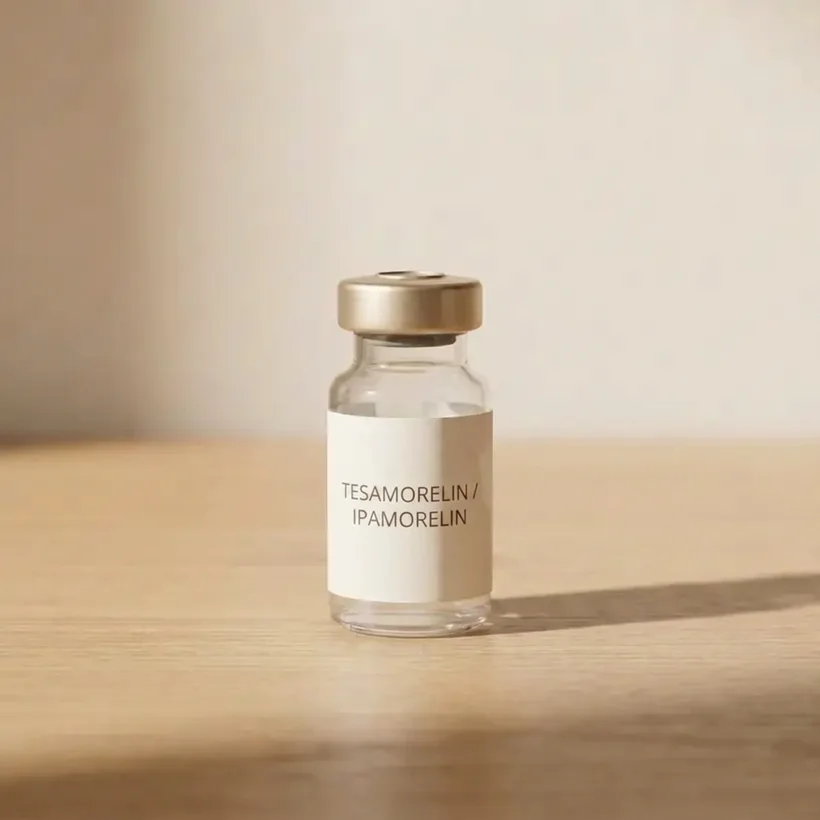
From the FormBlends catalog
Tesamorelin / Ipamorelin Blend
Growth-hormone pathway support in one blend · From $299/mo · compounded by a licensed 503A pharmacy, dispensed only after provider review.
View Tesamorelin / Ipamorelin Blend →
Can women use ipamorelin while on birth control?
There are no known direct interactions between ipamorelin and hormonal birth control methods, including pills, patches, or IUDs. But every patient's health profile is unique. Disclose all medications to your prescribing physician so they can make a fully informed decision about your care plan.
Is ipamorelin safe during pregnancy or breastfeeding?
Ipamorelin shouldn't be used during pregnancy or breastfeeding. Altering growth hormone levels during these periods could carry risks that haven't been adequately studied. If you're planning to become pregnant, discuss the appropriate timeline for discontinuing peptide therapy with your provider.
Get Personalized Care From Our Medical Team
At FormBlends, we understand that women have unique health considerations for peptide therapy. Our physicians take the time to review your full health history and create a protocol tailored to your body. Schedule your consultation today and get the answers you need before getting started.
Ready when you are
Tesamorelin / Ipamorelin Blend
Growth-hormone pathway support in one blend · From $299/mo · compounded by a licensed 503A pharmacy, dispensed only after provider review.
View Tesamorelin / Ipamorelin Blend →