Key Takeaway
Learn about mixing MOTS-c and alcohol, including how alcohol may interfere with the peptide's metabolic benefits, safety considerations, and provider guidance.
· Peptide Q&A
Drinking alcohol while using MOTS-c isn't recommended because alcohol directly undermines the metabolic pathways that MOTS-c is designed to support. Alcohol impairs mitochondrial function, disrupts glucose metabolism, and increases oxidative stress, all of which work against the peptide's mechanism of action.
No formal drug-interaction study between MOTS-c and alcohol has been published. But understanding how each substance affects metabolism reveals clear reasons to limit or avoid alcohol during therapy.
How Alcohol Counteracts MOTS-c
MOTS-c works primarily by activating AMPK (AMP-activated protein kinase), improving insulin sensitivity, and supporting mitochondrial energy production. Alcohol does the opposite in several key ways:
- Mitochondrial damage: Chronic alcohol use is well documented to impair mitochondrial function in the liver, heart, and skeletal muscle. Since MOTS-c is a mitochondrial-derived peptide, alcohol-driven mitochondrial dysfunction can blunt its effects.
- Insulin resistance: While moderate alcohol may have mixed effects on insulin sensitivity, heavy or regular drinking promotes insulin resistance over time. This directly opposes one of MOTS-c's primary benefits.
- AMPK suppression: Acute alcohol intake can suppress AMPK activity in certain tissues, the same pathway MOTS-c activates. This creates a biochemical tug-of-war.
- Increased inflammation: Alcohol raises systemic inflammation markers, while MOTS-c research suggests anti-inflammatory properties. Drinking during therapy may neutralize this benefit.
How Much Alcohol Is Too Much?
There's no established safe limit for alcohol during MOTS-c therapy specifically. General guidance from providers tends to follow common-sense principles:
View data table
| Category | Clinical Interest Score | Detail |
|---|---|---|
| BPC-157 | 88 | Tissue repair and gut healing |
| TB-500 | 82 | Injury recovery |
| Sermorelin | 78 | Growth hormone support |
| Ipamorelin | 75 | Anti-aging and recovery |
| GHK-Cu | 70 | Skin and tissue repair |

- Occasional light drinking (one to two drinks, once or twice per week) is unlikely to completely negate MOTS-c benefits but may still reduce its effectiveness.
- Moderate regular drinking (one to two drinks most days) is more likely to interfere with metabolic improvements.
- Heavy drinking (binge episodes or daily consumption exceeding two drinks) actively damages the pathways MOTS-c targets and should be avoided.
Timing Considerations
If you do choose to drink, consider timing. Injecting MOTS-c on the same day you plan to drink heavily is counterproductive. Some providers suggest spacing alcohol consumption at least 24 hours from your injection, though no clinical data exists to support a specific window. The rationale is to avoid acute metabolic interference during the period when MOTS-c is most active.
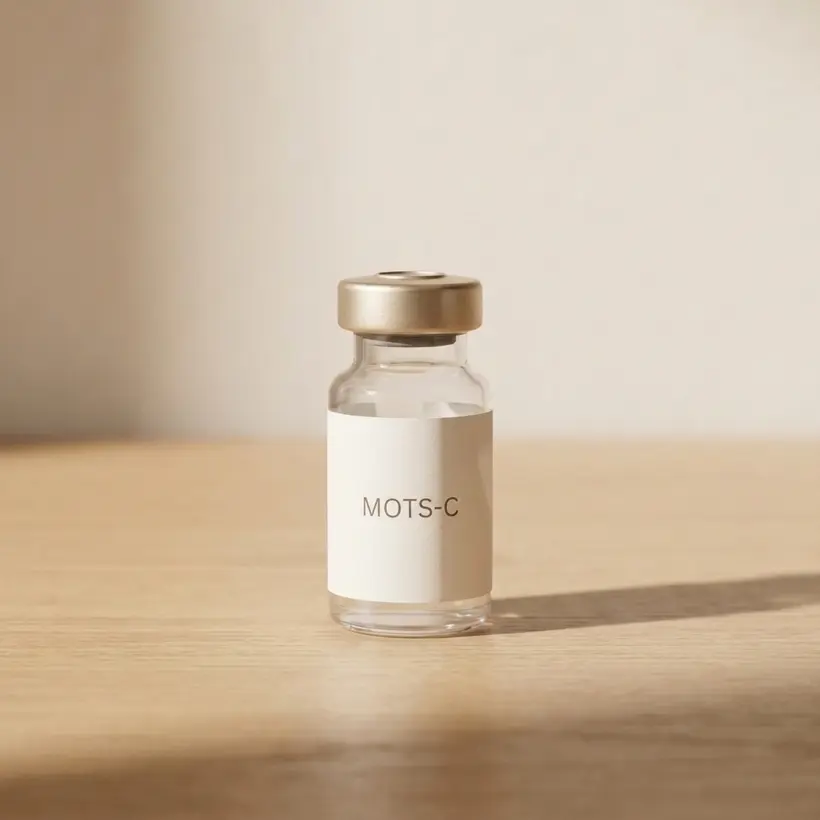
From the FormBlends catalog
MOTS-c
Mitochondrial-derived exercise mimetic that regulates metabolic homeostasis · From $249/mo · compounded by a licensed 503A pharmacy, dispensed only after provider review.
View MOTS-c →Bottom Line
You're investing time, money, and effort into MOTS-c therapy to improve your metabolic health. Alcohol works against nearly every mechanism MOTS-c relies on. While an occasional glass of wine is unlikely to derail your results entirely, regular drinking significantly diminishes the value of the therapy. Talk to your provider about what level of consumption, if any, is compatible with your goals.
Lifestyle factors that support peptide therapy
Frequently Asked Questions
Can I have one drink while taking MOTS-c?
A single drink on occasion is unlikely to cause a dangerous interaction, but it may still reduce the metabolic benefits you're seeking. If you choose to drink, keep it minimal and infrequent, and avoid doing so on injection days.
Does alcohol make MOTS-c side effects worse?
Potentially. Both alcohol and MOTS-c can cause nausea and flushing independently. Combining them may amplify these effects. Dehydration from alcohol can also worsen headaches associated with MOTS-c therapy.
Is beer, wine, or liquor worse when using MOTS-c?
The type of alcohol matters less than the amount. Ethanol is the active compound in all alcoholic beverages, and it affects mitochondrial function and insulin sensitivity regardless of the source. But sugary cocktails add a glycemic load that further opposes MOTS-c's metabolic benefits.
Should I pause my MOTS-c cycle for a vacation where I plan to drink?
That's a reasonable option. If you know you'll drink regularly during a trip, pausing MOTS-c and resuming afterward may be more cost-effective than taking the peptide while counteracting its effects. Discuss the plan with your provider so the pause aligns with your cycling schedule. how to cycle mots-c
Can MOTS-c help with alcohol-related metabolic damage?
Some preclinical research suggests MOTS-c may help restore mitochondrial function, which alcohol can impair. But using MOTS-c as a tool to offset the effects of heavy drinking isn't a supported or recommended strategy. Reducing alcohol intake will always produce better metabolic outcomes.
Ready when you are
MOTS-c
Mitochondrial-derived exercise mimetic that regulates metabolic homeostasis · From $249/mo · compounded by a licensed 503A pharmacy, dispensed only after provider review.
View MOTS-c →