Key Takeaway
Learn how NAD+ supports gut health through intestinal barrier function, microbiome balance, and reduced inflammation. Evidence-based guidance from FormBlends.
Quick Answer: NAD+ matters in gut health by supporting intestinal stem cell renewal, maintaining the gut barrier, modulating inflammation, and influencing the gut microbiome. Preclinical research suggests that restoring NAD+ levels may help protect against age-related gut decline and inflammatory intestinal conditions. Human clinical data specific to gut outcomes remains limited. NAD+ therapy isn't FDA-approved for any medical condition.
What Is NAD+?
NAD+ (nicotinamide adenine dinucleotide) is a coenzyme found in every cell of your body. It's important for mitochondrial energy production, DNA repair, and the activity of sirtuins and other regulatory enzymes that influence aging, metabolism, and inflammation.
NAD+ levels decline with age, a process that affects every organ system, including the gastrointestinal tract . The gut is one of the most metabolically active tissues in the body, with a rapid cell turnover rate that demands significant energy and strong repair mechanisms. This makes the gut particularly sensitive to NAD+ status.
This guide explores what the research says about NAD+ and gut health, including its effects on the intestinal barrier, inflammation, the microbiome, and intestinal stem cells.
How NAD+ Supports Gut Health
Intestinal Stem Cell Renewal
The lining of your gut replaces itself roughly every 3 to 5 days, one of the fastest turnover rates of any tissue in the body. This process depends on intestinal stem cells (ISCs), which continuously divide and differentiate into the specialized cells that form the gut lining.
View data table
| Category | Clinical Interest Score | Detail |
|---|---|---|
| BPC-157 | 88 | Tissue repair and gut healing |
| TB-500 | 82 | Injury recovery |
| Sermorelin | 78 | Growth hormone support |
| Ipamorelin | 75 | Anti-aging and recovery |
| GHK-Cu | 70 | Skin and tissue repair |
Research has shown that NAD+ is critical for ISC function. In aged mice, declining NAD+ levels were associated with reduced ISC activity and impaired gut regeneration . Supplementation with NAD+ precursors restored ISC function to levels approaching those of younger animals, suggesting that NAD+ restoration could support the gut's natural renewal process.
Gut Barrier Integrity
The intestinal barrier, often called the gut lining, prevents harmful substances from leaking out of the gut and into the bloodstream. When this barrier is compromised, a condition sometimes referred to as "leaky gut" or increased intestinal permeability, it can trigger immune activation and systemic inflammation.
NAD+ supports the tight junction proteins that hold intestinal epithelial cells together. In animal models, NAD+ depletion weakened these junctions, while NAD+ restoration improved barrier integrity . Sirtuins, particularly SIRT1 and SIRT3, activated by NAD+, play a role in maintaining the health of intestinal epithelial cells.
Inflammation Modulation
Chronic intestinal inflammation is a hallmark of conditions like inflammatory bowel disease (IBD), irritable bowel syndrome (IBS), and general gut dysfunction. NAD+ and its dependent enzymes help regulate the inflammatory response in gut tissue.
In animal models of colitis, NAD+ precursor supplementation reduced intestinal inflammation, decreased pro-inflammatory cytokine levels, and improved tissue healing . SIRT1 activation by NAD+ has been shown to suppress NF-kB, a key driver of inflammatory signaling in the gut.
This anti-inflammatory activity doesn't simply shut down the immune system. Instead, NAD+-dependent enzymes appear to help calibrate the immune response, reducing excessive inflammation while preserving the gut's ability to defend against pathogens.
Microbiome Influence
Emerging research suggests a bidirectional relationship between NAD+ and the gut microbiome. The composition of your gut bacteria can influence NAD+ metabolism, and NAD+ levels may in turn affect which bacterial species thrive in your gut.
Animal studies have shown that NAD+ precursor supplementation altered the gut microbiome composition in ways associated with improved metabolic health, including increases in beneficial bacterial species and decreases in inflammation-associated species . This is a relatively new area of research, and human data is still limited, but the preliminary findings are noteworthy.
Mitochondrial Function in Gut Cells
Intestinal epithelial cells have high mitochondrial demands. They need consistent energy to maintain their barrier function, power the absorption of nutrients, and support the rapid cell division needed for constant tissue renewal.
NAD+ is fundamental to mitochondrial energy production. When NAD+ levels fall, mitochondrial function in gut cells declines, potentially contributing to impaired nutrient absorption, weakened barrier function, and slower tissue repair . Restoring NAD+ levels supports the energy supply that these hardworking cells depend on.
NAD+ and Specific Gut Conditions
Inflammatory Bowel Disease (IBD)
Preclinical research has explored NAD+'s potential relevance to IBD. In mouse models of both Crohn's disease and ulcerative colitis, NAD+ depletion was observed in inflamed intestinal tissue . Treatment with NAD+ precursors reduced disease severity and improved mucosal healing in several of these models.
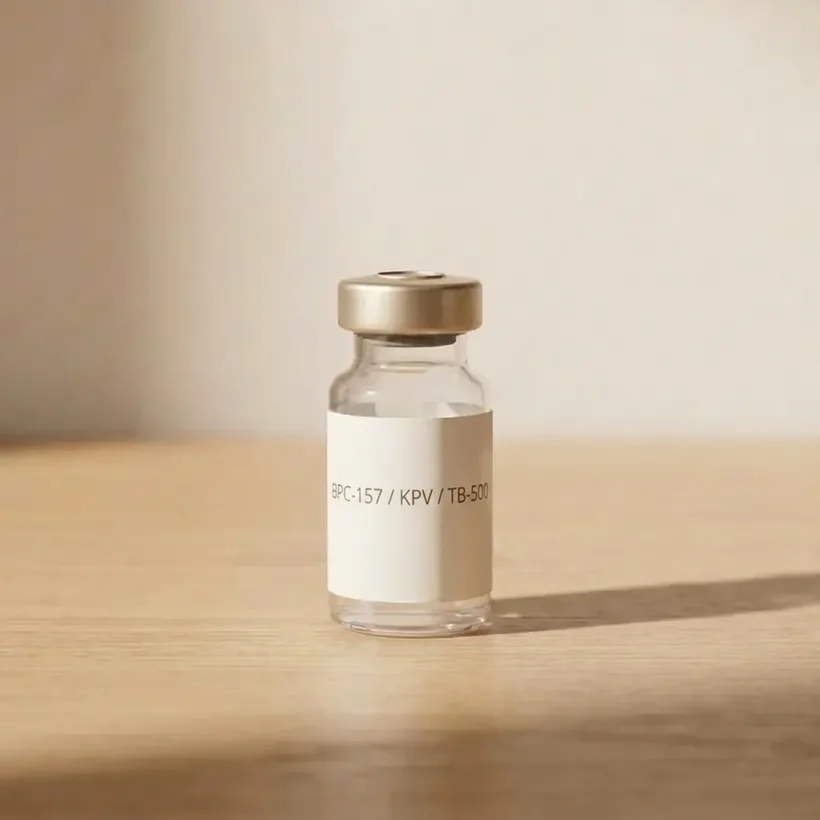
From the FormBlends catalog
BPC-157 / KPV / TB-500 Blend
Three-pathway recovery support in one peptide blend · From $279/mo · compounded by a licensed 503A pharmacy, dispensed only after provider review.
View BPC-157 / KPV / TB-500 Blend →Human IBD data is limited, and NAD+ therapy isn't a treatment for IBD. But the preclinical evidence suggests that NAD+ status may be an important factor in gut health that warrants further investigation.
Age-Related Gut Decline
The aging gut is characterized by reduced barrier function, altered microbiome composition, decreased stem cell activity, and increased low-grade inflammation. Many of these changes parallel the age-related decline in NAD+ levels, suggesting a mechanistic connection.
In aged mice, NAD+ precursor supplementation improved multiple markers of gut health, including ISC function, barrier integrity, and microbiome diversity . These findings are particularly relevant for individuals interested in NAD+ therapy as part of a longevity-focused health strategy.
Gut-Brain Axis
The gut and brain communicate through the vagus nerve, immune signaling, and microbial metabolites. NAD+'s role in both gut health and neuroprotection positions it as a potential mediator of gut-brain axis function . While this area is still in its early stages, it represents an exciting frontier in NAD+ research.
What the Research Shows (and What It Does Not)
- Strong preclinical data: Animal studies consistently show that NAD+ restoration supports gut barrier function, reduces intestinal inflammation, and improves stem cell renewal.
- Clear mechanistic rationale: The role of NAD+ in cellular energy, DNA repair, and sirtuin activation provides a sound biological basis for its effects on gut health.
- Limited human evidence: Clinical trials specifically measuring gut health outcomes with NAD+ therapy are scarce. Most human data comes from trials focused on other endpoints that may have secondarily observed gut-related effects.
- Not a treatment for gut diseases: NAD+ therapy isn't a substitute for evidence-based treatments for IBD, IBS, or other diagnosed gastrointestinal conditions.
Safety and Side Effects
NAD+ therapy has a favorable safety profile based on available clinical data. Common side effects are mild and include flushing, nausea, and injection site reactions.
Regarding gut-specific effects, oral NAD+ precursors may occasionally cause mild gastrointestinal symptoms such as nausea or loose stools, particularly at higher doses. These effects are typically transient and manageable.
For thorough safety information, see our NAD+ side effects guide. For dosing details, visit our NAD+ dosage guide.
How FormBlends Can Help
At FormBlends, we take a whole-body approach to peptide therapy, and gut health is a key part of that picture. Our licensed physicians can evaluate whether NAD+ therapy may support your digestive health as part of a broader wellness plan.
When you work with us, you receive:
- A personalized consultation with a licensed physician
- Pharmaceutical-grade NAD+ from licensed compounding pharmacies
- A tailored protocol that accounts for your digestive health goals
- Ongoing medical supervision and support
We believe that supporting the gut is foundational to overall health, and we're here to help you explore whether NAD+ therapy fits into that foundation.
Frequently Asked Questions
Can NAD+ help with leaky gut?
Preclinical research suggests that NAD+ supports the tight junction proteins that maintain intestinal barrier integrity. In animal models, restoring NAD+ levels improved barrier function. Human data specific to intestinal permeability is limited, but the biological rationale is sound. NAD+ isn't a proven treatment for leaky gut.
Should I take oral or injectable NAD+ for gut health?
Both routes may support gut health, but through different mechanisms. Oral precursors pass through the GI tract and may have direct local effects on gut tissue. Injectable NAD+ raises systemic levels, supporting gut cells through the bloodstream. Your physician can recommend the best approach for your situation.
Does NAD+ affect the gut microbiome?
Animal studies suggest that NAD+ precursor supplementation can influence gut microbiome composition in favorable ways. This is an emerging area of research, and human data is still limited.
Can NAD+ treat IBS or IBD?
NAD+ therapy isn't an approved or established treatment for IBS, IBD, or any other diagnosed gastrointestinal condition. But preclinical research on NAD+ and intestinal inflammation is promising. If you have a diagnosed gut condition, discuss any supplementation with your gastroenterologist.
How long does it take for NAD+ to affect gut health?
Because the gut lining turns over every 3 to 5 days, some individuals may notice improvements in digestive comfort within the first few weeks of consistent NAD+ therapy. Deeper changes in barrier function and microbiome composition may take longer to manifest.
Ready to Learn More?
If you're interested in exploring how NAD+ therapy might support your digestive health, FormBlends can connect you with a licensed physician for a personalized consultation. Our team is ready to help you make informed decisions about your gut health.
Disclaimer: This article is for informational purposes only and doesn't constitute medical advice. NAD+ therapy isn't FDA-approved for any medical condition, including gastrointestinal disorders. The information presented here is based primarily on preclinical research and shouldn't be used as a substitute for professional medical guidance. Always consult with a licensed healthcare provider before beginning any therapy. Individual results may vary. FormBlends doesn't claim that NAD+ cures, treats, or prevents any disease.
Ready when you are
BPC-157 / KPV / TB-500 Blend
Three-pathway recovery support in one peptide blend · From $279/mo · compounded by a licensed 503A pharmacy, dispensed only after provider review.
View BPC-157 / KPV / TB-500 Blend →