Key Takeaway
Starting a new peptide protocol comes with questions, and one of the most common is about peptide side effects. Knowing what to expect helps you stay calm when something minor occurs and take action quickly when something needs attention.
Starting a new peptide protocol comes with questions, and one of the most common is about peptide side effects. Knowing what to expect helps you stay calm when something minor occurs and take action quickly when something needs attention. Most peptide side effects are mild and temporary, but you should always know the difference between a normal adjustment and a warning sign that requires your provider's input.
Key Takeaways: - Common Side Effects by Peptide Type - Learn how to tell normal adjustment from a problem - Managing Common Side Effects - Tracking Side Effects During Your Protocol
Common Side Effects by Peptide Type
Different peptides come with different potential side effects. Here is what research and clinical experience suggest.
Growth Hormone Peptides (CJC-1295, Ipamorelin, Sermorelin): - Water retention, especially in the first 1-2 weeks - Tingling or numbness in the hands and feet (often called carpal tunnel-like sensation) - Increased hunger, particularly with Ipamorelin - Mild headaches during the first few days - Vivid dreams or changes in sleep patterns - Temporary joint stiffness from fluid retention
Most of these side effects resolve on their own as your body adjusts. Water retention typically normalizes by week 3-4. Tingling in the extremities is actually a sign that growth hormone levels are increasing.
Healing Peptides (, TB-500): - Injection site redness or mild swelling - Temporary lightheadedness after injection - Mild nausea, usually brief - Fatigue in the first few days
"Compounding pharmacies serve a critical role in healthcare, but patients need to understand the difference between a properly regulated 503B facility and an unregulated operation. Ask about PCAB accreditation and third-party testing.") Dr. Scott Brunner, PharmD, Alliance for Pharmacy Compounding
BPC-157 and TB-500 are generally very well-tolerated. Serious side effects are rare in clinical observations when these peptides are prescribed and monitored by a licensed provider.
GHK-Cu: - Injection site reactions - Mild skin redness if used topically - Rare reports of lightheadedness
Free Download: Wolverine Stack Protocol Card Track your side effects alongside your protocol with our printable card. Includes a daily symptom checklist to share with your provider. Get yours free (we'll email it to you instantly.
[Download CTA Button]
How to Tell Normal Adjustment from a Problem
Your body needs time to adapt to new peptides. Some temporary discomfort is expected. But how do you know when a side effect crosses the line from normal to concerning?
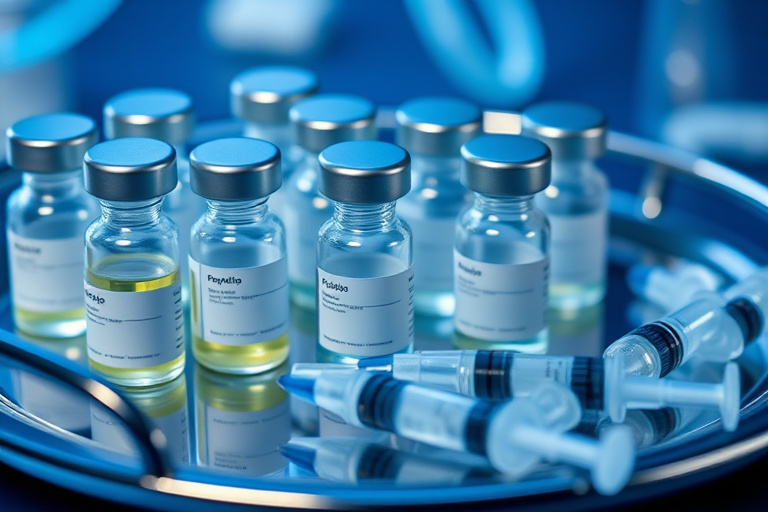
Normal adjustment signs include mild symptoms that improve over days, side effects that match what your provider warned you about, temporary changes that don't interfere with your daily life, and symptoms that respond to simple measures like hydration or timing adjustments.
Contact your provider if a side effect worsens over several days instead of improving, you experience severe pain at any injection site, you develop a fever or signs of infection, you notice significant swelling beyond mild water retention, you experience chest pain or difficulty breathing, or you develop a rash or hives that suggest an allergic reaction.
Go to the emergency room if you have signs of a severe allergic reaction like throat swelling, difficulty breathing, or widespread hives. These are extremely rare with prescribed peptides but require immediate medical attention.
When in doubt, contact your provider. They would rather hear about a minor concern than have you ignore something important. The lets you log symptoms daily, making it easy to share a clear picture with your provider.
Managing Common Side Effects
Most mild side effects can be managed with simple strategies.
Check your GLP-1 eligibility
Use our free BMI Calculator to see if you may qualify for provider-reviewed GLP-1 therapy.
Try the BMI Calculator →Water retention: Increase your water intake. This sounds counterintuitive, but adequate hydration helps your body regulate fluid balance. Reduce sodium intake during the first few weeks of your protocol. If retention is significant, your provider may adjust your dose.
Injection site reactions: Rotate injection sites to give each area time to recover. Allow alcohol swabs to dry completely before injecting, as wet alcohol can cause stinging. Inject slowly rather than pushing the plunger quickly. Ice the area for 5 minutes before injection if you're sensitive.
Headaches: Stay hydrated. Headaches during the first few days of a peptide protocol are often related to changes in blood flow or GH signaling. Over-the-counter pain relief is usually fine, but check with your provider about which options are compatible with your protocol.
Nausea: Try adjusting your injection timing. Some people tolerate peptides better in the morning. others do better at night. Eating a small, bland snack 30 minutes after injection can help. If nausea persists, your provider may need to adjust the dose.
Fatigue: This is typically temporary and may indicate your body is redirecting energy toward healing or hormonal adjustment. Prioritize sleep during the first week of a new protocol. If fatigue is severe or lasts more than a week, contact your provider.
Tracking Side Effects During Your Protocol
Keeping a detailed log of side effects helps both you and your provider make better decisions about your protocol.
What to track daily: - Which peptides you took and at what dose - Time of injection - Injection site location - Any symptoms within the first 30 minutes - Energy level throughout the day - Sleep quality and duration - Mood and cognitive function - Any digestive changes
Why tracking matters: A single day of tingling fingers is meaningless on its own. But a pattern of worsening tingling over two weeks tells your provider something important. Data helps your provider distinguish between normal adjustment and a dose that needs changing.
The makes daily tracking simple with quick check-ins that take less than a minute. You can share your tracking history directly with your provider during check-ins, which leads to faster, more informed protocol adjustments.
If you're running a , tracking becomes even more important. When you take multiple peptides, identifying which one is causing a side effect requires careful documentation.
Your provider can also review your in the context of your overall health picture, including other medications and supplements you may be taking.
Frequently Asked Questions
Do peptide side effects go away over time?
Most mild side effects resolve within the first 1-2 weeks as your body adjusts to the peptide. Water retention, headaches, and mild nausea typically improve quickly. If side effects persist beyond two weeks or worsen, contact your provider for a dose or protocol adjustment.
Can I take over-the-counter medications for peptide side effects?
Generally, yes, but check with your provider first. Some over-the-counter medications can interfere with peptide mechanisms. For example, NSAIDs like ibuprofen may counteract some of the healing benefits of BPC-157. Your provider can recommend compatible options.
Are peptide side effects worse when stacking multiple peptides?
Not necessarily, but stacking does increase the number of variables in your protocol. If side effects occur, it can be harder to identify which peptide is responsible. This is why many providers introduce peptides one at a time with a few weeks between additions, and why tracking is so important.
Should I stop my peptide if I get side effects?
Don't stop your peptide protocol without talking to your provider first. Mild, expected side effects usually resolve with time or dose adjustments. Stopping abruptly and restarting later can mean going through the adjustment period all over again. Contact your provider and follow their guidance.
Are long-term side effects a concern with peptides?
Long-term safety data for many peptides is still being developed. This is one reason providers use cycling protocols with on and off periods rather than continuous indefinite use. Regular bloodwork monitoring helps catch any concerning changes early. Working with a licensed provider who tracks your health over time is the best way to minimize risk.
Let's Make This Happen
The research is clear. The options are available. The only question is whether it's right for you. A FormBlends provider can help you decide) no pressure, no commitment.
Sources &. References
- Sikiric P, Hahm KB, Blagaic AB, et al. Stable Gastric Pentadecapeptide BPC 157, Robert's Cytoprotection, Adaptive Cytoprotection, and Therapeutic Effects. Curr Pharm Des. 2018;24(18):1990-2001. Doi:10.2174/1381612824666180515125918
- Chang CH, Tsai WC, Lin MS, et al. The promoting effect of pentadecapeptide BPC 157 on tendon healing involves tendon outgrowth, cell survival, and cell migration. J Appl Physiol. 2011;110(3):774-780. Doi:10.1152/japplphysiol.00945.2010
- Seiwerth S, Brcic L, Vuletic LB, et al. BPC 157 and blood vessels. Curr Pharm Des. 2014;20(7):1121-1125. Doi:10.2174/13816128113199990421
- Bock-Marquette I, Saxena A, White MD, et al. Thymosin beta4 activates integrin-linked kinase and promotes cardiac cell migration, survival and cardiac repair. Nature. 2004;432(7016):466-472. Doi:10.1038/nature03000
- Malinda KM, Sidhu GS, Mani H, et al. Thymosin beta4 accelerates wound healing. J Invest Dermatol. 1999;113(3):364-368. Doi:10.1046/j.1523-1747.1999.00708.x
- Ionescu M, Frohman LA. Pulsatile secretion of growth hormone (GH) persists during continuous stimulation by CJC-1295, a long-acting GH-releasing hormone analog. J Clin Endocrinol Metab. 2006;91(12):4792-4797. Doi:10.1210/jc.2006-1702
The information in this article is intended for educational use only and shouldn't be considered medical advice. Consult a qualified healthcare provider before making any changes to your medication or supplement regimen. FormBlends helps with connections with licensed providers for personalized medical guidance.
Last updated: 2026-03-24
See your options in about 2 minutes
Take the free quiz and see what fits you. Quick, private, and no commitment to continue.
See my options →