Key Takeaway
Learn how sermorelin and growth hormone improvement may improve skin elasticity, hydration, thickness, and overall appearance through collagen synthesis and cellular renewal.
Quick Answer: Growth hormone drives collagen synthesis, skin cell turnover, and tissue hydration. As GH declines with age, skin thins, loses elasticity, and develops wrinkles. By stimulating the body's natural GH production, sermorelin may support skin health from the inside out, improving firmness, hydration, and texture over time. Results are gradual, typically becoming noticeable after 3 to 6 months of consistent therapy.
What Is Sermorelin?
Sermorelin acetate is a synthetic 29-amino-acid peptide that replicates the biologically active portion of growth hormone-releasing hormone (GHRH). It stimulates the anterior pituitary gland to produce and release growth hormone (GH) through the body's own regulatory pathways. This preserves the natural pulsatile release pattern and somatostatin feedback mechanisms that prevent GH excess.
While sermorelin is most commonly discussed in the context of body composition, recovery, and sleep, its potential effects on skin health are grounded in well-established biology. The skin is one of the most GH-responsive organs in the body, and the visible changes in skin that accompany aging are closely tied to the decline in GH and IGF-1 production.
How Skin Ages: The Role of Growth Hormone
Skin aging is driven by both intrinsic factors (genetics, hormonal changes) and extrinsic factors (UV exposure, pollution, lifestyle). Growth hormone decline is one of the most significant intrinsic factors, and it affects the skin in several measurable ways.
Collagen: The Structural Foundation
Collagen is the most abundant protein in the skin, providing the structural framework that gives skin its firmness and resilience. The dermis (the thick middle layer of skin) is composed primarily of type I and type III collagen fibers. Growth hormone, acting through IGF-1, is a primary driver of collagen synthesis in dermal fibroblasts.
After age 20, collagen production decreases by approximately 1% per year. This rate accelerates further as GH levels decline, particularly after age 40. The result is thinner, less resilient skin that's more prone to wrinkling, sagging, and damage.
Elastin and Skin Elasticity
Elastin is the protein that allows skin to stretch and return to its original shape. Like collagen, elastin production is supported by GH and IGF-1. As these levels fall, elastin fiber networks degrade and aren't adequately replaced, leading to the loss of skin "snap-back" that characterizes aging skin.
Skin Cell Turnover
The epidermis (the outermost layer of skin) constantly renews itself as old cells are shed and replaced by new ones rising from the basal layer. This turnover cycle takes approximately 28 days in young adults but can extend to 40 to 50 days or more in older adults. GH and IGF-1 stimulate the proliferation of keratinocytes (the primary epidermal cells), supporting a more youthful rate of skin renewal.
Slower turnover means that old, damaged cells remain on the surface longer, contributing to a dull complexion, uneven texture, and reduced capacity to recover from damage.
Hyaluronic Acid and Hydration
Hyaluronic acid (HA) is a glycosaminoglycan that binds water in the skin, providing volume, plumpness, and hydration. HA production in the dermis is influenced by IGF-1 signaling. As GH and IGF-1 decline, skin hydration decreases, contributing to the dry, thin appearance of aging skin.
Wound Healing and Repair
GH is important for wound healing. It stimulates the proliferation of fibroblasts, the synthesis of collagen at wound sites, and the formation of new blood vessels (angiogenesis) that deliver nutrients to healing tissue. Reduced GH levels are associated with slower wound healing and increased susceptibility to skin damage.
Evidence for GH and Skin Health
The Rudman Study and Skin Thickness
Dr. Daniel Rudman's landmark 1990 study in The New England Journal of Medicine, which examined exogenous GH in older men, found a significant increase in skin thickness over the 6-month treatment period. Skin thickness is a direct measure of dermal collagen content and is considered one of the most objective markers of skin aging. The finding that GH restoration could measurably increase skin thickness in older adults helped establish the biological basis for GH's role in skin health.
From the FormBlends catalog
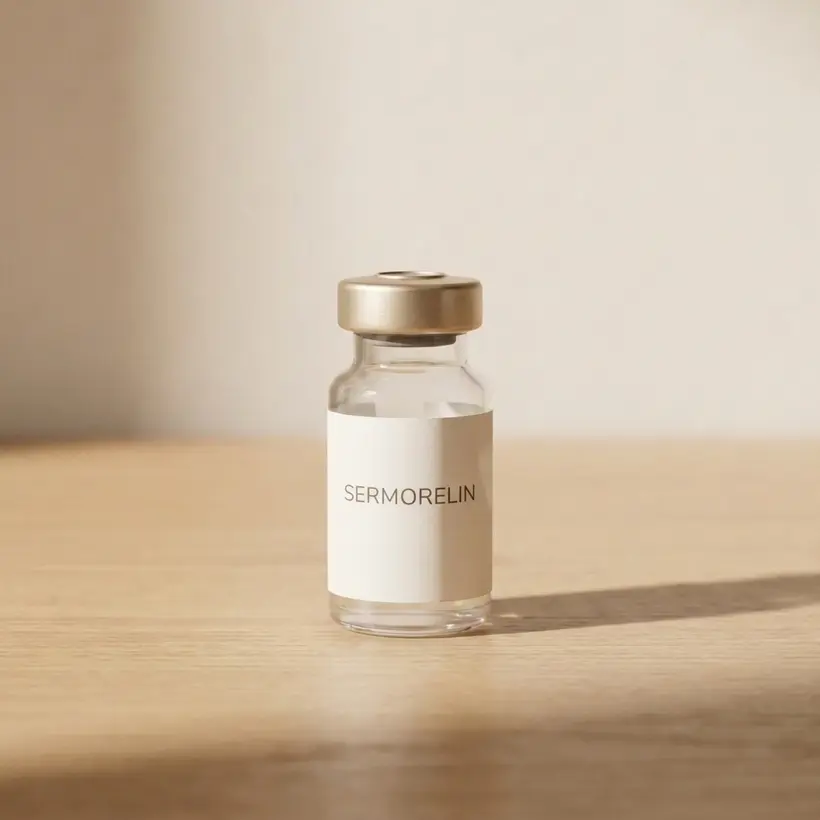
Sermorelin
Bioidentical GHRH analog for natural growth hormone pulsatility · From $175/mo · compounded by a licensed 503A pharmacy, dispensed only after provider review.
View Sermorelin →IGF-1 and Fibroblast Function
In vitro research has consistently demonstrated that IGF-1 stimulates dermal fibroblasts to produce collagen, elastin, and hyaluronic acid. Fibroblasts treated with IGF-1 show increased proliferation, enhanced matrix protein production, and improved capacity for tissue repair. These findings translate to the clinical observation that patients with higher IGF-1 levels tend to have better skin quality markers than age-matched peers with lower levels.
GH Deficiency and Skin
Adults with clinically diagnosed GH deficiency consistently present with thinner skin, reduced collagen density, and impaired wound healing compared to age-matched controls. When these patients receive GH replacement therapy, skin thickness and collagen markers improve measurably. While these studies used exogenous GH, the downstream biology is the same as what sermorelin produces through natural GH stimulation.
GHRH Analogs and Body Composition
Studies on GHRH analogs (sermorelin's drug class) in older adults have documented improvements in body composition and various tissue-level markers. While skin-specific endpoints haven't been the primary focus of most GHRH analog studies, the improvements in collagen-dependent tissues are consistent with the expected skin benefits based on the underlying biology.
What Sermorelin May Do for Your Skin
Based on the known biology of GH, IGF-1, and skin, the potential skin-related benefits of sermorelin therapy include:
- Increased skin thickness: Through enhanced collagen synthesis in the dermis, leading to firmer, more resilient skin.
- Improved elasticity: Better elastin fiber maintenance and production, supporting skin's ability to bounce back.
- Enhanced hydration: Increased hyaluronic acid production, contributing to a plumper, more hydrated complexion.
- Smoother texture: Faster epidermal cell turnover, reducing the accumulation of old, damaged surface cells.
- Reduced wrinkle depth: While not eliminating wrinkles, improved collagen and hydration may reduce the appearance and progression of fine lines.
- Improved healing capacity: Faster recovery from minor skin injuries, cuts, and blemishes.
- Healthier hair and nails: GH and IGF-1 also support the growth and quality of hair and nails, which share structural proteins (keratins) with skin.
These benefits aren't cosmetic in the topical sense. They work from the inside out, addressing the hormonal factors that drive skin aging at the cellular level.
Timeline for Skin Improvements
Skin changes from sermorelin therapy are among the more gradual benefits, reflecting the slow rate of collagen turnover and dermal remodeling:
- Weeks 1 to 4: No visible skin changes expected. Internal processes (GH axis stimulation, early IGF-1 elevation) are underway.
- Weeks 4 to 8: Some patients report subtle improvements in skin hydration and a "healthier glow." These early observations may be related to improved sleep and circulation as much as direct collagen effects.
- Months 3 to 4: More consistent reports of improved skin texture, firmness, and elasticity. Fine lines may begin to appear less pronounced.
- Months 5 to 6: The most noticeable skin improvements are typically evident. Patients often report that friends or family comment on their skin looking healthier or more youthful.
- Beyond 6 months: Continued use sustains and may further enhance results. Collagen remodeling is an ongoing process, and the benefits accumulate with time.
Maximizing Skin Benefits Alongside Sermorelin
Sermorelin addresses the internal, hormonal component of skin aging. For the best results, complement it with strategies that address the external factors:
- Sun protection: UV radiation is the single largest extrinsic cause of skin aging. Use broad-spectrum SPF 30 or higher daily, even on cloudy days. Sermorelin can rebuild collagen from within, but unprotected sun exposure will continue to break it down.
- Topical retinoids: Prescription retinoids (tretinoin) or over-the-counter retinol are the best-studied topical agents for stimulating collagen production and improving skin texture. They work together effectively with the internal collagen support provided by GH improvement.
- Hydration: Adequate water intake supports skin hydration from within. Topical moisturizers with hyaluronic acid, ceramides, or glycerin help maintain the skin barrier externally.
- Nutrition: Vitamin C is a cofactor for collagen synthesis. Omega-3 fatty acids support the skin barrier. Antioxidant-rich foods (berries, leafy greens, nuts) combat oxidative stress in skin tissue.
- Sleep: Sermorelin improves sleep quality, and sleep is when the majority of skin repair and renewal occurs. These two benefits reinforce each other.
- Avoid smoking: Smoking accelerates collagen breakdown and impairs blood flow to the skin. No amount of GH improvement can fully counteract the skin damage caused by tobacco use.
Safety Considerations
Sermorelin has a well-documented safety profile when used at therapeutic doses under physician supervision. Common side effects are mild and include injection site reactions, facial flushing, and headache. These typically resolve during the first 1 to 2 weeks of therapy.
Because sermorelin works through the pituitary's natural feedback mechanisms, the risk of excessive GH levels and their associated side effects is lower than with exogenous GH. Sermorelin is contraindicated in patients with active malignancies, certain pituitary conditions, and known hypersensitivity to sermorelin or its components.
Patients using sermorelin for skin health shouldn't discontinue other dermatological treatments without consulting their dermatologist. Sermorelin complements, rather than replaces, established skin care practices.
How FormBlends Can Help
FormBlends offers physician-supervised sermorelin therapy through our telehealth platform. If skin health is one of your goals, our clinical team can evaluate whether GH improvement is appropriate for you and design a protocol that supports your objectives.
Every protocol begins with a thorough medical evaluation and baseline labs. Dosing is individualized, and our team provides ongoing monitoring and support throughout your treatment. We believe in setting honest expectations: skin improvements take time, but the underlying biology strongly supports the benefits of sustained GH improvement for skin health.
Frequently Asked Questions
Is sermorelin better than collagen supplements for skin?
These are complementary approaches. Oral collagen supplements provide raw peptide building blocks, while sermorelin optimizes the hormonal signaling (GH/IGF-1) that drives the body's own collagen production. Sermorelin addresses the root cause of reduced collagen synthesis (declining GH), while supplements provide additional substrate. Using both is a reasonable strategy.
Can sermorelin replace Botox or fillers?
No. Sermorelin works at the biological level to support collagen synthesis, skin thickness, and hydration over time. Botox and fillers produce immediate cosmetic changes through different mechanisms (muscle relaxation and volume addition, respectively). They aren't interchangeable, and sermorelin isn't a cosmetic procedure.
Will sermorelin help with acne or acne scars?
Sermorelin isn't a treatment for acne. But the improved skin cell turnover and enhanced healing capacity associated with GH improvement may support the skin's ability to recover from blemishes and may modestly improve the appearance of superficial scars over time. Active acne should be managed with appropriate dermatological care.
Do men and women respond differently to sermorelin for skin health?
Both men and women experience GH decline with age and can benefit from improvement. Women may notice skin changes somewhat sooner because their baseline skin is generally thinner, making improvements in thickness and hydration more perceptible. But the underlying biology is the same for both sexes.
How long do skin improvements last after stopping sermorelin?
Some structural improvements (increased collagen density) may persist for a period after discontinuation, but the ongoing stimulus for collagen production will diminish as GH levels return to pre-treatment baseline. Most patients who prioritize skin health opt for long-term or cyclical maintenance protocols to sustain their results.
Support Your Skin from the Inside Out
Healthy skin starts beneath the surface. FormBlends offers physician-supervised sermorelin therapy with thorough evaluations, individualized protocols, and ongoing clinical support through our telehealth platform.
Disclaimer: This article is for informational purposes only and doesn't constitute medical advice. Sermorelin is a prescription medication that should only be used under the supervision of a licensed healthcare provider. It isn't a cosmetic treatment or an approved therapy for skin conditions. Individual results vary. The statements in this article haven't been evaluated by the FDA. This product isn't intended to diagnose, treat, cure, or prevent any disease.
Ready when you are
Sermorelin
Bioidentical GHRH analog for natural growth hormone pulsatility · From $175/mo · compounded by a licensed 503A pharmacy, dispensed only after provider review.
View Sermorelin →