Key Takeaway
Learn how sermorelin supports muscle recovery through growth hormone improvement. Evidence-based insights on protein synthesis, tissue repair, and training adaptation.
Quick Answer: Growth hormone is a central regulator of muscle repair, protein synthesis, and tissue regeneration. By stimulating the body's natural GH production, sermorelin may support faster recovery from exercise and physical stress. The mechanism involves enhanced protein synthesis, improved sleep quality (when most recovery occurs), and reduced inflammation in damaged muscle tissue.
What Is Sermorelin?
Sermorelin acetate is a 29-amino-acid synthetic peptide that mirrors the active portion of growth hormone-releasing hormone (GHRH). It works by signaling the pituitary gland to produce and release growth hormone through the body's own regulatory mechanisms. This preserves the natural pulsatile GH secretion pattern and keeps somatostatin feedback loops intact, preventing the hormone excess that can occur with direct GH injection.
In the context of muscle recovery, sermorelin's mechanism matters. The largest natural GH pulse occurs during deep sleep, the same window when the majority of tissue repair happens. Sermorelin, administered before bedtime, amplifies this natural recovery signal rather than creating an artificial hormonal spike at an unnatural time.
The Biology of Muscle Recovery
Knowing what happens inside muscle tissue after exercise provides important context for how sermorelin may support recovery.
Exercise-Induced Muscle Damage
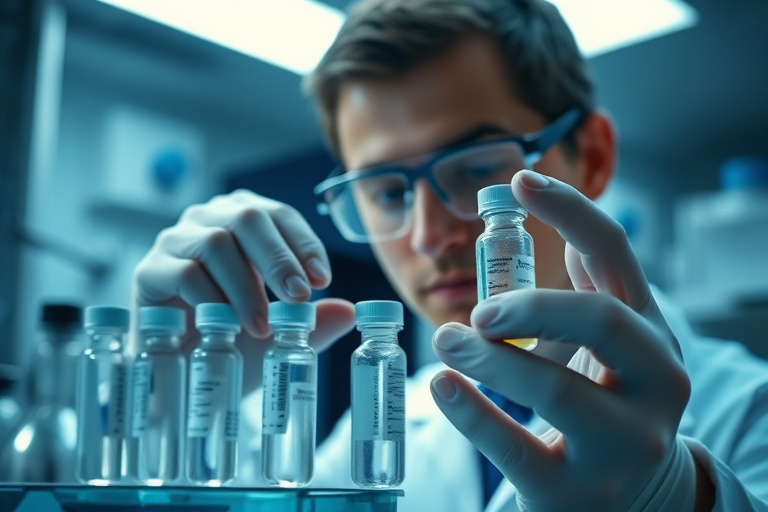
Resistance training and intense physical activity cause microscopic damage to muscle fibers. This isn't pathological. it's the stimulus for adaptation. The damaged fibers trigger an inflammatory response that clears cellular debris, followed by a repair and remodeling phase during which satellite cells fuse with damaged muscle fibers, synthesize new proteins, and ultimately rebuild the tissue stronger than before.
The Recovery Window
The recovery process unfolds over 24 to 72 hours (or longer, depending on the training intensity and the muscle groups involved). During this window, the body requires adequate protein, sleep, and hormonal support to complete the repair process effectively. Growth hormone is one of the key hormonal drivers of this entire cascade.
How Growth Hormone Supports Muscle Recovery
Protein Synthesis
Growth hormone stimulates protein synthesis directly and indirectly through IGF-1. after exercise-induced muscle damage, the rate at which the body builds new contractile proteins (the functional units of muscle) is influenced by GH availability. When GH levels are suboptimal, protein synthesis rates may not keep pace with the demand created by training, leading to prolonged soreness and incomplete recovery.
From the FormBlends catalog
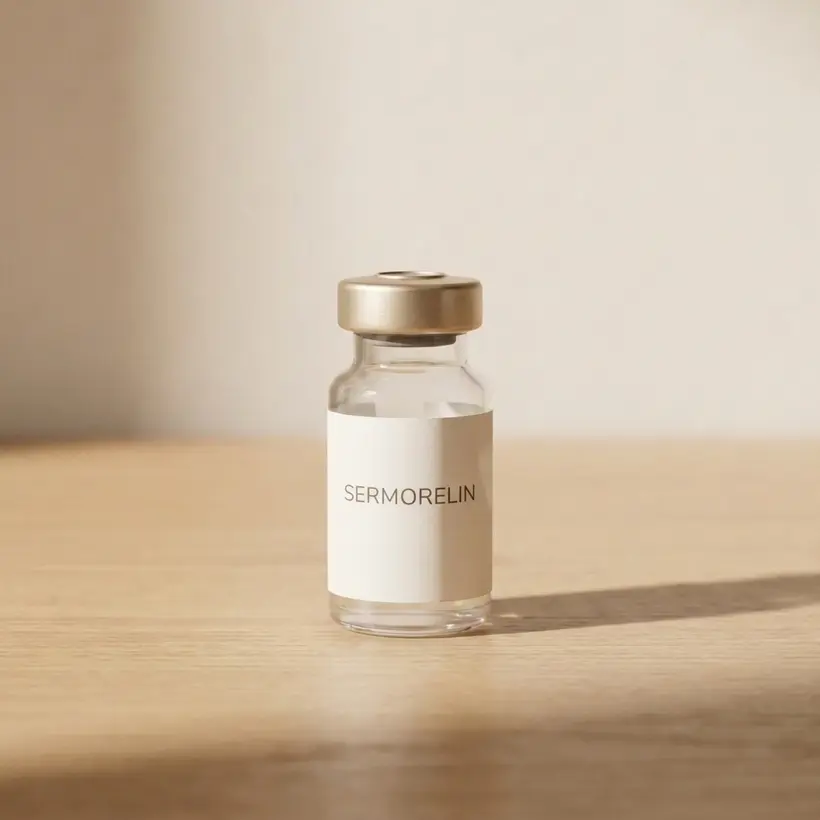
Sermorelin
Bioidentical GHRH analog for natural growth hormone pulsatility · From $175/mo · compounded by a licensed 503A pharmacy, dispensed only after provider review.
View Sermorelin →Research published in The American Journal of Physiology has demonstrated that GH directly stimulates amino acid uptake and protein synthesis in skeletal muscle, particularly in the post-exercise recovery period.
Satellite Cell Activation
Satellite cells are muscle-specific stem cells that reside on the surface of muscle fibers. When damage occurs, these cells are activated, proliferate, and either fuse with existing fibers to repair them or form entirely new fibers. Both GH and IGF-1 play roles in satellite cell activation and proliferation. IGF-1, in particular, has been identified as a key regulator of satellite cell function in the post-exercise recovery process.
Collagen and Connective Tissue Repair
Muscle recovery isn't just about the muscle fibers themselves. The connective tissue matrix (fascia, tendons, and the extracellular matrix within muscle) also sustains damage during exercise and must be repaired. GH stimulates collagen synthesis in these tissues, supporting the structural framework that allows muscle to function effectively. This is particularly relevant for preventing overuse injuries and maintaining joint health alongside muscle recovery.
Fat Mobilization for Energy
GH promotes lipolysis, the breakdown of stored fat for energy. During recovery, this metabolic shift can spare muscle glycogen and amino acids from being used as fuel, directing them instead toward the repair process. This preferential fuel partitioning is one reason why GH improvement is associated with both improved recovery and favorable body composition changes.
Inflammation Modulation
While acute inflammation is necessary for initiating the repair process, prolonged or excessive inflammation delays recovery and can lead to overtraining symptoms. IGF-1 has demonstrated anti-inflammatory properties that may help modulate the inflammatory response following exercise, supporting a faster transition from the inflammatory phase to the repair and remodeling phase.
Sleep-Mediated Recovery
Perhaps sermorelin's most direct contribution to muscle recovery is its consistent effect on sleep quality. The majority of tissue repair occurs during deep sleep (slow-wave sleep), and GH secretion peaks during this same window. Sermorelin enhances the depth and quality of sleep, which directly translates to a more strong recovery environment. Patients frequently report that improved sleep is the first and most noticeable benefit of sermorelin therapy.
Age-Related GH Decline and Recovery Capacity
Growth hormone production peaks during adolescence and young adulthood, then declines by approximately 14% per decade after age 30. By age 60, many adults produce less than half the GH they did at 25. This decline directly correlates with common observations about aging and exercise:
- Longer recovery times between workouts
- More persistent muscle soreness (DOMS) that takes days rather than hours to resolve
- Reduced ability to maintain or build lean muscle mass despite consistent training
- Increased susceptibility to overuse injuries
- Greater difficulty maintaining exercise intensity and frequency
By restoring more youthful GH secretion patterns, sermorelin addresses one of the hormonal factors underlying these age-related changes in recovery capacity.
What to Expect: Recovery Benefits Over Time
- Weeks 1 to 3: Improved sleep quality. While direct recovery benefits may not yet be apparent, the enhanced sleep environment lays the foundation for better recovery.
- Weeks 3 to 6: Many patients report noticeable reductions in post-workout soreness duration and intensity. Recovery between training sessions begins to feel more efficient.
- Weeks 6 to 12: Measurable improvements in training capacity. Patients often find they can increase training frequency or intensity without the accumulated fatigue they previously experienced.
- Months 3 to 6: The full benefits of sustained GH improvement become apparent. Body composition improvements (more lean mass, less fat), consistently faster recovery, and improved exercise performance are commonly reported.
Improving Recovery Alongside Sermorelin
Sermorelin is one piece of the recovery puzzle. For best results, it should be combined with established recovery fundamentals:
- Adequate protein intake: GH stimulates protein synthesis, but the body needs sufficient amino acids to build with. Most active adults benefit from 1.4 to 2.0 grams of protein per kilogram of body weight per day.
- Sleep hygiene: Sermorelin enhances sleep quality, but basic sleep hygiene practices (consistent bedtime, dark room, limited screen exposure before bed) maximize this benefit.
- Progressive training: Effective recovery supports effective training. Use structured programming with adequate volume and intensity progression to capitalize on your improved recovery capacity.
- Hydration: Dehydration impairs cellular repair processes and GH secretion. Adequate water intake is a simple but important recovery factor.
- Stress management: Chronic stress improves cortisol, which directly opposes GH's anabolic effects and impairs recovery. Managing stress amplifies the benefits of GH improvement.
- Adequate rest days: Even with improved recovery capacity, rest days remain important. Use your enhanced recovery to train more effectively, not to eliminate rest entirely.
Safety Considerations
Sermorelin has a favorable safety profile when used at appropriate doses under physician supervision. Common side effects are mild and include injection site reactions, facial flushing, and headache. Because sermorelin works through the body's own GH regulatory mechanisms, the risk of GH excess and its associated side effects (fluid retention, insulin resistance, joint swelling) is significantly lower than with exogenous GH.
Sermorelin is a prescription medication, not a performance-enhancing shortcut. It's designed for adults with suboptimal GH levels and should be used under clinical guidance. Athletes subject to anti-doping regulations should be aware that GH secretagogues may be prohibited by their governing body.
How FormBlends Can Help
FormBlends offers physician-supervised sermorelin therapy through our telehealth platform. If you're an active adult looking to improve your recovery capacity or someone who has noticed that exercise takes a greater toll than it used to, our clinical team can evaluate whether sermorelin is appropriate for your situation.
Every protocol begins with a thorough medical evaluation and baseline labs. Dosing is individualized, and our team provides ongoing monitoring to improve your response. We also offer guidance on how to integrate sermorelin therapy with your training and nutrition for the best possible outcomes.
Frequently Asked Questions
Will sermorelin help me build muscle?
Sermorelin supports the hormonal environment for muscle maintenance and growth by improving GH and IGF-1 levels. Combined with resistance training and adequate nutrition, it may contribute to improved lean mass over time. But it isn't a substitute for training and proper nutrition, which remain the primary drivers of muscle growth.
Can I take sermorelin on rest days?
Yes. Sermorelin is typically administered daily (or 5 to 6 days per week), regardless of whether you train that day. Recovery and GH-mediated repair continue on rest days, and consistent administration maintains the hormonal support your body needs for ongoing tissue maintenance.
Is sermorelin a steroid?
No. Sermorelin is a peptide (a short chain of amino acids) that stimulates the pituitary to produce growth hormone. It isn't an anabolic steroid, and it doesn't interact with androgen receptors. Its mechanism and effects are distinct from those of anabolic-androgenic steroids.
How does sermorelin compare to BPC-157 for recovery?
These peptides work through different mechanisms. BPC-157 is a body protection compound that supports local tissue healing and has shown potential in tendon and ligament repair. Sermorelin works systemically by improving growth hormone levels. They target different aspects of the recovery process and may be complementary in some protocols. Discuss combination approaches with your clinician.
Recover Better with FormBlends
Your recovery capacity shouldn't be the limiting factor in your training. FormBlends offers physician-supervised sermorelin therapy with individualized protocols, ongoing monitoring, and clinical support designed to help you perform and recover at your best.
Disclaimer: This article is for informational purposes only and doesn't constitute medical advice. Sermorelin is a prescription medication that should only be used under the supervision of a licensed healthcare provider. It isn't a performance-enhancing drug and is intended for adults with clinically relevant GH decline. Individual results vary. The statements in this article haven't been evaluated by the FDA. This product isn't intended to diagnose, treat, cure, or prevent any disease.
Ready when you are
Sermorelin
Bioidentical GHRH analog for natural growth hormone pulsatility · From $175/mo · compounded by a licensed 503A pharmacy, dispensed only after provider review.
View Sermorelin →