See your personalized options in about 2 minutes. Free and private.See my options →
If you're on a peptide or GLP-1 injection protocol at home, you're generating used needles and syringes that need proper sharps disposal. This sharps disposal home needle resource covers the important information you need to make informed decisions.
If you're on a peptide or GLP-1 injection protocol at home, you're generating used needles and syringes that need proper sharps disposal. This sharps disposal home needle resource covers the important information you need to make informed decisions. Tossing used needles in the household trash or recycling is illegal in most states and puts sanitation workers, family members, and pets at risk. This guide covers every safe option for disposing of your sharps at home) from FDA-cleared containers to pharmacy drop-off programs and mail-back services.
Key Takeaways:
- Understand what counts as a sharp
- FDA-Cleared Sharps Containers
- Pharmacy and Community Drop-Off Programs
- Mail-Back Programs
- Understand what never to do with used sharps
What Counts as a Sharp
A "sharp" is any object that can puncture or cut skin. In the context of your peptide protocol, this includes:
Used insulin syringes (with attached needles)
Detachable needles
Lancets (if you use a blood glucose monitor)
Broken glass vials
Even a used 31-gauge insulin needle (tiny as it's) is a sharp. It must go into a proper sharps container, not loose in the trash.
Never recap a used needle before disposal. Recapping is the most common cause of needlestick injuries at home. Drop the used syringe directly into your sharps container immediately after injecting.
If you're just starting a peptide protocol and need help with the injection process, check our for complete technique instructions.
FDA-Cleared Sharps Containers
"Compounding pharmacies serve a critical role in healthcare, but patients need to understand the difference between a properly regulated 503B facility and an unregulated operation. Ask about PCAB accreditation and third-party testing.", Dr. Scott Brunner, PharmD, Alliance for Pharmacy Compounding
Popular Therapeutic Peptides by Use Case. Based on published peptide research literature.
View data table
Bar chart showing popular therapeutic peptides by use case: BPC-157 (88), TB-500 (82), Sermorelin (78), Ipamorelin (75), GHK-Cu (70)
Category
Clinical Interest Score
Detail
BPC-157
88
Tissue repair and gut healing
TB-500
82
Injury recovery
Sermorelin
78
Growth hormone support
Ipamorelin
75
Anti-aging and recovery
GHK-Cu
70
Skin and tissue repair
The simplest and most reliable option is an FDA-cleared sharps disposal container. These are designed specifically for used needles and syringes.
What to look for:
- Heavy-duty plastic that needles can't puncture
- A one-way opening so sharps go in but can't fall out
- A secure lid that locks when the container is full
- A clear fill line showing when to stop adding sharps
Free Download: Dose Conversion Table
Organize your entire injection workflow (from dose calculation to safe disposal. Our printable reference covers every common peptide vial setup. Get yours free) we'll email it to you instantly.
[Download Now]
Where to buy:
- Any pharmacy (Walgreens, CVS, Rite Aid, Walmart)
- Amazon and online medical supply stores
- Some compounding pharmacies include one with your first order
Size options: 1-quart containers work well for monthly protocols. If you inject daily, a 2-quart or 1-gallon container lasts several months. Pick the size that fits your injection frequency and available storage space.
Cost: Most sharps containers cost $5 to $15. For a product you use for months, this is a minimal investment in safety.
Pharmacy and Community Drop-Off Programs
Once your sharps container is full (never more than three-quarters full), you need to dispose of it. Many pharmacies and community programs accept full sharps containers at no charge.
Check your GLP-1 eligibility
Use our free BMI Calculator to see if you may qualify for provider-reviewed GLP-1 therapy.
Pharmacy drop-off: Walgreens, CVS, and many independent pharmacies accept sealed sharps containers. Call your local pharmacy first to confirm they participate. Some charge a small fee. others accept them free.
Hospital and clinic drop-off: Many hospitals and outpatient clinics have sharps collection bins in their lobbies or waste areas. These are typically free to use.
Community collection events: Local health departments periodically hold hazardous waste collection events that include sharps. Check your city or county website for schedules.
Household hazardous waste facilities: Many municipalities operate permanent drop-off sites for household hazardous waste, including sharps. These are usually free for residents.
The FDA and your local health department are the best resources for finding drop-off locations near you. Search "sharps disposal near me" followed by your city name for local options.
Mail-Back Programs
If drop-off isn't convenient, mail-back programs let you ship your full sharps container to a licensed disposal facility.
How it works: You purchase a mail-back kit that includes a sharps container, a prepaid shipping box, and a return shipping label. When the container is full, seal it inside the shipping box, apply the label, and drop it at a USPS location or schedule a pickup.
Popular mail-back services:
- Stericycle (available through most pharmacies)
- SharpsMail
- BD Safe-Clip and mail-back kits (available at pharmacies and online)
Cost: Mail-back kits typically run $20 to $40 and include the container and shipping. For someone generating a small volume of sharps on a monthly protocol, one kit can last 3 to 6 months.
This is often the easiest option for people in rural areas or those who don't want to make trips to a pharmacy for disposal.
What Never to Do with Used Sharps
Improper sharps disposal isn't just dangerous (it's illegal in most jurisdictions. Here is what to avoid.
Never throw loose sharps in the trash. Sanitation workers suffer thousands of needlestick injuries every year from sharps improperly discarded in household garbage. Even in a sealed bag, needles can puncture through.
Never flush needles down the toilet. They don't break down and can damage plumbing and wastewater systems.
Never put sharps in the recycling bin. Recycling workers hand-sort materials and are at high risk for needlestick injuries from improperly discarded sharps.
Never clip or bend needles. Some old advice suggested clipping needle tips before disposal. This is no longer recommended because it creates small flying fragments and doesn't make the needle safe.
Never use glass jars or thin plastic containers. Regular household containers can break or be punctured. Only use FDA-cleared sharps containers or, in an emergency, a heavy-duty laundry detergent bottle with a screw-on cap (the FDA considers this an acceptable alternative).
If you don't have a sharps container yet and need an immediate solution, a thick plastic laundry detergent or bleach bottle with a screw cap works temporarily. Label it "SHARPS) DO NOT RECYCLE" and replace it with a proper container as soon as possible.
For more on keeping your injection routine safe and organized, explore the and track your protocol with the .
Frequently Asked Questions
How full should I let my sharps container get before disposing of it?
Fill it to the three-quarters or "fill line" marked on the container. Never overfill. Sharps above the fill line may not be contained safely and can spill when you try to seal the lid.
Can I travel with a sharps container?
Yes. The TSA allows used syringes and sharps containers through security if you're traveling with injectable medications. Carry a copy of your prescription or a letter from your provider. Pack the sharps container in your checked luggage if possible.
How long can I keep a full sharps container before disposing of it?
There's no strict time limit, but don't leave a full, sealed container sitting around indefinitely. Dispose of it within a few weeks of filling it. Bacteria in the used sharps can create odors and, in rare cases, attract pests if the container is damaged.
Are there sharps disposal requirements specific to my state?
Yes. Sharps disposal regulations vary by state. Some states require using FDA-cleared containers. Others allow heavy-duty household containers. Some states ban sharps from household trash entirely. Check your state health department website for local rules.
What if my child or pet accidentally touches a used needle?
Wash the area immediately with soap and water. If there's a puncture wound, apply pressure with a clean cloth and seek medical attention. While the risk of infection from your own used needle is very low, a healthcare provider should evaluate any needlestick injury.
Ready to Take the Next Step?
Your health goals is personal, and you deserve a plan that fits. FormBlends connects you with licensed providers who can evaluate your needs and create a personalized protocol.
Chang CH, Tsai WC, Lin MS, et al. The promoting effect of pentadecapeptide BPC 157 on tendon healing involves tendon outgrowth, cell survival, and cell migration. J Appl Physiol. 2011;110(3):774-780. Doi:10.1152/japplphysiol.00945.2010
Seiwerth S, Brcic L, Vuletic LB, et al. BPC 157 and blood vessels. Curr Pharm Des. 2014;20(7):1121-1125. Doi:10.2174/13816128113199990421
Bock-Marquette I, Saxena A, White MD, et al. Thymosin beta4 activates integrin-linked kinase and promotes cardiac cell migration, survival and cardiac repair. Nature. 2004;432(7016):466-472. Doi:10.1038/nature03000
Malinda KM, Sidhu GS, Mani H, et al. Thymosin beta4 accelerates wound healing. J Invest Dermatol. 1999;113(3):364-368. Doi:10.1046/j.1523-1747.1999.00708.x
Ionescu M, Frohman LA. Pulsatile secretion of growth hormone (GH) persists during continuous stimulation by CJC-1295, a long-acting GH-releasing hormone analog. J Clin Endocrinol Metab. 2006;91(12):4792-4797. Doi:10.1210/jc.2006-1702
The information in this article is intended for educational use only and shouldn't be considered medical advice. Consult a qualified healthcare provider before making any changes to your medication or supplement regimen. FormBlends helps with connections with licensed providers for personalized medical guidance.
Last updated: 2026-03-24
See your options in about 2 minutes
Take the free quiz and see what fits you. Quick, private, and no commitment to continue.
FormBlends does not claim an individual clinician byline unless a named reviewer is available. For this page, the editorial team checks medical and regulatory claims against primary sources, clinical trials, public datasets, and regulator guidance.
For Sharps Disposal Safe At Home, FormBlends checks the page topic against primary trials, systematic reviews, guidelines, and current PubMed-indexed literature where available. These citations are context, not medical advice, proof of eligibility, or a claim that every study applies to every patient.
Use this page to decide if a provider review is the right next step
Direct answer
Sharps Disposal Safe At Home research is most useful when it helps you compare eligibility, expected results, side effects, cost, and the supervision needed before treatment.
If you are on a peptide or GLP-1 injection protocol at home, you are generating used needles and syringes that need proper sharps disposal. Before you use "Sharps Disposal Safe At Home" to make a real decision, separate the headline answer from the details that could change it. The page connects patient education and clinical context with the main claim, safety boundary, and next practical step, inside a peptide therapy guide where research status, sourcing, compounding quality, dosing, and clinician oversight all need extra scrutiny. Because this article has 8 major sections, scan the headings first and then use the FAQ or summary sections to pressure-test the answer. Bring anything that changes dosing, pharmacy choice, cost, or safety to a licensed clinician.
Confirm whether the page is discussing an FDA-approved use, a compounded option, or research-only context.
Ask a licensed clinician how the evidence applies to your health history, medications, labs, and side-effect risk.
Check the latest label, trial update, pharmacy policy, or state rule when the article touches medication access.
Original tools and data
Use the FormBlends research stack
These assets are built to be useful beyond a single article: shareable data pages, calculators, provider comparisons, and safety checks that give Google and readers something original to crawl.
Practical 2026 note for Sharps Disposal Safe At Home
This update makes Sharps Disposal Safe At Home more specific by tying BPC-157, cash-pay pricing, safety signals, sharps, disposal, safe to the page's original clinical, cost, access, or comparison angle.
The goal is to make the article more useful for people who already know the headline question and need page-level specifics, not another interchangeable peptide therapy summary.
For 2026 review, the content emphasizes current verification, treatment fit, and patient-safety questions that can be discussed with a qualified provider.
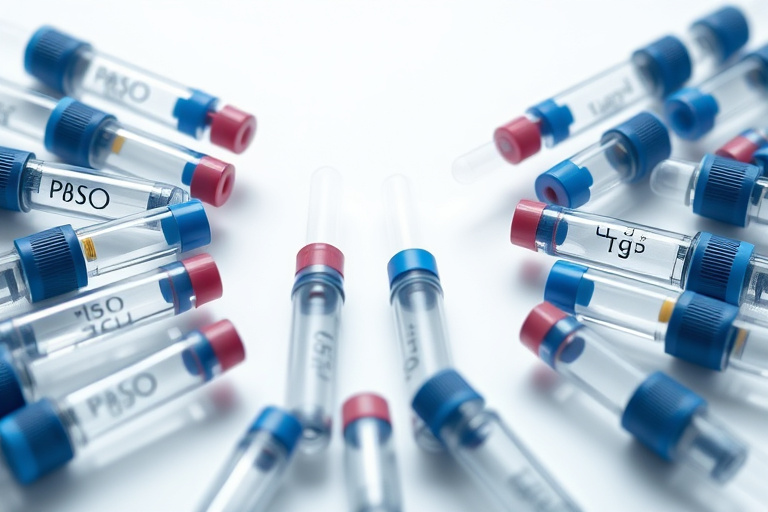
Custom 2026 image for Sharps Disposal Safe At Home, peptide therapy, and better treatment decision-making.
Image description: Unique image for this page covering Sharps Disposal Safe At Home, peptide therapy, safety, cost, provider selection, and patient decision-making.
Download the Peptide Quick Reference Card
A printable 2-page reference covering popular peptides, dosing ranges, stacking protocols, and storage.
Free download. We'll also send helpful GLP-1 guides to your inbox. Unsubscribe anytime.
Medical Disclaimer: This content is for informational purposes only and does not constitute medical advice. Always consult a qualified healthcare provider before starting, stopping, or changing any medication or treatment. FormBlends articles are source-checked against medical and regulatory references, but they are not a substitute for a personal medical consultation.
Written by FormBlends Editorial Research
Prepared by FormBlends Editorial Research. Claims are checked against primary regulatory, trial, label, and public-health sources where available. Reviewed against primary medical, regulatory, and trial sources for accuracy, sourcing, and patient-safety framing.
Ready to get started?
Provider-reviewed GLP-1 and peptide therapy, delivered to your door.