Key Takeaway
Complete guide to TB-500 cycling protocol. Learn proper loading phases, maintenance dosing, cycle lengths, time off periods, and how to structure TB-500 cycles for best results.
About the right TB-500 cycling protocol is important for getting results while maintaining safety. We cover loading phases, maintenance periods, cycle lengths, and time off to help you structure your TB-500 use properly.
Why Cycling TB-500 Matters
TB-500, the synthetic form of Thymosin Beta-4, is a peptide that supports tissue repair, reduces inflammation, and promotes new blood vessel formation . Unlike some compounds that are used continuously, TB-500 is typically administered in cycles. There are several reasons for this approach:
- Receptor sensitivity: Continuous use of any signaling molecule can lead to receptor desensitization over time. Cycling helps maintain the body's responsiveness to the peptide.
- Healing timeline: Most soft tissue injuries follow a predictable healing trajectory. Once the acute healing phase is complete, continued high-dose use may offer diminishing returns.
- Cost management: TB-500 isn't inexpensive. Structuring cycles around specific goals ensures you aren't spending money during periods when the peptide is providing minimal additional benefit.
- Safety considerations: While TB-500 has shown a favorable safety profile, long-term continuous use hasn't been extensively studied. Cycling provides built-in breaks that reduce potential unknowns .
The Standard TB-500 Cycle Structure
Phase 1: Loading (Weeks 1 through 6)
The loading phase is the most intensive period of a TB-500 cycle. The goal is to build up systemic levels of the peptide and saturate target tissues:

- Dose: 2.0 to 2.5 mg per injection
- Frequency: Twice per week (e.g., Monday and Thursday)
- Total weekly dose: 4.0 to 5.0 mg
- Duration: 4 to 6 weeks
During this phase, most users begin noticing the initial effects of TB-500 within the first 2 to 3 weeks. Reduced pain and inflammation are typically the first signs, followed by improved mobility and range of motion in injured areas .
Phase 2: Maintenance (Weeks 7 through 12)
After the loading phase, the protocol transitions to a maintenance dose designed to sustain the healing momentum without the higher frequency:
- Dose: 2.0 to 2.5 mg per injection
- Frequency: Once per week or once every two weeks
- Total weekly dose: 1.0 to 2.5 mg
- Duration: 4 to 8 weeks
The maintenance phase allows continued peptide support while giving the body time to consolidate the healing process. Many injuries will reach significant recovery milestones during this period.
Phase 3: Time Off (4 to 8 Weeks Minimum)
After completing the loading and maintenance phases, we recommend taking at least 4 to 8 weeks off before beginning another cycle. This break serves several purposes:
- Allows receptor sensitivity to reset
- Provides time to assess the full extent of healing achieved
- Reduces cumulative exposure to the peptide
- Helps determine whether an additional cycle is actually needed
Cycle Variations Based on Goal
Acute Injury Protocol
For recent injuries (within the past 2 to 4 weeks), a shorter, more aggressive cycle may be appropriate:
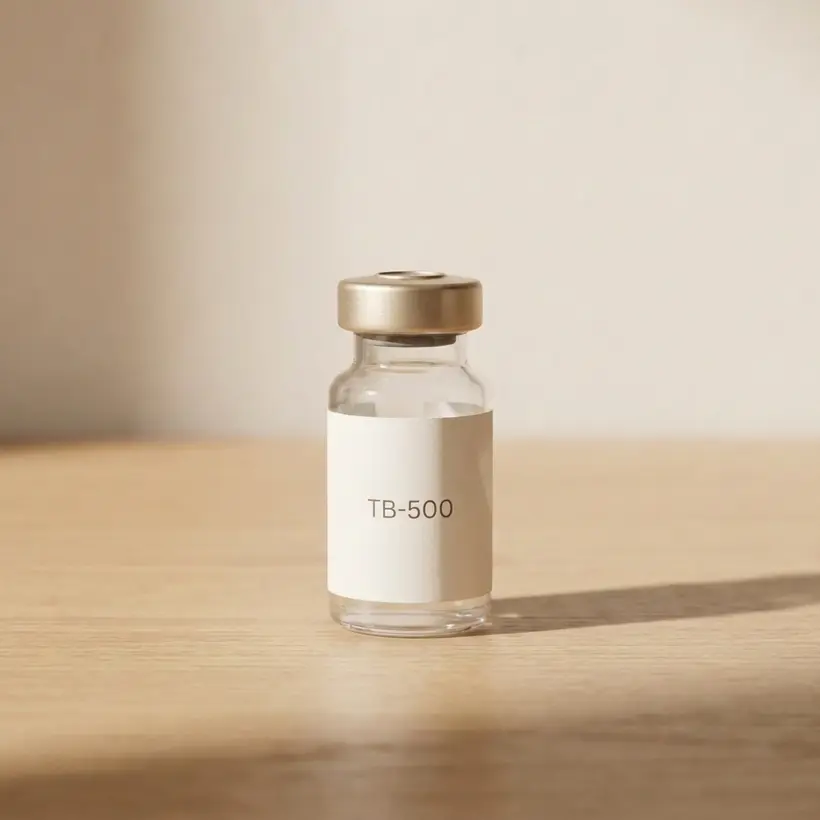
From the FormBlends catalog
TB-500 (Thymosin Beta-4)
Universal repair peptide for tissue regeneration · From $49/mo · compounded by a licensed 503A pharmacy, dispensed only after provider review.
Learn about TB-500 (Thymosin Beta-4) →- Loading: 2.5 mg twice weekly for 4 weeks
- Maintenance: 2.5 mg once weekly for 2 to 4 weeks
- Total cycle length: 6 to 8 weeks
- Time off: 4 to 6 weeks before reassessment
Acute injuries generally respond faster because the body's healing cascade is already active. TB-500 amplifies and supports these natural processes rather than trying to restart a stalled repair mechanism .
Chronic Injury Protocol
For injuries that have persisted for months or years (chronic tendinopathy, old muscle tears, recurring strains), a longer cycle is usually needed:
- Loading: 2.5 mg twice weekly for 6 weeks
- Maintenance: 2.0 mg once weekly for 6 to 8 weeks
- Total cycle length: 12 to 14 weeks
- Time off: 6 to 8 weeks, then reassess for a second cycle if needed
Chronic injuries often require more than one cycle to achieve meaningful structural changes. The first cycle may reduce pain and inflammation, while subsequent cycles build on that progress with additional tissue remodeling .
General Wellness and Recovery Protocol
Some users run TB-500 cycles not for a specific injury but for general recovery support, reduced inflammation, and improved training tolerance:
- Loading: 2.0 mg twice weekly for 4 weeks
- Maintenance: 2.0 mg once every two weeks for 4 to 6 weeks
- Total cycle length: 8 to 10 weeks
- Time off: 8 to 12 weeks
For general wellness applications, lower total doses and longer breaks between cycles are appropriate since there's no urgent healing need driving the protocol.
Cycle Comparison Table
| Protocol Type | Loading Dose | Loading Duration | Maintenance Dose | Maintenance Duration | Time Off |
|---|---|---|---|---|---|
| Acute Injury | 2.5 mg 2x/week | 4 weeks | 2.5 mg 1x/week | 2 to 4 weeks | 4 to 6 weeks |
| Chronic Injury | 2.5 mg 2x/week | 6 weeks | 2.0 mg 1x/week | 6 to 8 weeks | 6 to 8 weeks |
| General Wellness | 2.0 mg 2x/week | 4 weeks | 2.0 mg every 2 weeks | 4 to 6 weeks | 8 to 12 weeks |
| Post-Surgical | 2.5 mg 2x/week | 4 to 6 weeks | 2.5 mg 1x/week | 4 to 6 weeks | 6 to 8 weeks |
Stacking TB-500 Cycles with Other Peptides
TB-500 and BPC-157 Stack
The most common stack involves running BPC-157 alongside TB-500 during the entire cycle. BPC-157 is typically dosed at 250 to 500 mcg once or twice daily via subcutaneous injection, while TB-500 follows the standard loading and maintenance protocol described above .
These two peptides work through complementary mechanisms. TB-500 focuses on angiogenesis and systemic cell migration, while BPC-157 modulates nitric oxide pathways and has local protective effects on the gastrointestinal system. Running them together doesn't require any modification to the cycling structure of either peptide.
TB-500 and Growth Hormone Secretagogues
Some users combine TB-500 cycles with growth hormone peptides like CJC-1295/Ipamorelin or Sermorelin. The GH peptides are typically run on their own ongoing cycle (often 3 to 6 months on, 1 to 3 months off), and the TB-500 cycle runs concurrently during a portion of the GH peptide cycle. There are no known interactions between these compound classes .
Signs Your Cycle Is Working
During a properly structured TB-500 cycle, we typically see the following progression:
- Week 1 to 2: Subtle reduction in baseline pain and stiffness, particularly in the morning
- Week 2 to 4: More noticeable improvement in range of motion and reduced swelling at injury sites
- Week 4 to 6: Meaningful functional improvement. ability to perform activities that were previously limited
- Week 6 to 10: Continued structural remodeling. improvements become more stable and consistent
- Week 10 to 14: Healing consolidation. the majority of improvement has typically occurred by this point
When to Run a Second Cycle
Not everyone needs a second cycle. After completing your time off period, assess the following:
- Has the injury continued improving on its own during the off period?
- Is there residual pain or functional limitation that warrants further peptide support?
- Has imaging (ultrasound, MRI) shown incomplete structural repair?
- Did the first cycle produce measurable improvement that plateaued before full recovery?
If the answer to any of these suggests continued healing is needed, a second cycle following the same structure is reasonable. Many chronic injuries benefit from 2 to 3 total cycles spaced appropriately .
Common Cycling Mistakes
- Skipping the loading phase: Starting directly at maintenance doses means tissue concentrations never reach the threshold needed for meaningful effect.
- Running continuous cycles without breaks: This can lead to receptor desensitization and diminished returns over time.
- Cutting the cycle short: Stopping after 2 to 3 weeks because you "feel better" often means stopping before structural healing has consolidated. Pain reduction precedes tissue remodeling.
- Using doses that are too low: Sub-milligram doses of TB-500 are unlikely to produce meaningful systemic effects. The loading phase requires adequate dosing.
- Not tracking progress: Without baseline measurements and regular reassessment, it's impossible to objectively evaluate whether the cycle is working.
Frequently Asked Questions
How many TB-500 cycles can I run per year?
With proper time off between cycles, most people can safely run 2 to 3 full cycles per year. Each cycle (loading plus maintenance) runs 8 to 14 weeks, with 4 to 8 weeks off between cycles. This allows for adequate recovery and receptor resensitization .
Do I need to taper off TB-500 at the end of a cycle?
There's no established need to taper TB-500. The transition from loading to maintenance serves as a natural step-down, and stopping after the maintenance phase doesn't produce withdrawal effects or rebound symptoms. TB-500 isn't a hormone and doesn't suppress any natural production pathways.
Can I extend the loading phase if my injury is severe?
Extending the loading phase beyond 6 weeks is generally not recommended. If healing progress is slow, it's better to complete a full cycle, take the recommended time off, and then begin a second cycle rather than extending a single loading phase indefinitely.
What happens if I miss a dose during my cycle?
Missing a single dose is unlikely to significantly impact your results. Simply resume your normal schedule on the next scheduled injection day. Don't double up to compensate for a missed dose. If you miss multiple consecutive doses, you may want to extend the phase by the equivalent number of missed sessions.
Should I adjust my training during a TB-500 cycle?
Yes. While TB-500 supports healing, it doesn't make injured tissue invincible. We recommend progressive loading, meaning you gradually increase training intensity and volume as symptoms improve rather than jumping back to full intensity as soon as pain decreases. Working with a physical therapist or qualified coach during your cycle produces the best outcomes.
Medical References
- Goldstein AL, Hannappel E, Sosne G, Kleinman HK. Thymosin beta4: a multi-functional regenerative peptide. Basic properties and clinical applications. Expert Opin Biol Ther. 2012;12(1):37-51. [PubMed | DOI]
Building Your Cycle Plan
We recommend mapping out your full cycle before starting, including specific dates for loading phase, maintenance phase, and time off. Factor in your training schedule, any upcoming events or competitions, and realistic recovery expectations for your specific injury.
Keep a simple log that tracks injection dates, doses, subjective pain scores, range of motion measurements, and any side effects. This data becomes invaluable for improving subsequent cycles if needed.
Need help designing a TB-500 cycle for your specific situation? Browse our peptide protocol library or connect with our team for guidance.
Ready when you are
TB-500 (Thymosin Beta-4)
Universal repair peptide for tissue regeneration · From $49/mo · compounded by a licensed 503A pharmacy, dispensed only after provider review.
Learn about TB-500 (Thymosin Beta-4) →