Key Takeaway
Explore the research on TB-500 and gut health, including intestinal repair, inflammation reduction, and mucosal healing. Evidence-based guide from FormBlends.
Quick Answer: Research on Thymosin Beta-4, the parent protein of TB-500, suggests potential benefits for gut health through reduced intestinal inflammation, accelerated mucosal healing, and protection of the gut lining. Most evidence comes from animal models of colitis and intestinal injury. Human clinical data for gastrointestinal applications is extremely limited.
What Is TB-500?
TB-500 is a synthetic peptide based on the biologically active region of Thymosin Beta-4 (TB4), a naturally occurring protein present in nearly all human cells. TB4 plays a fundamental role in cell migration, tissue repair, angiogenesis, and anti-inflammatory signaling through its interaction with actin, the protein responsible for cellular structure and movement.
While TB-500 is best known for its applications in musculoskeletal recovery, the same tissue-repair mechanisms that make it valuable for joint and tendon healing also apply to the gut. The gastrointestinal lining is one of the most rapidly regenerating tissues in the body, making it a logical target for a peptide that promotes cellular repair and reduces inflammation.
Why Gut Health Matters
The gastrointestinal tract is more than a digestive organ. It serves as a critical immune barrier, houses trillions of microorganisms that influence systemic health, and is lined by a mucosal layer that must constantly regenerate to maintain its protective function.
When the gut lining is compromised, whether by inflammation, infection, stress, medication use, or chronic disease, the consequences extend beyond the digestive system. Increased intestinal permeability (sometimes called "leaky gut"), chronic inflammation, and impaired nutrient absorption can contribute to systemic health problems.
Conditions that involve gut lining damage include:
- Inflammatory bowel disease (IBD), including Crohn's disease and ulcerative colitis
- Irritable bowel syndrome (IBS)
- NSAID-induced gastropathy
- Stress-related gut dysfunction
- Post-infectious intestinal inflammation
How TB-500 May Support Gut Health
The mechanisms through which TB-500 supports tissue repair elsewhere in the body are directly relevant to intestinal healing. Several biological pathways have been studied in the context of gut health.
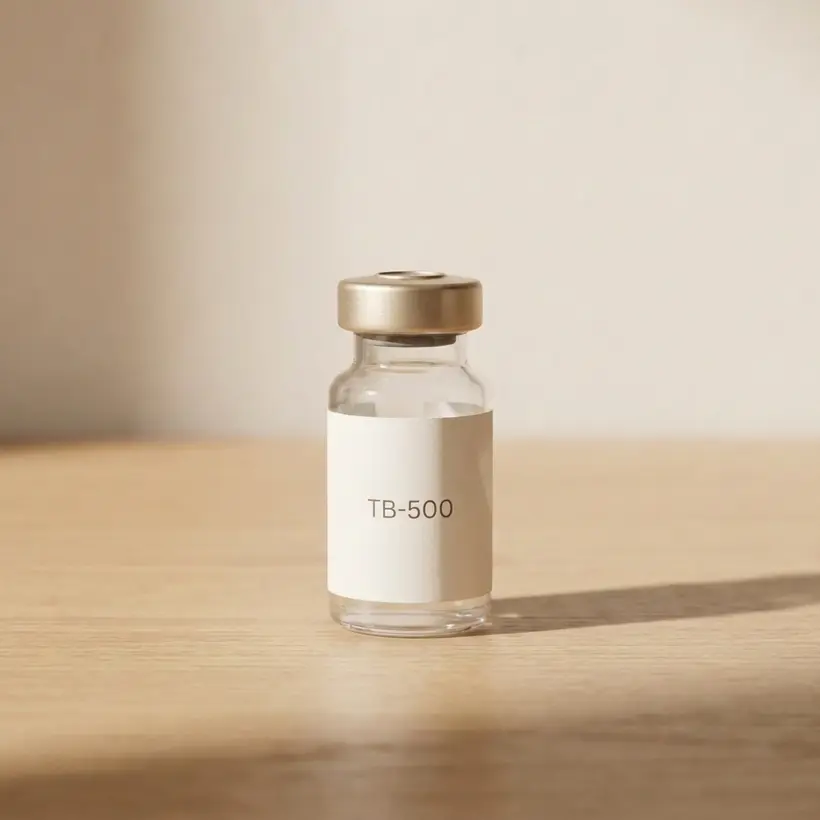
From the FormBlends catalog
TB-500 (Thymosin Beta-4)
Universal repair peptide for tissue regeneration · From $49/mo · compounded by a licensed 503A pharmacy, dispensed only after provider review.
Learn about TB-500 (Thymosin Beta-4) →1. Mucosal Repair and Cell Migration
The gut lining turns over every three to five days under normal conditions. When damaged, the repair process depends on the migration of healthy epithelial cells to cover the wounded area, a process called restitution. Thymosin Beta-4 promotes cell migration by upregulating actin dynamics, which is important for cells to move efficiently to sites of damage.
In vitro studies using intestinal epithelial cell lines have demonstrated that TB4 accelerates the migration and proliferation of these cells (Sosne et al., 2007, Expert Opinion on Biological Therapy).
2. Anti-Inflammatory Activity
Chronic gut conditions are characterized by improved inflammatory cytokines, including interleukin-1 beta (IL-1B), tumor necrosis factor alpha (TNF-alpha), and interleukin-6 (IL-6). Animal studies have shown that Thymosin Beta-4 downregulates these inflammatory markers.
A study in rats with induced colitis demonstrated that TB4 administration reduced intestinal inflammation, decreased mucosal damage scores, and improved overall tissue architecture compared to untreated controls (Kim and Kim, 2017). The anti-inflammatory effect appeared to operate through the NF-kB signaling pathway, one of the central regulators of inflammatory gene expression.
3. Angiogenesis in the Gut
Healing damaged gut tissue requires the formation of new blood vessels to deliver oxygen and nutrients to regenerating cells. TB4's well-documented pro-angiogenic properties (Grant et al., 1999, Journal of Cell Science) support this aspect of intestinal repair.
4. Protection Against Oxidative Stress
Some research suggests that Thymosin Beta-4 may offer cytoprotective effects against oxidative damage. Intestinal inflammation generates significant reactive oxygen species (ROS), which further damage the gut lining. By supporting cellular defense mechanisms, TB4 may help protect epithelial cells during inflammatory episodes.
What the Research Shows
It's critical to distinguish between the levels of evidence available for TB-500's gut health applications.
Animal Studies
The strongest evidence for TB4's gut-related benefits comes from animal models:
- Colitis models: Multiple studies in rodents with chemically induced colitis have shown that TB4 reduces disease severity, inflammatory marker levels, and histological damage scores. These models mimic aspects of human inflammatory bowel disease.
- NSAID-induced gut injury: Animal research has demonstrated that TB4 can reduce gastric mucosal damage caused by nonsteroidal anti-inflammatory drugs, which are a common cause of gut lining injury in humans.
- Intestinal ischemia-reperfusion injury: In models where blood flow to the intestines is temporarily interrupted and then restored (causing oxidative damage), TB4 treatment improved tissue survival and reduced inflammation.
In Vitro Studies
Cell culture studies using intestinal epithelial cells have confirmed that TB4 promotes cell migration, proliferation, and wound closure in laboratory settings. These findings support the biological plausibility of TB4's gut-healing properties but can't directly predict clinical outcomes in humans.
Human Studies
As of the current research space, no large-scale, randomized controlled trials have been published examining TB-500 or TB4 specifically for gastrointestinal conditions in humans. Human clinical data for TB4 exists primarily for ocular conditions (dry eye disease) and, to a limited extent, dermal wound healing. Gastrointestinal applications remain in the preclinical stage.
This is an important distinction. While the animal and in vitro data are encouraging, extrapolating directly to human gut health requires caution.
TB-500 vs. BPC-157 for Gut Health
BPC-157 (Body Protection Compound-157) is another peptide frequently discussed in the context of gut health. Knowing how these two peptides compare can help frame expectations.
- BPC-157 is derived from a protein found in human gastric juice. It has been studied extensively in animal models for gastric ulcers, intestinal damage, and inflammatory bowel conditions. Its mechanism appears to involve local protective effects on the GI mucosa.
- TB-500 operates through systemic tissue repair mechanisms (actin regulation, cell migration, angiogenesis). Its gut health benefits are a secondary application of its general tissue-repair properties.
Some practitioners use both peptides together, reasoning that BPC-157 provides localized gut protection while TB-500 supports systemic repair and anti-inflammatory signaling. But combination protocols should only be designed by a physician.
Potential Applications
Based on the available preclinical evidence, TB-500 may be of interest in the following gut health contexts. None of these applications have been validated in human clinical trials.
- Supporting gut lining repair after periods of NSAID use or other medication-related mucosal damage
- Reducing intestinal inflammation as part of a broader management strategy for inflammatory conditions
- Post-illness gut recovery following infections that cause intestinal inflammation
- General gut maintenance for individuals with chronic low-grade intestinal inflammation
Note that TB-500 isn't a replacement for standard medical treatment of serious gastrointestinal conditions. Individuals with IBD, celiac disease, or other diagnosed GI conditions should continue working with their gastroenterologist.
Safety Considerations
TB-500 has shown a generally favorable safety profile in published research. Side effects are typically mild and include temporary fatigue, headache, and injection-site reactions. For gut health applications specifically:
- No published studies have reported gastrointestinal side effects from TB-500 administration.
- TB-500 is administered by injection, not orally, so it doesn't directly contact the GI tract during administration.
- The peptide's pro-angiogenic properties warrant caution in individuals with active cancer or a history of gastrointestinal malignancies.
- TB-500 isn't FDA-approved for any condition, including gut health applications.
- Long-term human safety data is limited.
How FormBlends Can Help
Gut health is complex, and peptide therapy is just one potential piece of the puzzle. FormBlends provides physician-supervised protocols that consider your full health picture.
- thorough assessment: Your provider evaluates your digestive health history, current symptoms, medications, and goals before recommending any peptide.
- Evidence-based guidance: FormBlends physicians stay current on the research and are transparent about what the evidence does and doesn't support.
- Pharmacy-grade compounds: All peptides are sourced from licensed compounding pharmacies with verified purity and potency.
- Integrated approach: Your provider can coordinate with your gastroenterologist or other specialists to ensure your peptide protocol complements your existing care.
Frequently Asked Questions
Can TB-500 help with leaky gut?
The concept of "leaky gut" (increased intestinal permeability) involves damage to the tight junctions between epithelial cells in the gut lining. TB-500's ability to promote epithelial cell migration and reduce inflammation could theoretically support the repair of these barriers. But no human studies have specifically tested TB-500 for intestinal permeability.
Should I take TB-500 orally for gut health?
No. TB-500 is a peptide that would be broken down by digestive enzymes if taken orally. It must be administered by subcutaneous injection. Even for gut health applications, the peptide works systemically after injection, reaching the intestinal tissue through the bloodstream.
How long does it take for TB-500 to help gut issues?
Based on animal study timelines and general clinical observation, improvements in inflammatory markers and tissue repair may begin within two to four weeks. But chronic gut conditions may require longer treatment periods, and individual responses vary significantly.
Is BPC-157 better than TB-500 for gut health?
BPC-157 has a larger body of preclinical research specifically focused on gastrointestinal applications. TB-500 offers complementary benefits through different mechanisms. Some practitioners use both together. The "better" choice depends on your specific condition and should be determined by your physician.
Can TB-500 replace my current gut health medications?
No. TB-500 shouldn't be used as a replacement for prescribed medications for diagnosed gastrointestinal conditions. It may be used as a complementary therapy under physician supervision, but never as a substitute for standard medical treatment.
Medical References
- Goldstein AL, Hannappel E, Sosne G, Kleinman HK. Thymosin beta4: a multi-functional regenerative peptide. Basic properties and clinical applications. Expert Opin Biol Ther. 2012;12(1):37-51. [PubMed | DOI]
Explore Peptide Therapy for Gut Support
If gut health is a priority, FormBlends can help you understand whether TB-500 or other peptide therapies may complement your current approach. Start your physician-supervised consultation at FormBlends.com.
Disclaimer: This article is for informational purposes only and doesn't constitute medical advice. TB-500 isn't FDA-approved for any medical condition, including gastrointestinal disorders. The gut health information presented here is based primarily on animal and in vitro research. Human clinical data for TB-500 in gut health applications is extremely limited. Always consult a qualified healthcare provider before starting any new therapy, and don't discontinue prescribed medications without medical guidance. FormBlends provides physician-supervised telehealth services. all treatment decisions are made by licensed medical providers.
Ready when you are
TB-500 (Thymosin Beta-4)
Universal repair peptide for tissue regeneration · From $49/mo · compounded by a licensed 503A pharmacy, dispensed only after provider review.
Learn about TB-500 (Thymosin Beta-4) →