All GLP-1 medications from licensed 503A compounding pharmacies Browse Products

Thymosin Alpha-1 for Beginners: Complete Guide

A beginner-friendly guide to Thymosin Alpha-1 covering what it is, how it works, dosing, administration, storage, side effects, and what to expect.

By Emily Rodriguez, RDN, CSSD|Reviewed by Dr. David Kim, MD, FACE||

Medically Reviewed

Written by Emily Rodriguez, RDN, CSSD · Reviewed by Dr. David Kim, MD, FACE

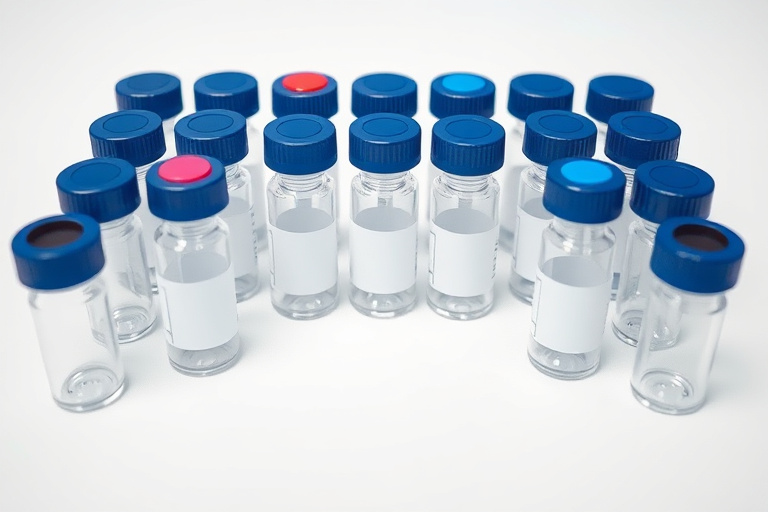
Thymosin Alpha-1 for Beginners: Complete Guide custom 2026 header image for Peptide Therapy
Custom header image for Thymosin Alpha-1 for Beginners: Complete Guide, Peptide Therapy, and better treatment decision-making.
In This Article

This article is part of our Peptide Therapy collection. See also: GLP-1 Guides | Provider Comparisons

Search and AI answer brief

Practical answer: Thymosin Alpha-1 for Beginners: Complete Guide

A beginner-friendly guide to Thymosin Alpha-1 covering what it is, how it works, dosing, administration, storage, side effects, and what to expect.

Short answer

A beginner-friendly guide to Thymosin Alpha-1 covering what it is, how it works, dosing, administration, storage, side effects, and what to expect.

Search intent

This page answers a specific Peptide Therapy question rather than a generic overview.

What to verify

peptide evidence quality, safety and contraindications

How to use it

Use this information to prepare sharper questions for a licensed provider.

Key Takeaway

A beginner-friendly guide to Thymosin Alpha-1 covering what it's, how it works, dosing, administration, storage, side effects, and what to expect.

| Peptide Q&A

Thymosin Alpha-1 (Ta1) is a naturally occurring peptide made up of 28 amino acids, originally isolated from the thymus gland. It plays a central role in immune system regulation by enhancing T-cell maturation, activating natural killer cells, and modulating dendritic cell function. Practitioners prescribe it to support immune health in patients dealing with chronic infections, weakened immunity, and as an adjunct in cancer care. This guide covers everything a beginner needs to know before starting Ta1 therapy.

What Is Thymosin Alpha-1?

Thymosin Alpha-1 is one of several peptides produced by the thymus, a small organ behind the breastbone that's important for immune development. The thymus is most active during childhood and gradually shrinks with age, a process called thymic involution. As thymic output declines, the body produces less Ta1 naturally.

Synthetic Ta1 replicates the natural peptide's structure and function. It was first characterized by Dr. Allan Goldstein at the George Washington University in the 1970s and has since been studied extensively for immune-related applications.

How Does It Work?

Ta1 enhances immune function through several pathways:

Popular Therapeutic Peptides by Use Case Clinical Interest Score 0 22 44 66 88 88 82 78 75 70 BPC-157 TB-500 Sermorelin Ipamorelin GHK-Cu Based on published peptide research literature
Popular Therapeutic Peptides by Use Case. Based on published peptide research literature.
View data table
Bar chart showing popular therapeutic peptides by use case: BPC-157 (88), TB-500 (82), Sermorelin (78), Ipamorelin (75), GHK-Cu (70)
CategoryClinical Interest ScoreDetail
BPC-15788Tissue repair and gut healing
TB-50082Injury recovery
Sermorelin78Growth hormone support
Ipamorelin75Anti-aging and recovery
GHK-Cu70Skin and tissue repair
Illustration for Thymosin Alpha-1 for Beginners: Complete Guide
  • T-cell maturation: Stimulates the development and differentiation of T-cells from precursor cells in the thymus and bone marrow.
  • NK cell activation: Increases the activity of natural killer cells, which target virus-infected and cancerous cells.
  • Dendritic cell function: Enhances the ability of dendritic cells to present antigens, improving the immune system's ability to identify threats.
  • Cytokine modulation: Helps balance pro-inflammatory and anti-inflammatory cytokine production, which is important in autoimmune conditions.

Common Uses

Healthcare providers prescribe Thymosin Alpha-1 for several purposes:

Check your GLP-1 eligibility

Use our free BMI Calculator to see if you may qualify for provider-reviewed GLP-1 therapy.

Try the BMI Calculator →
  • Chronic hepatitis B and C support (approved indication in many countries outside the US)
  • General immune enhancement in immunocompromised individuals
  • Adjunctive cancer support alongside conventional treatments
  • Chronic fatigue or recurrent infection management
  • Post-illness immune recovery

Thymosin alpha-1 research studies

Dosing for Beginners

The standard dosing protocol for Thymosin Alpha-1 is 1.6 mg administered via subcutaneous injection two to three times per week. Your prescribing physician will determine the exact protocol based on your health status and goals.

Key dosing points for beginners:

  • Start with the dose your physician recommends. don't self-adjust
  • Injections are typically given in the abdominal area, thigh, or upper arm
  • Rotate injection sites to prevent tissue irritation
  • Most protocols run for 3 to 6 months before reassessment

How to cycle thymosin alpha-1

How to Administer

Ta1 is administered as a subcutaneous (under the skin) injection. If you're new to self-injection, your healthcare provider or pharmacist should walk you through the process. The basic steps are:

  1. Wash your hands thoroughly
  2. Clean the injection site with an alcohol swab
  3. Draw the prescribed dose into an insulin syringe
  4. Pinch a fold of skin at the injection site
  5. Insert the needle at a 45-degree angle
  6. Inject slowly and remove the needle
  7. Dispose of the syringe in a sharps container

Best time to take thymosin alpha-1

Storage Basics

Proper storage maintains Ta1 potency. Unreconstituted (lyophilized) Ta1 should be stored in the refrigerator at 36 to 46 degrees Fahrenheit. Once reconstituted with bacteriostatic water, it must be refrigerated and used within the timeframe specified by your pharmacy, typically 28 days. Never freeze reconstituted Ta1. how to store thymosin alpha-1 properly

Side Effects to Know

Thymosin Alpha-1 is generally well tolerated. The most commonly reported side effects include mild injection site redness or soreness, occasional fatigue, and slight flu-like symptoms during the first week as the immune system activates. Serious side effects are rare. Report any unusual symptoms to your healthcare provider promptly. thymosin alpha-1 side effects

Frequently Asked Questions

Is Thymosin Alpha-1 safe for beginners?

Yes, Ta1 has a strong safety profile across decades of research and clinical use worldwide. It's generally well tolerated with minimal side effects. But it should only be used under the supervision of a licensed healthcare provider who can monitor your response.

How soon will I notice results from Thymosin Alpha-1?

Most users begin noticing improvements in energy and illness frequency within 2 to 4 weeks, with full immune benefits developing over 8 to 12 weeks of consistent use. Individual timelines vary based on baseline health and immune status. how long does thymosin alpha-1 take to work

Do I need blood work before starting Thymosin Alpha-1?

Most practitioners recommend baseline blood work including a complete blood count, lymphocyte subset analysis, and basic metabolic panel. These labs provide a reference point to measure your immune response over the course of treatment.

Can I take Thymosin Alpha-1 with other supplements?

Ta1 is commonly used alongside immune-supportive supplements like vitamin D, zinc, and vitamin C. But always disclose all supplements and medications to your prescribing physician to avoid potential interactions, especially if you're taking immunosuppressive drugs.

Where can I get Thymosin Alpha-1?

Thymosin Alpha-1 is available through licensed compounding pharmacies with a valid prescription. Telehealth peptide clinics can connect you with a physician who can evaluate your needs and prescribe Ta1 if appropriate. Avoid unregulated online sources. where to buy thymosin alpha-1 online

Evidence standard

How this page was source-checked

Editorial policy

FormBlends does not claim an individual clinician byline unless a named reviewer is available. For this page, the editorial team checks medical and regulatory claims against primary sources, clinical trials, public datasets, and regulator guidance.

PubMed evidence trail

Research sources used to frame this page

For Thymosin Alpha-1 for Beginners: Complete Guide, FormBlends checks the page topic against primary trials, systematic reviews, guidelines, and current PubMed-indexed literature where available. These citations are context, not medical advice, proof of eligibility, or a claim that every study applies to every patient.

Peptide decision path

Move from research interest to supervised review

Direct answer

Thymosin Alpha-1 for Beginners: Complete Guide should be evaluated through research status, legal access, source quality, safety context, and clinician oversight rather than a shortcut purchase decision.

Evidence check

Useful peptide pages should separate human data, animal research, mechanistic evidence, and marketing claims.

Safety check

Peptides can vary by legal status, compounding pathway, purity testing, patient history, and interaction risk.

Next step

If the topic still fits your goal after reading, the get-started flow should collect the clinical context needed for provider review.

FormBlends Editorial Context

Reviewed May 14, 2026

A beginner-friendly guide to Thymosin Alpha-1 covering what it is, how it works, dosing, administration, storage, side effects, and what to expect. For "Thymosin Alpha-1 for Beginners: Complete Guide", the useful question is not just what the page says, but what a reader should confirm afterward. The page is oriented around patient education and clinical context and the specifics of side effects, dosing. Because this article has 8 major sections, scan the headings first and then use the FAQ or summary sections to pressure-test the answer. That makes it a planning aid, not a replacement for medical advice.

  • Confirm whether the page is discussing an FDA-approved use, a compounded option, or research-only context.
  • Ask a licensed clinician how the evidence applies to your health history, medications, labs, and side-effect risk.
  • Check the latest label, trial update, pharmacy policy, or state rule when the article touches medication access.

Original tools and data

Use the FormBlends research stack

These assets are built to be useful beyond a single article: shareable data pages, calculators, provider comparisons, and safety checks that give Google and readers something original to crawl.

Editorial refresh

Practical 2026 note for Thymosin Alpha

Thymosin Alpha now carries extra 2026 context around BPC-157, safety signals, thymosin, alpha, beginners, because those are the subtopics readers tend to compare before they trust a medical or wellness recommendation.

Instead of adding filler, this page keeps the named treatment terms, practical verification points, and next-step questions close to thymosin alpha 1 for beginners guide.

Readers should use the section to check current eligibility, pharmacy or provider policies, and safety questions with a licensed professional before acting.

Thymosin Alpha custom 2026 image for peptide therapy on FormBlends

Custom 2026 image for Thymosin Alpha, peptide therapy, and better treatment decision-making.

Image description: Unique image for this page covering Thymosin Alpha, peptide therapy, safety, cost, provider selection, and patient decision-making.

Download the Peptide Quick Reference Card

A printable 2-page reference covering popular peptides, dosing ranges, stacking protocols, and storage.

Free download. We'll also send helpful GLP-1 guides to your inbox. Unsubscribe anytime.

Medical Disclaimer: This content is for informational purposes only and does not constitute medical advice. Always consult a qualified healthcare provider before starting, stopping, or changing any medication or treatment. FormBlends articles are source-checked against medical and regulatory references, but they are not a substitute for a personal medical consultation.

Written by Emily Rodriguez, RDN, CSSD

Registered Dietitian. This article was researched against primary regulatory, trial, prescribing, and manufacturer sources where available. Reviewed by Dr. David Kim, MD, FACE for medical accuracy, sourcing, and patient-safety framing.

Ready to get started?

Provider-reviewed GLP-1 and peptide therapy, delivered to your door.

Start Your Consultation

Ready to Start Your Weight Loss Journey?

Get a free medical consultation with a licensed provider. Compounded GLP-1 medications starting at $99/month with free shipping.

Next Best Reads

Free Tools

Provider-informed calculators to support your weight loss journey.